Spring House‑Hunting in Croatia: A Greener Advantage
Spring viewings in Croatia reveal real year‑round life: lower competition, clearer renovation needs, and greener buying choices backed by market data.
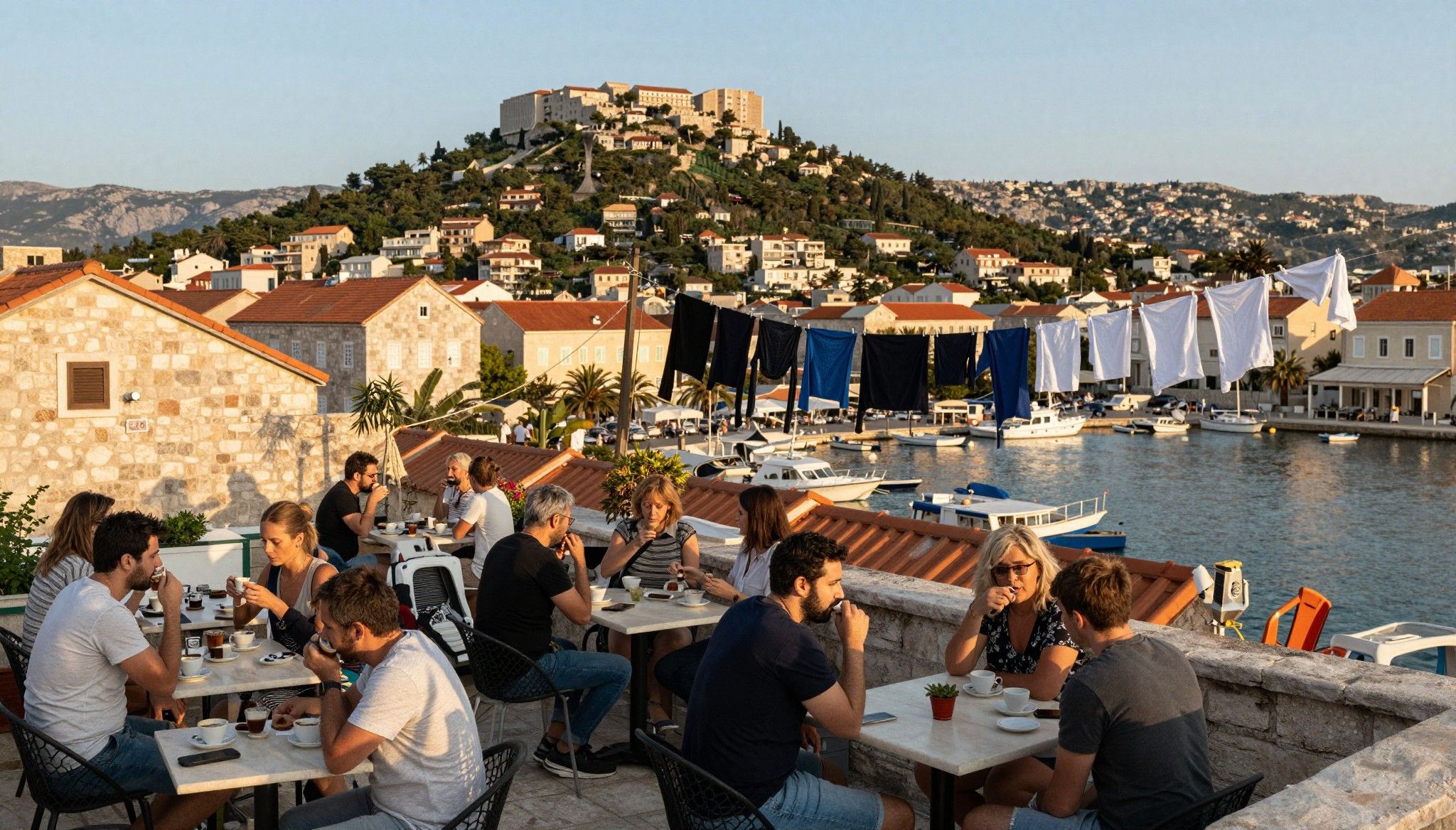
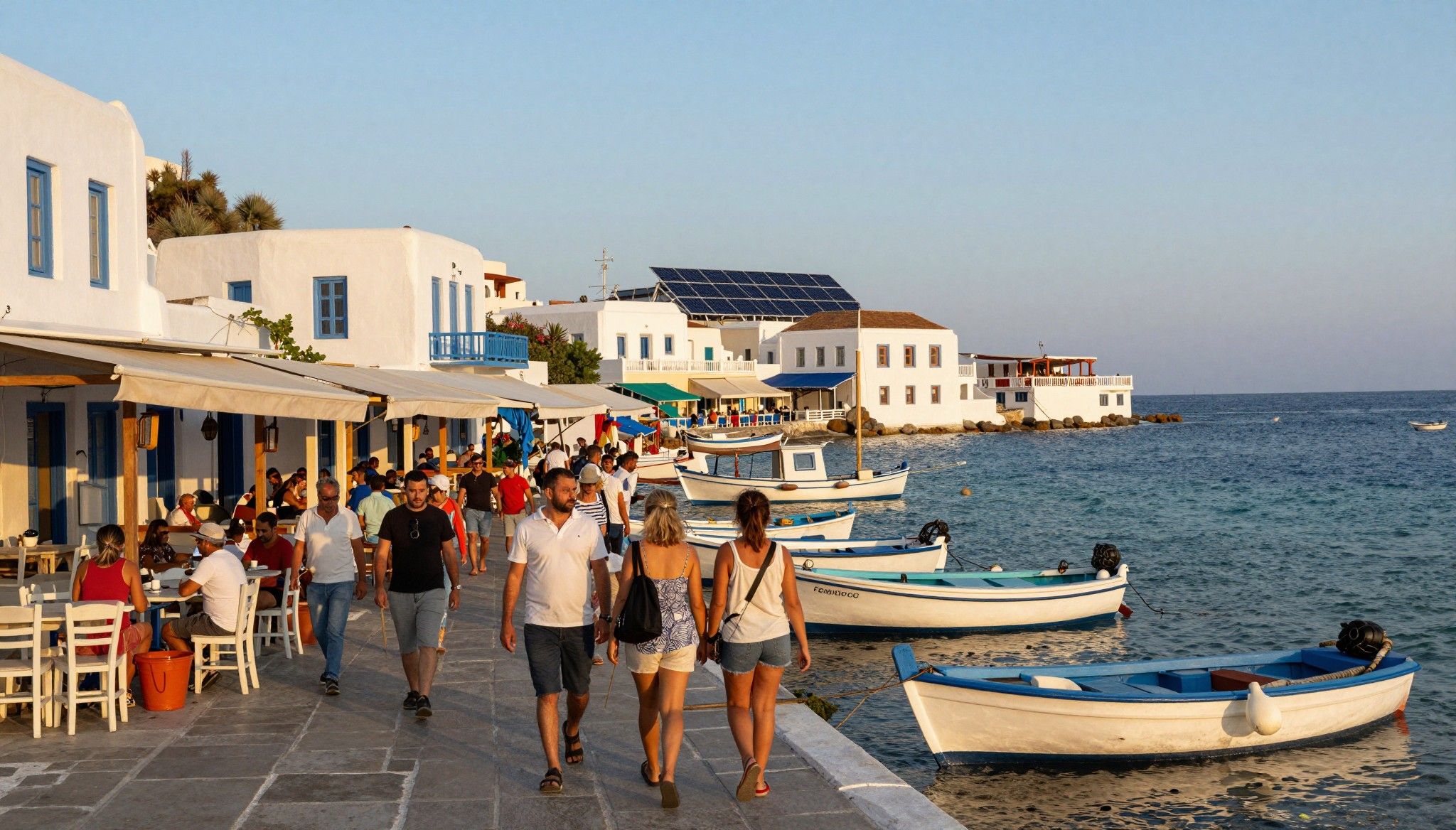
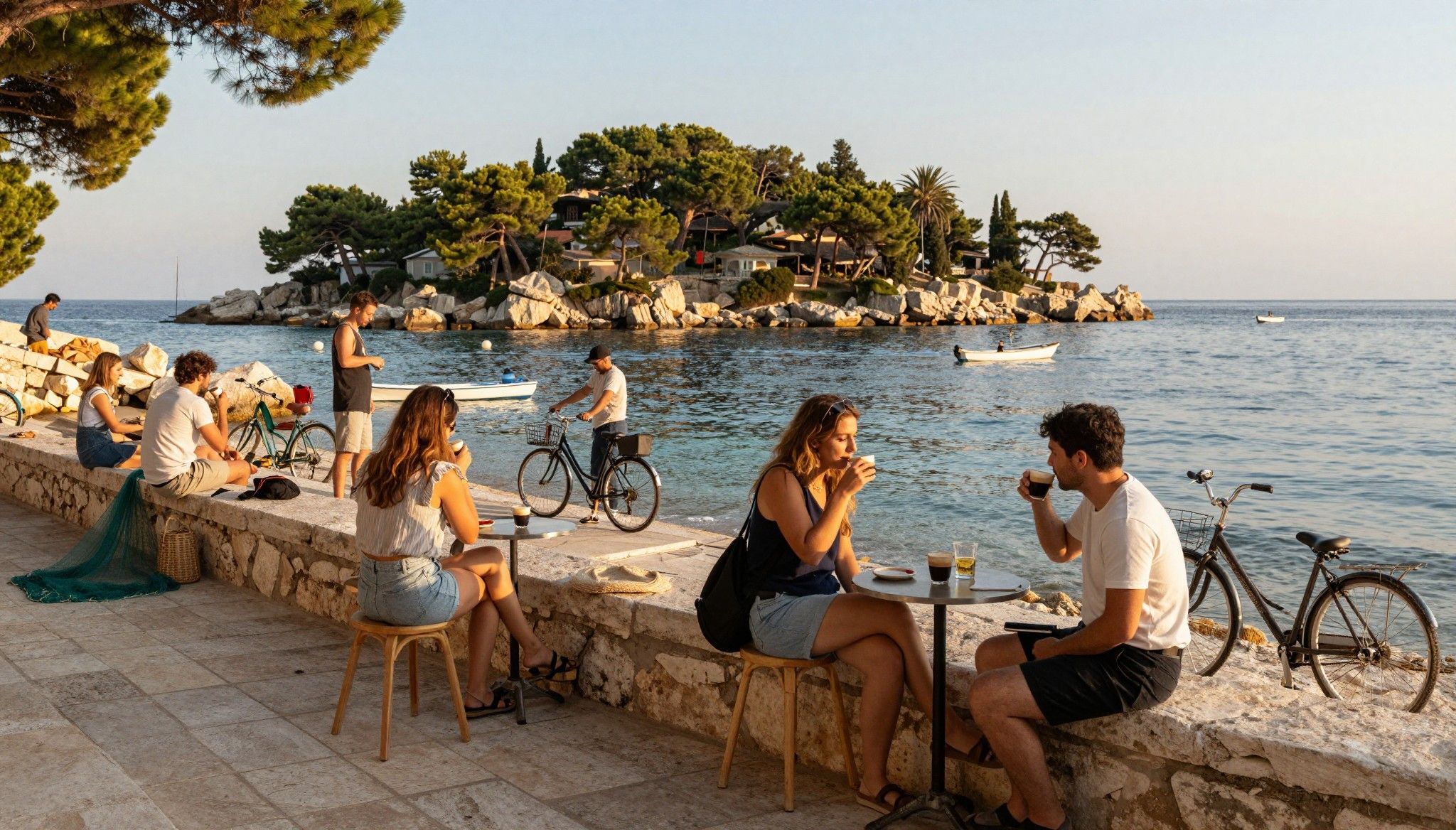
Picture an early spring morning in Split: pastry steam rising from a bakers’ window on Marmontova, fishermen mending nets in the Riva light, and terraces that feel newly yours. That gentle Adriatic hush is exactly why many of us who love low‑impact living choose to search for homes in Croatia in spring—when the coast is awakening, gardens still manageable, and sellers and agencies finally step away from the high‑season rush.
Living the Croatia lifestyle—what you truly buy
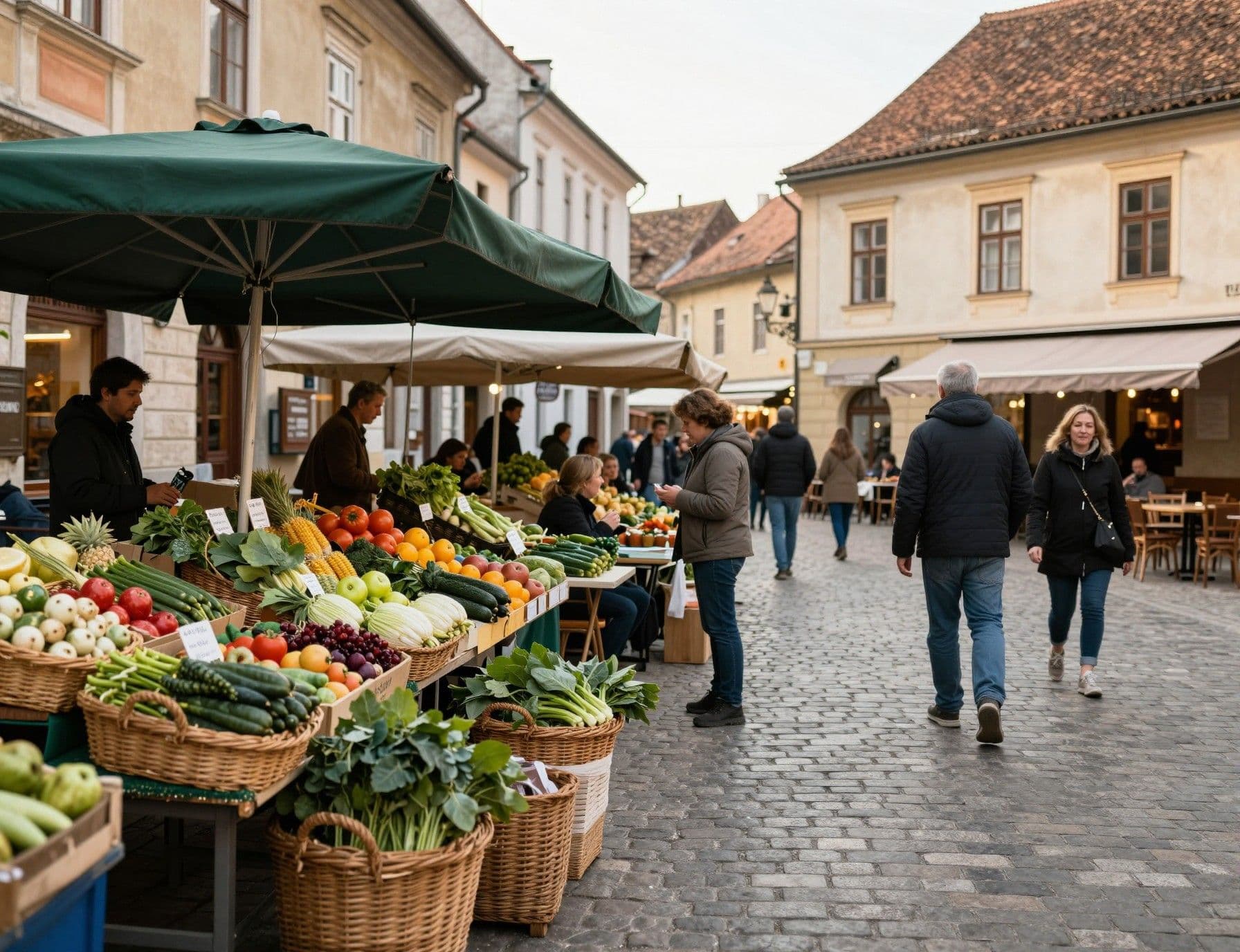
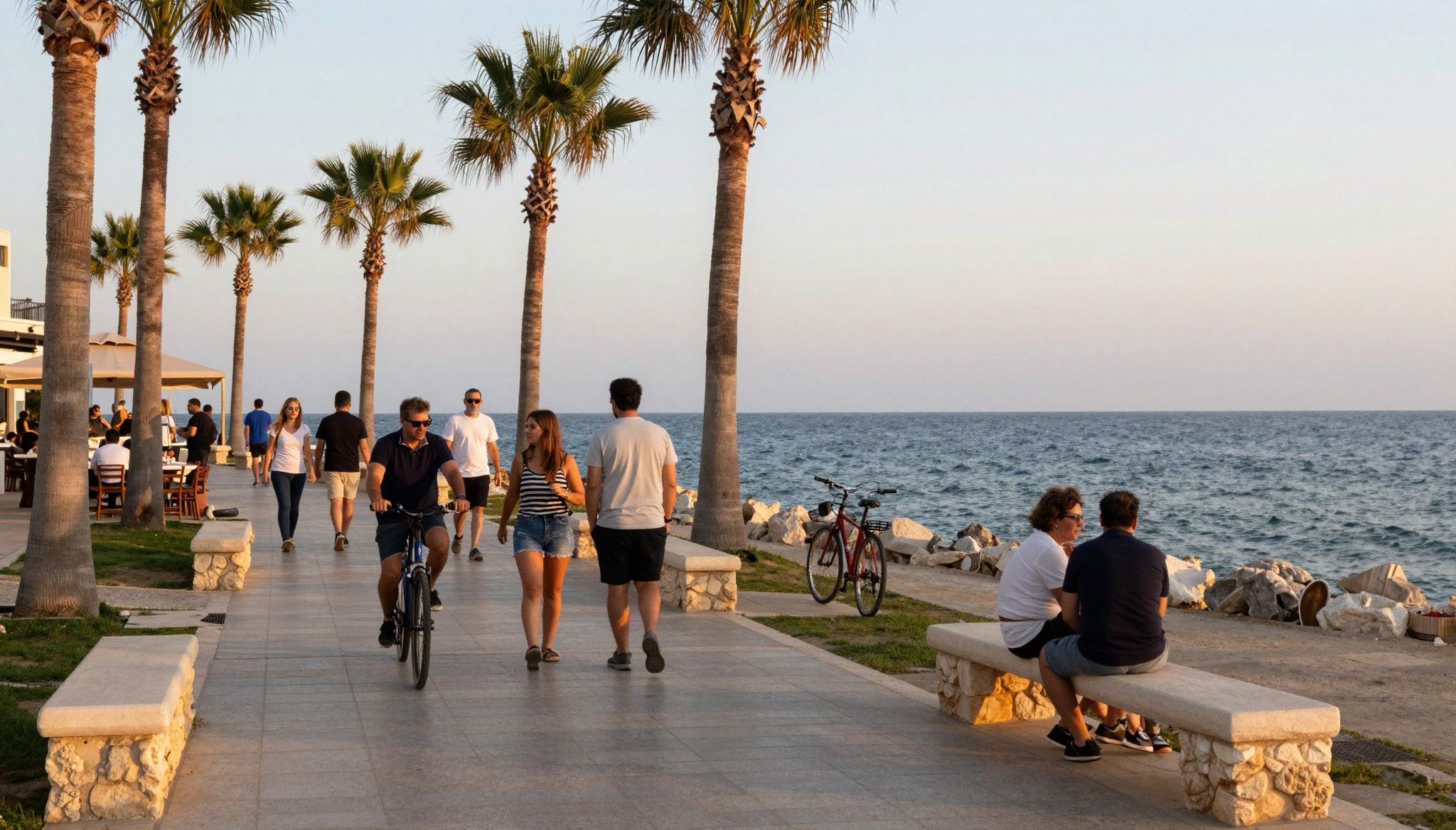
Life here is tactile: morning markets like Dolac in Zagreb, late‑afternoon swims off pebble coves in Istria, and long, communal meals over locally trapped fish and Istrian olive oil. Choosing a property in Croatia is as much about access to that rhythm—markets, small family cafes, community festivals—as it is about metres squared.
Spotlight: Split’s Marjan slopes to Diocletian’s shade
Walkable, fragrant and layered with history, neighborhoods flanking Marjan hill offer terraced gardens, stone houses with shaded courtyards, and morning coffee culture that drifts into seaside life. For buyers seeking a small‑scale, eco‑minded home, these streets give you the chance to garden in limestone terraces and use local stone and reclaimed timber for gentle retrofits.
Food, markets and little rituals that shape property choice
Whether it’s Istrian truffle season that sends food lovers inland or Split’s fish market that dictates weekly menus, the culinary calendar alters how you’ll use a home—think pantry space for preserved goods, an outdoor kitchen for late summer lunches, or a modest piece of land for an herb garden. Those lifestyle needs should shape the property brief from day one.
- Lifestyle highlights: market mornings, pebble‑bay swims, truffle forays, olive harvests, island ferry weekends, and local konobe (family taverns).
Making the move: practical, sustainable steps
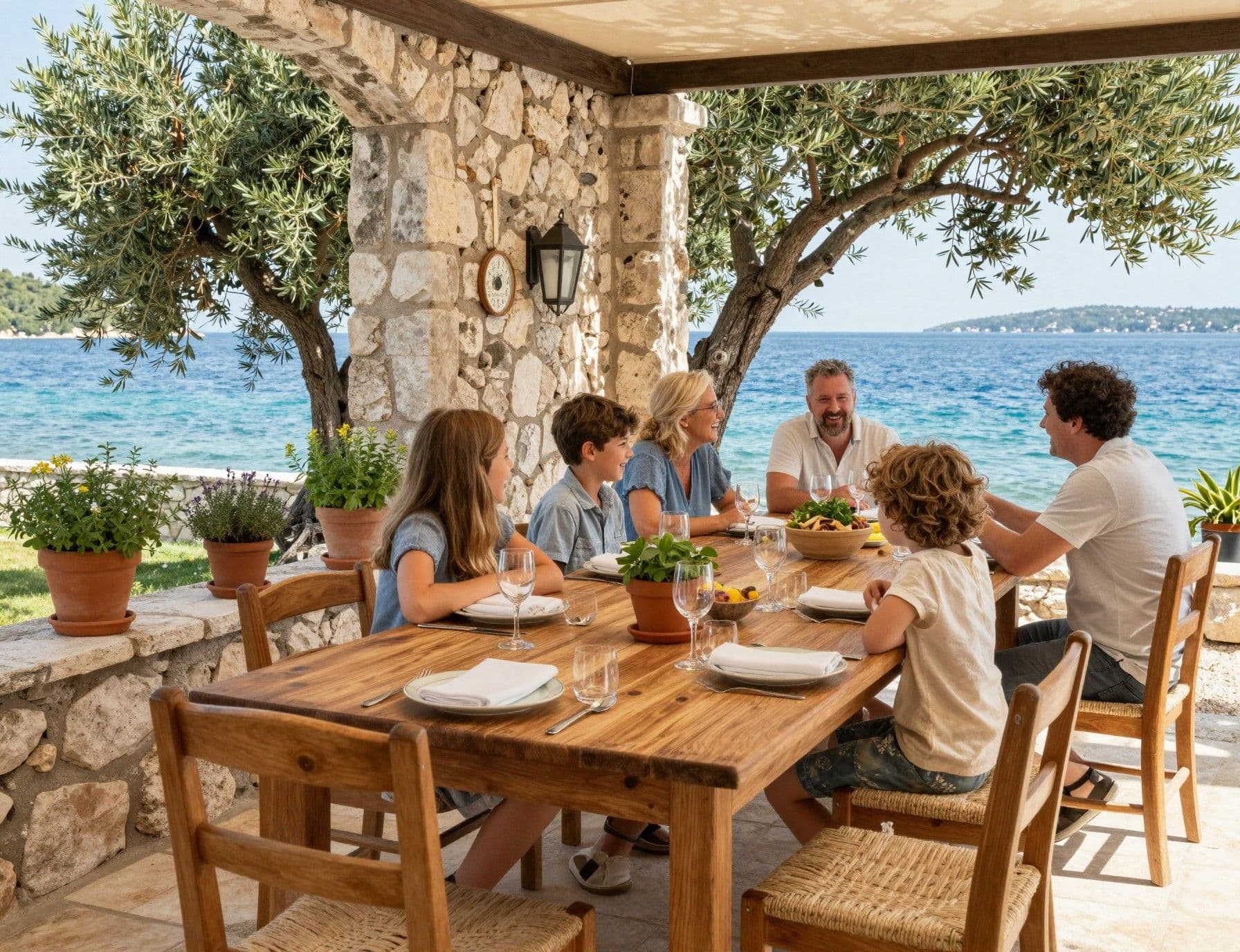
The romantic picture meets a busy market. National data show continued price growth into 2025 with important regional differences, so marrying lifestyle priorities—coast vs inland, historic stone house vs modern apartment—to market reality is vital. Spring is often the sweet spot: inventories expand after winter but before peak tourist demand inflates asking prices.
Property styles and how they shape daily life
Historic Dalmatian stone houses reward patience and craft: thick walls for passive cooling, courtyards for edible gardens, and materials that age beautifully. Newer developments near Zagreb or Rijeka promise better insulation, modern systems and easier installation of solar PV. Decide whether you want a canvas for regenerative renovation, or a low‑maintenance, energy‑efficient turnkey home.
Working with local experts who understand sustainability
Choose agents who know not only market listings but also local craftsmen, permitted retrofit paths, and municipality attitudes to solar, water harvesting and protected heritage. A good agency can steer you away from technically possible but ecologically costly choices—like sealing a traditional courtyard under impermeable tile—and toward solutions that honour local materials and biodiversity.
- Stepwise practical actions: 1) Sketch your lifestyle brief (seasons, garden, hosting). 2) Prioritise regions (Istria for food/olive culture; Dalmatia for island life; Zagreb for year‑round services). 3) Engage a local sustainability‑literate agent. 4) Inspect orientation, insulation and water supply. 5) Ask for recent energy bills and permit history.
Insider knowledge: what expats learn the hard way
Many newcomers assume seaside life equals easy year‑round rental income or constant tourist energy; the reality is seasonal ebb and flow. Expat communities concentrated in Hvar, Dubrovnik and parts of Istria are warm but small, and language matters at markets and municipal offices. Budget for adaptation time—learning local rhythms is part of the reward.
Cultural integration and everyday practicalities
Greeting rituals, weekend market runs, and small‑town trust networks change how you live here. Learn simple Croatian phrases, join a local konoba for seasonal celebrations, and volunteer at a neighborhood olive press or beach clean‑up to weave into community life—these ties also protect your home’s value through local stewardship.
Longer‑term living: how your needs evolve
Expect seasons to shift priorities: summers demand ventilation and shade; winters reward insulation and wood stoves. If you plan to age in place, pick flatter locations with nearby services. If you’re aiming for regenerative land use, look for plots with existing mature trees, water access and legal pathways for small‑scale agricultural use.
- Expat tips: join local Facebook groups for each island or town, shop the morning market weekly, hire a local notary early, and plan repairs for spring or autumn (cheaper and more available).
Croatia’s market shows regional price divergence and continuing upward pressure in sought‑after coastal towns. Use official indices and reputable agency reports to temper romantic impulses—agreeing a fair offer means blending heart and market data to avoid overpaying during tourist highs.
- Quick buying checklist: 1) Confirm ownership and permitted uses with the notary. 2) Check local municipal plans for coastal setbacks or protected zones. 3) Get two renovation quotes (local craftsman + sustainable builder). 4) Reserve spring or autumn for surveys and viewings to see true year‑round life.
A short note on price rhythm and timing
Data through 2025 show strong growth in many areas but a softening of transactions—meaning smart buyers can find negotiating room if they look outside peak summer months. Spring viewings let you see gardens sprout, roof leaks reveal themselves after winter rains, and neighbourhoods feel like they will for most of the year—not just during August.
If you’ve read this far, imagine closing on a house in Croatia in April: you plant a small olive shoot, try your hand at a first batch of preserves, and meet your neighbours at a spring festival. That’s the rhythm we help international buyers find—homes that fit habits, seasons and ecological values.
Next steps: begin with a short wishlist rooted in lifestyle (market, garden, ferry access), ask an agency for spring viewing windows, and request energy and permit histories before you travel. When you pair a clear vision with local expertise, Croatia stops being a postcard and becomes a place where you belong.
Dutch property strategist who helped 200+ families find sustainable homes in southern Europe; expert in legal pathways and long-term stewardship.