Seasonal Stewardship: Buying in Croatia with Life in Mind
Fall for Croatia’s seasonal, sensory life — then buy with ecological care: season-aware visits, reciprocity checks, fabric-first surveys and local stewardship.
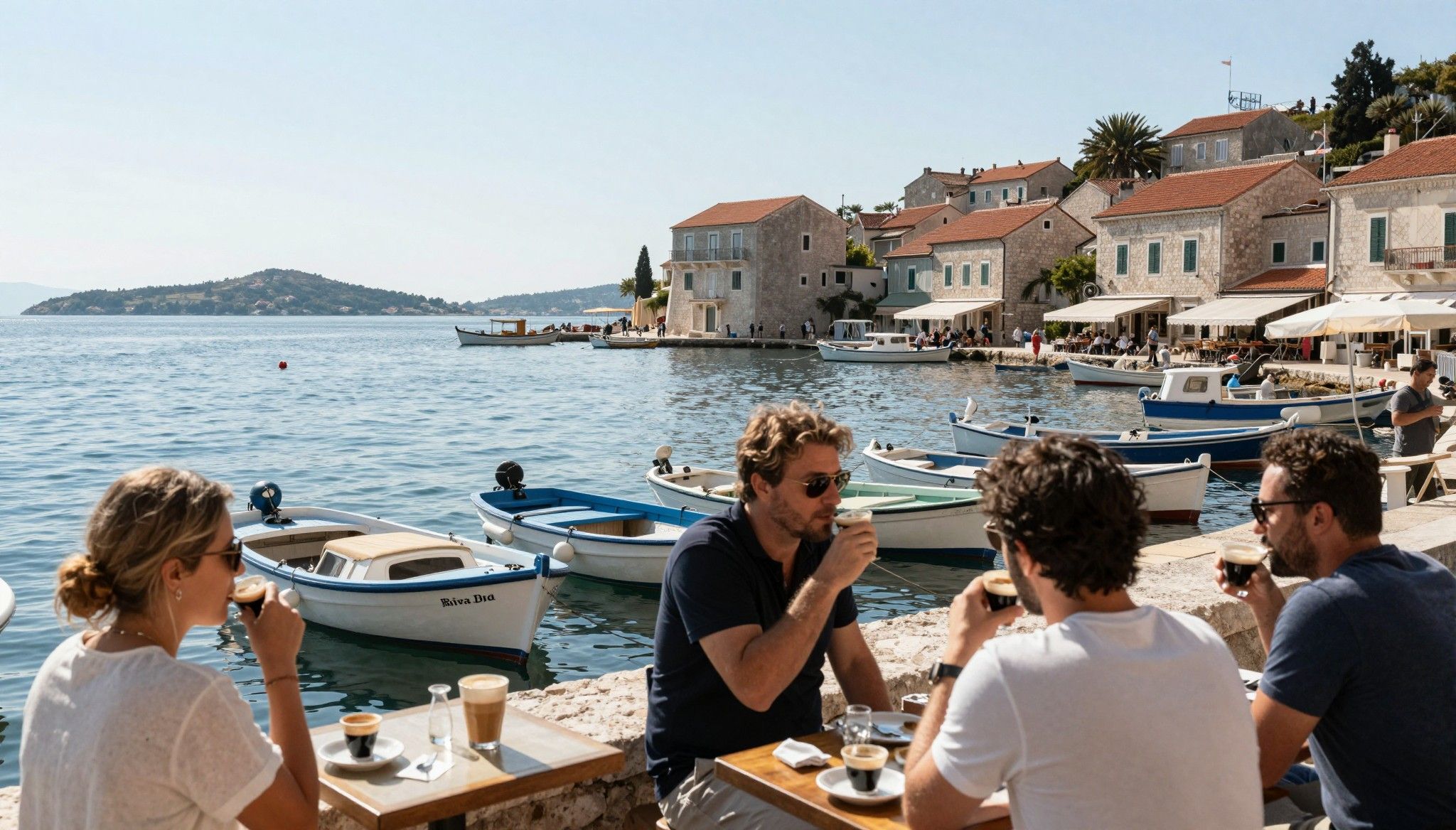
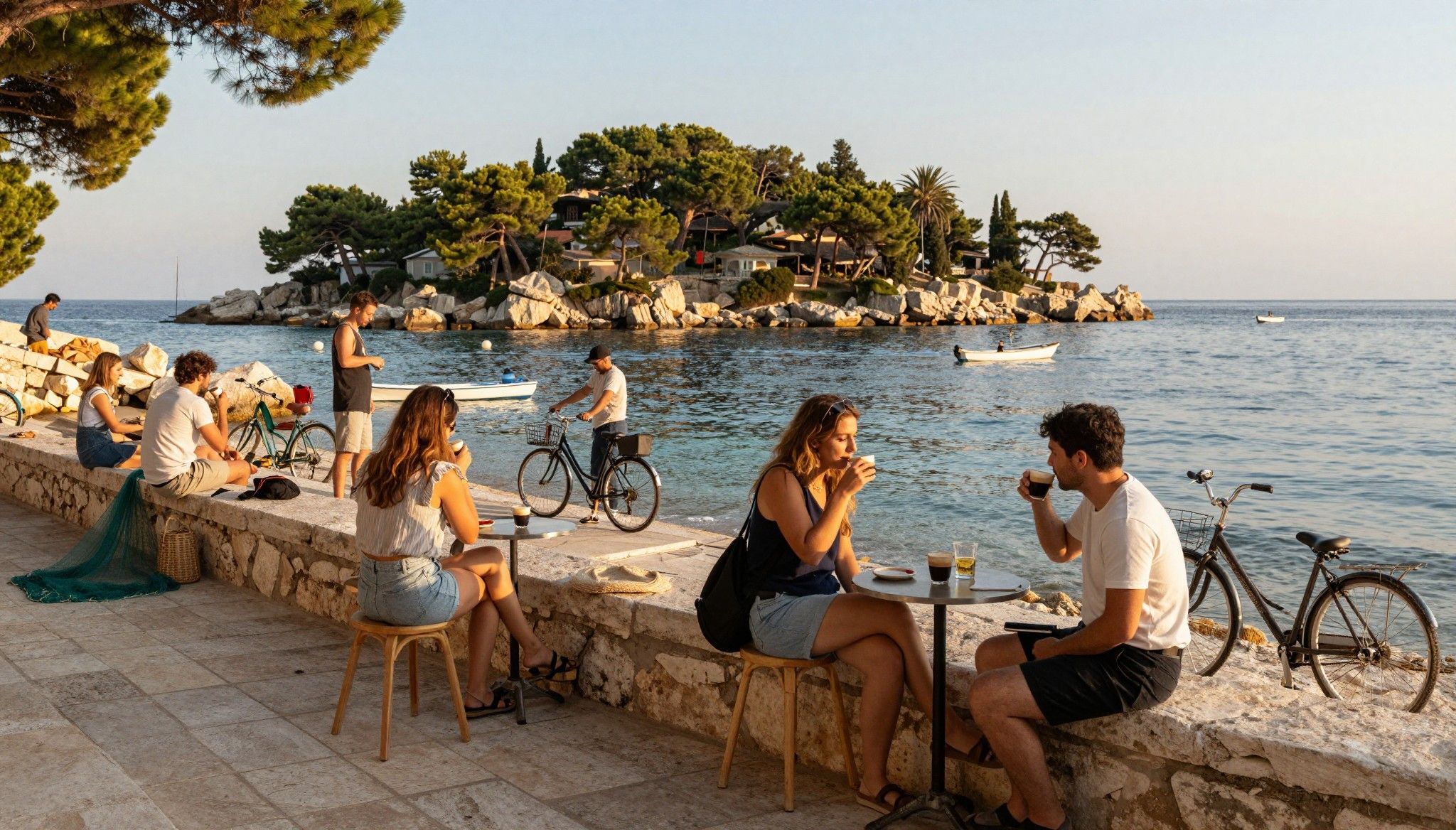
Imagine waking to the salt-sweet air of an Adriatic morning, strolling past a baker in Split’s Varoš, then pausing for espresso on a sun-warmed stone bench near Diocletian’s Palace. Croatia is both island-dotted holiday poetry and quietly practical day-to-day life: fishermen mending nets at dawn, markets brimming with figs and fresh fish by noon, and olive groves softening hillsides as evening falls. For international buyers who care for land as much as lifestyle, Croatia offers an unusually intimate relationship between home and habitat — if you know where to look and how to move with the seasons.
Living the Croatia lifestyle
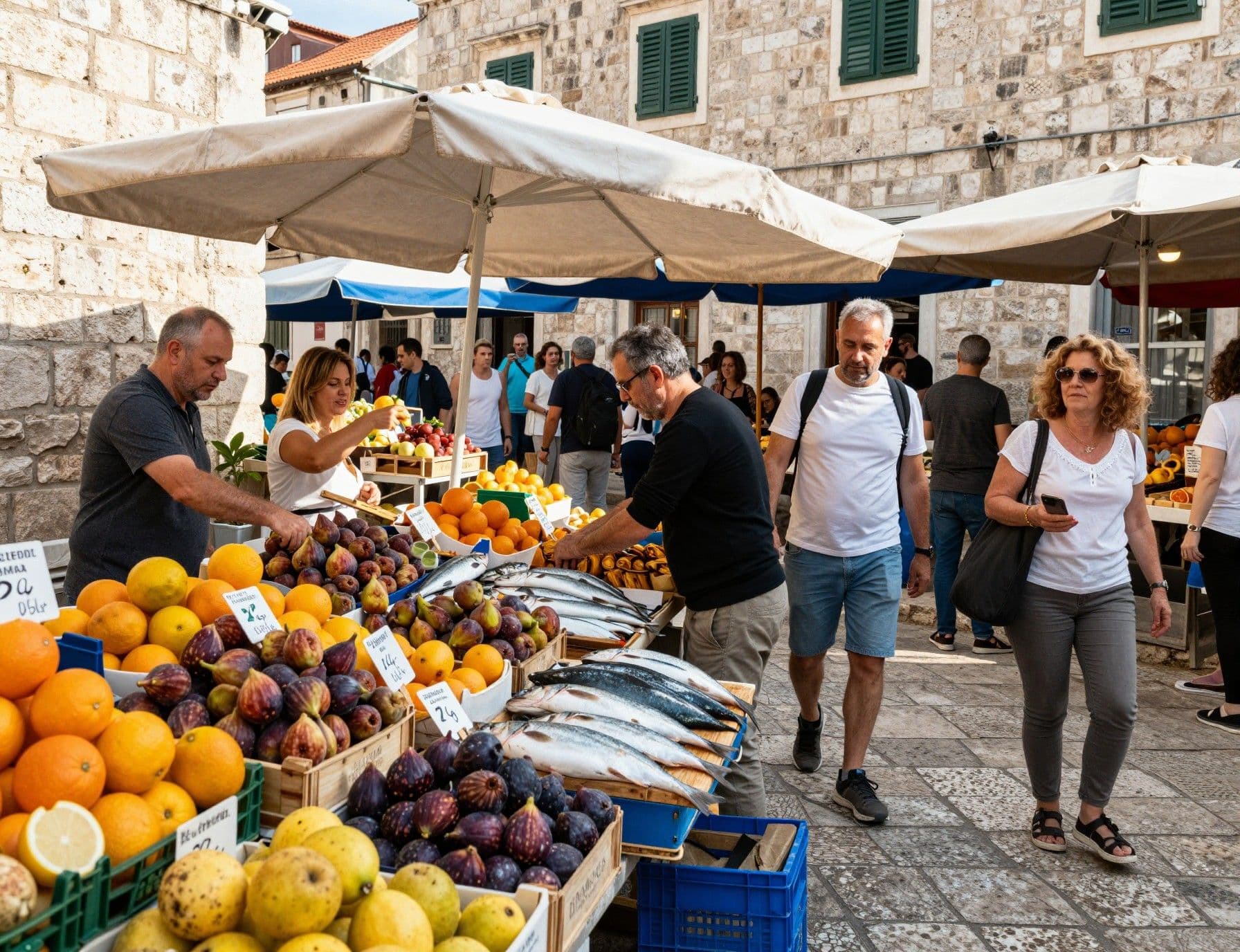
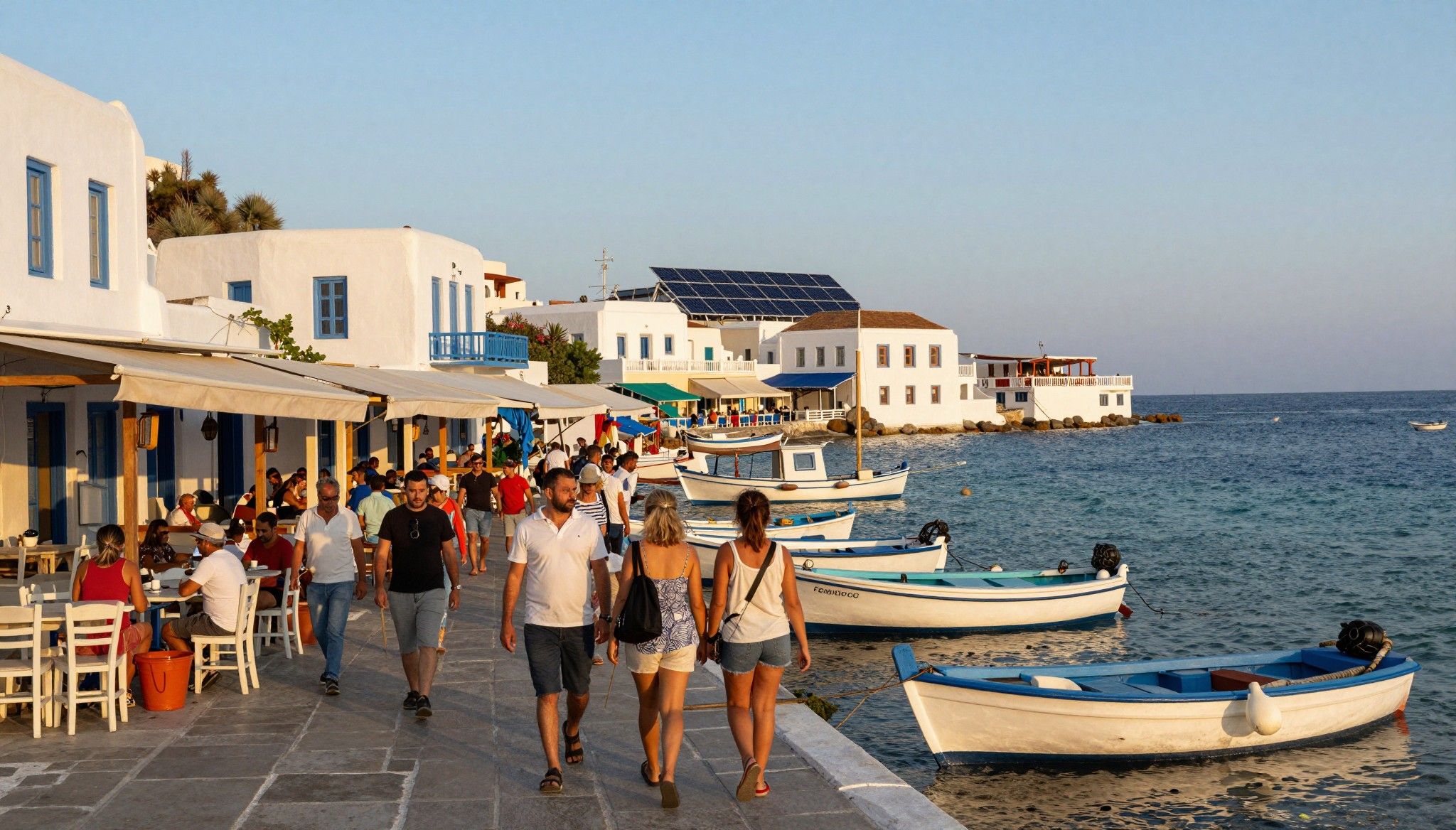
Life here is tactile and seasonal. Summers pulse along the Dalmatian coast — evenings spilling onto riva promenades in Hvar or Zadar — while inland Istria and the hinterland offer forested quiet, truffle-hunting weekends and stone houses warmed by wood-burning stoves. Mornings often begin with mercato rituals: kupus, citrus, and the slow choreography of vendors setting out their produce. That rhythm shapes the kinds of properties that sing here: courtyard homes that capture breezes, terraces that become kitchens in summer, and adaptive restorations that respect old stone and local craft.
Coastal neighborhoods and island pockets: where sea becomes daily life
In Split, small streets of Varoš and Meje feel lived-in rather than tourist-lit; you can buy cheese from the same woman every Saturday and still be half a minute from the sea. On Hvar, sleepy lanes behind the main square hold artisans and homes with shutters that smell like sun and thyme. In Istria, Rovinj’s cobbled alleys and the hilltop villages of Motovun reward slow discovery and lend themselves to restorative renovations rooted in local stone and oak beams.
Food, markets and the year-round table
Eating in Croatia is a map of place: black Istrian truffles in autumn, coastal grilled sardines on a paper plate by the harbor, and hearth-baked peka in family homes inland. Local markets — Dolac in Zagreb, Pazar in Split — are stage and pantry, and many buyers tell us that access to a weekend market was as decisive as sea view. Sustainable buyers often prioritise properties with garden space for citrus and herbs or room for a small olive press: it’s lifestyle and stewardship in one gesture.
- Lifestyle highlights to sample before you buy:
- Morning at Dolac market, Zagreb — vivid produce stalls and coffee culture that reveal the city’s quieter, local rhythms.
- A bike ride across the Stari Grad plain (UNESCO) to explore island agriculture and ancient terraces that show how to live lightly on the land.
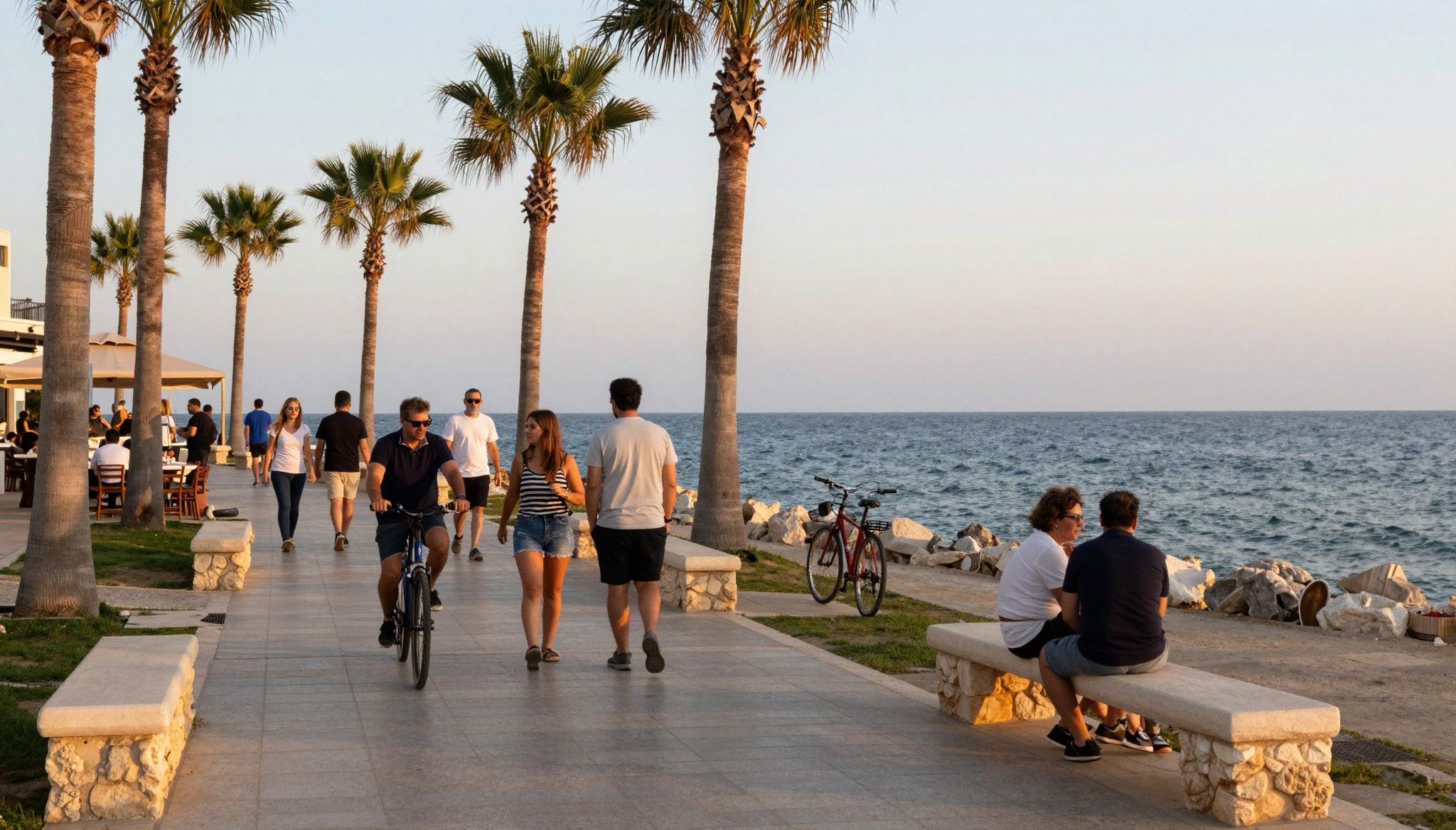
- Sunset aperitivo on Zadar’s waterfront while the Sea Organ plays — an evening ritual that makes coastal living cinematic rather than theatrical.
Making the move: practical considerations that respect place
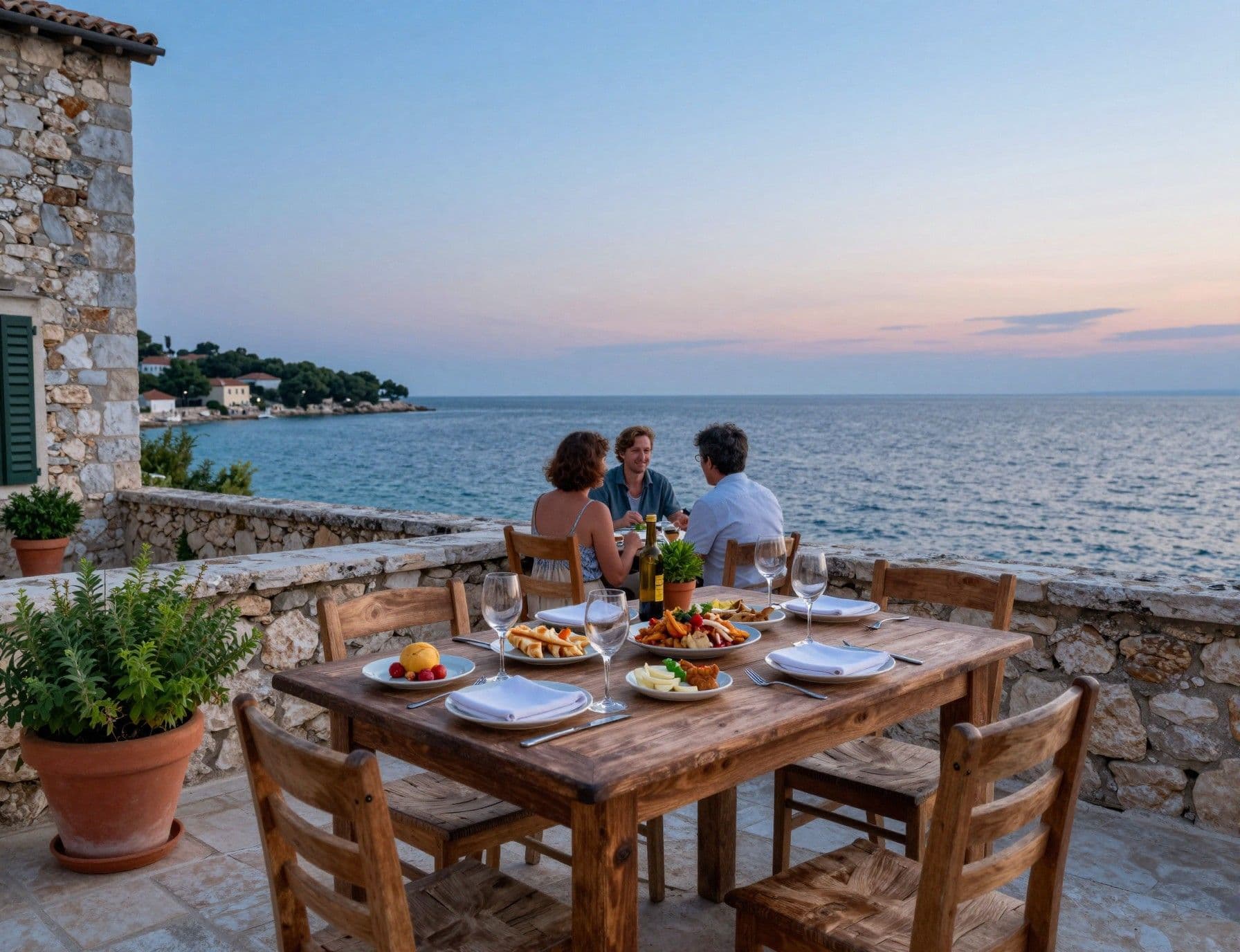
Your daydream must meet local reality: Croatia’s housing prices and market rhythm are shaped by tourism flows, regional disparities and recent cooling in transaction volumes. Government statistics show rising prices in many coastal counties while inland areas remain more affordable; understanding those patterns helps you match a lifestyle to a budget and avoid the common coastal-only gaze that prices out many sustainable renovations.
Property styles and how they affect life
Stone houses with thick walls keep interiors cool in summer and, when carefully retrofitted, can host heat pumps and insulation without losing character. New-builds on the fringes of Zagreb or Split may offer solar-ready roofs and modern insulation, while island cottages prize natural ventilation and rainwater awareness. Choose the type of dwelling that complements how you want to live: courtyard gardens for seasonal eating, terraces for social summers, or compact urban flats for cafe-life immersion.
Working with local experts who care about sustainability
Find agents and architects who understand traditional materials and modern green retrofits. Local notaries, surveyors and planners will be indispensable for reciprocity requirements and title checks — and a sustainability-minded architect can translate terracotta roofs and stone walls into low-energy comfort. An agent who knows the quiet inland lanes as well as the riva will help you prioritise lifestyle factors that survive market swings.
- Steps to balance lifestyle and practical purchase:
- Visit in at least two seasons — late spring and late autumn reveal market reality beyond summer theatre.
- Ask for a fabric-first assessment: how the building breathes, opportunities for passive cooling/heating, and scope for solar or rainwater capture.
- Clarify legality early: Croatia applies reciprocity rules for foreign buyers, so check your country’s status and whether a local co-buyer or residency path is necessary.
Insider knowledge: what expats wish they’d known
Expats often tell the same tale: they fell for a postcard-perfect view, then discovered seasonal realities — ferry timetables, closed winter bakeries, or unexpected renovation needs. The smartest buyers couple romance with practical contingencies: a network of local tradespeople, clear energy plans for winter months, and a sense of seasonal social life so the house feels inhabited even off-peak. These are the small, everyday things that make a dream home endure.
Integration, language and daily belonging
Learning some Croatian opens doors beyond bureaucracy: the butcher will offer the best cut, neighbours will tell you about olive pests, and volunteers at local markets reveal seasonal harvests. Many towns host active expat groups (Zagreb, Split, Dubrovnik and Rovinj), but true rootedness comes from participating in festivals, volunteering for local clean-ups, and joining seasonal workdays in communal olive groves or vineyards.
Long-term lifestyle and stewardship
Croatia is moving toward a longer season and more year-round life in many areas, which changes the calculus for buyers: properties previously rented only in summer can now support longer stays and local services expand. Factor in community resilience — water management, wildfire awareness in coastal pine belts, and energy grid access — when choosing a home meant to endure and regenerate.
- Red flags and practical checks (don’t fall for the postcard):
- Unpermitted extensions that alter drainage or obstruct natural ventilation — these create costly retrofits and ecological harm.
- Properties advertised with ‘sea view’ but separated by busy roads or seasonal ferry schedules — check sound, access and real commuting times.
- Stone façades that hide moisture issues — request a moisture and structural survey and a plan for breathable insulation.
Conclusion — fall in love, then steward: Visit in different seasons, prioritise breathable buildings and local craft, and work with agents and architects who value place as much as profit. Croatia rewards patience: a home chosen with ecological care becomes a living, seasonal companion — olive trees that mature, terraces that host long dinners, and neighbors who know when to share figs. When you’re ready, an experienced local agency can translate that living vision into a careful purchase and a responsible future.
Danish relocation specialist who moved from Copenhagen to the Algarve; supports families with seamless transitions, local partnerships, and mindful purchases.