Limassol’s Price Myth: Green Value Where You Least Expect It
Limassol and inland Cyprus hide green value behind price myths—learn sensory, sustainable buying steps and data-backed local tips to make a confident move.
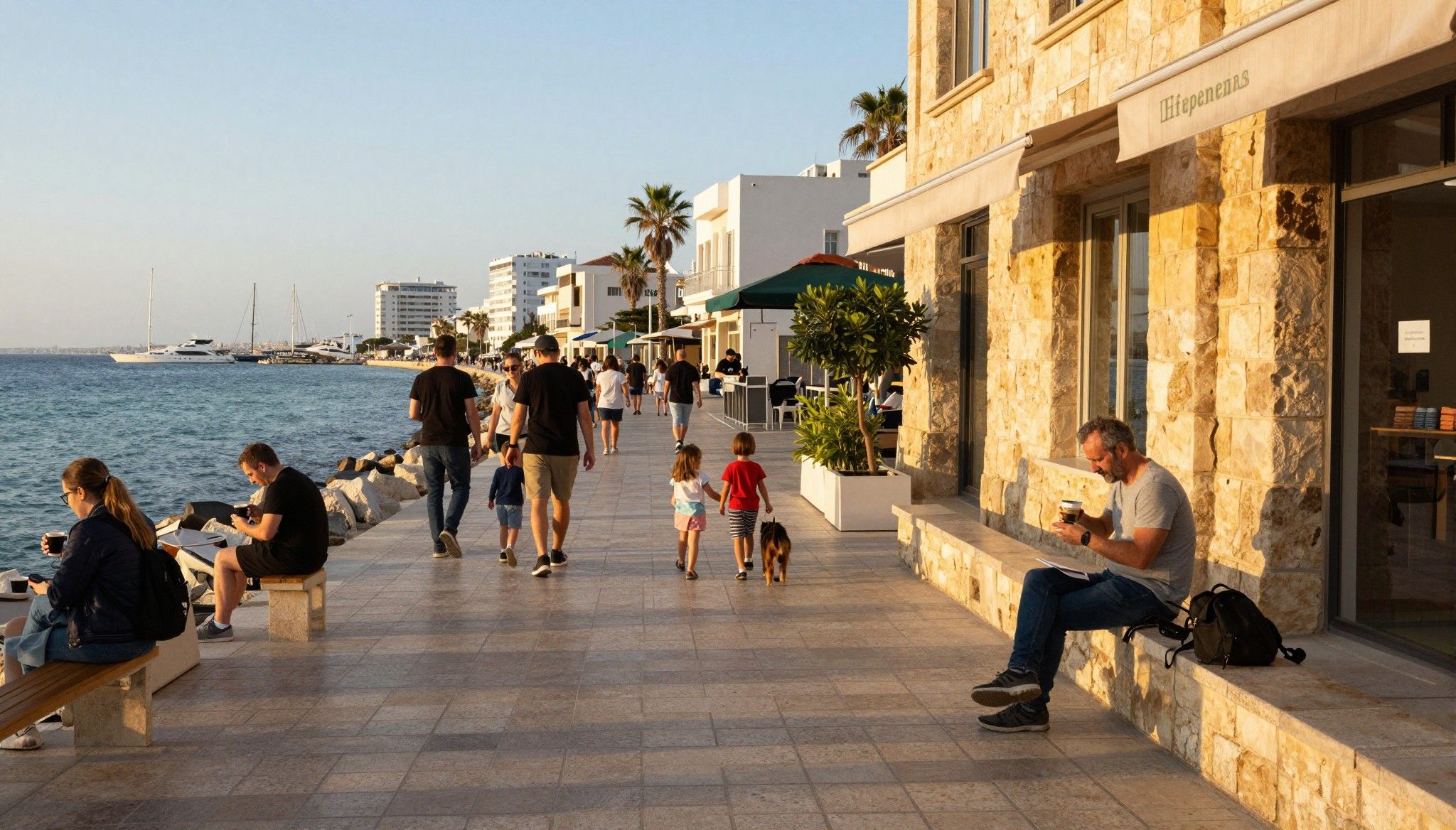
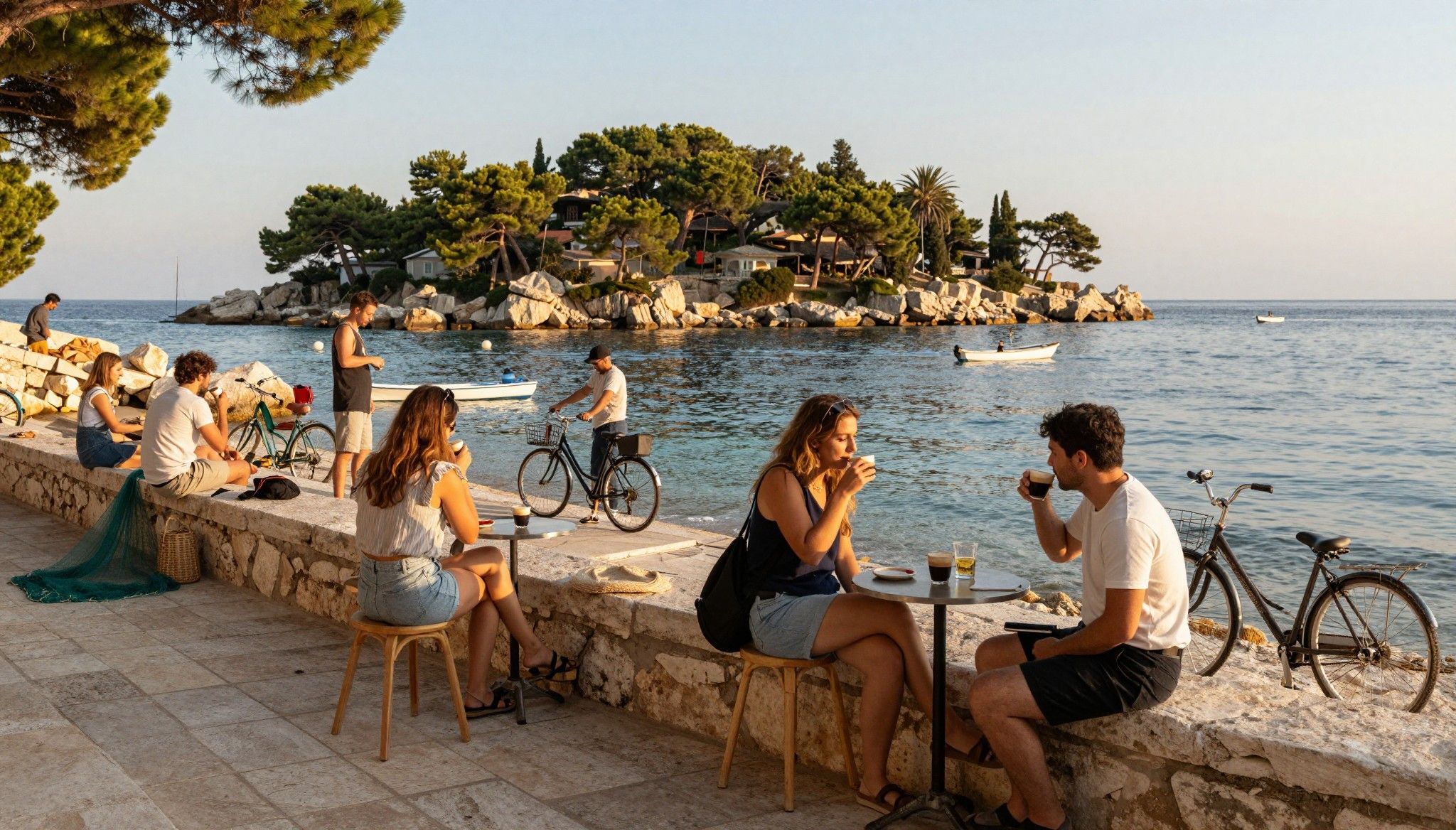
Imagine a morning in Limassol: espresso steam fogging a hand-painted cup at To Kafeneio on Agiou Andreou, bougainvillea threading a stone balcony, and the sea a soft, constant presence. That warmth — community markets, late-night tavernas, the particular hush of mountain villages like Platres — is what draws people here, not spreadsheets. For many international buyers, Cyprus is a promise of sunlight, sea and slow rhythms; for eco-minded buyers, it’s also an invitation to live lightly, with solar roofs, olive orchards and terraced gardens. But the real estate conversation often starts with price myths instead of the life you want. Let’s flip that script and look at where value and sustainability quietly meet in Cyprus.
Living Cyprus: a sensory map of daily life
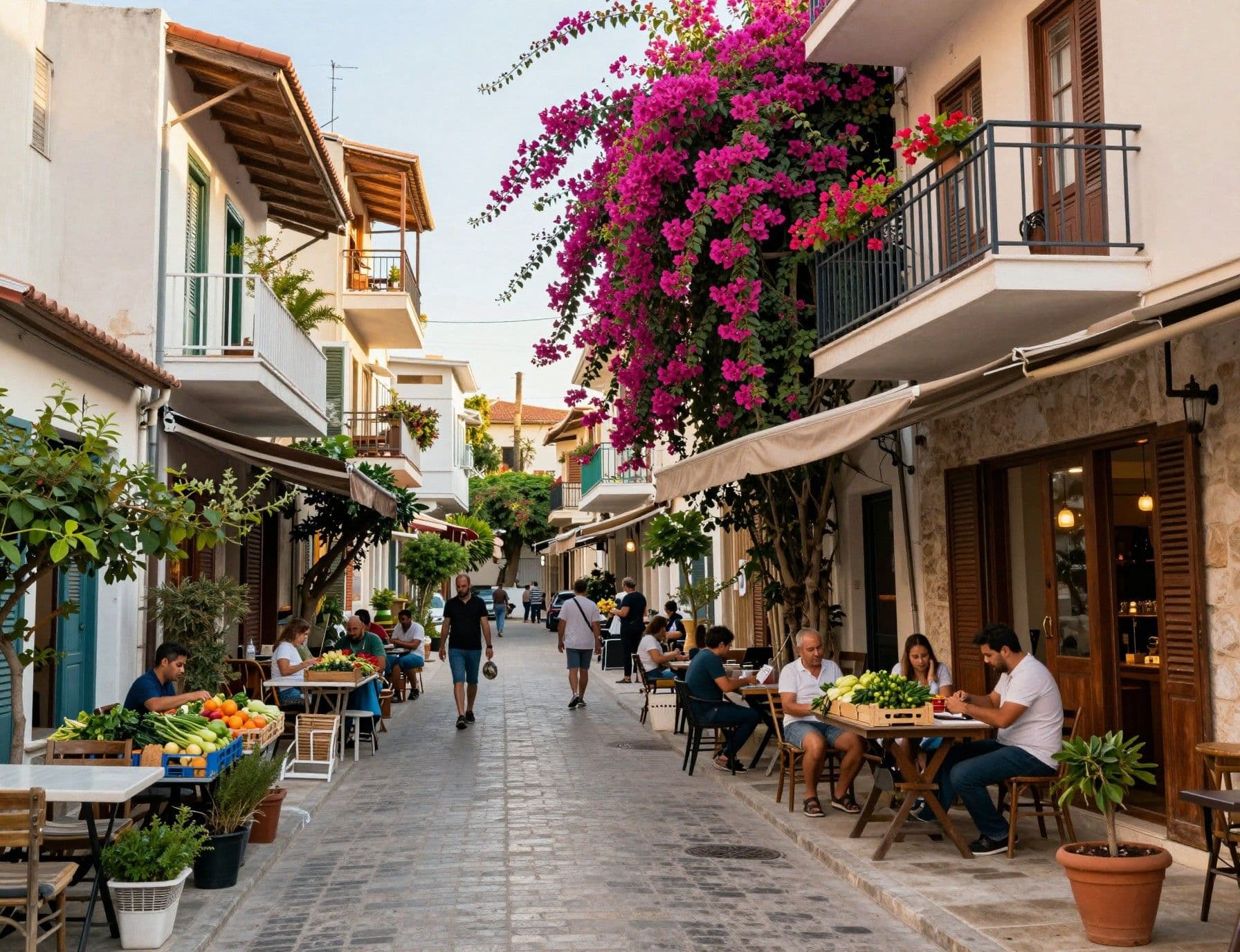
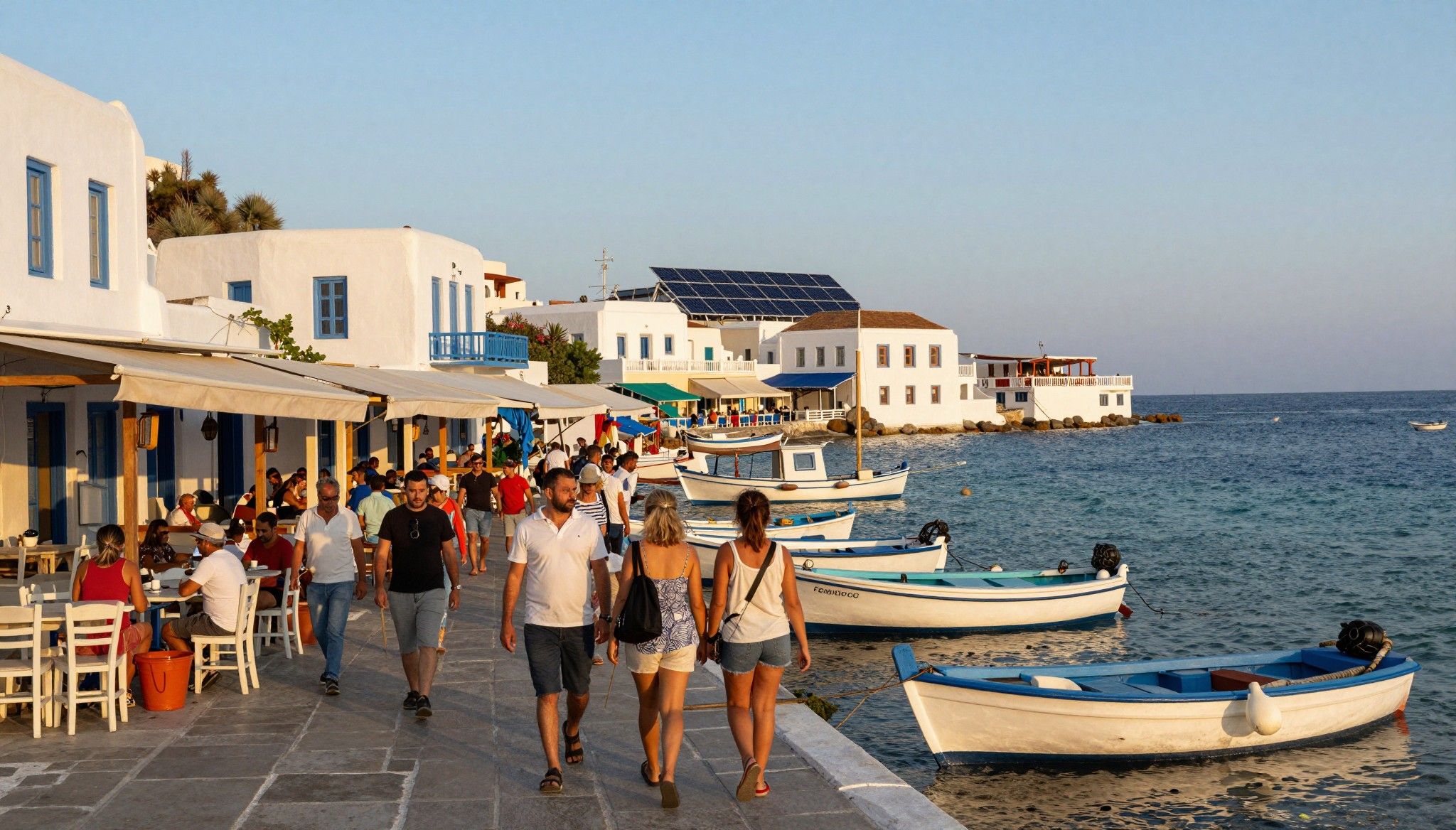
Walkable mornings and long dinners shape how Cypriots live: you’ll hear church bells in the hills and the clack of café conversation by the sea. Coastal towns (Limassol, Larnaca, Paphos) pulse with seaside life — yachts, promenades, fish tavernas — while inland villages cling to traditions: wood-burning ovens, stone-built homes and communal markets. The island’s light changes how interiors are lived in; wide terraces, shutters and pergolas are practical features that become daily rituals. If you want a place that feels lived-in, with seasons and neighbours who know your name, Cyprus delivers in ways only time on the ground reveals.
Limassol’s mixed rhythm: port, lanes and quiet pockets
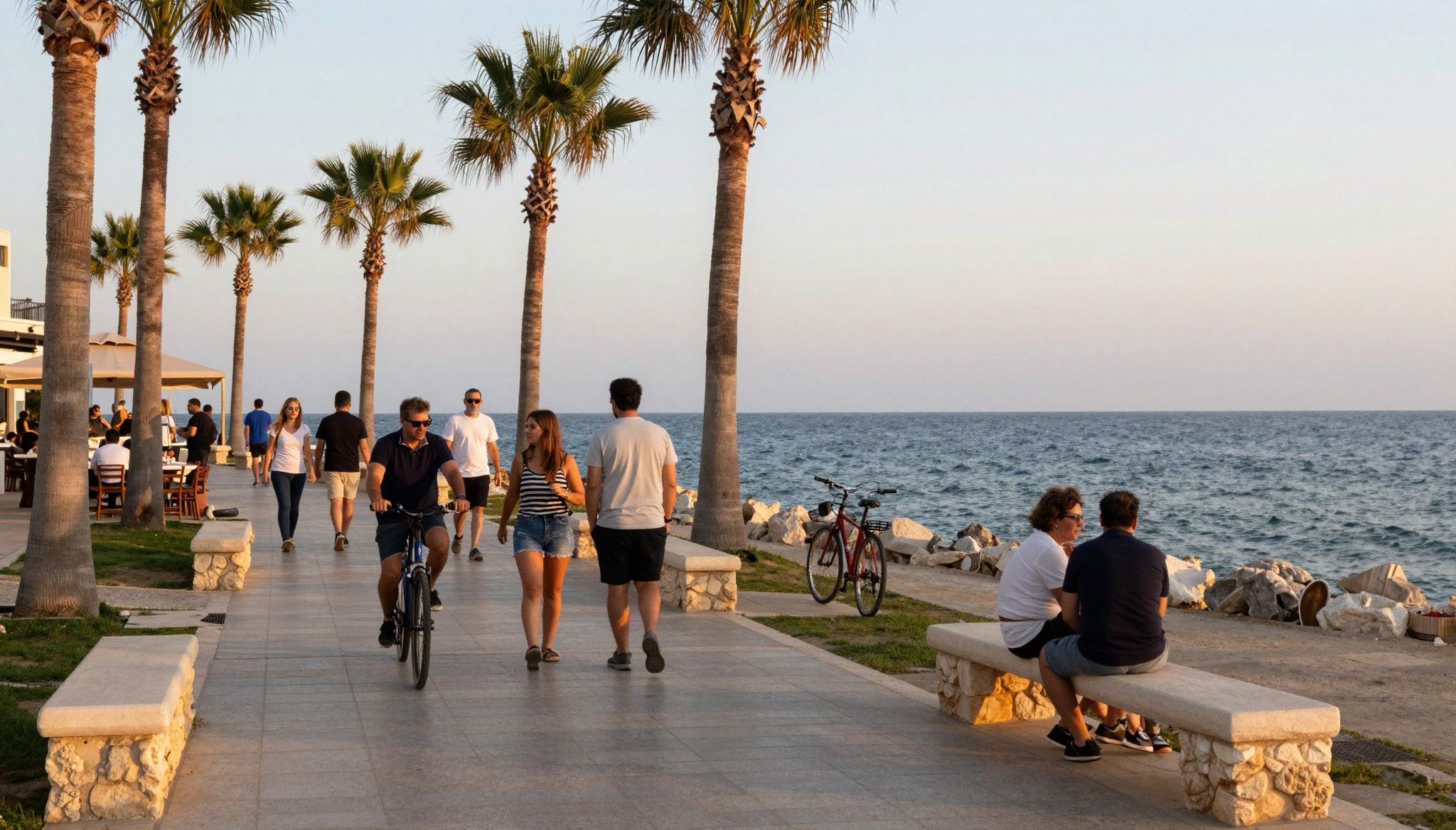
Limassol can feel like two places at once: a cosmopolitan seafront with marinas and modern developments, and an old town of narrow lanes, citrus trees and neighbourhood cafés. Look off the beaten track — streets around Agiou Andreou and the old Molos promenades have small gardens, pocket parks and a scale that feels residential rather than ‘high-end showpiece’. For green buyers, this means you can find homes that already embrace outdoor living without paying premium waterfront taxes. The secret is knowing which streets preserve community life rather than purely speculative development.
Paphos and Troodos: vineyard light and cooler summers
Paphos offers a quieter coastal tempo with a surprising number of restored stone houses and pocket vineyards nearby, while Troodos mountain villages like Omodos and Kakopetria offer cooler summers and timber-lined streets. These places suit buyers chasing restorative landscapes, olive groves and opportunities for regenerative garden projects. Homes here often allow for permaculture plots, water-wise gardens and traditional stone roofs that perform well in the island’s climate. If your vision includes on-site produce and a slower calendar, inland Cyprus is quietly generous.
Making the move: practical considerations tied to lifestyle
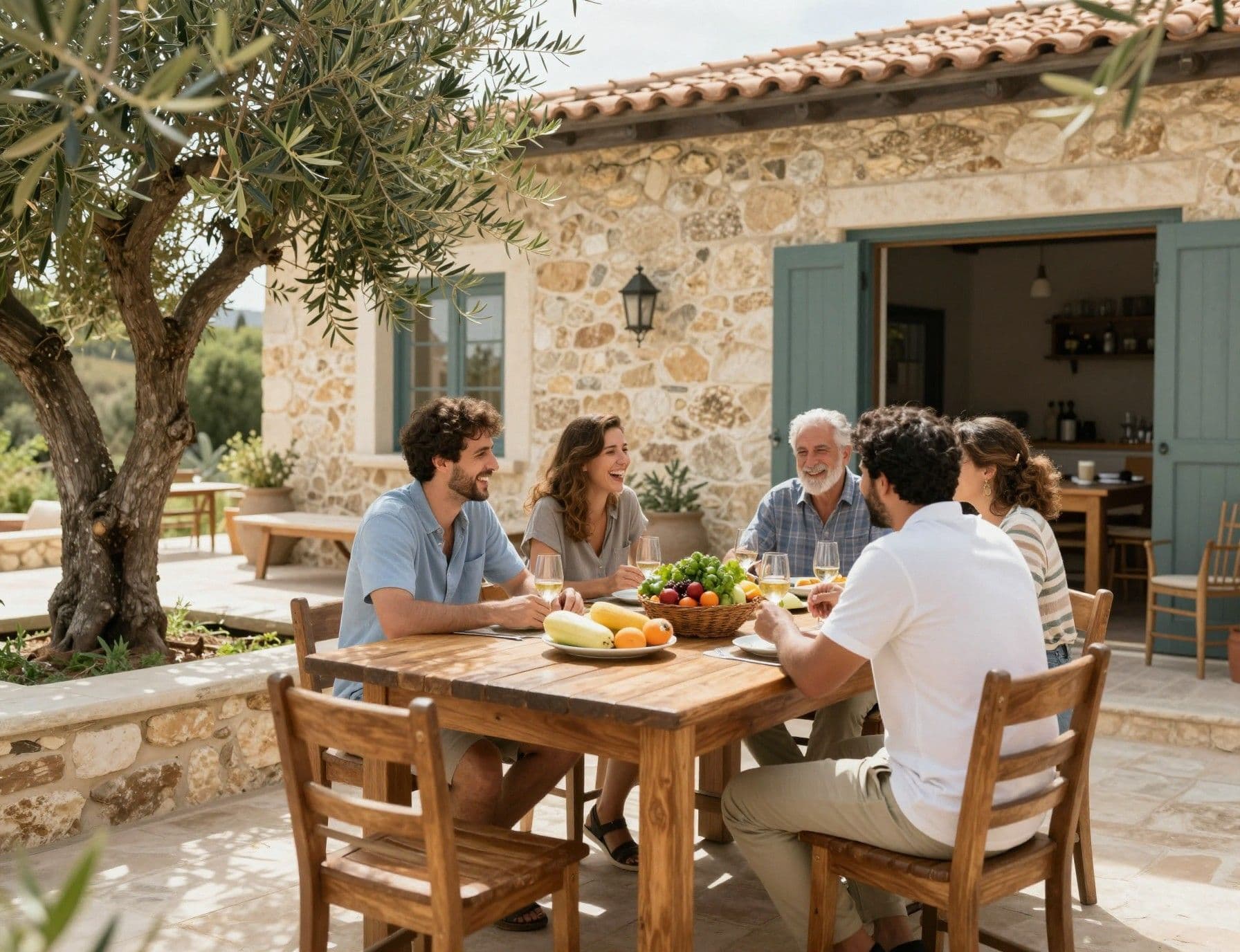
The dreamy parts connect directly to practical choices: the climate dictates building materials, local planning rules shape outdoor spaces, and market cycles affect when you get the best value. Market data from the Department of Lands and Surveys show steady transaction volumes and rising sales figures in recent years, especially in coastal hubs. Industry reporting highlights record activity in 2024–2025, meaning stock moves quickly in popular neighbourhoods; that’s both an opportunity and a warning for buyers who prize sustainability features and time to inspect homes properly. Bringing a lifestyle checklist to viewings — energy systems, water capture, native planting — keeps you anchored to what matters beyond square metres.
Property styles and how they shape daily life
Modern coastal apartments often emphasise views and balconies, but they can lack the garden or fruit trees vital for a permaculture project. Traditional stone houses in villages offer thick walls and thermal mass that cool interiors naturally but may need upgrades for insulation or plumbing. New eco-developments increasingly advertise solar-ready roofs and rainwater systems; insist on specifics — panel capacity, battery storage, greywater reuse — rather than hopeful language. Choose the property type that complements your daily rituals: morning sea swims need easy access to the shore, while a self-sufficient garden needs land and water rights.
How to vet lifestyle fit with local expertise
Working with local agents and specialists isn’t only about legal paperwork — it’s about local knowledge: which streets have a morning market, where the municipal trees are protected, which neighbourhoods tolerate short-term rentals, and which pensions and co-op programmes support renewable retrofits. Good local advisors will show you the microclimate differences between a sea-facing street and a shaded lane, and explain water provision nuances for hillside plots. Treat your advisory team as cultural translators: they help match the day-to-day life you imagine with concrete property choices and sustainable upgrades that actually work here.
Insider knowledge: expat lessons and green tradeoffs
Expats often tell the same story: you fall for a place first, then learn the practicalities second. A common surprise is energy dynamics — Cyprus has expanded solar rapidly but has also faced curtailment and grid limitations some years, which affects how worthwhile battery systems and on-site generation can be. That nuance matters if your goal is energy independence or low running costs. Local experience also reveals softer realities: property maintenance rhythms (lime-washing, pergola upkeep), how summers push life outdoors at dusk, and how neighbours become part of your eco-practice (shared gardens, composting).
Cultural cues that change where you buy
Language is friendly here — English is widely spoken — but local customs shape neighbourhood life: weekly market cycles, saint’s day celebrations, and an easy tolerance for outdoor cooking and late dining. These rhythms affect noise, privacy and the kinds of communal spaces that thrive. If you value quiet mornings, look for streets away from kafeneia clusters and seasonal tourist loops; if you want community gardening, seek villages with active municipal programmes and cooperative associations. Paying attention to social rhythms will help you choose a block where your lifestyle fits naturally.
Practical green tradeoffs to expect
Solar-ready roofs can be cheaper than distant beachfront locations, but grid constraints mean you should verify export rules and incentives before assuming instant savings. Older stone houses require careful retrofit to preserve character while improving efficiency — that takes time, artisan skill and municipal permits. Water-wise landscaping reduces bills and supports biodiversity, yet may require initial investment in cisterns and drip systems. These tradeoffs are normal; the important part is matching them to your long-term lifestyle, not short-term market fads.
Lifestyle highlights to look for on viewings
• Morning markets: Paphos Old Town market and Limassol Municipal Market for fresh produce and community rhythm • Streets: Agiou Andreou (Limassol) for cafés; Kennedy Avenue for sea promenades • Beaches: Lady’s Mile for long walks; Pissouri Bay for tucked-away swimming • Mountain escapes: Troodos villages like Omodos for village festivals and vineyards • Local cafés: To Kafeneio (Limassol old town) and Ayia Napa’s quieter corners for off-season charm • Green projects: look for homes near municipal parks or community gardens
A simple 4-step check before you bid
1. Walk the street at dawn and dusk to sense noise, neighbours and outdoor life. 2. Ask for bills: electricity, water and communal fees to confirm running costs and any heating/AC patterns. 3. Confirm planning history and any green incentives (solar grants, water cistern permissions) with the municipality. 4. Bring a local builder or eco-retrofit consultant to estimate realistic upgrade timelines and costs.
Conclusion: Cyprus asks you to choose a life, not just a view. The island rewards patience: a modest inland courtyard can deliver richer daily rituals than a flashy seafront apartment, especially for buyers who care about ecological stewardship. Match your property search to how you want to feel each morning — sun on the terrace, markets in easy reach, trees you can harvest — and use local expertise to translate that feeling into durable choices. When you align lifestyle with practical checks, Cyprus becomes more than a purchase; it becomes a place to steward.
British expat who traded Manchester for Mallorca in 2017. Specializes in guiding UK buyers to luxury Spanish estates with clear navigation of visas and tax.