Greece: Live the Rhythm, Buy with Stewardship
Fall in love with Greece’s rhythms — then buy with stewardship: seasonal living, local rules and market data show why lifestyle choices must guide purchase decisions.

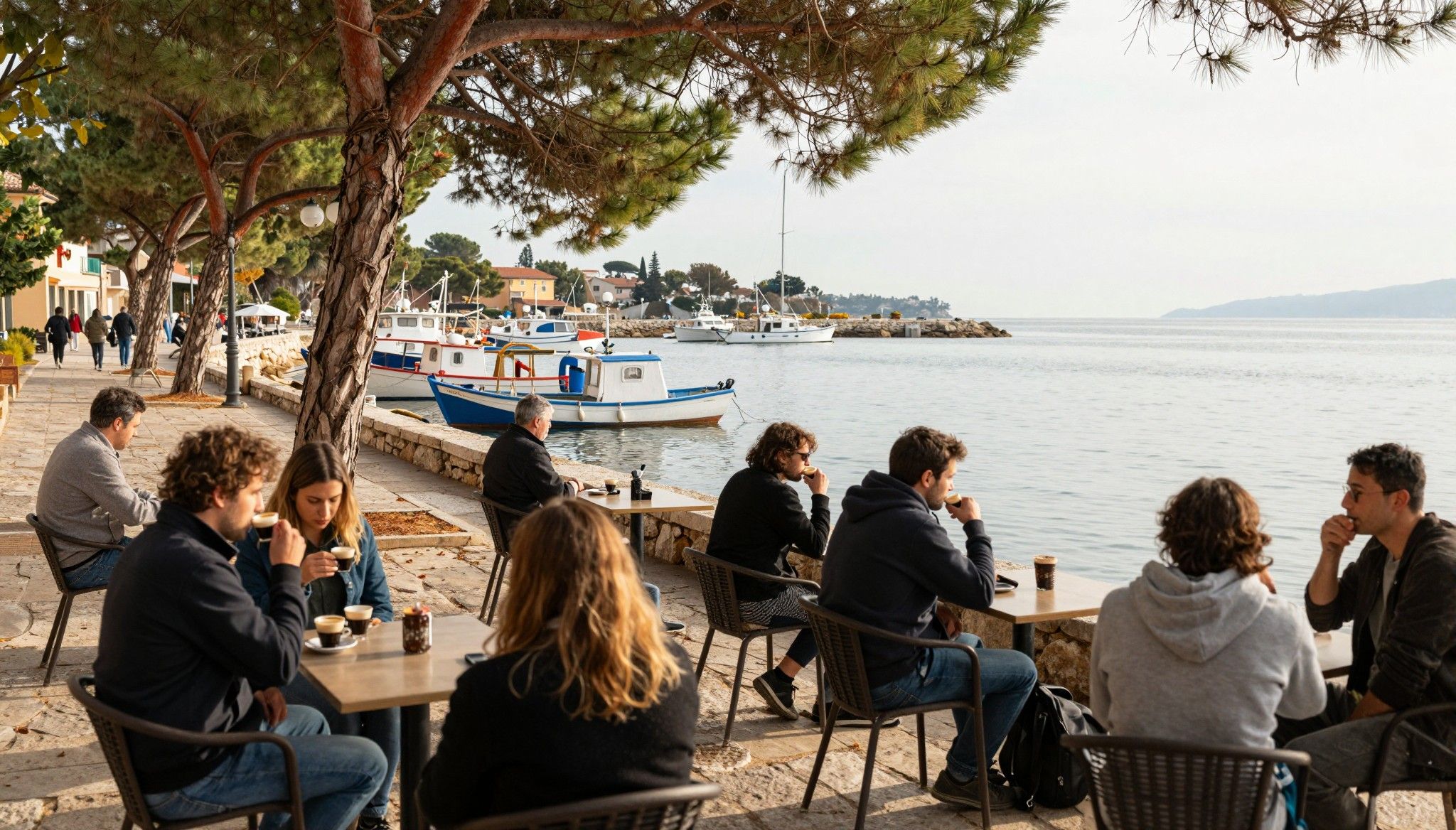
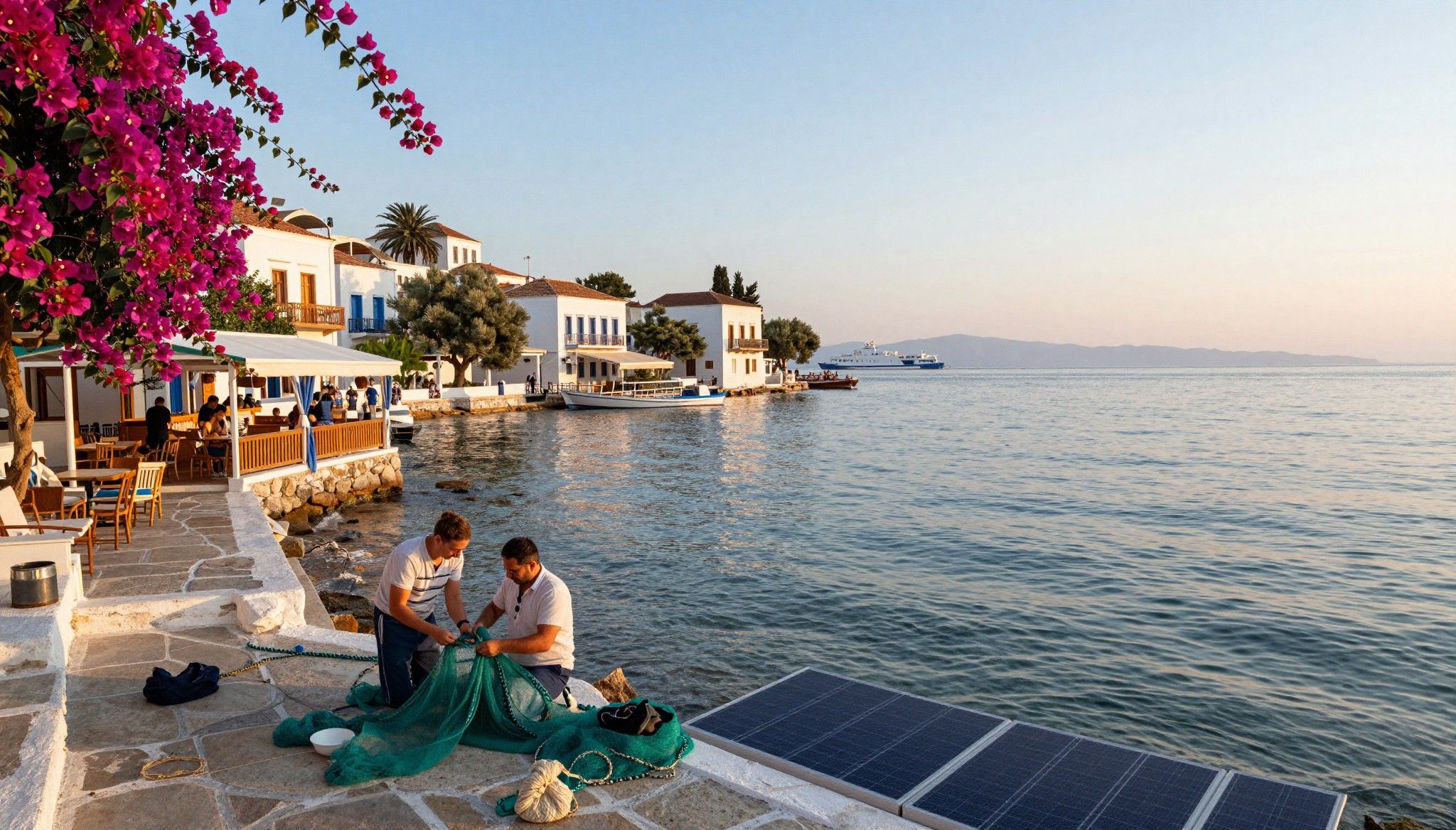
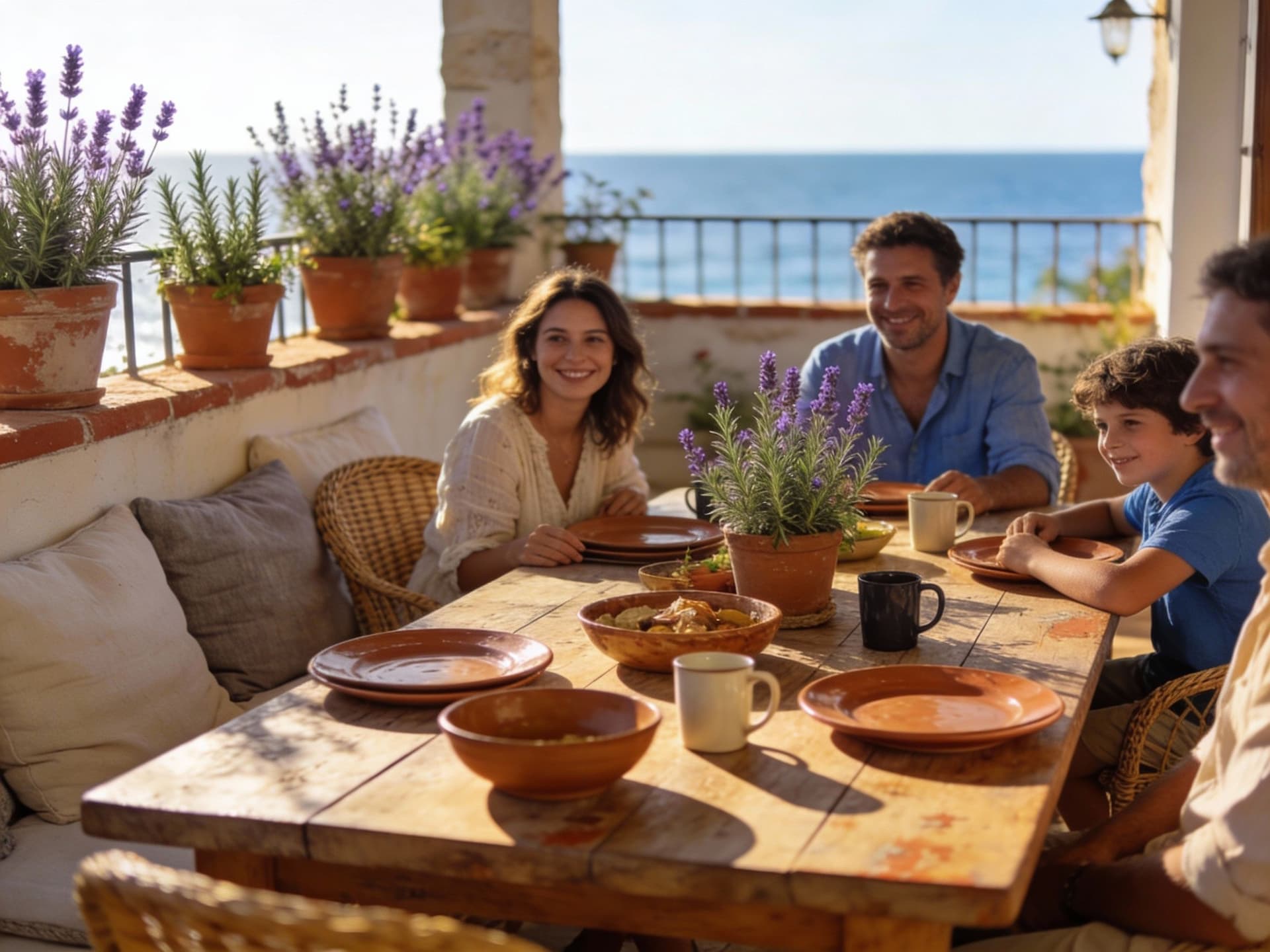
Imagine sipping an espresso at a small marble table on a quiet Athens side‑street as morning light softens neo‑classical facades, or waking to sea air on a Cycladic terrace where bougainvillea frames the view. Greece moves with season and story: market mornings, late‑night kafeneio conversations, the smell of wood smoke in mountain villages, and an island pace that stretches time. For many international buyers the dream is equal parts sunlit ritual and rooted, low‑impact living — but turning that feeling into a home requires practical, place‑specific choices.
Living the Greece lifestyle
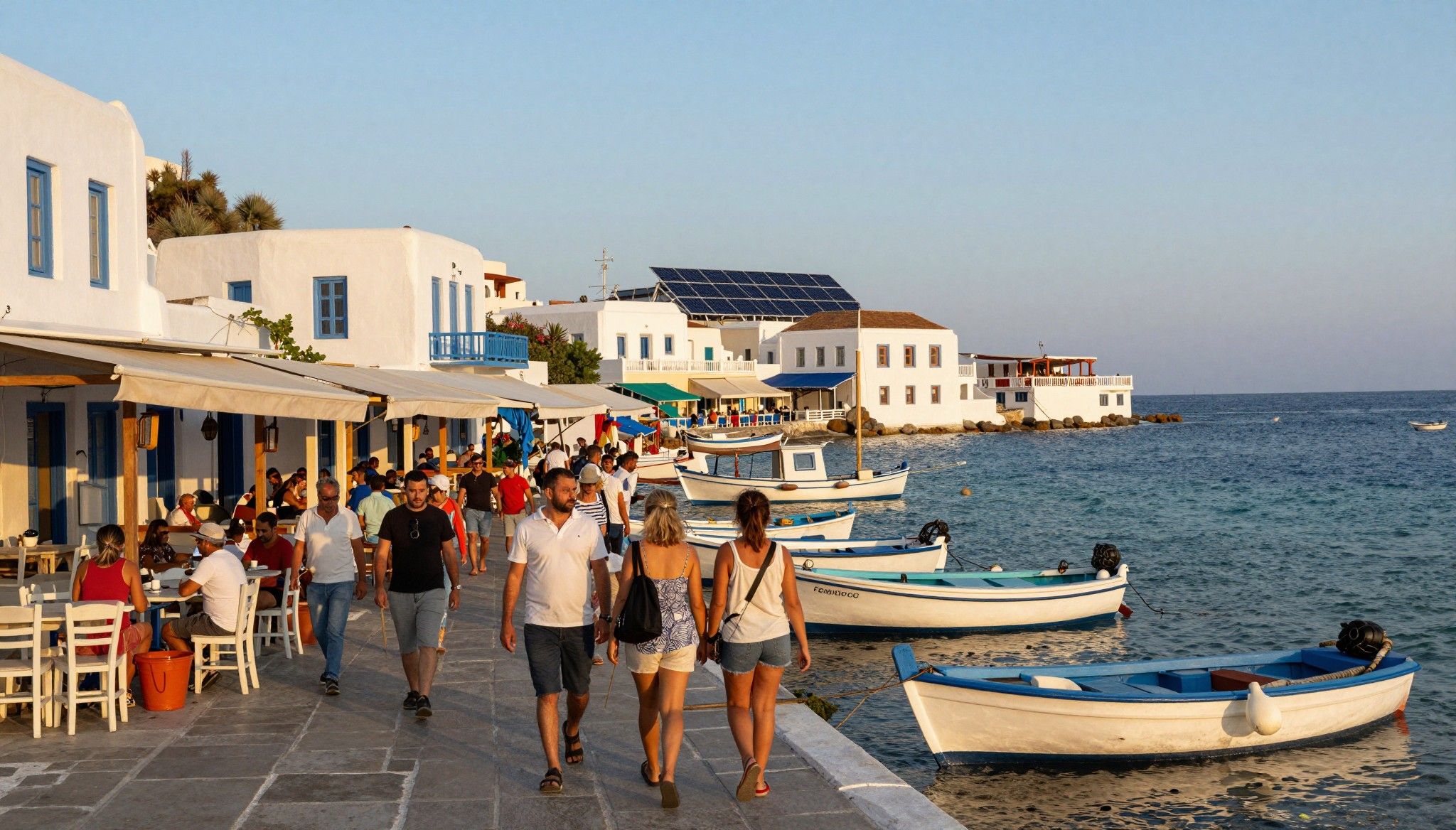
City mornings in Athens differ from island afternoons in Paros or the olive‑grove stillness of Messinia. Streets matter: Plaka hums with tourists and history, Koukaki smells of coffee and late dinners, while Kifisia offers leafy squares and boutique bakeries. On the islands, villages like Naoussa (Paros) or Chora (Naxos) balance tavernas and wind‑tamed lanes. Each place shapes daily rituals — where you buy influences whether you trade nightlife for slow coastal walks, or neighborly markets for museum corridors.
Neighborhood notes: Athens and beyond
If you crave urban energy with a cultured beat, Koukaki and Kerameikos put you near galleries and cafés with easy access to the Acropolis. For calmer suburban green, the southern suburbs (Glyfada, Voula) offer sea promenades and international schools. Thessaloniki’s Ano Poli offers stone alleys and a slower city rhythm, while villages in Peloponnese or Crete promise olive trees, community rituals, and evenings that revolve around shared food and moonlit plazas.
Food, markets and seasonality
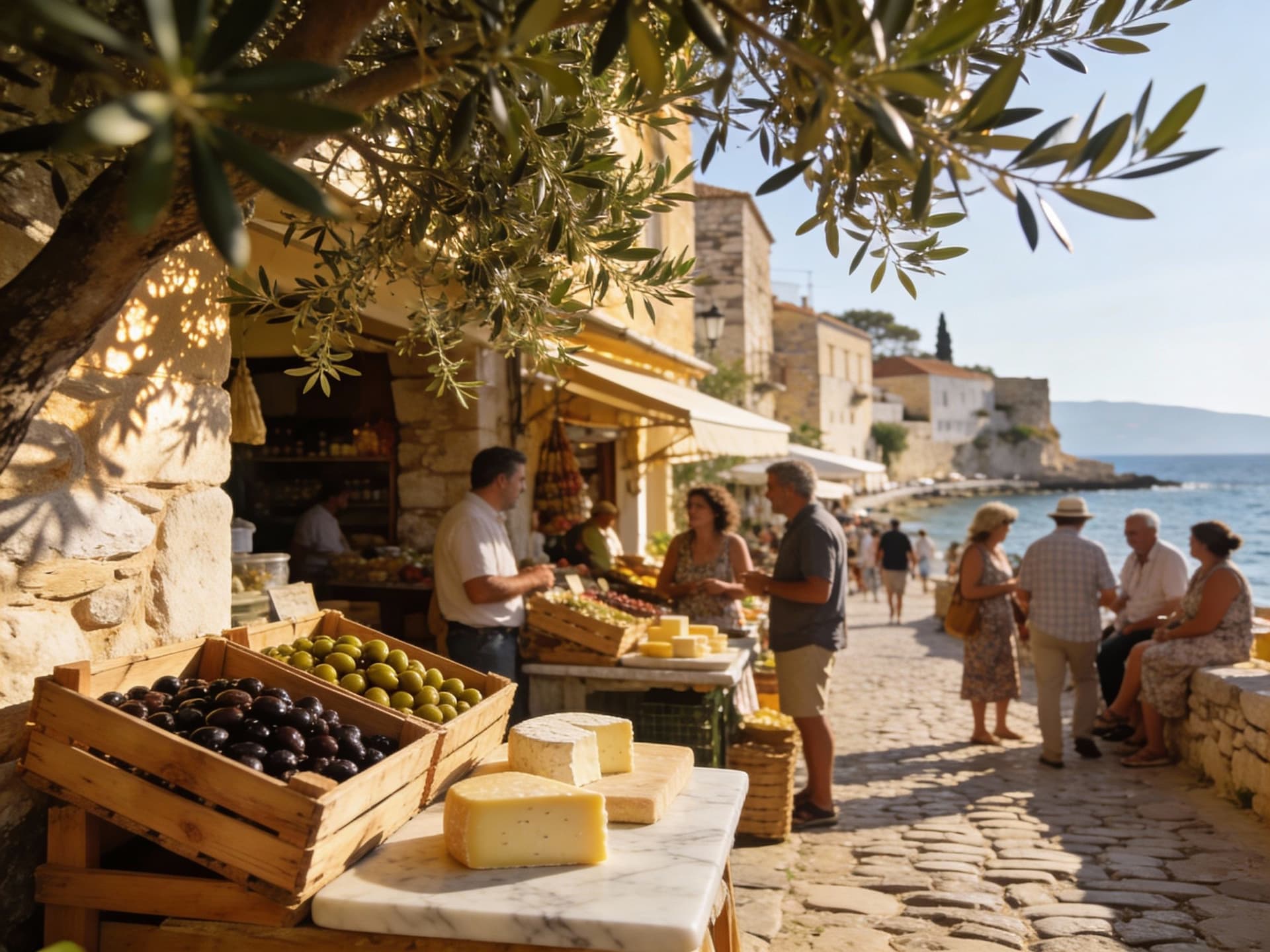
Greece’s heartbeat is local food: morning fish markets in Piraeus, farmer stalls in Chania, and neighborhood bakers doing hour‑by‑hour tsoureki and koulouri. Seasonal life matters — spring brings wild greens and lemon blossom, late summer yields figs and tomatoes, and autumn is olive‑pressing time. These patterns shape gardening choices, outdoor kitchens, and whether a terrace or interior courtyard becomes the home’s social center.
- Lifestyle highlights to look for
- Daily espresso at a corner kafeneio (Koukaki, Athens)
- Sunday markets in Chania and local olive oil tastings
- Evening shore walks in Glyfada or the Cyclades’ coastal lanes
- Village festivals (panigyria) where food, music and community mix
Making the move: practical considerations
Dreams meet documents. Greece’s market has been rising — multiple indexes show double‑digit asking‑price growth in parts of 2024–2025 — so budget realistically and plan for fees, taxes and seasonal maintenance. Practicalities like obtaining an AFM (Greek tax number), legal title checks, and confirming building permits are essential early steps; a local lawyer and agent who understand both lifestyle fit and legal nuance are worth their weight in olive oil.
Property styles and lived experience
Stone village houses, Cycladic whitewash homes and Athens apartments each come with different maintenance, energy and seasonal demands. Old stone homes offer thermal mass and charm but often need upgraded insulation and plumbing. New builds may include solar pre‑wiring or heat pumps, reducing long‑term bills. Match property type to how you’ll live: are you year‑round or seasonal? Do you want a garden to grow food, or a low‑maintenance pied‑à‑terre?
Working with local experts who respect place
Choose agencies and lawyers who understand seasonal living, green retrofits and local customs. A good agent will show you how neighborhood features — morning shade, prevailing winds, local water access — affect comfort and energy use. Ask for examples of renovated stone houses with insulation upgrades, or apartments with solar hot water systems. When sellers push cosmetic extras (rooftop jacuzzi!), an expert grounded in stewardship will refocus you on things that matter year‑round: insulation, water storage and simple passive cooling.
- Six lifestyle‑forward practical steps
- Get a local AFM and open a Greek bank account early — it streamlines transactions and tax matters.
- Hire a Greek lawyer to review title, encumbrances and any municipal zoning issues before signing.
- Request energy and building documentation; prioritise properties with solar, good orientation and low‑maintenance landscape.
- Factor in seasonal operating costs (cooling in summer, heating in winter, island water delivery) when budgeting.
- Consider community and services: proximity to markets, healthcare and reliable transport matters more than a view alone.
- If investment motives exist, check short‑term rental rules in your target area; local restrictions are changing quickly.
Insider knowledge: expat truths and local quirks
From expats we hear the same surprising notes: language needn’t be perfect to belong, but learning neighborhood rituals — the baker’s opening time, the ferry schedule — changes everything. Many buyers overestimate the advantage of a seafront address and underestimate water access, winter winds, and local infrastructure. Policy changes — like higher thresholds for residency‑by‑investment in sought areas and short‑term rental limits — can reshape value quickly, so local intelligence matters.
Cultural integration and everyday life
Greece rewards curiosity and presence. Neighbors remember names, panigyria invite newcomers, and a willingness to show up — at a market, a school fair, or a village celebration — unlocks community. Many expats find a slow deepening of ties: friends who become chosen family, seasonal rituals that map the year, and local producers who teach you gardening secrets. Respect for local rhythms is the simplest sustainability practice of all.
The longer view: stewardship and future living
Buying in Greece is rarely a short‑term fling. Think in seasons and decades: choose materials that weather sun and salt, plan for water management and native planting, and prioritise energy upgrades that lower operating costs. These choices protect value and make the everyday life you fell in love with more attainable and resilient.
- Red flags local buyers warn about
- No clear title history or missing permits for additions or terraces
- Sellers promising guaranteed short‑term rental income without contracts or local registration
- Properties with poor water access or expensive seasonal maintenance on islands
- Overly staged renovations that hide structural or insulation problems
Picture yourself six months after the move: you know the best fishmonger in Piraeus, you’re invited to a village olive press, and your home — real, lived‑in and slightly weathered — holds summer dinners on a terrace wired for solar hot water. Practically, you’ve verified title, budgeted for seasonal costs, and chosen an agent who respects local ecology and community. If that image fits your values, start by booking a research trip focused on lifestyle (not only listings), and bring a lawyer and an agent who listen more than they sell.
Next steps: visit in shoulder season, meet neighbours, ask to see utility bills and permits, and prioritise properties with basic green features (south orientation, solar hot water, native planting). If you want help translating lifestyle into locations and realistic budgets, Moss & Hearth’s network of locally rooted agents can introduce you to homes that respect place and make life here possible.
Swedish advisor who left Stockholm for the Costa Brava in 2019. Specializes in sustainable, sea‑view homes for Scandinavian buyers and green finance insights.