Fall for Streets, Not Just Prices — France with an Eco Lens
Fall for French life first — markets, seasons and neighbourhoods — then use notaires, MaPrimeRénov' guidance and RGE contractors to make sustainable purchases informed by national data.
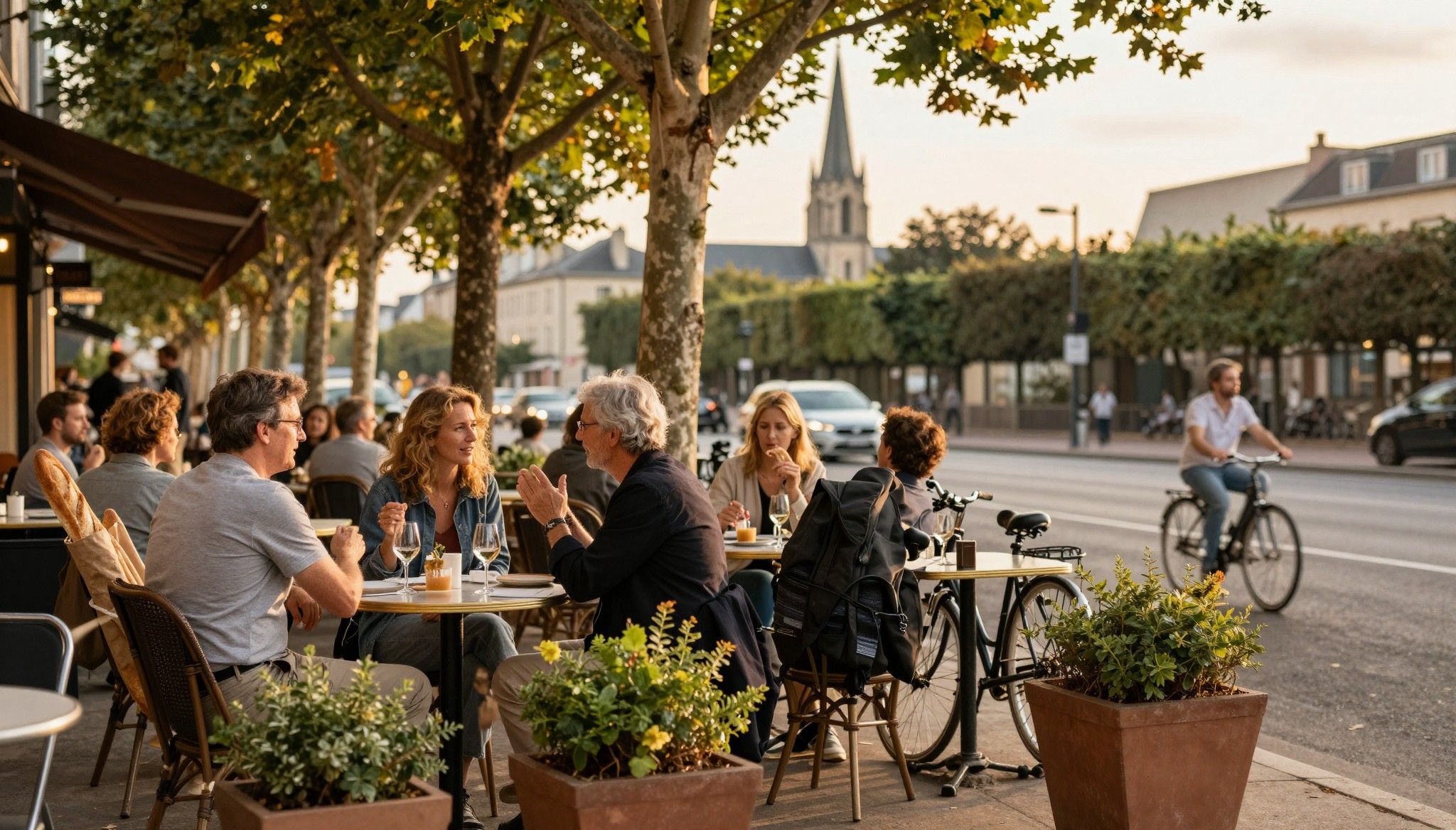
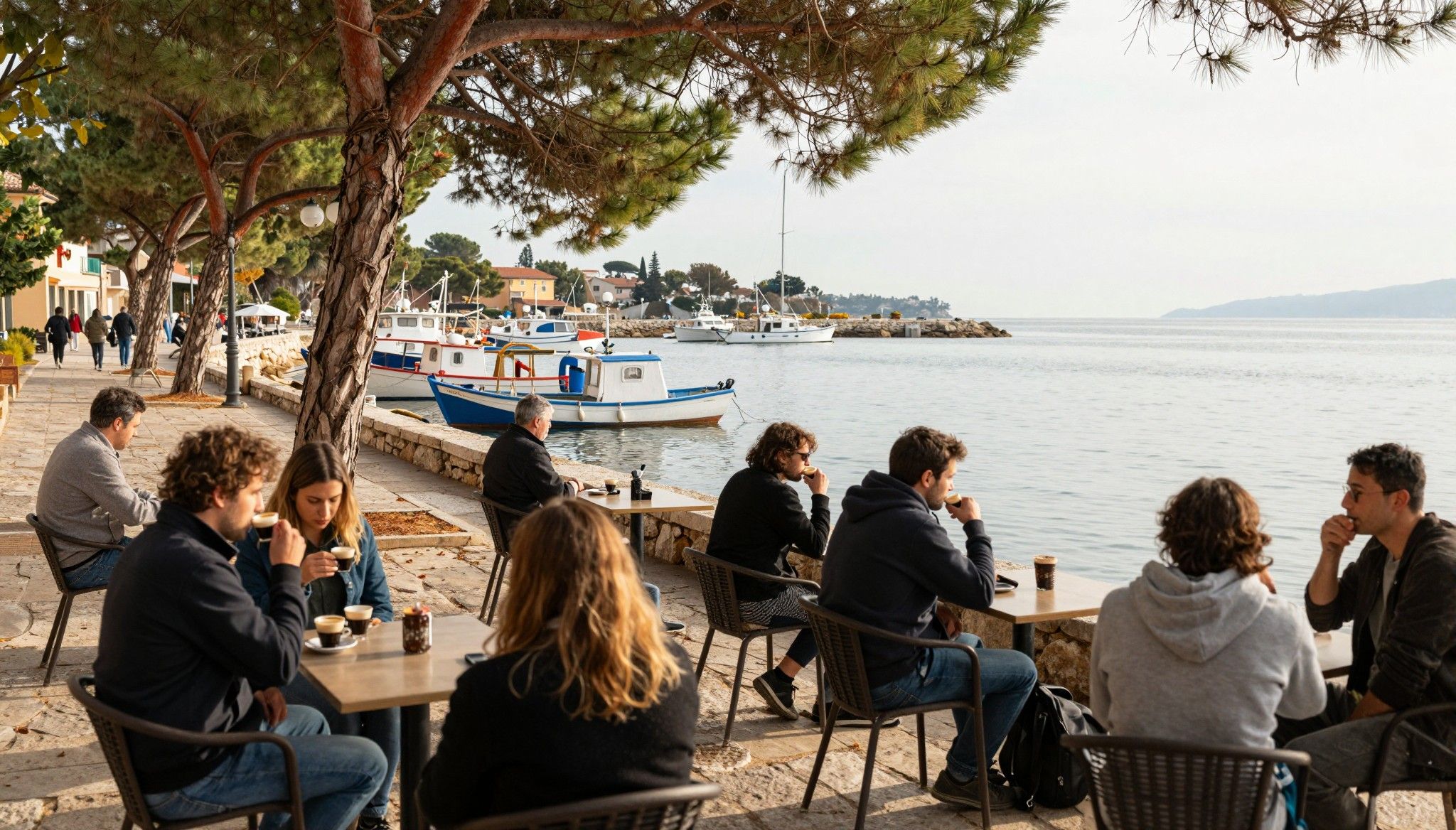
Imagine waking to an early-market hum in Aix‑en‑Provence, the smell of warm baguette and wet stone, or pausing at a street-side table in Bordeaux while the Garonne sparkles. France is many afternoons: slow cafés, lavender fields that hum in summer, seaside promenades that map the day in light. For international buyers drawn to ecology and craftsmanship, these sensory rhythms matter as much as price per square metre — because the home you buy becomes the stage for a year’s worth of seasons, markets and small local rituals.
Living the France lifestyle — more than a postcode
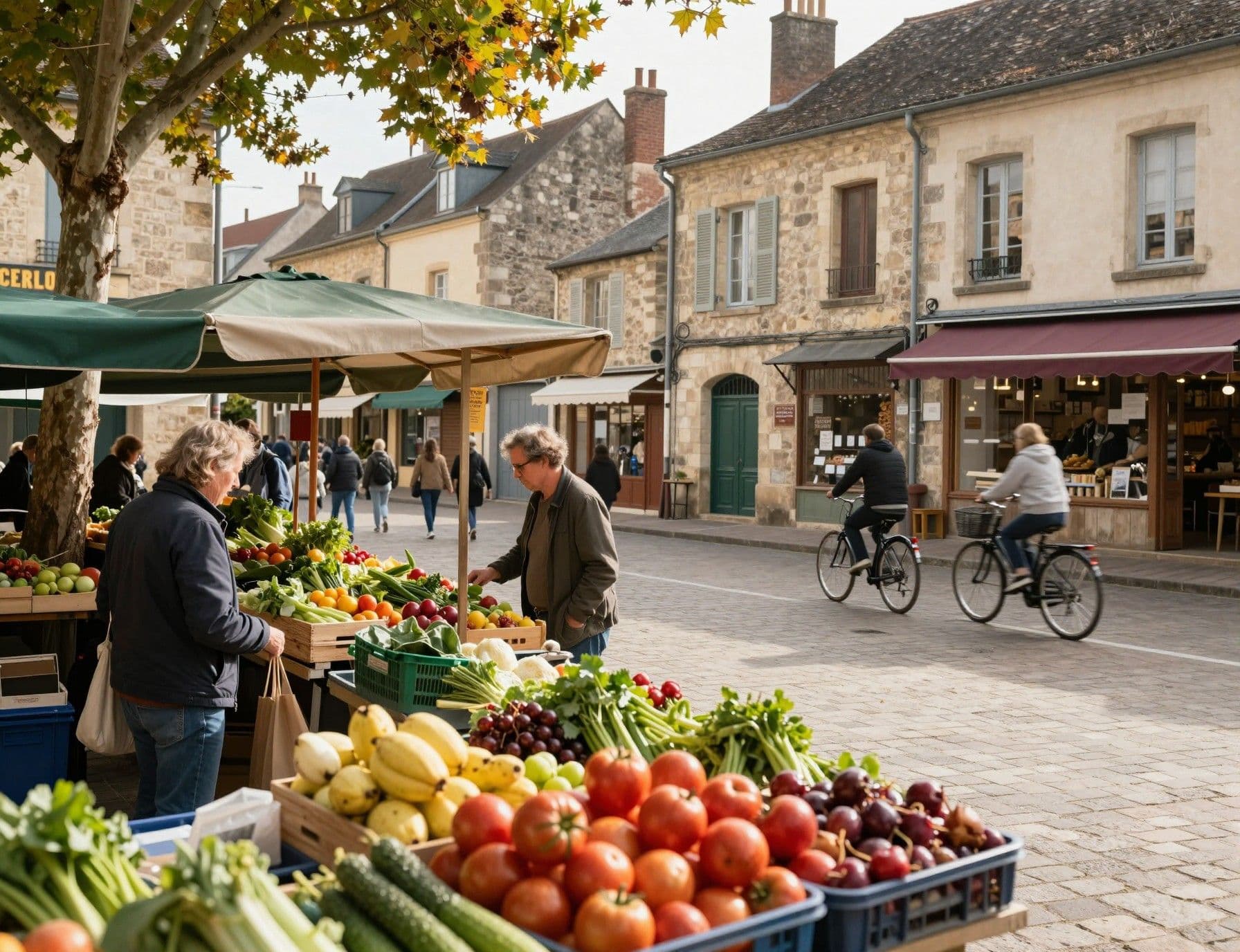
Life in France feels rooted to place. In Montpellier you’ll hear cicadas in July and find lively outdoor marchés that supply week‑long meals; in Loire Valley villages oak beams and stone walls tell a house’s story; on the Côte d’Azur terraces frame afternoons and the scent of pine rides on the breeze. The architecture, from timber barns to Haussmannian flats, shapes daily rituals: a courtyard garden invites weekend vegetable beds, a small balcony becomes the morning coffee room.
Neighborhoods that feel like neighborhoods
Look beyond headlines and into streets: Rue des Rosiers in Paris still hums with history and independent bakeries; Place du Palais in Aix is where locals gather before the sun hits high; in Biarritz the markets near La Halles produce a salt‑tinged community life. These are the places where neighbors know names, children play safely, and small businesses support local food cycles — all signals that a property will offer daily life, not just a view.
Food, markets and seasonal living
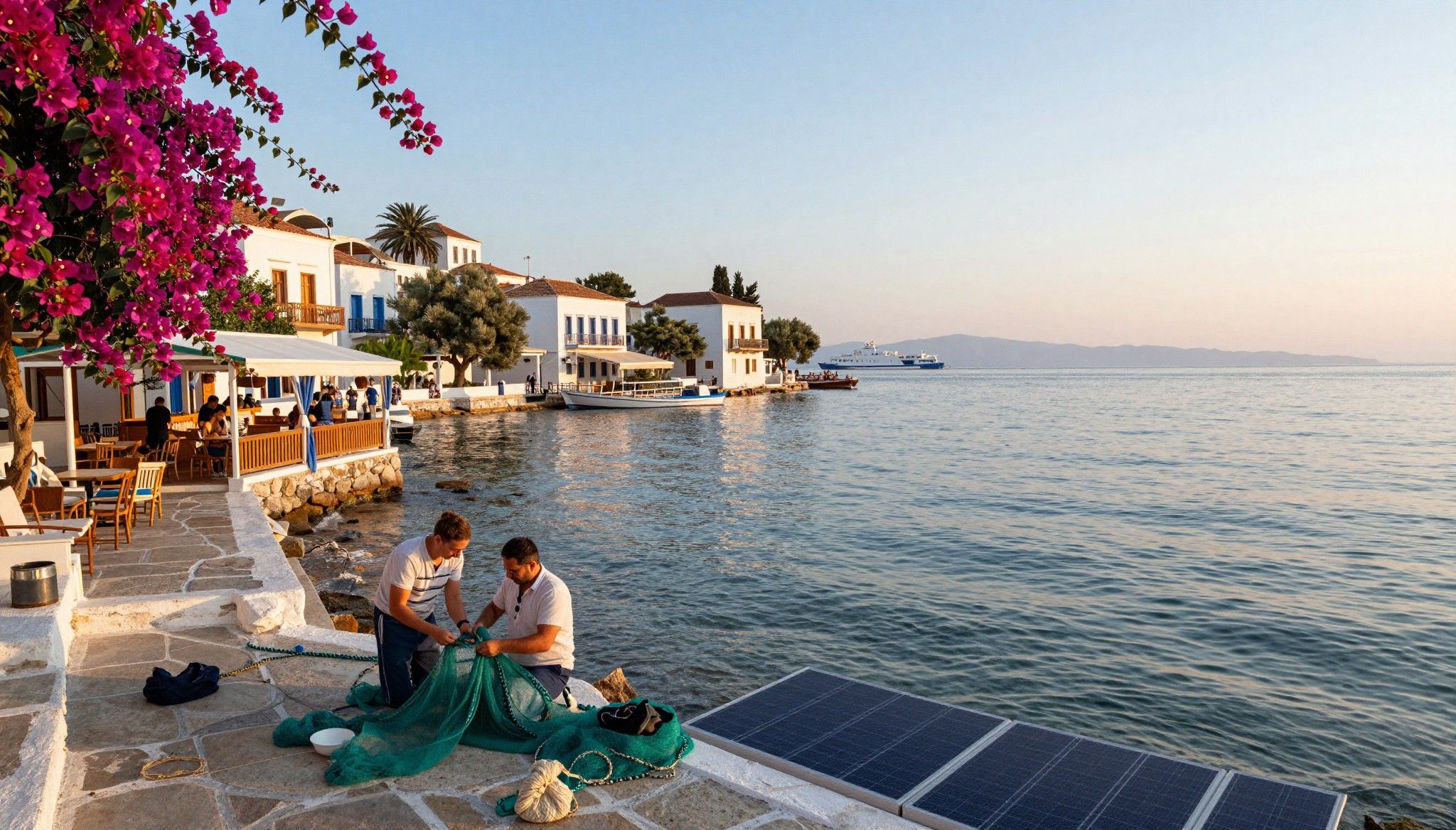
Markets are the heartbeat of French living. Imagine buying goats’ cheese from a producer in the morning market of Sarlat, harvesting figs in a private garden in Provence, or sharing aperitifs at a marché‑nocturne on the Atlantic coast. Choosing a home close to these rhythms means less packaged food, more seasonal menus, and an easier transition to low‑impact living where you rely on local supply chains.
- Lifestyle highlights to look for when scouting neighbourhoods:
- Daily marché within walking distance (fresh produce, seasonal goods)
- Green corridors or riverwalks for daily exercise and biodiversity
- Local artisans, bakers and cafés that anchor community life
Making the move: practical considerations that preserve the life you want
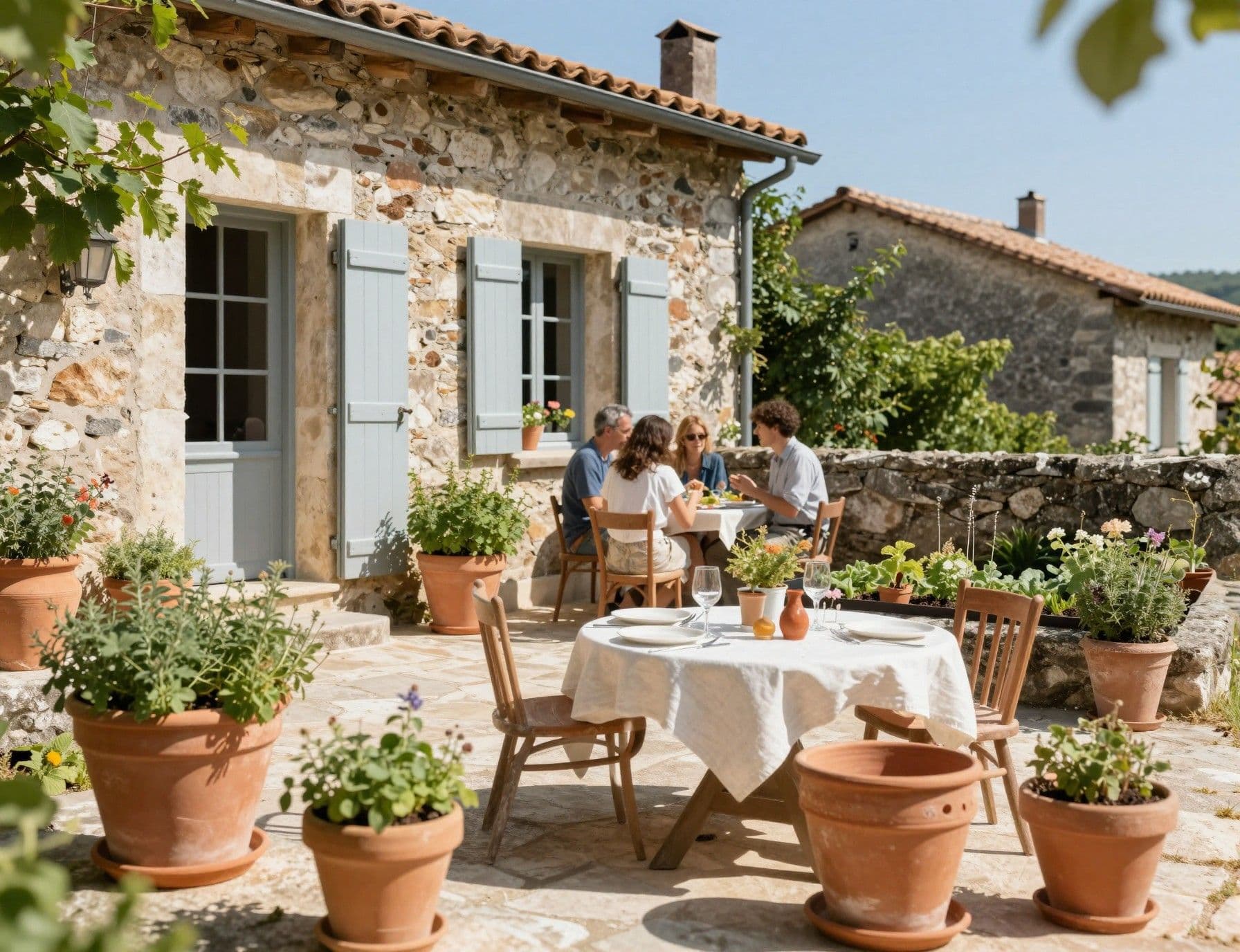
Dreams meet paperwork, and the good news is practical: foreigners can buy property in France without a special permit, but the process asks for local fluency — not only in language but in customs. You’ll work with a notaire for the deed, possibly a local agent who understands neighbourhood ecology, and advisers for taxes and renovations. Use official sources early: Service‑Public explains residency and tax basics, while Notaires de France publishes transaction trends that show where markets are cooling or warming. These documents are not romance, but they keep the dream honest.
Property types & what they mean for sustainable living
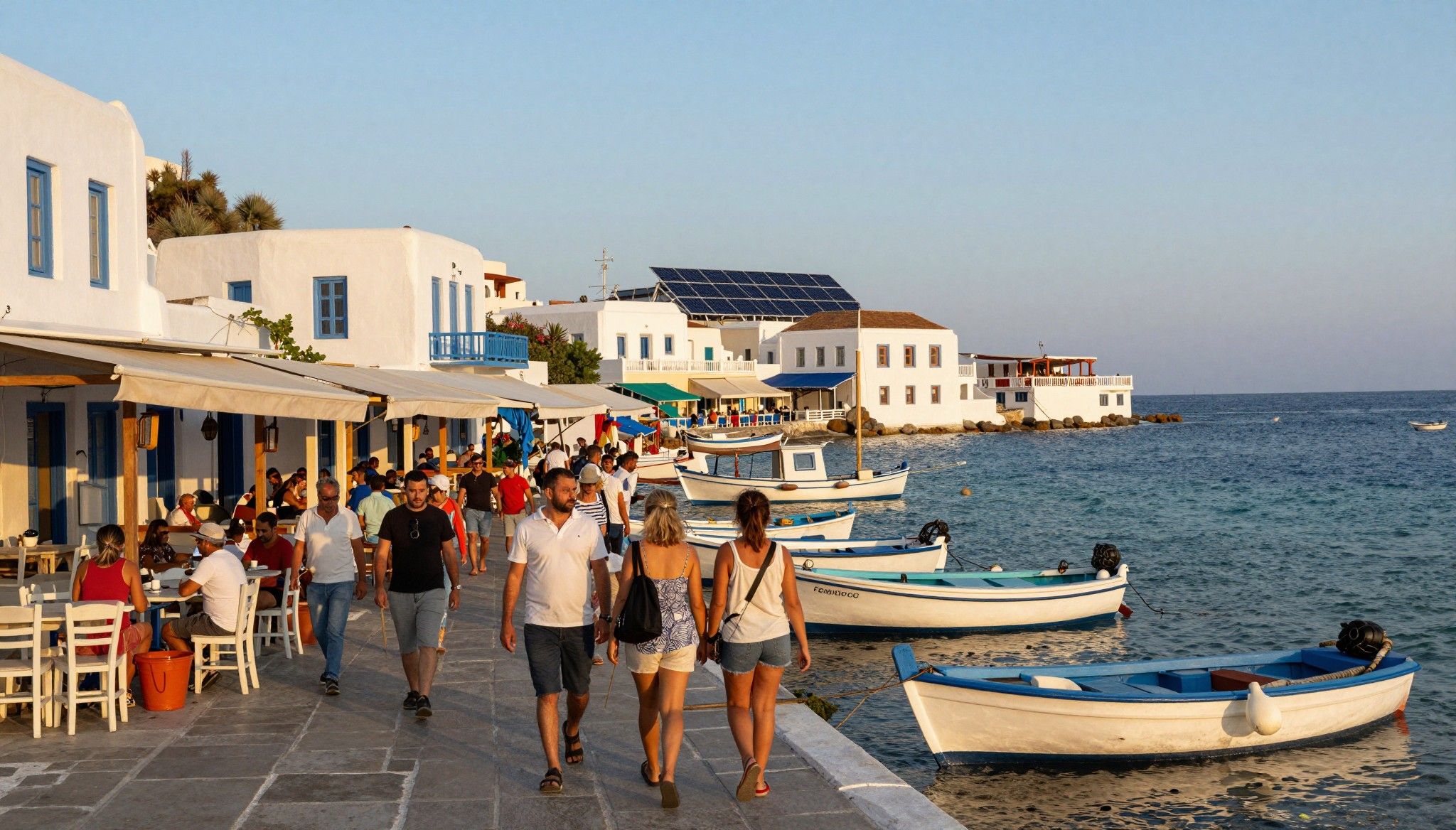
Stone village houses invite thick walls and passive cooling, great for low‑energy comfort if insulated sympathetically. Haussmann flats emphasise compact living and proximity to services, reducing car dependence. New eco‑builds in places like Lyon and Rennes increasingly offer solar, green roofs and communal gardens — features that lower running costs and deepen community ties. Choose the type that supports the life you want: a small courtyard for salads and bees, or an apartment near tram lines and markets.
Working with local experts who know the lifestyle
- Engage a local notaire early to check title and restrictions; they’re mandatory and impartial.
- Hire an agent who can show lived streets (not just staged listings) and who understands neighbourhood seasons and local services.
- Speak with an RGE‑certified contractor if you plan renovations — grants and quality labels often require RGE status for eligibility.
- Check energy‑efficiency programmes and timelines: national schemes like MaPrimeRénov’ and regional support can reshape renovation costs and priorities. (See ADEME for national targets and progress.)
Insider knowledge — myths, seasons and the green truth
Myth: "France is prohibitively expensive everywhere." Truth: city centres like Paris are costly, but many medium towns and rural pockets offer value and strong quality of life. Notaires data shows regional variation in prices and a cautious post‑2024 recovery: prices are stabilising in many areas while smaller cities gain appeal. If you want vineyard views and lower density, western Loire and parts of Nouvelle‑Aquitaine deserve a look.
Cultural realities that shape daily life
Language matters for integration — a little French opens doors to neighbours, mairie services and local artisans. Expect a rhythm of long lunches, market runs and holidays that slow from July to August in many towns. For families, school calendars and local after‑school sports become anchor points; for remote workers, check local broadband and coworking availability in towns such as Nantes or Grenoble.
Long‑term lifestyle considerations
Think in seasons: solar orientation affects winter heating bills and summer comfort; a south‑facing courtyard will lengthen outdoor use and reduce heating needs. Consider community resilience — proximity to local shops reduces reliance on cars, and green features such as rainwater capture or native planting save resources and deepen your home’s ecological relationship to its place.
Conclusion — how to start without losing the dream: fall in love with a street, not a spreadsheet. Spend time in neighbourhood cafés, visit markets at different hours and seasons, and ask questions about who uses local services year‑round. Then call a notaire, a sustainability‑minded agent and an RGE contractor. These steps protect both the aesthetic life you’re buying and the ecological stewardship that will keep it thriving for years.
Swedish advisor who left Stockholm for the Costa Brava in 2019. Specializes in sustainable, sea‑view homes for Scandinavian buyers and green finance insights.