Cyprus: From Morning Markets to Smart, Sustainable Moves
Fall for Cyprus’s warm rhythms while buying with an eco‑minded plan: market trends, local rules, and lifestyle steps that make your move sustainable and joyful.
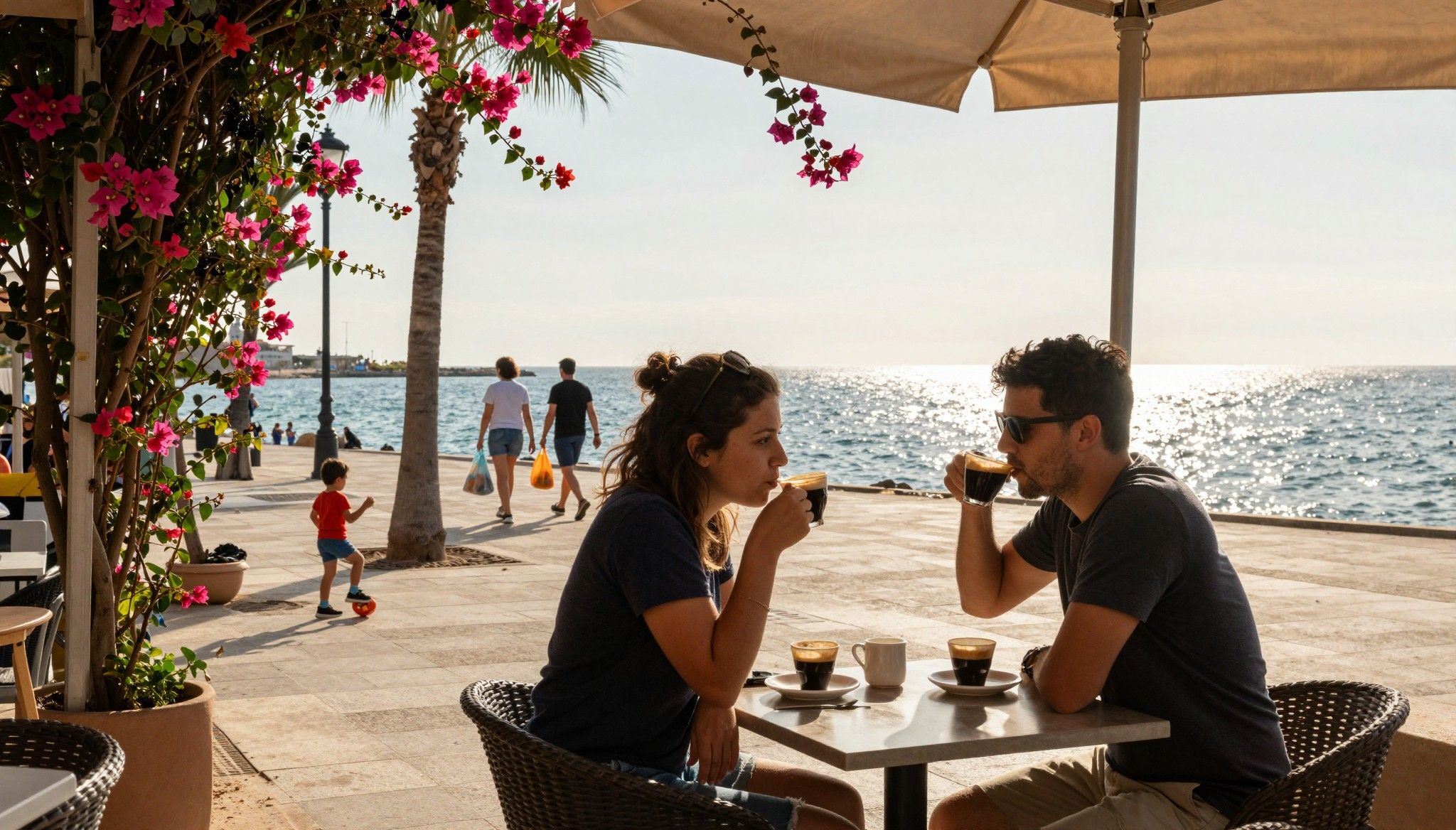
Imagine stepping out of a sun-warmed stone house in Larnaca at dawn — fresh sea air, a baker folding warm halloumi into flaky pastries, jasmine climbing the courtyard wall. This is the rhythm many dream of when they think of Cyprus: slow mornings, lively evenings, and the land itself — olive groves, cedar-scented hills, and a coastline that glitters long into dusk. But love alone won’t close a sale. Knowing how Cyprus’s market is moving, what neighbourhoods actually suit sustainable living, and how local rules shape renovation and energy choices makes the dream real — and resilient.
Living Cyprus: a sensory introduction
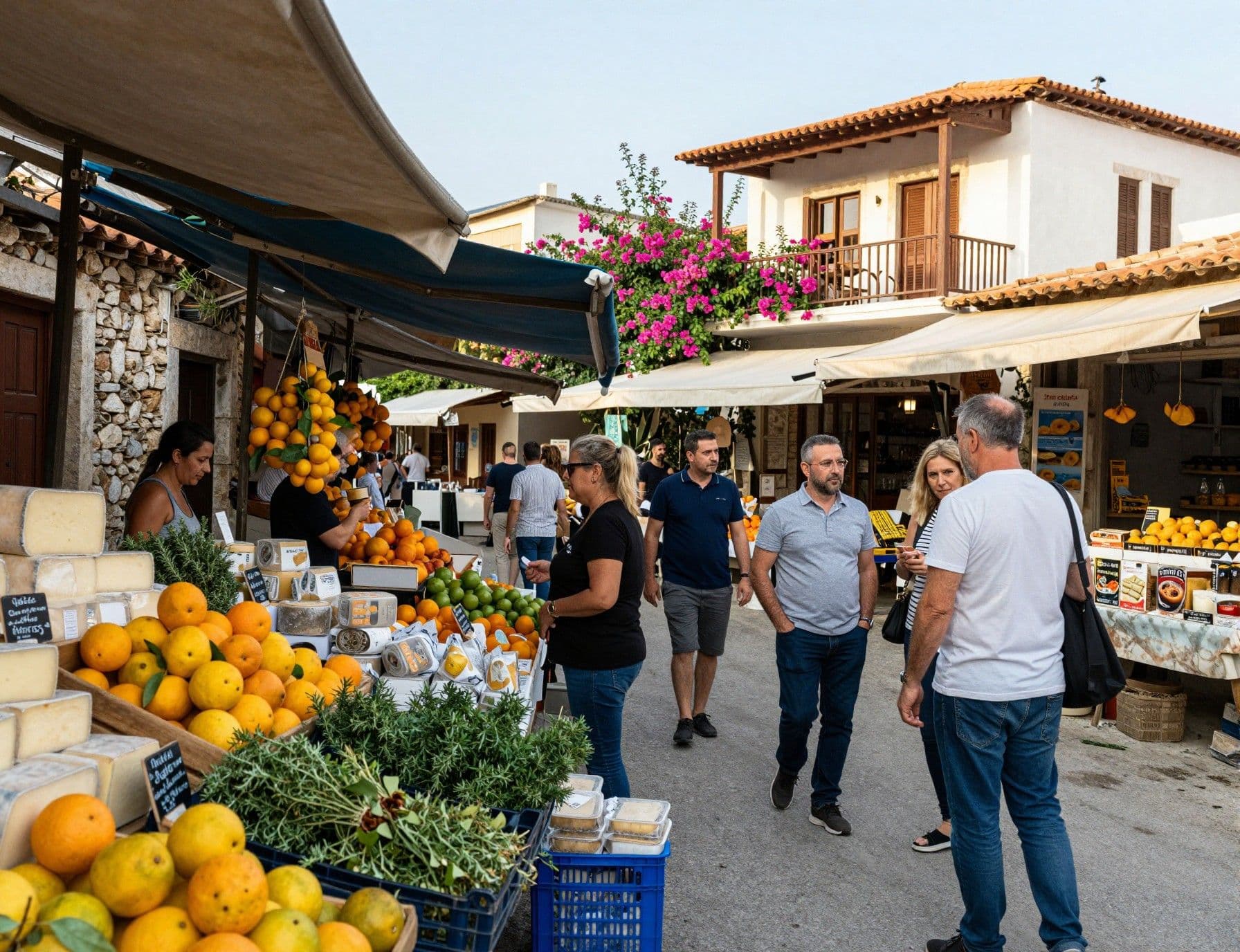
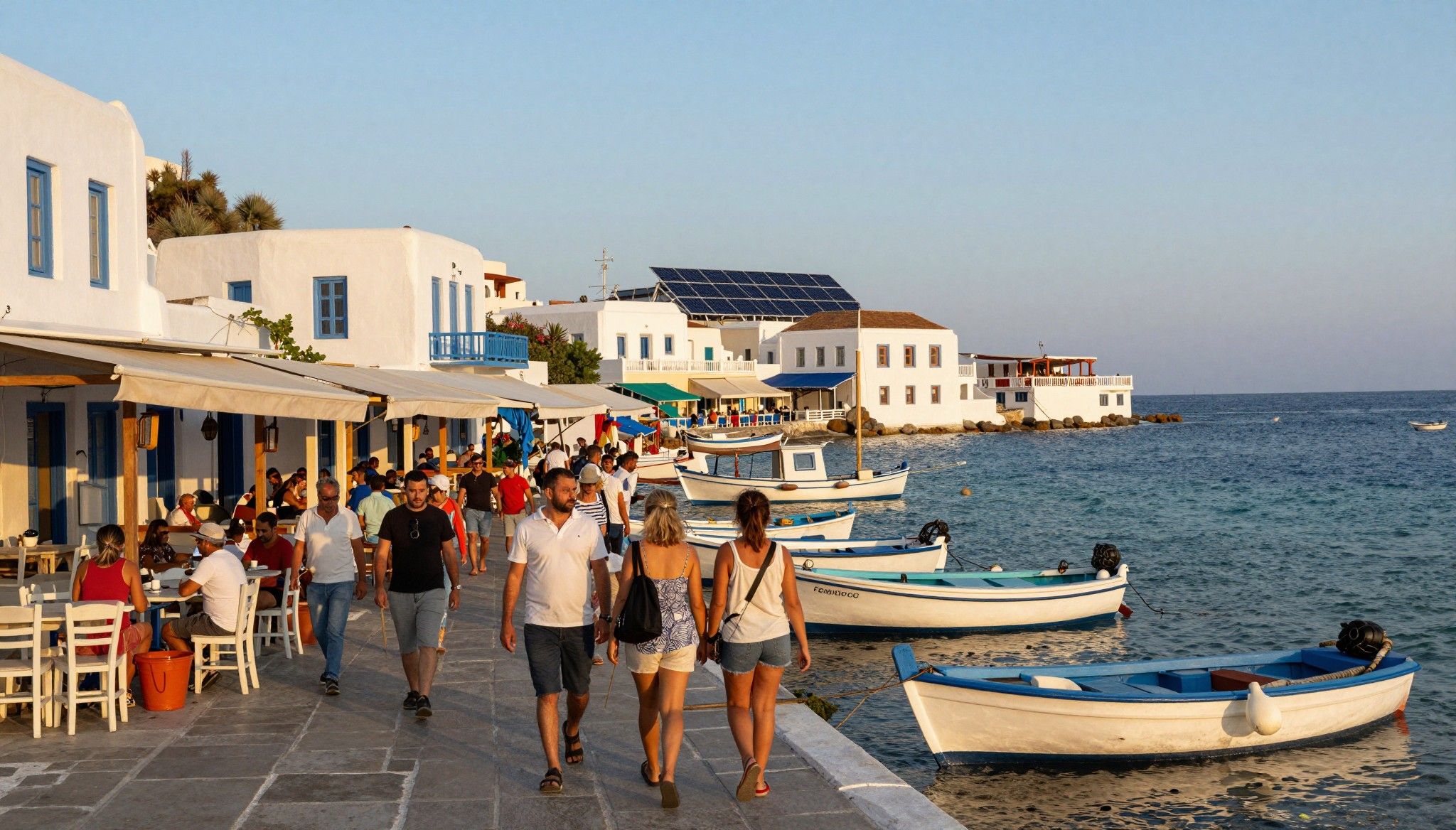
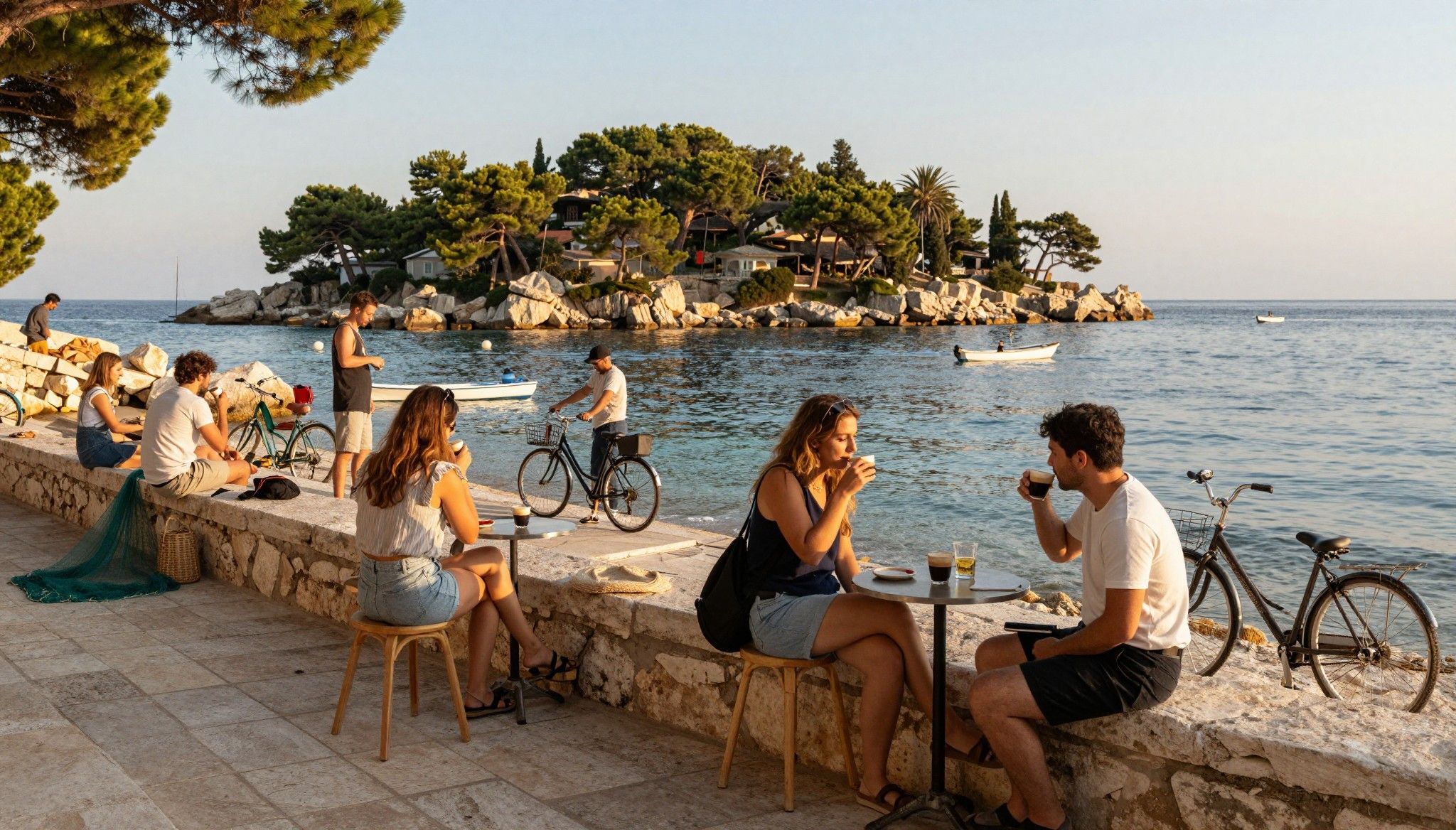
Cyprus is small but varied — coastal promenades and chic marinas in Limassol; the quiet, stone‑ribboned villages of the Troodos foothills; the honey-coloured lanes of Nicosia where shutters close late and conversations spill onto balconies. Daily life is tactile: markets stacked with citrus and thyme, cafés where corner tables hold chess games and slow espresso, and evenings that gather families and friends around long tables under bougainvillea.
Neighbourhoods that feel like home
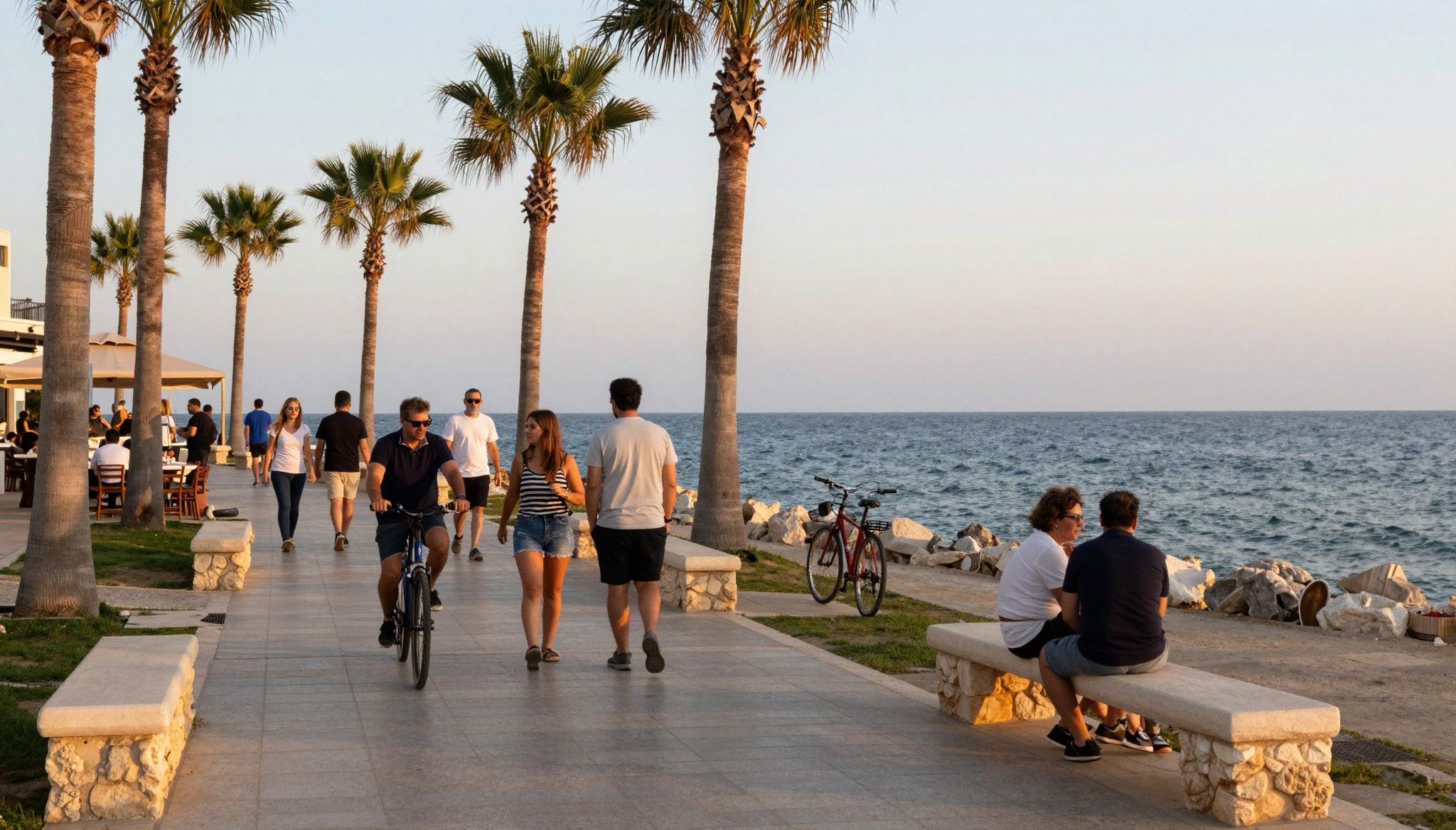
If you want maritime mornings, walk along Limassol’s Molos and you’ll find modern apartments with terraces facing a public, plant-rich promenade. Prefer a slower, village rhythm? Look to Omodos or Tala for stone houses, communal orchards and neighbours who trade produce and stories. Paphos mixes UNESCO-dotted old town charm with coastal villas and small eco‑retreats tucked behind pine-lined ridges. Each place rewards different sustainable choices: solar-ready roofs near the coast, rainwater capture and thick stone walls higher inland.
Food, rituals and weekend life
Weekends smell of wood smoke and roasting lamb in mountain tavernas, or of freshly pressed orange juice at municipal markets. Small producers matter: local wineries around Krasochoria, family olive presses, and fishmongers at Larnaca harbour. For buyers prioritising sustainability, proximity to markets and local producers reduces food miles and anchors you in community life — a simple eco-win that transforms habit into belonging.
- Lifestyle highlights to look for when house‑hunting
- Morning coffee on Molos promenade (Limassol) — easy walkability and sea breeze
- Sunday market at Ledra (Nicosia) or Paphos market — local food, seasonal rhythm
- Stone courtyards in Omodos or Kakopetria — natural cooling and repairable materials
Making the move: practical considerations with an eco lens
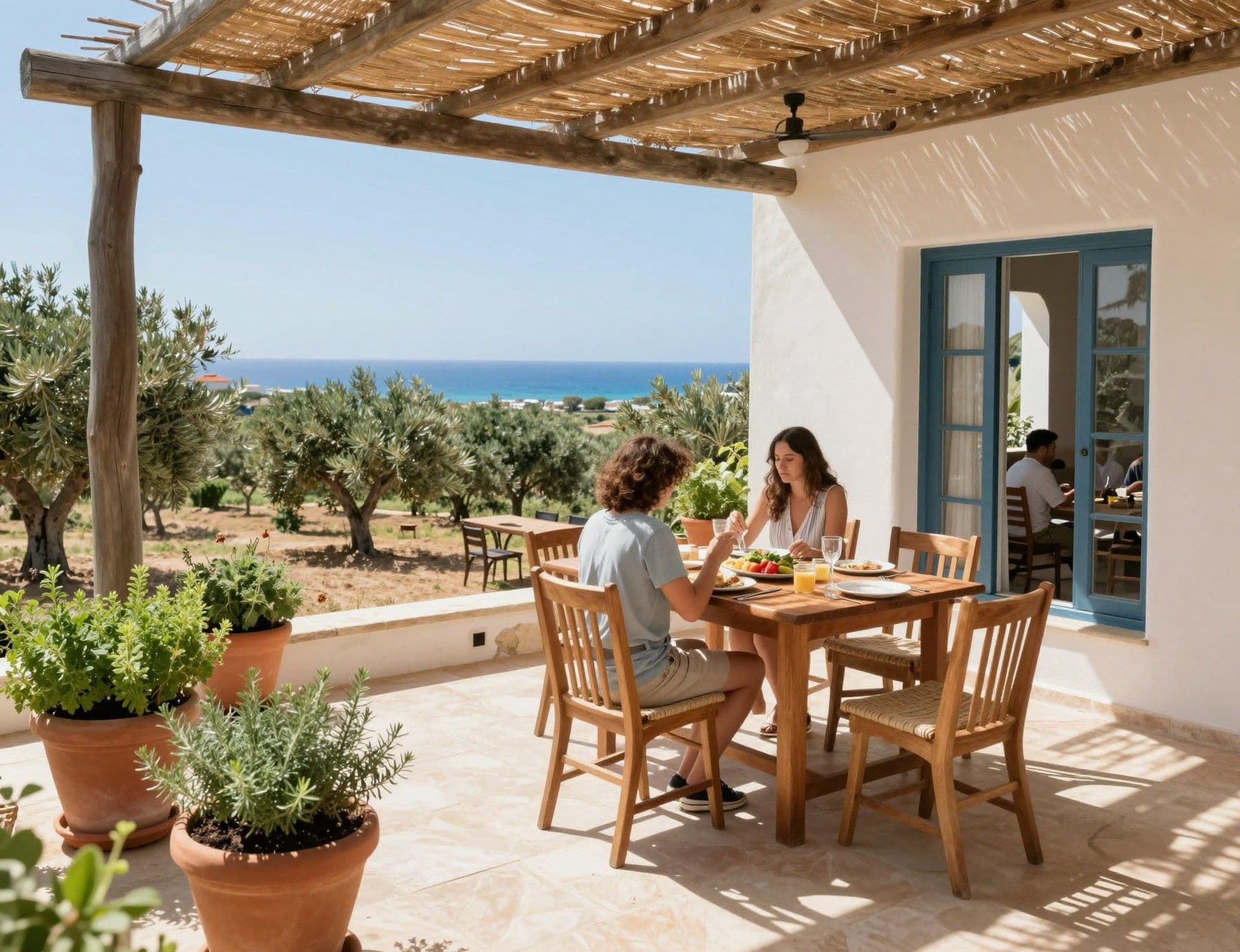
Romance meets paperwork in Cyprus. Prices have been rising steadily in recent quarters — the Central Bank’s Residential Property Price Index recorded continued growth into 2025 — which changes the calculus for buyers who want sustainability upgrades without paying a premium for existing green features. Planning ahead lets you buy with retrofit potential in mind: south-facing roofs for panels, terraces sized for veg beds, and mature trees that reduce cooling needs.
Property types and how they shape sustainable life
Modern seafront apartments deliver low-maintenance living and often include shared renewable amenities (pool heating, EV charging in developments), while stone village homes offer thermal mass and repairable materials but require careful retrofit planning — insulation, discreet solar, and water harvesting. New builds may advertise energy labels; ask to see actual consumption figures and whether developers include passive design features like cross‑ventilation and shading.
Work with experts who understand place and planet
Choose agents and lawyers who speak both the local language of neighbourhood life and the technical language of permits. The Department of Lands and Surveys emphasises depositing sale contracts to protect buyers — a small step that avoids big headaches later. Sustainable buyers should also enlist an energy assessor or an architect familiar with traditional Cypriot techniques and modern low‑impact systems.
- Practical, lifestyle-aware steps to buy wisely in Cyprus
- Start with a lifestyle map: list daily rituals you want (market, sea, mountain access) and let that narrow districts.
- Verify title and deposit the sale contract at the Department of Lands and Surveys early — it’s routine but essential.
- Commission an energy and structural survey before exchange if you plan eco-retrofits; budget both time and a contingency.
- Talk to neighbours and local producers — long before you buy — to learn the real rhythm of the place and small stewardship opportunities.
Insider knowledge: what expats say (and often wish they'd known)
Expats consistently mention three surprises: the social warmth that makes integration easier than expected; the seasonal quiet in inland villages during long summers when families head to the coast; and how much a modest retrofit lowers running costs over five years. These lived realities are as important as spreadsheets — they shape daily happiness and long-term stewardship of a property.
Language, community and daily life
English is widely spoken, especially in coastal towns and among professionals, but learning Greek opens doors to deeper friendships and practical help when managing contractors or attending village festivals. Join local clubs — olives harvesting cooperatives, volunteer beach clean‑ups, or Sunday language cafés — and you’ll find both social belonging and practical networks for sourcing sustainable materials and local craftspeople.
Sustainability over time: what changes in year two and five
Year one is discovery; year two is retrofit. Expect to install modest solar arrays, set up greywater reuse for gardens, or replace single-pane windows. By year five you’ll notice lower bills, healthier indoor air, and neighbours asking for advice — your property becomes part of the local regenerative fabric when you prioritise small, durable improvements over flashy, short-lived upgrades.
Conclusion: fall in love, plan for the seasons, steward the land
Cyprus offers a luminous life: market mornings, convivial evenings and landscapes that ask for slow, careful stewardship. If you pair that longing with local expertise — a lawyer who understands DLS rules, an agent who knows which streets shade naturally in summer, an architect versed in thermal mass — your purchase becomes an act of place‑making, not just ownership. Start with curiosity, add careful checks, and build a life that helps the island stay beautiful.
Norwegian market analyst who relocated from Oslo to Provence; guides investors with rigorous portfolio strategy and regional ecological value.