Cyprus: Buy for Light, Markets and Retrofit Potential
Fall in love with Cyprus’ light, markets and village rhythms — then buy for orientation, waterwise gardens and retrofit potential backed by Central Bank market data.
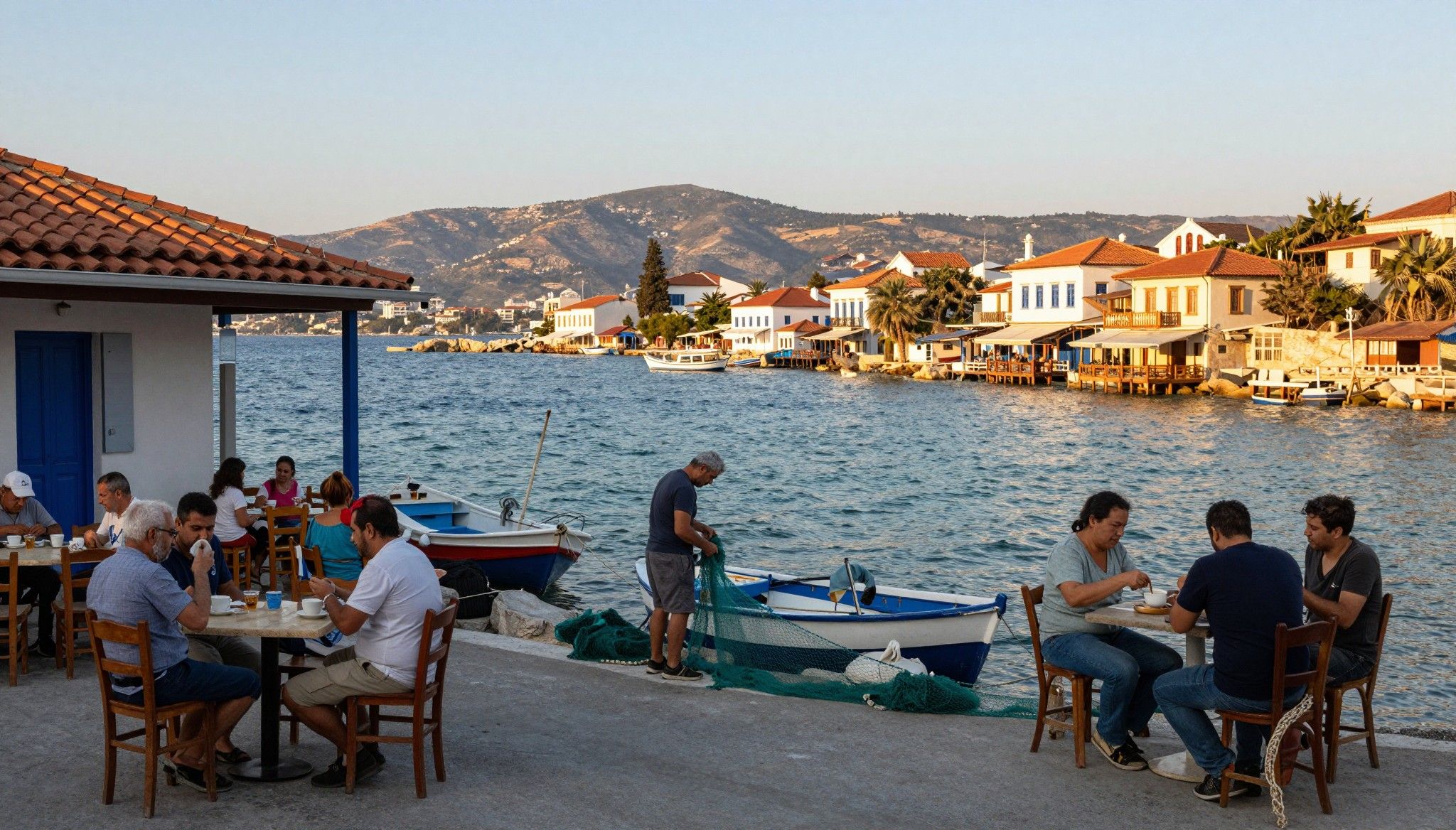
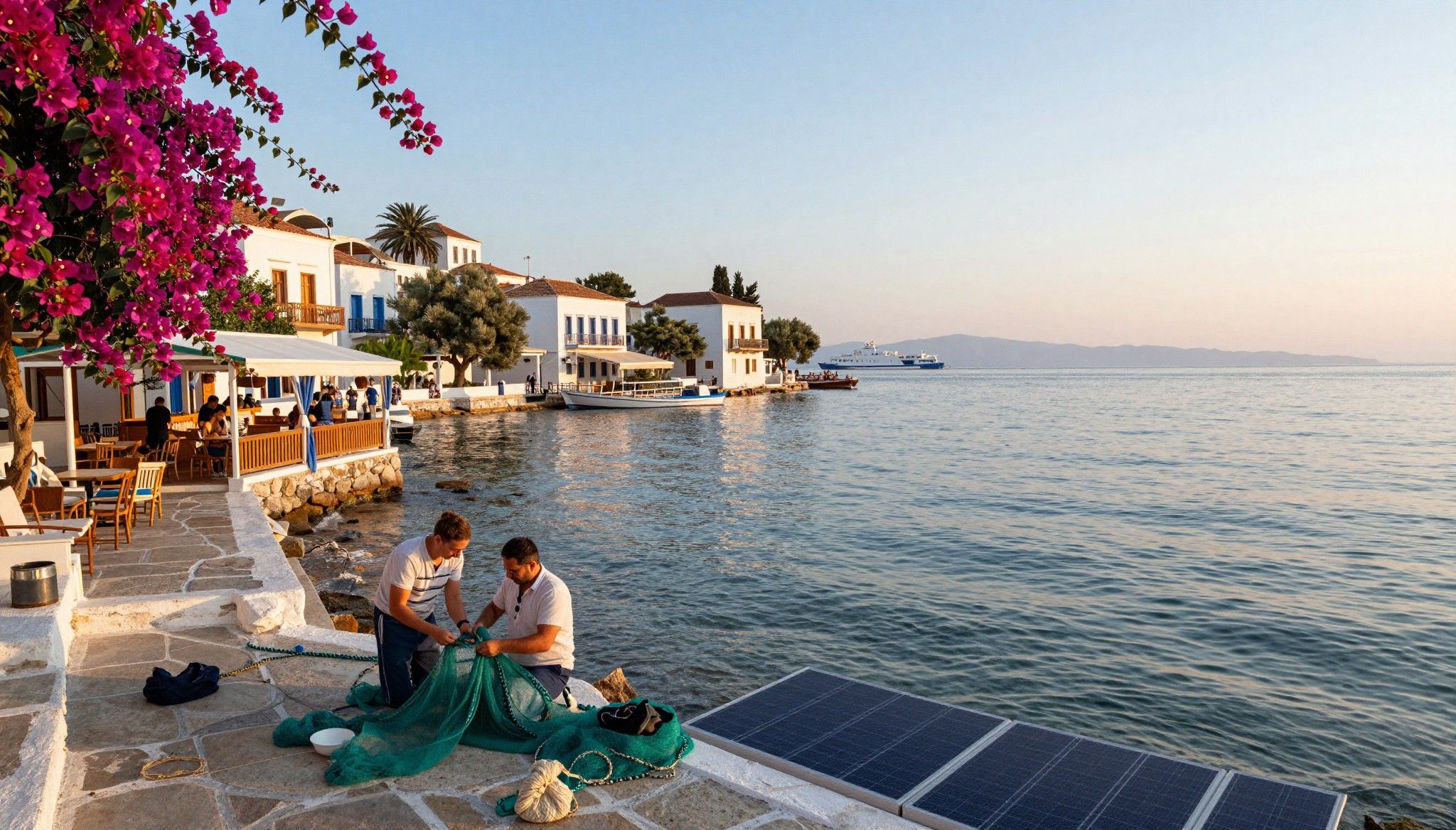
Imagine waking to the smell of strong coffee and citrus trees, slipping down a narrow lane in Limassol to a sunlit kafeneio, then strolling past bougainvillea-draped stone walls toward a small cove. Cyprus feels like a slow film of Mediterranean life — an island where beaches, vineyards and mountain villages share space with lively coastal towns. For international buyers drawn to year-round light and a tactile, nature-rich lifestyle, Cyprus can feel immediately like home. Yet the reality of buying here is mixed with changing market signals and local rules; recent housing indices from the Central Bank of Cyprus show measured price growth, not runaway gains, which matters when timing a sustainable purchase. (See Central Bank of Cyprus RPPI.).
Living the Cyprus lifestyle
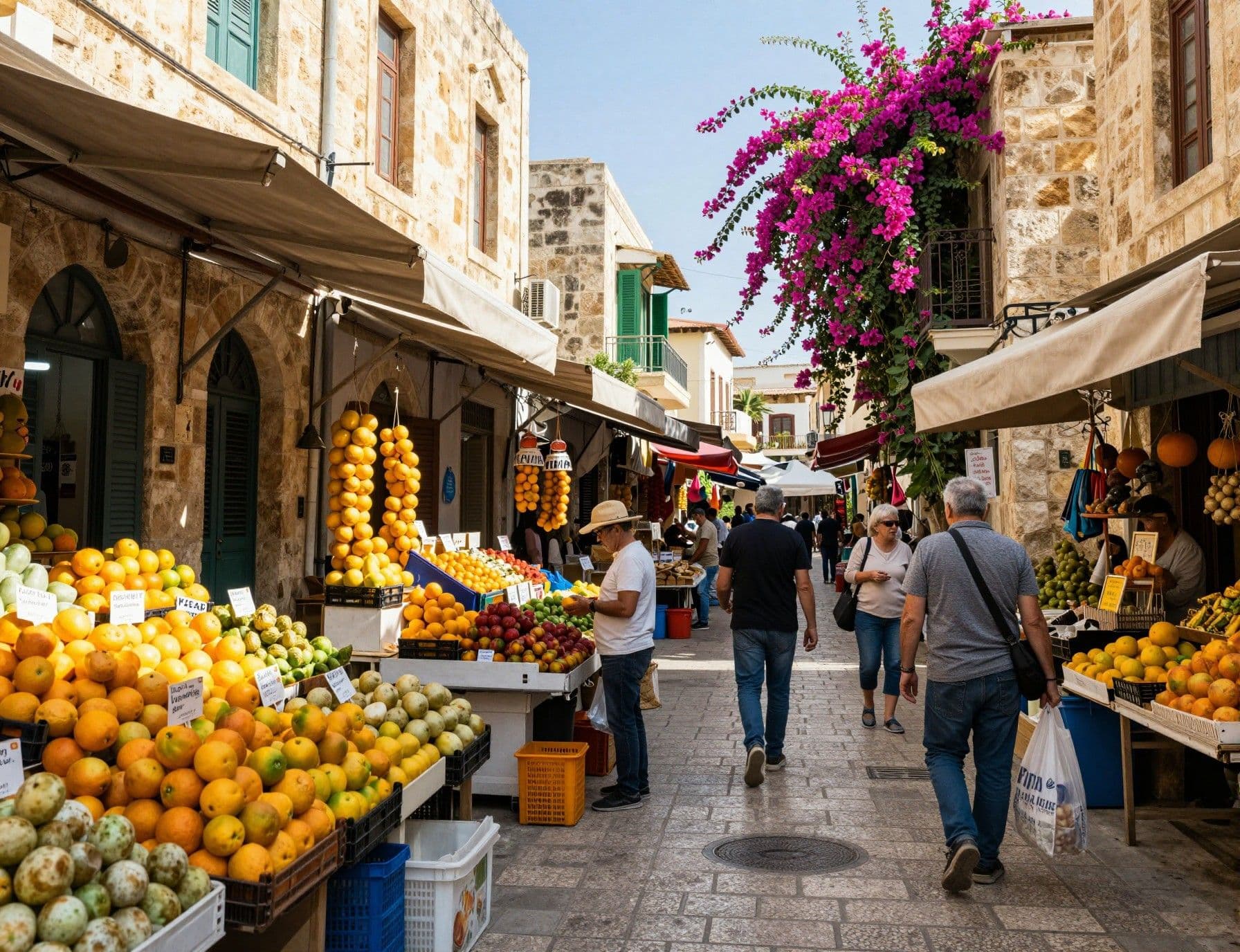
Days in Cyprus are arranged by light and air. Summers run hot and dry along the coast, softened by sea breezes, while winter mornings in the Troodos foothills can smell of pine and wet stone. That rhythm shapes everything — terraces for long lunches, courtyards that collect shade, and gardens that prioritise Mediterranean drought-tolerant species. The island’s climate encourages outdoor life for most of the year, but it also means smart homes here are about clever shading, waterwise landscaping and thermal comfort rather than mimicking Northern European models. (See climate overview.)
Neighborhood moods: from Nicosia lanes to Limassol promenades
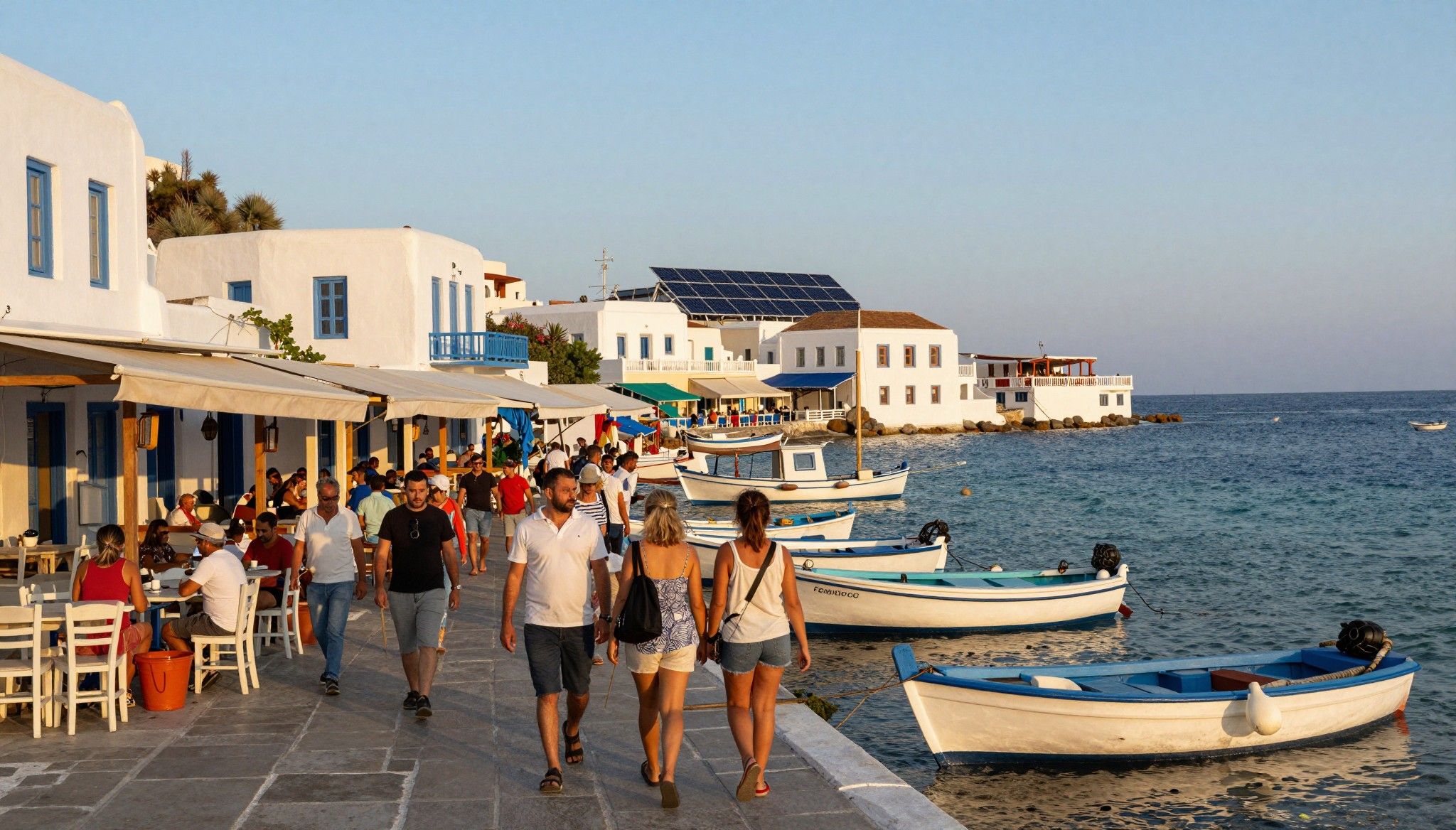
Each town in Cyprus wears a distinct personality. Nicosia’s old city hums with small workshops, leafy courtyards and quiet late‑night tavernas; Limassol balances a cosmopolitan marina scene with tucked-away streets where elders play backgammon; Paphos is postcard‑historic with coastal promenades and a soft expat presence; Larnaca and its Finikoudes strip feel relaxed and local; while mountain villages such as Omodos and Kakopetria offer a restorative, seasonal pace. If you need a neighbourhood that breathes nature, consider the forests and vineyards surrounding Troodos; if you want sea and social life, the Limassol Old Port and Kato Paphos areas are lively options.
Food, markets and small rituals
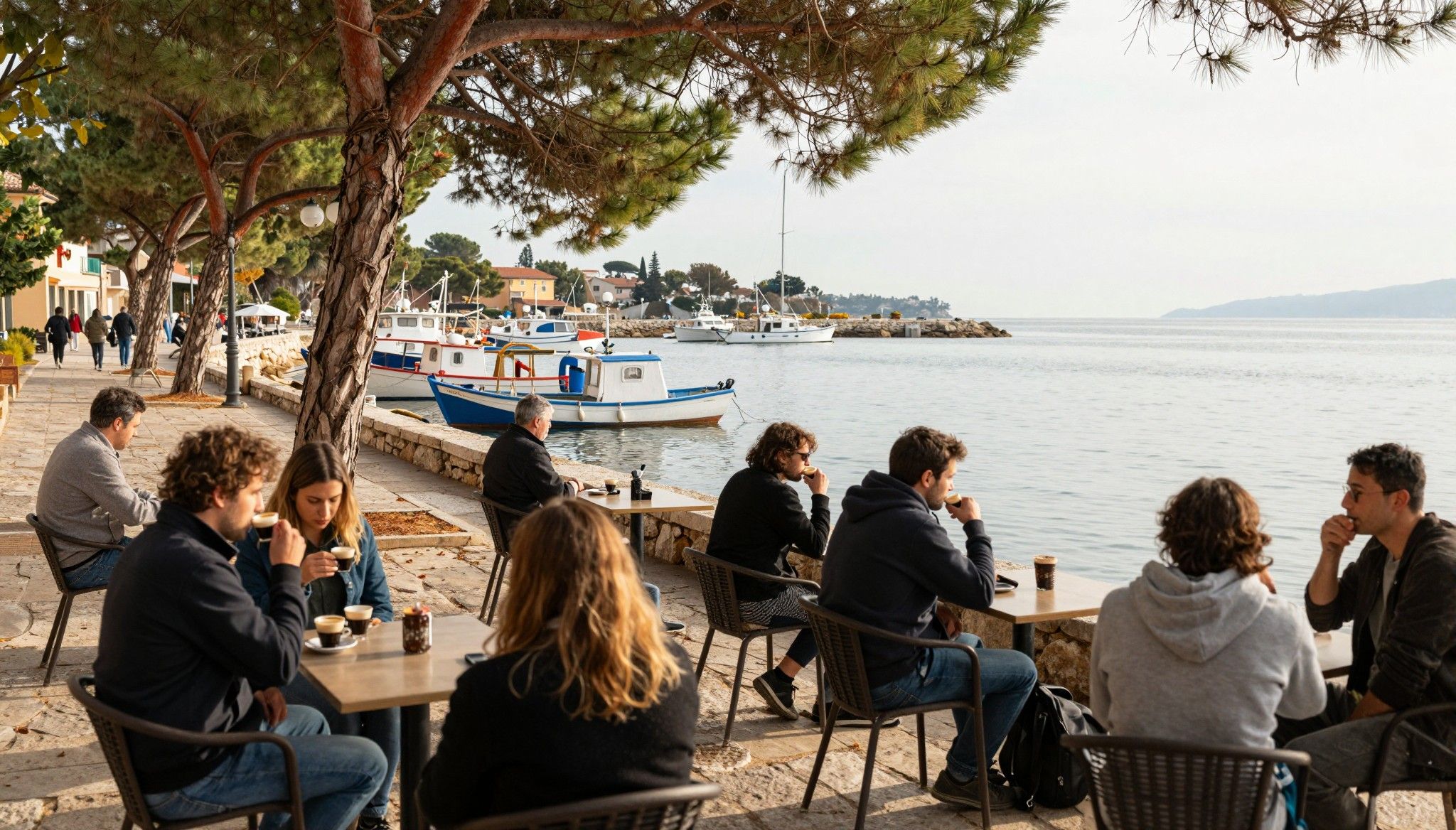
A morning market in Larnaca or a tavern in Polis is where you learn the island’s sensible pleasures — carob syrup, halloumi sizzling on a plancha, last-minute fish from the quay. Cafes matter: try the quiet espresso corners on Makariou Street in Nicosia or the shaded terraces of Limassol’s Agios Nikolaos. These daily patterns should shape the property you buy: proximity to a weekly market, a kitchen with cross‑ventilation for long cooking afternoons, or a shaded courtyard for evening gatherings are lifestyle features that repay themselves in joy and lower environmental impact.
- Lifestyle highlights to seek in Cyprus properties
- A shaded outdoor living area oriented for evening breezes — essential for coastal summers
- Native‑plant landscaping and cisterns or greywater systems to reduce irrigation needs
- Thick stone walls or thermal‑mass elements in village homes that moderate heat without heavy HVAC
Making the move: practical considerations with a green heart
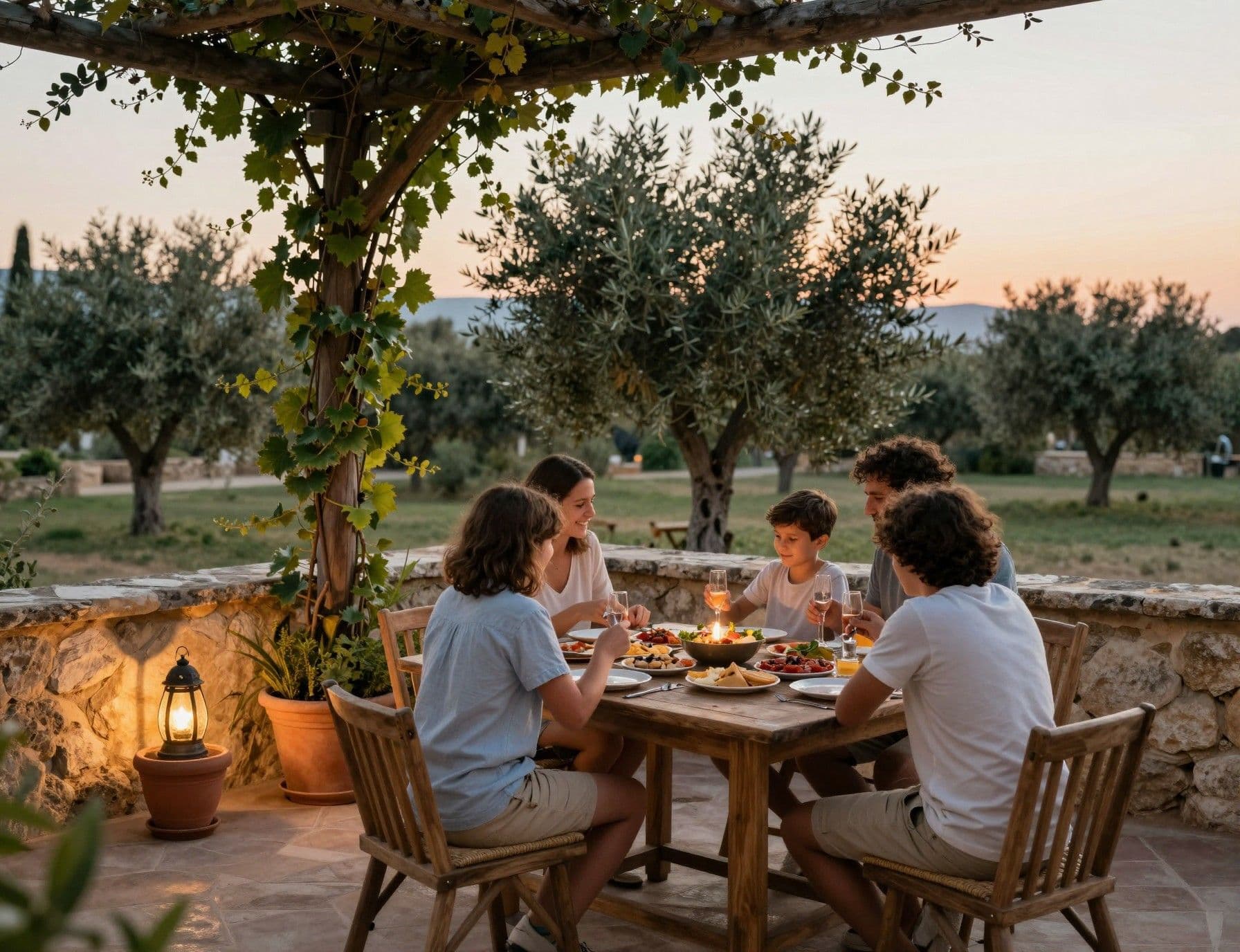
Falling in love with a place is the easy part; translating that feeling into a sustainable, well‑timed purchase takes local knowledge and a realistic view of market signals. National indices show steady but slowing house‑price growth in recent years, so buyers who prioritise lifestyle and low‑impact retrofit potential often find better value than those chasing speculative coastal premiums. Use data from the Central Bank and independent analysts to temper excitement with timing — if coastal sales are hot, consider hamlets inland where green renovation yields more lifestyle and ecological benefits. (See price trends.)
Property styles and how they shape life
Modern seafront apartments suit buyers who want low‑maintenance, energy‑efficient systems and proximity to cafes and marinas. Traditional stone village houses offer thermal mass, thick walls and a natural canvas for biodiversity gardens — ideal for buyers wanting a regenerative renovation. New builds can be efficient but watch orientation, glazing ratio and materials: a soulless, glass‑heavy coastal block may look modern but drive up cooling needs. Think of style as the question of how you will live: dinners outdoors? A productive garden? Quiet winter months in a mountain village?
Working with local experts who share your values
Find an agent who knows both neighbourhood rhythms and sustainability options: someone who can point you toward properties with solar capacity, waterwise gardens, or planning permissions that permit green retrofits. Local lawyers and architects who understand Cyprus’s residency and investment history — and the reforms since the investment‑citizenship controversies — will help safeguard long‑term value and compliance. Prioritise teams that can show past projects: fitted PV arrays, greywater systems, or native landscaping are proof of practical commitment.
- Practical steps that blend lifestyle and sustainability
- 1. Visit in two seasons — summer and late winter — to feel heat, breezes and community rhythms.
- 2. Prioritise orientation, shade and mature vegetation over purely cosmetic sea views.
- 3. Ask for energy performance details, roof capacity for PV, and the water infrastructure for irrigation.
Insider knowledge: expat truths and contrarian moves
Expat buyers tell a recurring story: the most charming, lived‑in blocks are often overlooked because they aren’t glossy listings. That narrow lane in Paphos or the quieter stretch of the Limassol old quarter that agents skip on glossy photo shoots can offer genuine community, shade, and lower retrofit cost. Contrarian buyers who choose character over headline views often win: lower purchase price, a stronger connection to place, and a house that feels rooted rather than staged. Market reports confirm that growth is place‑specific, so lateral thinking pays.
Cultural notes that change how you live
Cypriots value outdoor conviviality and slow meals; hospitality is practical and generous. English is widely spoken in coastal towns, but learning even basic Greek phrases opens doors in mountain communities and village markets. Weekends are about family and food; many small businesses close midday. Respect for neighbours — noise levels at night, shared water usage, and garden upkeep — matters. These social rhythms affect the type of home that fits your life: a secluded plot may be peaceful but isolate you from local life; a townhouse in a village places you at the heart of community rituals.
Long-term lifestyle considerations
Think five to ten years ahead: will you want more solar autonomy, a productive garden, or walking distance to a thriving café scene? Market data suggests moderate growth rather than explosive speculative rises, which makes Cyprus attractive for buyers focused on lifestyle appreciation and sustainable retrofits rather than quick flips. Properties that can adapt — add a PV array, retrofit insulation, harvest rainwater — hold lifestyle value and often outperform in real‑life satisfaction.
- Red flags and things to check locally
- Unclear property boundaries or historic title gaps — ask for land registry searches and survey plans
- Properties without shading, poor orientation, or glass facades that will force heavy cooling bills
- Little-to-no proof of previous energy or water upgrades — proof matters for retrofit potential
If you want help translating lifestyle into a shortlist, local agencies that specialise in sustainable homes can curate options that match your ecology and daily habits. Ask them for past project references, PV installation certificates, and examples of low‑impact gardens they’ve recommended. A good agent is part translator, part steward — someone who helps you plant roots without clearing the soil of local character.
Conclusion — imagine arriving, not just investing. Cyprus offers a life measured in sea breezes, market mornings and shaded courtyards. For international buyers who want a home that joins local rhythms and cares for landscape, the best purchases are those that respect season, materials and community. Start by visiting in different seasons, ask for verifiable energy and water details, and work with local experts who can translate lifestyle into sustainable property choices. When you buy this way, the island keeps its light and you keep your peace.
British expat who traded Manchester for Mallorca in 2017. Specializes in guiding UK buyers to luxury Spanish estates with clear navigation of visas and tax.