Cyprus: A Lifestyle-First Start to Eco‑Mindful Buying
A sensory-led primer to buying in Cyprus — match seasonal rhythms and neighbourhood character to market realities, backed by Central Bank and industry sources.
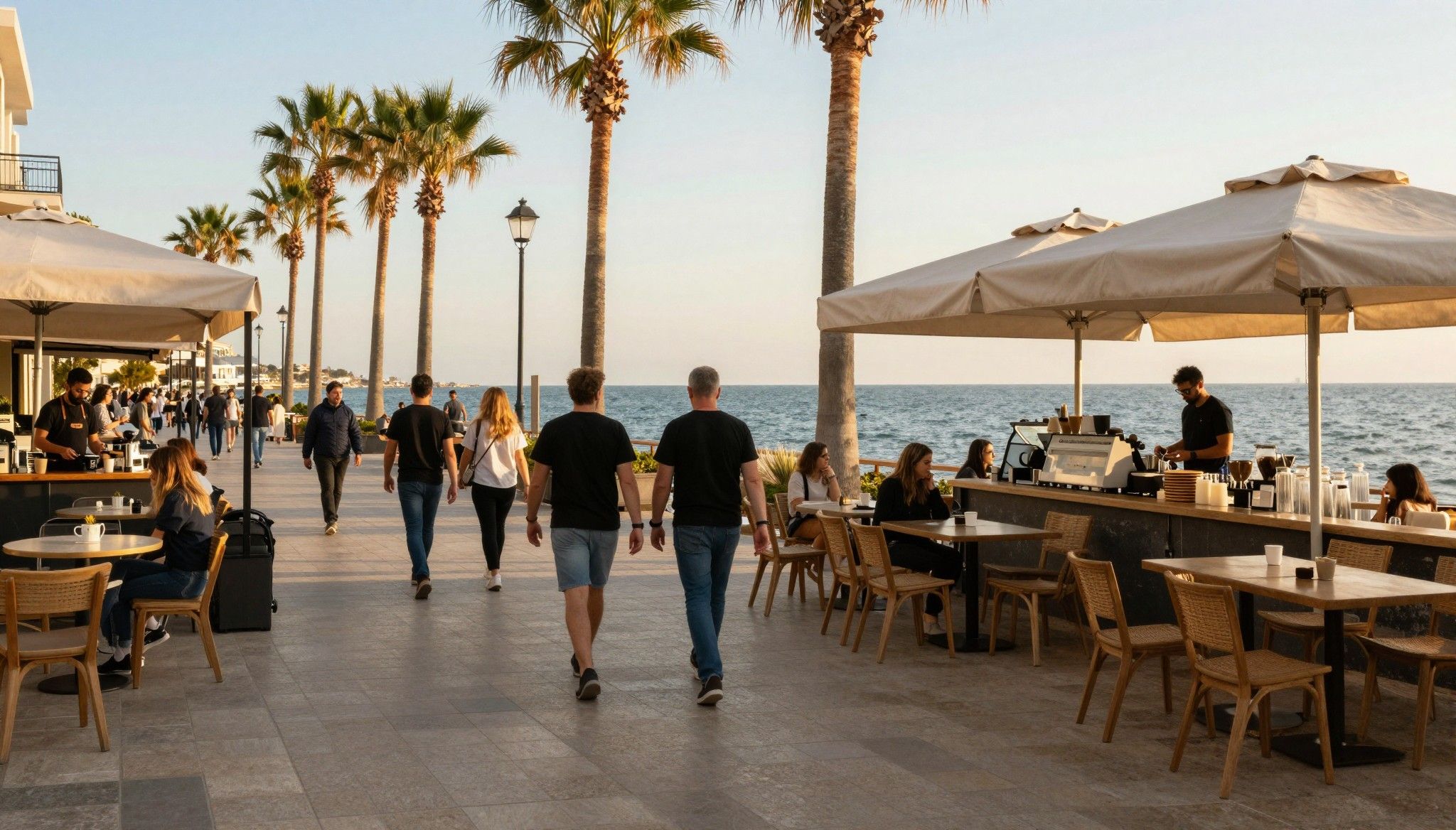
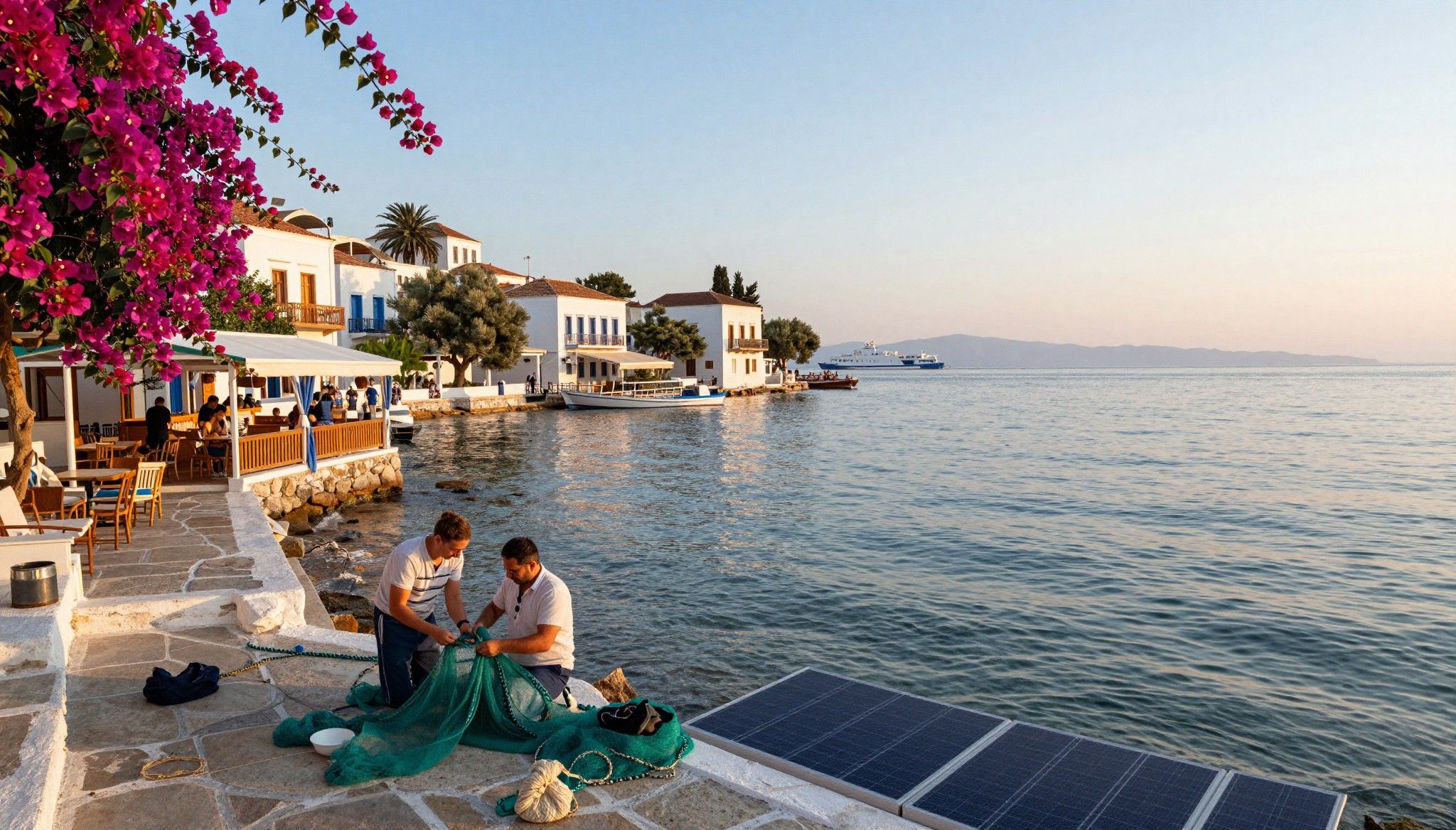
Imagine stepping out at dawn to the scent of citrus and pitas baking, then walking the seafront in Limassol as fishermen mend nets and a barista calls out your name. That warm, lived-in rhythm — sunlit mornings, slow lunches, and vibrant evenings — is the Cyprus that captures people’s hearts. But behind the romance there are real decisions to make: when to buy, which neighbourhood will sustain your lifestyle through the heat and the quiet months, and how to fold sustainability into everyday life here. Recent market readings show gentle price growth and shifting demand patterns that matter to international buyers.
Living Cyprus: a day, a year, a life
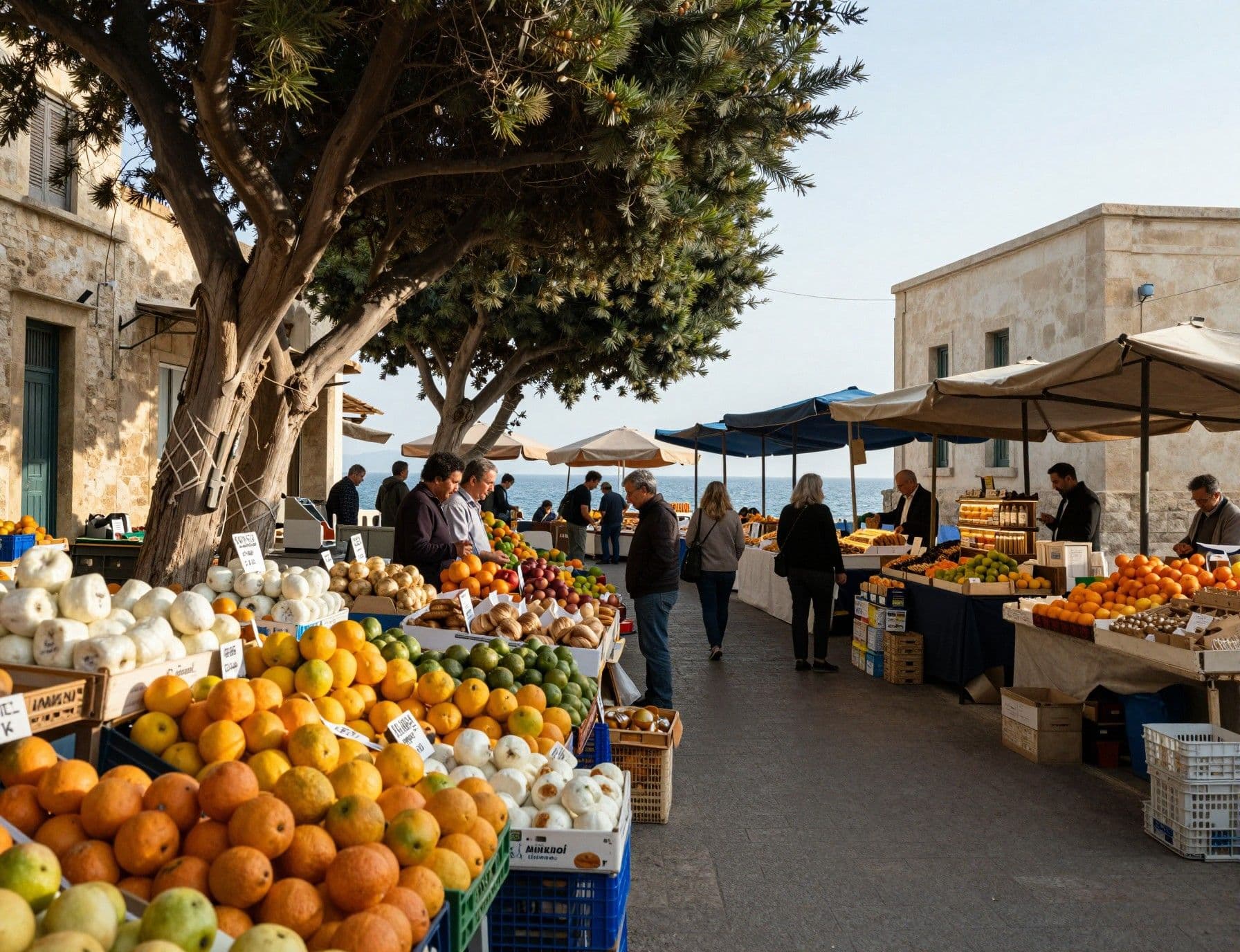
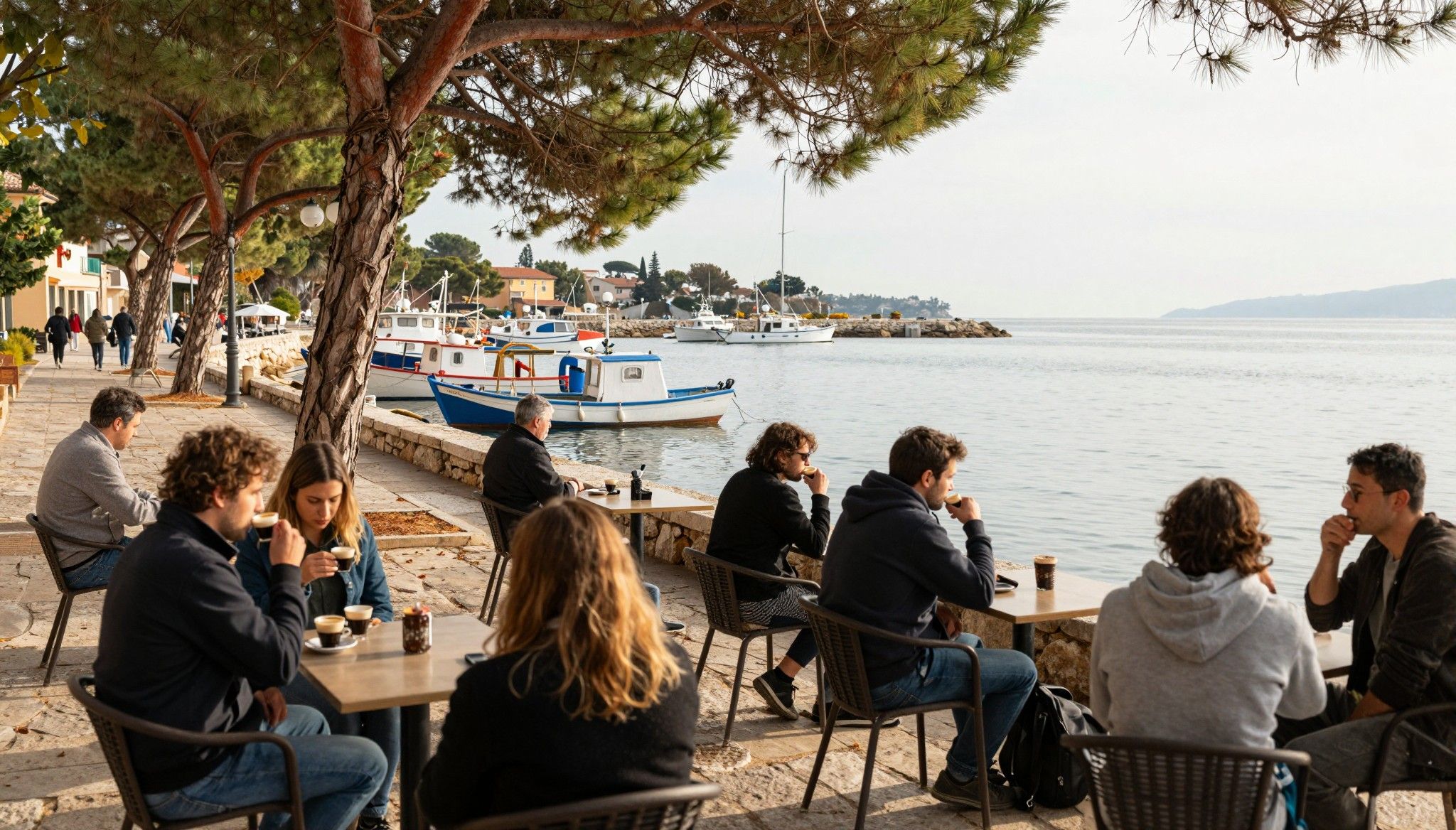
Cyprus is not a single mood; it is a palette. Mornings brim with island markets and seaside cafés in Limassol and Larnaca. Afternoons invite siestas or olive-grove walks in Paphos and the Troodos foothills. Evenings are for tavernas and small concerts under plane trees in Nicosia’s old quarter. The island’s compact scale means you can trade a coastal sunrise for mountain air in less than two hours — a freedom many international buyers cherish. That flexibility shapes what you buy: a modest apartment near a café scene, a restored stone house in a village with a drought‑resilient garden, or a veranda-facing villa built for cross-ventilation and solar panels.
Neighbourhood pulses: where life actually happens
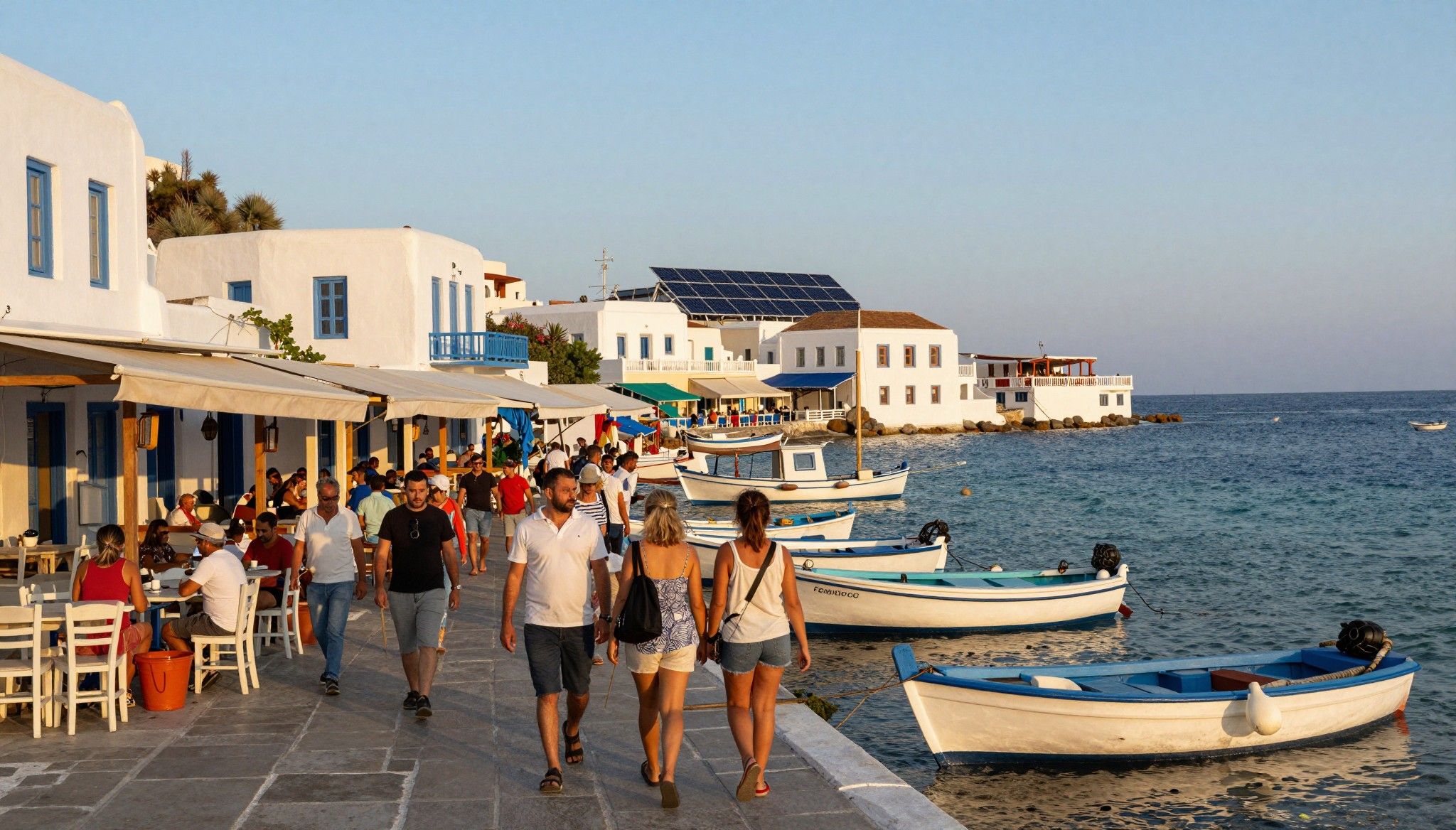
If you crave café culture and blue‑flag beaches, consider Limassol’s Old Port to Germasogeia stretch — beach walks in winter, festivals in summer, and a lively international community. For quieter days and a slower rhythm, Paphos’ Kato Paphos and the surrounding villages offer archaeology, wineries and coastal cliffs. Larnaca’s Finikoudes and the neighborhoods around Mackenzy Beach are practical choices for year‑round living with an easy airport run. Nicosia’s Strovolos and Engomi blend city conveniences, international schools and leafy streets — good for families. Each area brings distinct rhythms; the trick is matching the rhythm to how you want to live.
Food, markets and small rituals
A day in Cyprus often revolves around food: breakfast at a kafeneio with thick coffee, olives, halloumi and fresh bread; a slow lunch of grilled fish with lemon and wild greens; an evening stroll to a seaside taverna for meze and local wine. Farmers’ markets — Paphos market on a Saturday or Nicosia’s municipal market midweek — reveal seasonal produce and local makers, perfect for buyers seeking a farm‑to‑table life and gardens designed for native plants, not thirsty lawns.
- Lifestyle highlights to look for when choosing a neighbourhood
- Blue‑Flag beaches within 10–20 minutes (Limassol’s Dasoudi, Paphos’ Coral Bay)
- Daily market access (Paphos market, Larnaca municipal market)
- Walkable streets with cafés and small shops (Old Town Limassol, Nicosia’s Laiki Yitonia)
Making the move: lifestyle-led practicalities
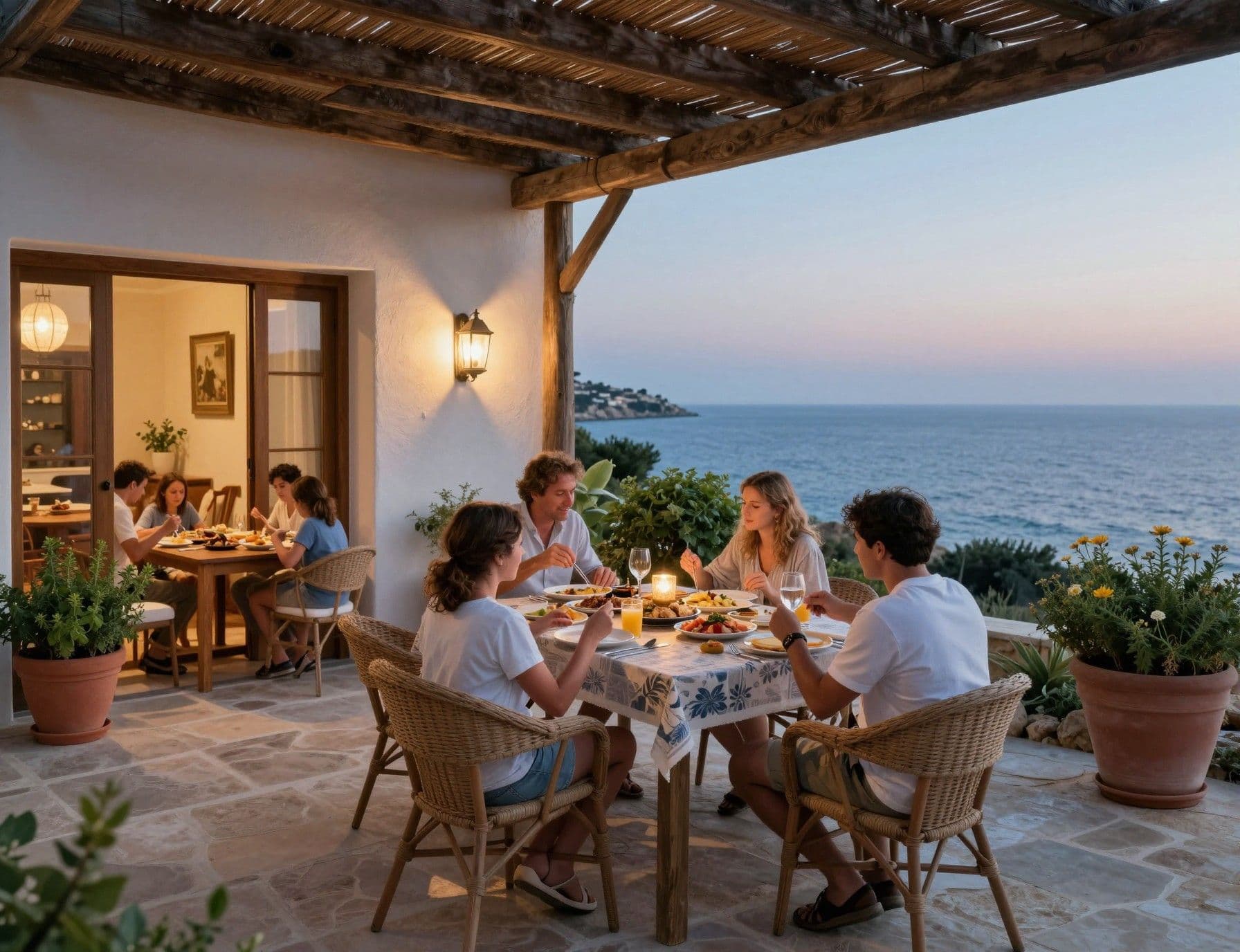
Dreams meet spreadsheets when you start looking seriously. Cyprus saw steady transaction volumes and mild price growth through 2024, with varied momentum across districts. That means negotiating from a place of knowledge — you don’t have to accept the headline asking price if the micro-market in a village or a second‑line coastal street shows slower demand. At the same time, sustainability features often add resale and lifestyle value: solar readiness, water‑wise landscaping, natural ventilation and local stone work well here.
Property types that suit island life
Stone village houses: thick walls, cool interiors and scope for passive retrofit. Coastal apartments: easy community living, terrace culture and sea breezes at dusk. New eco‑developments: often include rainwater capture, PV-ready roofs and native planting but check materials and true performance. When you choose, consider how the building will live in summer heat and winter rains — cross‑ventilation, shading and insulated walls matter more than a pool if you want low running costs and true comfort.
Work with local experts who speak lifestyle
A local agent who understands both sustainable retrofit and the cadence of neighbourhood life is priceless. Look for agents who can show recent transactions on the street, advise on seasonal noise (festival seasons), and introduce you to local tradespeople who reuse materials, plant native gardens and prioritise water‑efficient irrigation. For non‑EU buyers, local bureaucracy can require additional permissions — an expert will turn a maze into a shortlist of viable properties.
- A lifestyle-driven checklist for first visits
- Visit at least once in both summer and winter to feel seasonal rhythms and check cooling needs.
- Ask sellers about running costs (water, electricity, communal maintenance) and recent upgrades like PV or insulation.
- Meet neighbours and pop into the local kafeneio — social fit matters as much as square metres.
Insider knowledge: what expats wish they’d known
Expat buyers often confide the same lessons: don’t buy on a single visit, respect seasonal silence (many villages empty in high summer afternoons), and prioritise water and energy efficiency early — retrofits are easier when you plan them, not after problems appear. Also, the social fabric of a street can change faster than you think when tourism climbs; look for neighbourhoods with year‑round residents to avoid a holiday‑only feel.
Cultural nuances that shift where you buy
Cypriots prize hospitality and community, which surfaces in how properties are used: inner courtyards, shared rooftops and kitchen gardens are social spaces. Learning a handful of Greek phrases and attending a local festival — the Limassol Wine Festival or a village panigyri — will open doors and help you assess a neighbourhood’s communal life. That sense of belonging often makes a property feel like home far sooner than a list of features.
Longer-term lifestyle considerations
Think five to ten years ahead: will your street sustain local shops, will a property support an EV charger and battery storage, and can gardens be adapted to native species as water becomes scarcer? Neighborhoods near expanding international schools or improving public transport tend to retain lifestyle value and make resale or long‑term rental easier if your plans change.
If you love mornings by the sea, picture waking to gulls and coffee on a narrow terrace. If you prefer olive groves and evenings that slow to candlelight, imagine restoring a stone house with a native herb garden. Either way, let lifestyle be your compass first and the market data guide the details. Start with neighbourhood walks, ask for recent sales on the street, and work with an agent who values low‑impact living as much as you do. When you’re ready, Moss & Hearth can connect you with local, sustainability‑minded partners who translate island life into practical steps.
Danish relocation specialist who moved from Copenhagen to the Algarve; supports families with seamless transitions, local partnerships, and mindful purchases.