Cyprus: Streets, Sun and Sustainable Living
Sensory, insider-led start to buying in Cyprus: match island rhythms—from Laiki Geitonia to Limassol Marina—with green features like solar thermal and retrofit potential.
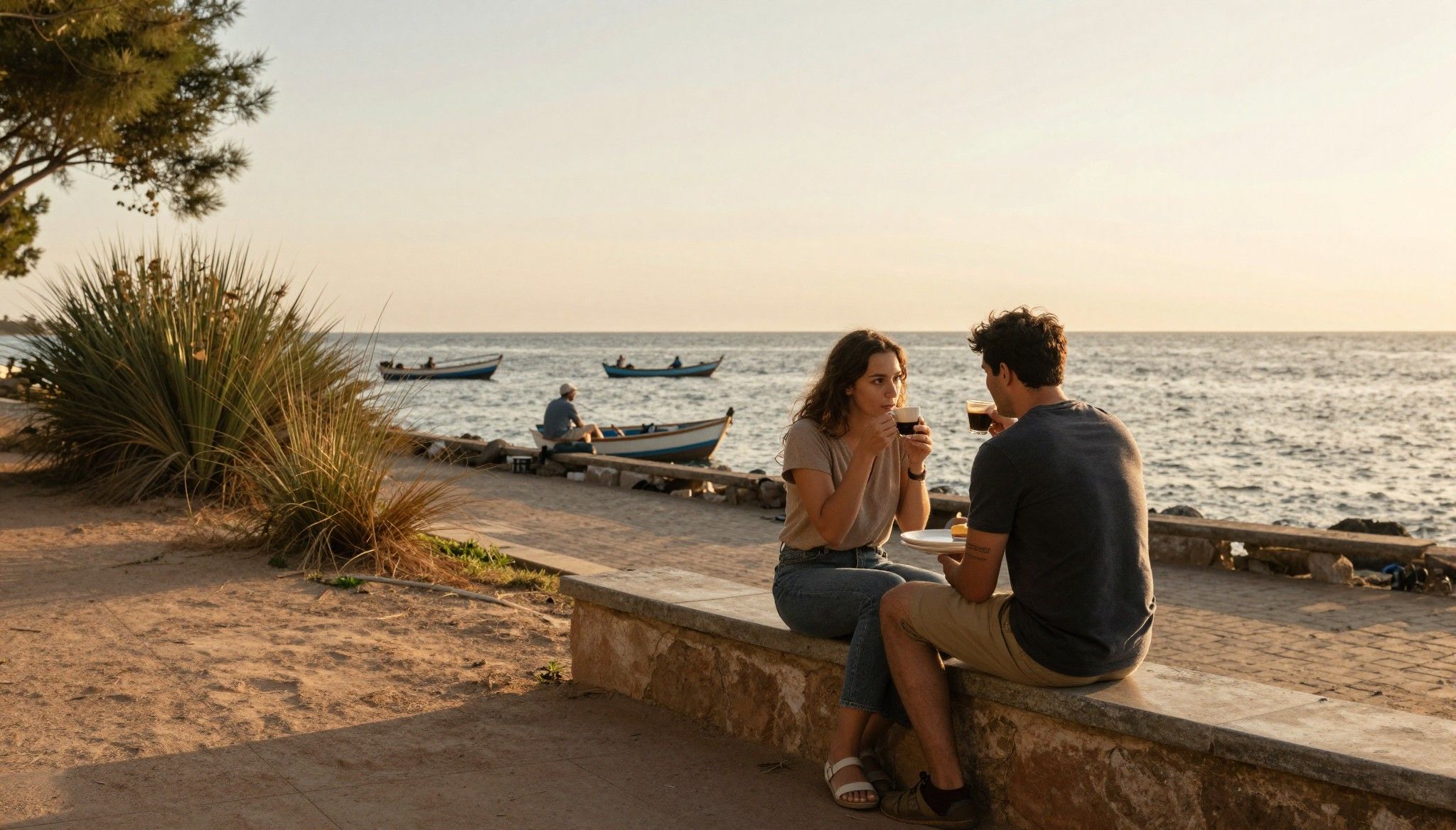
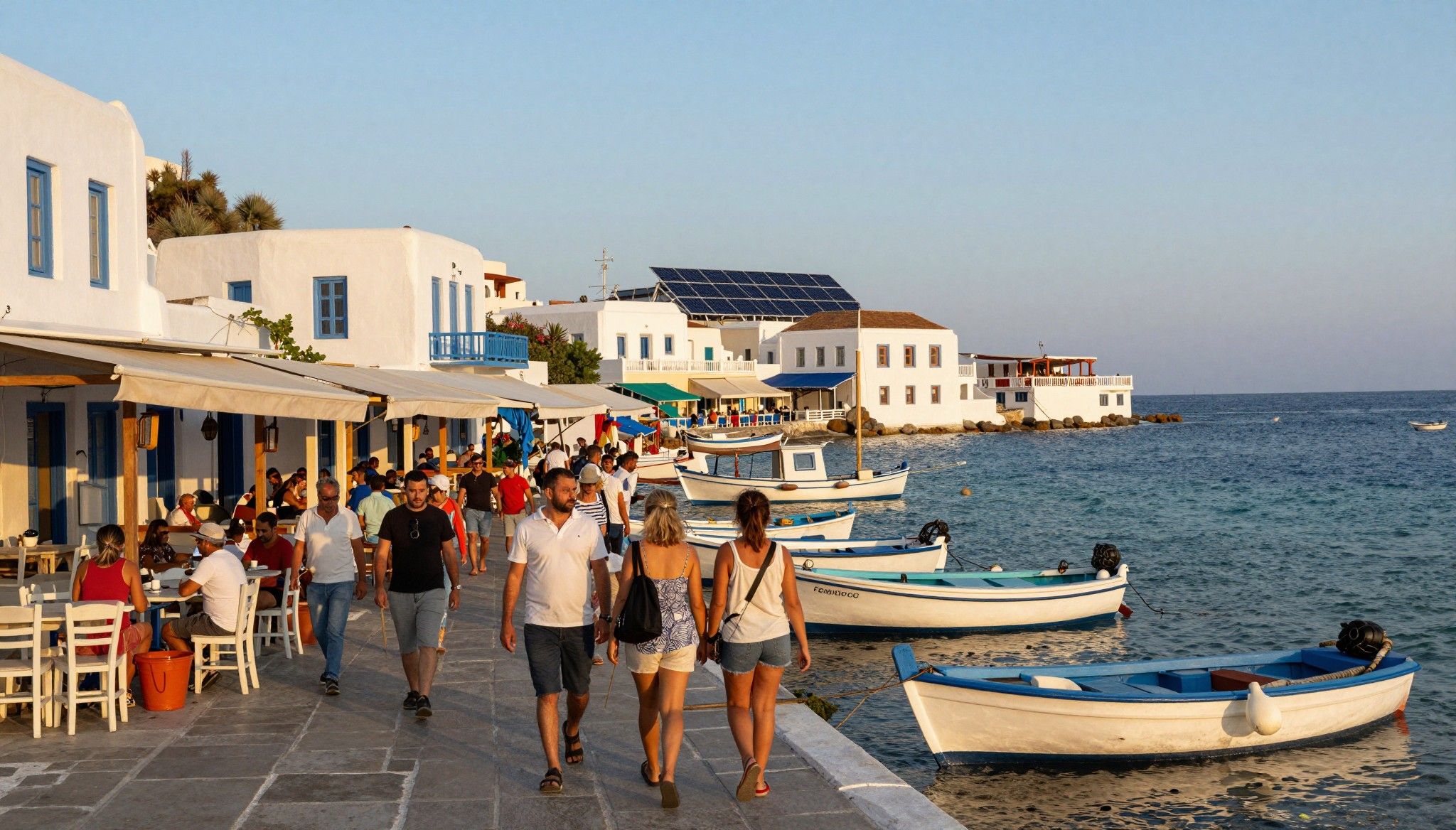
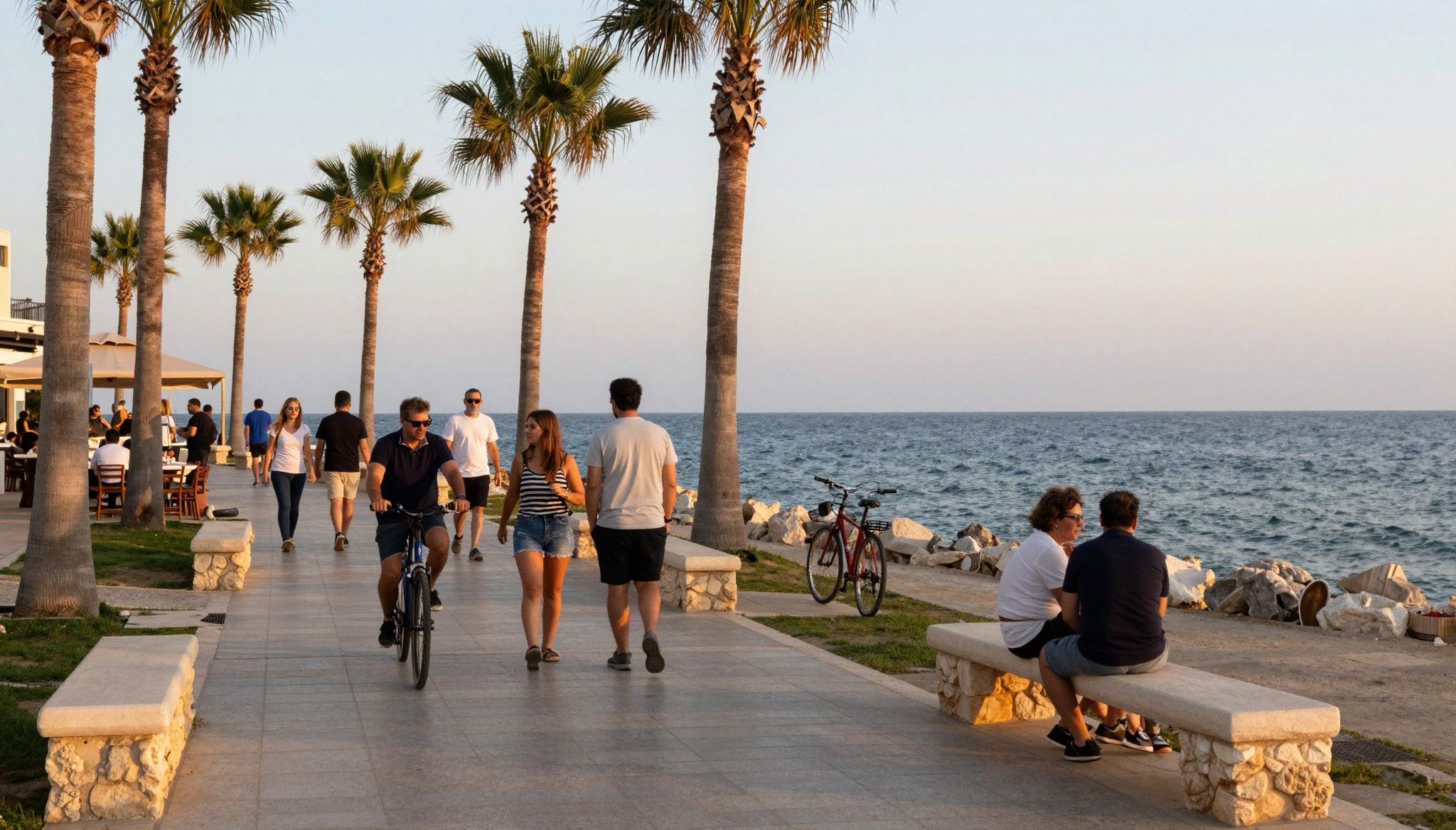
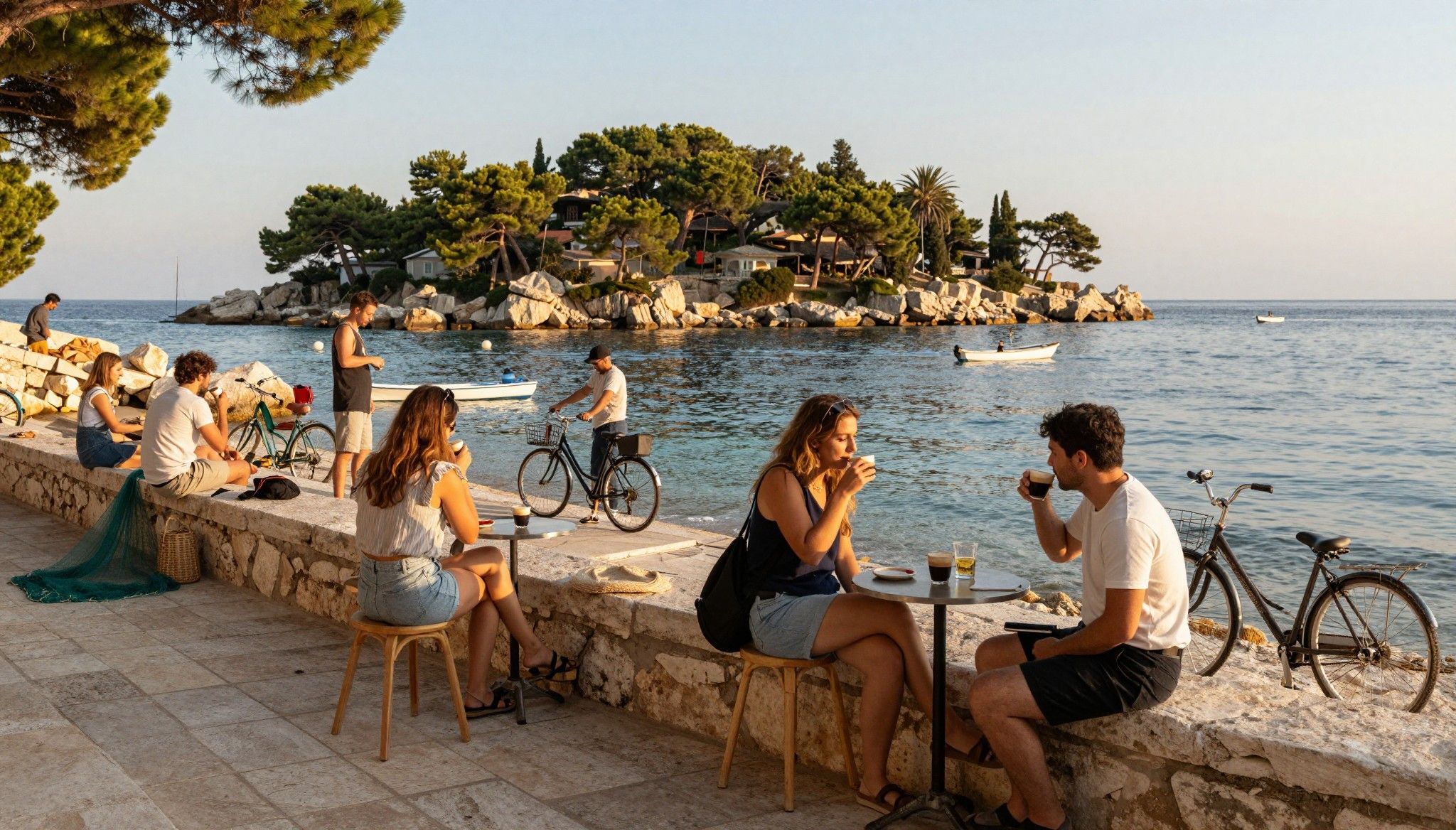
Imagine waking to the scent of orange blossom, strolling from a stone‑paved courtyard to a sunlit café on Laiki Geitonia, then ending the day with a walk along Limassol Marina as boats bob in golden light. Cyprus feels both intimate and expansive: island rhythms slow around family meals and village festivals, but cities pulse with a curious, international energy. For buyers who care about place—and the planet—this island offers a rare mix: traditional stone villages, coastal terraces, and an ingrained culture of solar living that shapes how homes are used.
Living the Cyprus life: sensory stories, streets and seasons
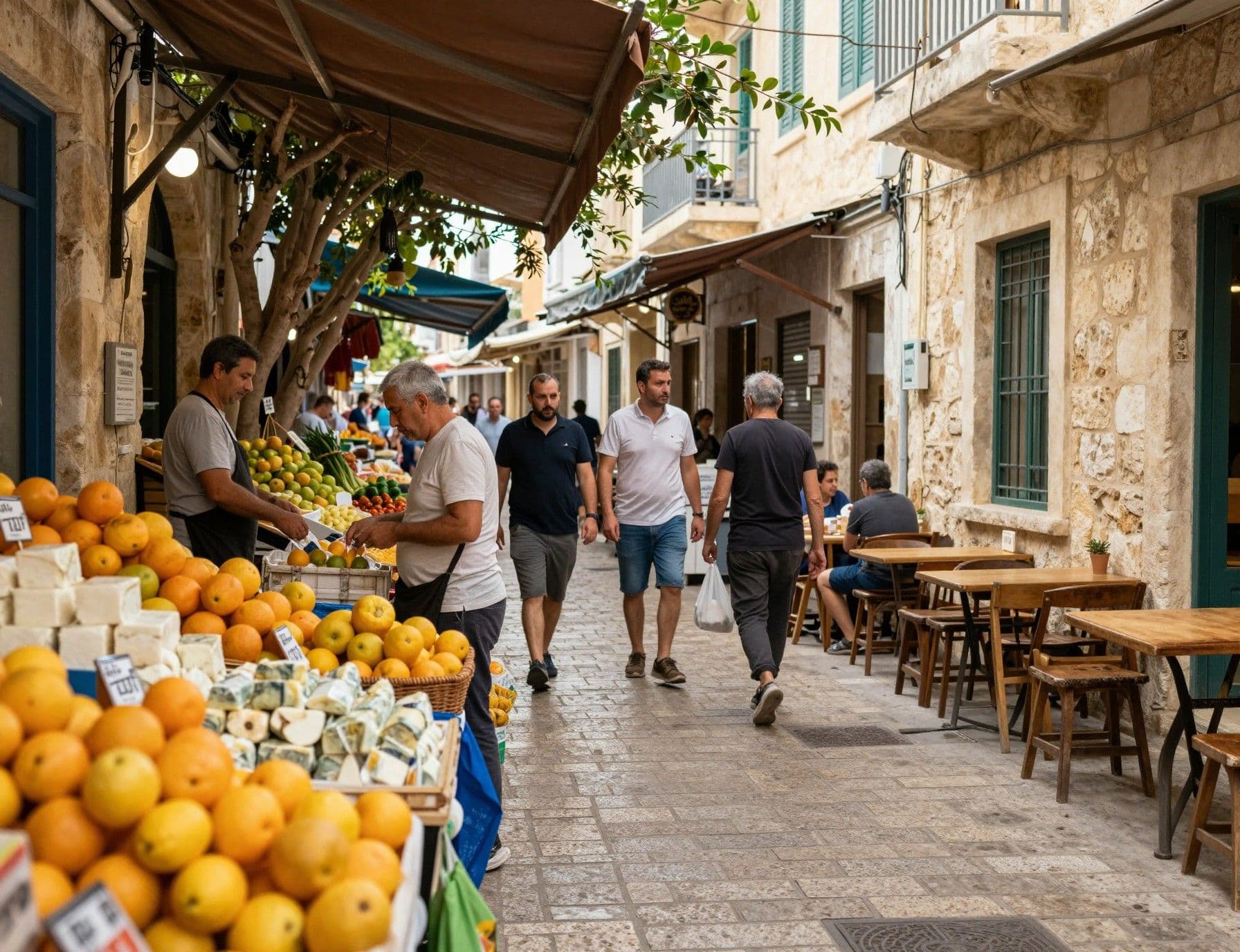
Days in Cyprus are measured by light and season more than clocks. In spring the countryside hums—oleander and wild herbs scent country roads around Omodos and Kakopetria. Summers bring algal‑clear mornings on Fig Tree Bay and afternoons of slow socialising under pergolas. Winters are mild along the coast and sharper inland in the Troodos foothills, where stone houses hold heat and a small wood fire feels like a ceremony.
Neighbourhoods that teach you the island
Each district offers a different daily mood. Limassol’s old quarter (Laiki Geitonia) is a coffee‑and‑craft haven with small bakeries and sea views; Paphos mixes archaeological quiet with a growing expat community around Kato Paphos; Larnaca’s Finikoudes promenade feels breezy and neighbourly; Nicosia’s Ledra and old town are where traditional tavernas meet a quietly creative city life.
Food, markets and local rhythms
Start with a warm koulouri from a corner bakery, wander a Saturday market for halloumi and thyme honey, then join a seaside mezze at dusk. Tourism numbers—driven largely by UK and Israeli visitors—keep coastal towns lively and support seasonal markets, festivals and a buoyant small‑business scene that buyers often say makes integration easier. These living rhythms matter when you choose a street, not just a floor plan.
- Limassol Marina evening strolls; Kato Paphos archaeological mornings; Larnaca Finikoudes beach breakfasts; Omodos village wine festival; Troodos winter chestnut markets; Local bakeries and weekly farmers’ markets
Making the move: how lifestyle choices steer practical decisions
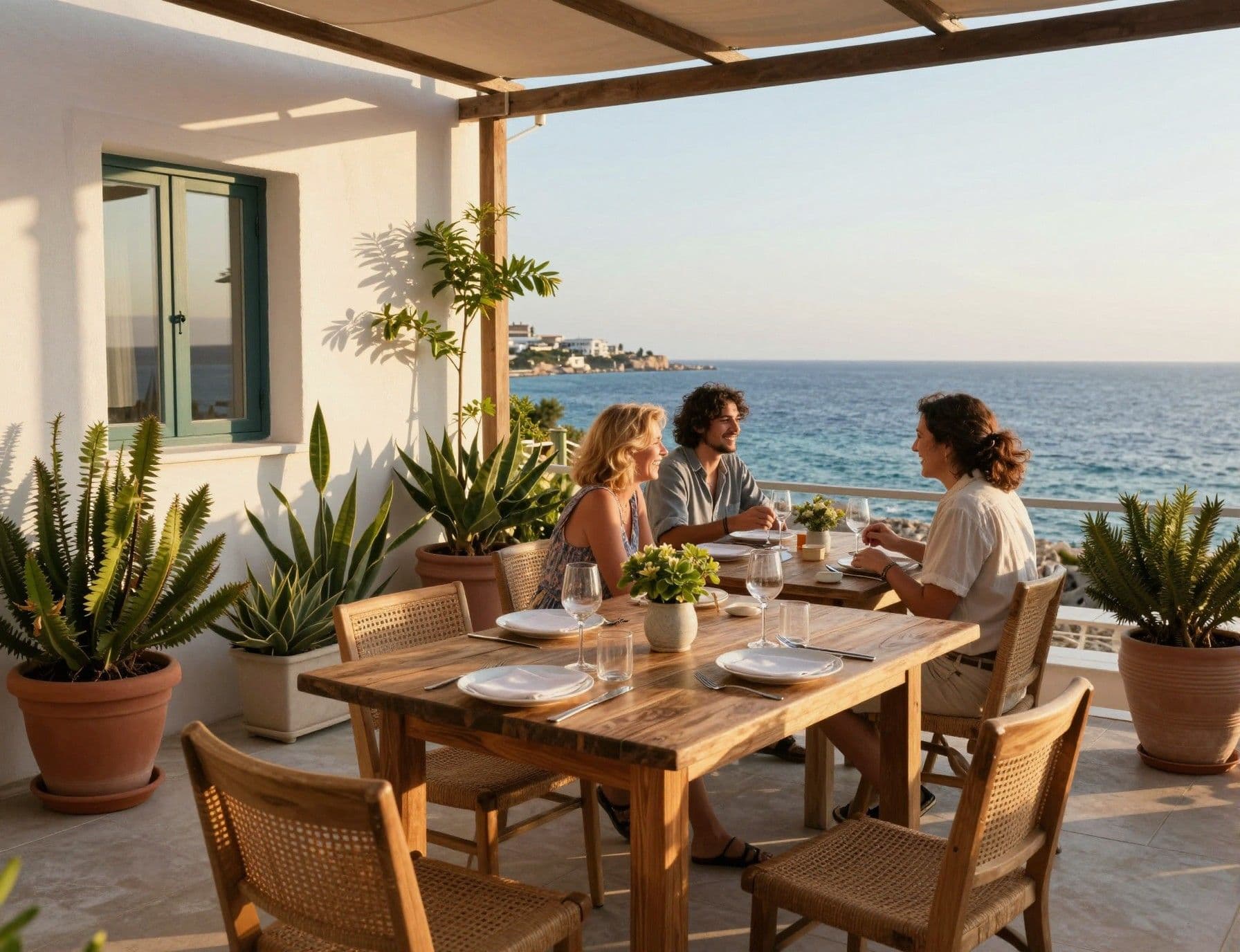
Cyprus’s market is active and idiosyncratic: recent reports show strong transaction volumes and a resilient appetite for coastal and city properties. That market energy means desirable streets and sustainably minded homes can move quickly—so marrying your lifestyle wish‑list (village pace vs marina social life) to a clear process is essential.
Property styles and how they shape daily life
Stone village houses cradle slow, seasonal living; coastal apartments unlock communal terraces, easy walking and a year‑round café culture; purpose‑built eco developments can offer rooftop PV, rainwater capture and native landscaping for low maintenance stewardship. Think: will you cook with local produce and walk to market, or do you want a compact lock‑and‑leave by the marina? The home you choose should support that daily script.
Work with experts who know both place and planet
Local agents, green architects and surveyors familiar with Cypriot planning norms and micro‑climates help you match lifestyle to property. Official land transfer data shows high volumes in coastal districts, so a local team speeds discovery, interprets title nuances and spots genuine eco‑upgrades versus greenwashing.
- 1. Clarify lifestyle non‑negotiables (walkability, community, sea access). 2. Shortlist neighbourhoods with matching daily rhythms (e.g., Laiki Geitonia for cafes, Kato Paphos for culture). 3. Ask agents for evidence of green features (solar PV capacity, water‑wise landscaping, insulation). 4. Commission a local energy/structure audit. 5. Reserve with a clear contract that ties repairs/retrofits to completion.
Insider knowledge: what expats wish they’d known (and why it matters)
Practical truths surface only after living here: title paperwork can be layered, coastal microclimates affect maintenance, and nearly every rooftop tells a story—Cyprus leads Europe in solar water heating adoption, which changes how households use energy. Market data shows strong transaction volumes—foreign buyers are active—so expect competition for well‑located, sustainably equipped homes.
Cultural notes and daily integration
Language is easy to bridge—English is widely used in business and hospitality—while social life orbits family and shared meals. Join a village festival, learn a few phrases, and you’ll be invited into rhythms that make a place feel like home. For eco‑minded buyers, local craftsmen and agricultural cooperatives are invaluable allies in creating gardens that feed you and pollinators alike.
Long‑term lifestyle stewardship
Think beyond the sale: retrofit potential, native planting, energy measures and local maintenance networks determine whether your dream endures. Market analyses suggest enduring demand—so pairing lifestyle priorities with concrete stewardship plans protects both quality of life and long‑term value.
- Commission an energy audit; prioritise native, drought tolerant landscaping; check existing solar thermal or PV capacity; confirm building permit provenance; meet neighbours to learn about seasonal noise and traffic
Cyprus can be the place where slow breakfasts, sunlit terraces, and low‑impact homes fit into a meaningful daily life. If you’re drawn to stone lanes, coastal cafés, and a culture that already uses the sun to heat its water, start by visiting the specific streets you imagine living on, bring a local inspector, and ask your agent to prioritise genuine green features. When lifestyle leads the search, the practical steps fall into place.
British expat who traded Manchester for Mallorca in 2017. Specializes in guiding UK buyers to luxury Spanish estates with clear navigation of visas and tax.