Cyprus: Seasonal Life, Waterwise Homes and Smart Starts
A sensory introduction to Cyprus life with practical, sustainability-minded buying steps — from neighbourhood rhythms to water-wise property checks.
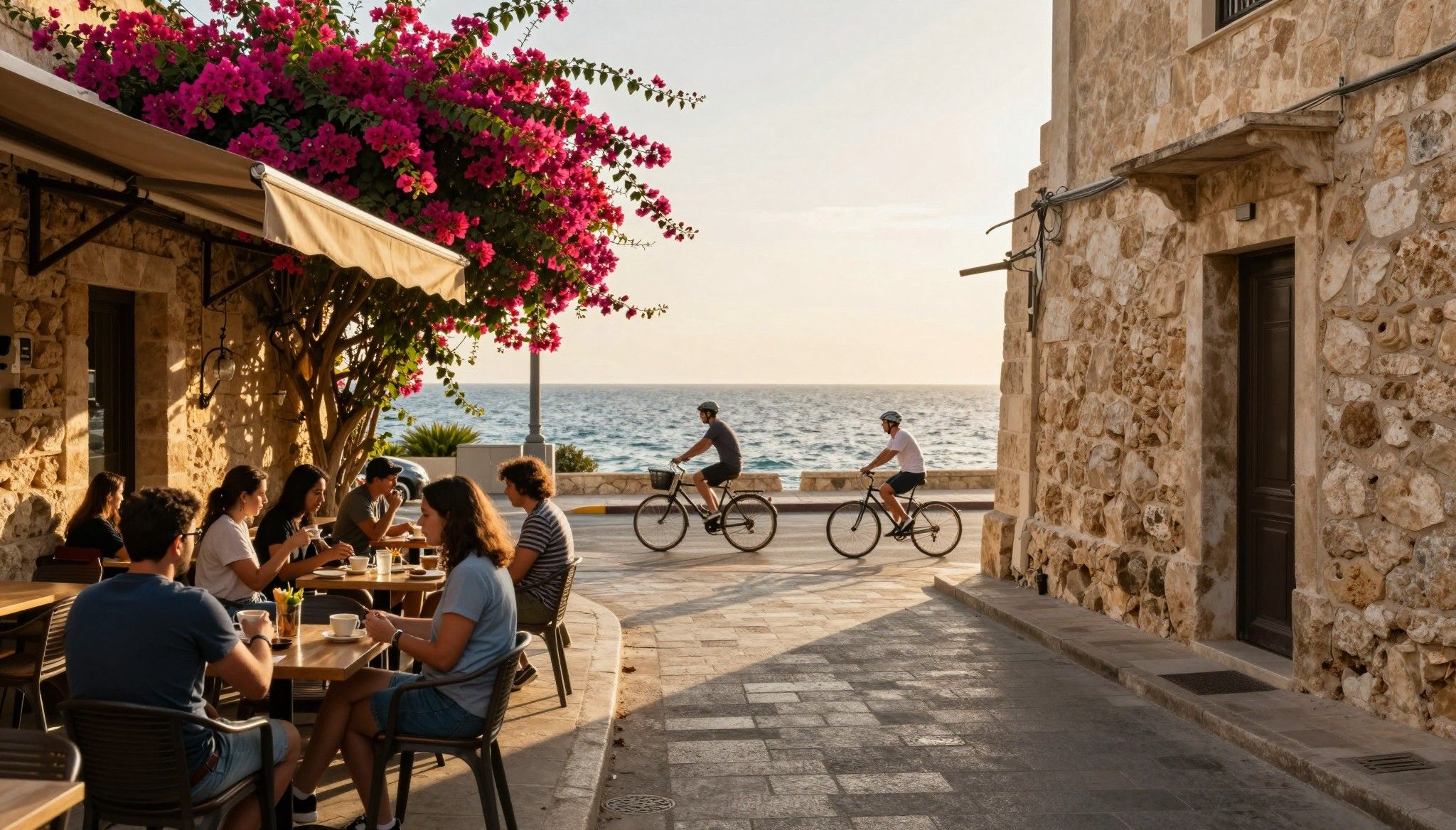
Imagine waking to a cool morning breeze on a stone terrace in Paphos, the sea a soft shimmer beyond olive trees, while a nearby bakery fills the air with warm halloumi and sesame buns. In Cyprus, everyday life moves between seaside rituals and mountain-fresh afternoons; it is a place where sunlight shapes rhythms, local markets set the social calendar, and neighbourhoods still gather in small cafes as the day slows into long, easy evenings.
Living the Cyprus lifestyle
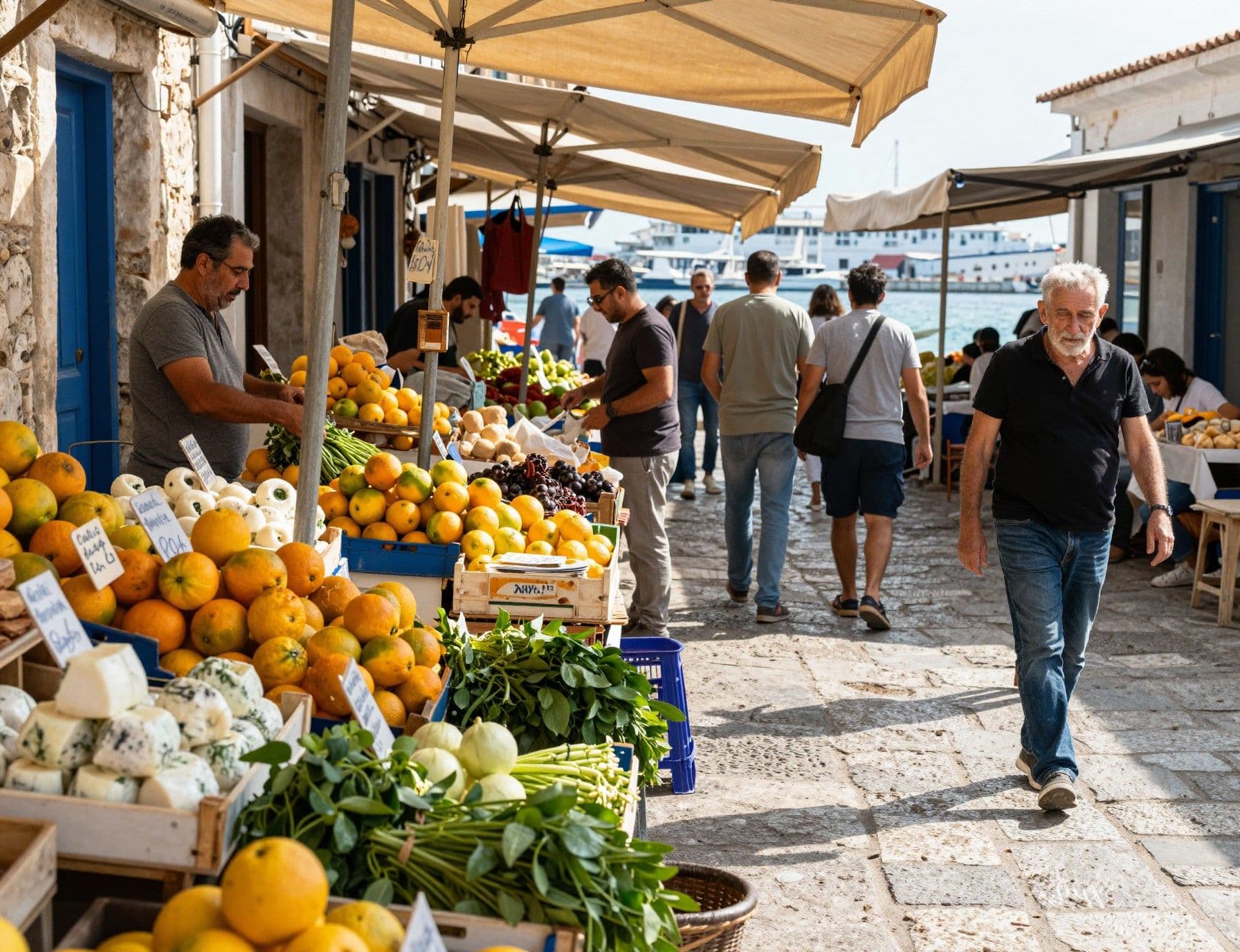
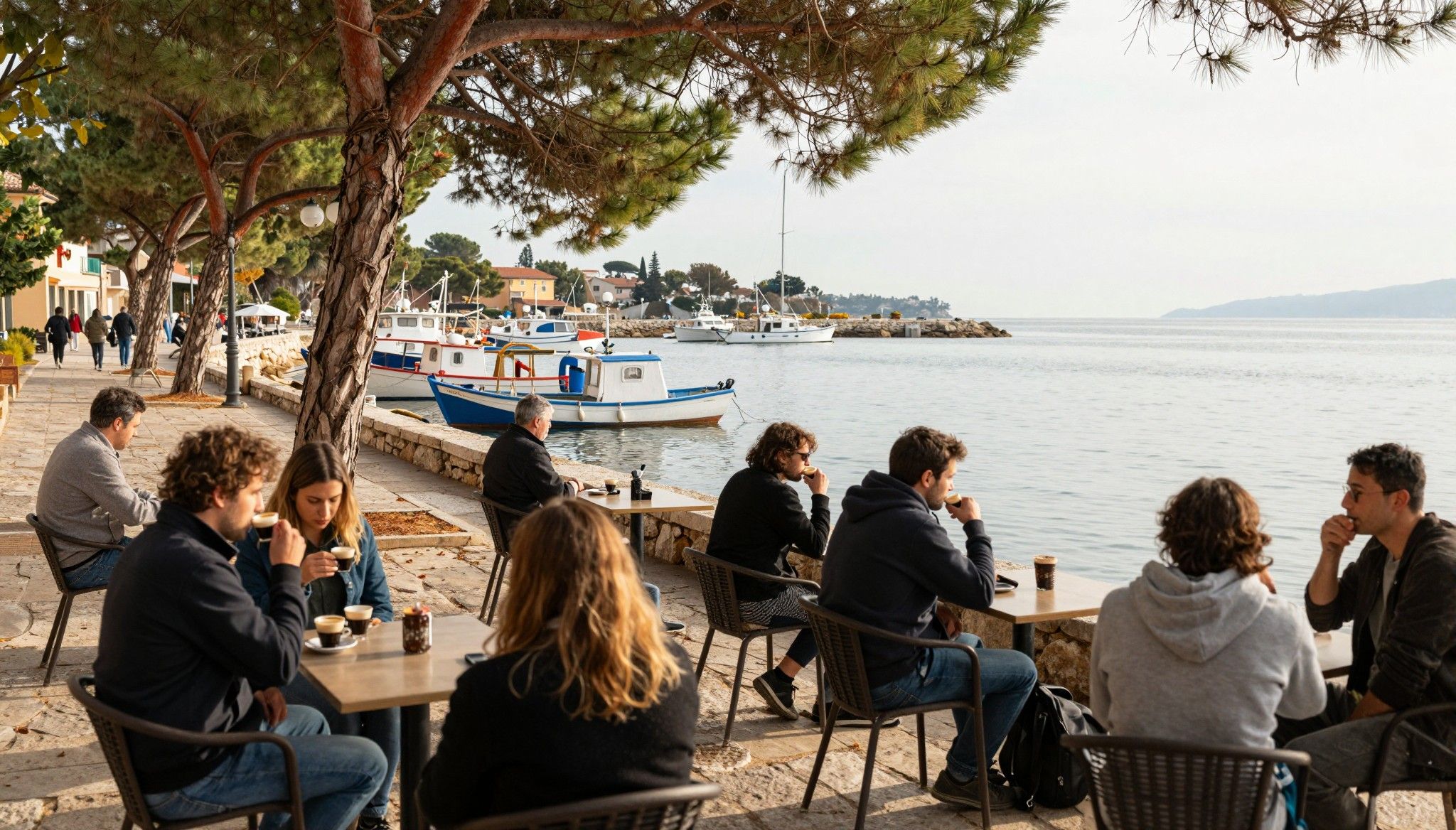
Cyprus feels like a mosaic of small, intense pleasures: morning espresso at a sun-faded counter in Limassol’s Old Port, a weekend vegetable haul from Larnaca’s municipal market, and October afternoons in the Troodos where villages smell of wood smoke and wet pine. These simple textures—stone, sea, citrus groves—shape how people live and what they look for in a home: shaded courtyards, terraces built for long lunches, and gardens that can survive dry summers with minimal irrigation.
Neighbourhood note: Limassol’s old harbour vs Kato Paphos
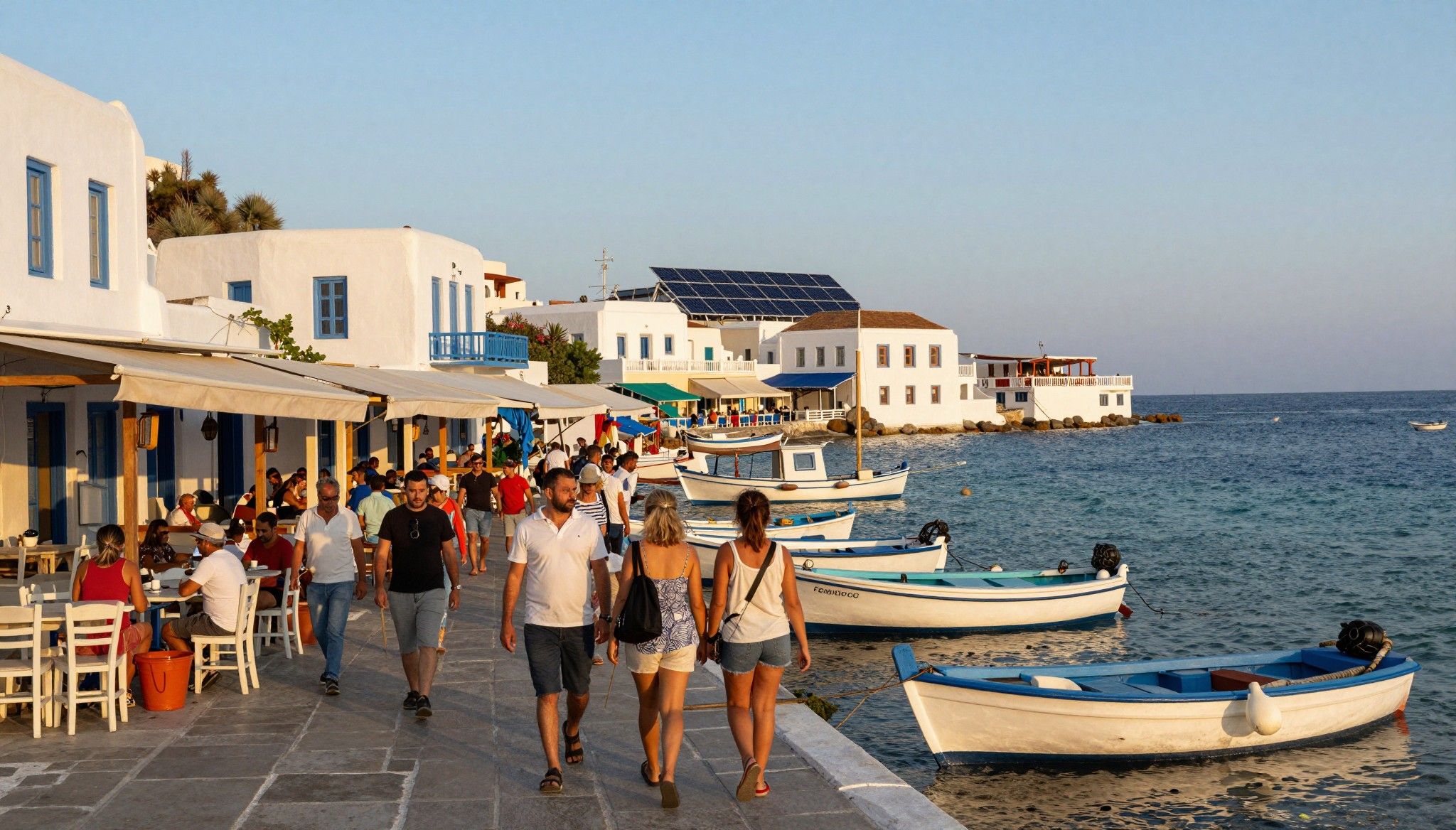
Limassol’s Old Harbour hums with waterfront promenades and cafés where digital nomads and families mix; narrow streets behind it hide artisans’ workshops, slow-food restaurants and compact apartments that open onto communal life. Kato Paphos, by contrast, feels holiday-soft: seaside strolls, archaeological corners, and quieter residential pockets—perfect for buyers who want daily beach time and calm evenings without the limassol bustle.
Food, markets and weekend rituals
Weekends in Cyprus are about open-air markets, meze shared slowly, and fresh fish grilled beside the water. From Larnaca’s municipal market to small fruit stands on the road to Troodos, these places are social infrastructure—important to consider when choosing a neighbourhood. If you crave daily market walks, seek properties near town centres or older quarters where markets and cafes cluster within easy strolling distance.
- Market highlights: strollable harbours, weekly village markets, coastal walking paths, Troodos weekend escapes, family-friendly seaside squares
Making the move: practical considerations with a green heart
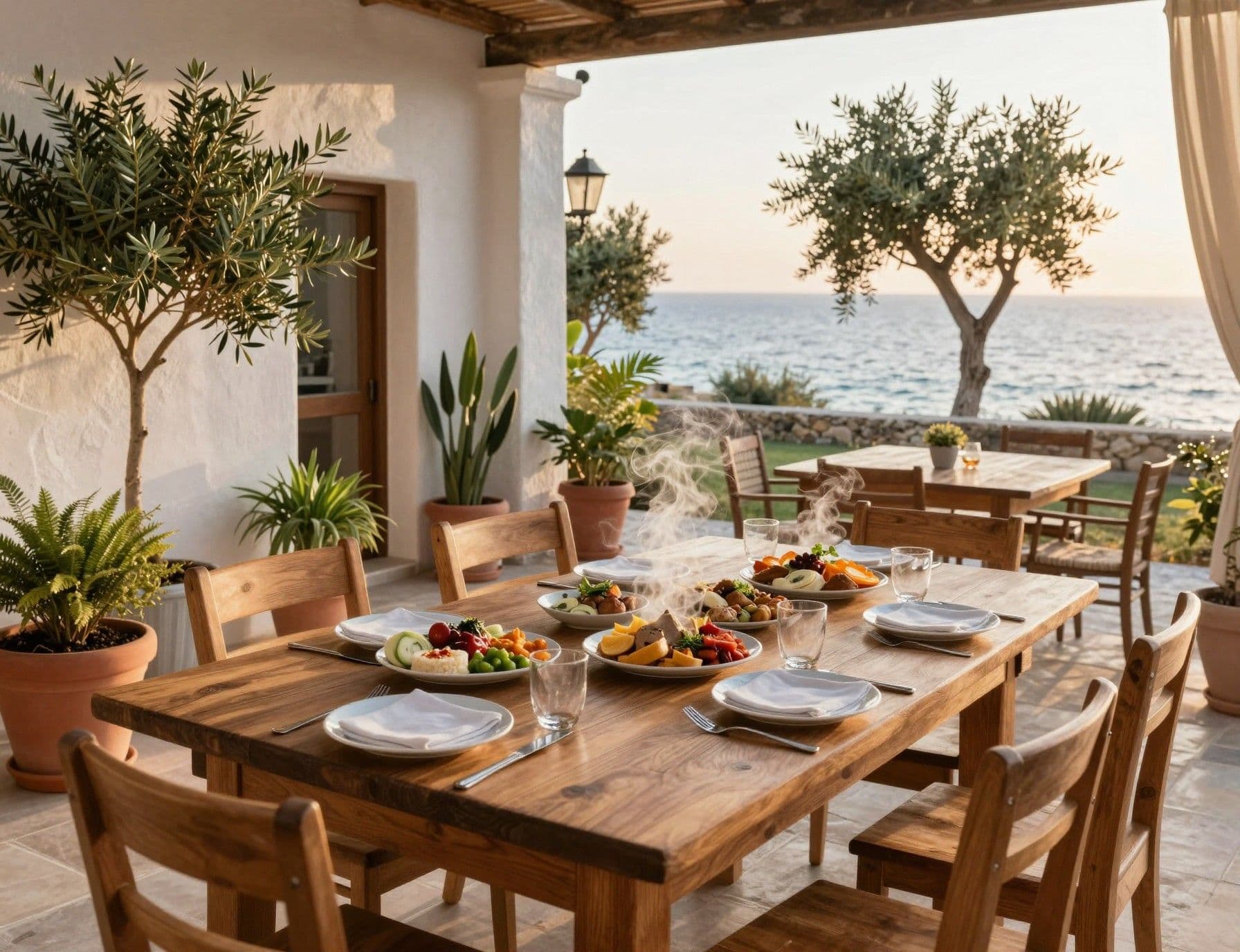
The dream of living on a sunlit terrace must meet local realities: regional price differences, seasonal weather, and practical sustainability needs like water resilience and energy. Cyprus’s housing market has continued to show steady growth in recent years, so timing and location matter—buying with an eye to long-term livability and low-impact running costs will repay you in comfort and resilience. Reliable market data (Central Bank reports, local consultancies) can help you see where growth is concentrated and where quieter value exists.
Property styles that fit the lifestyle
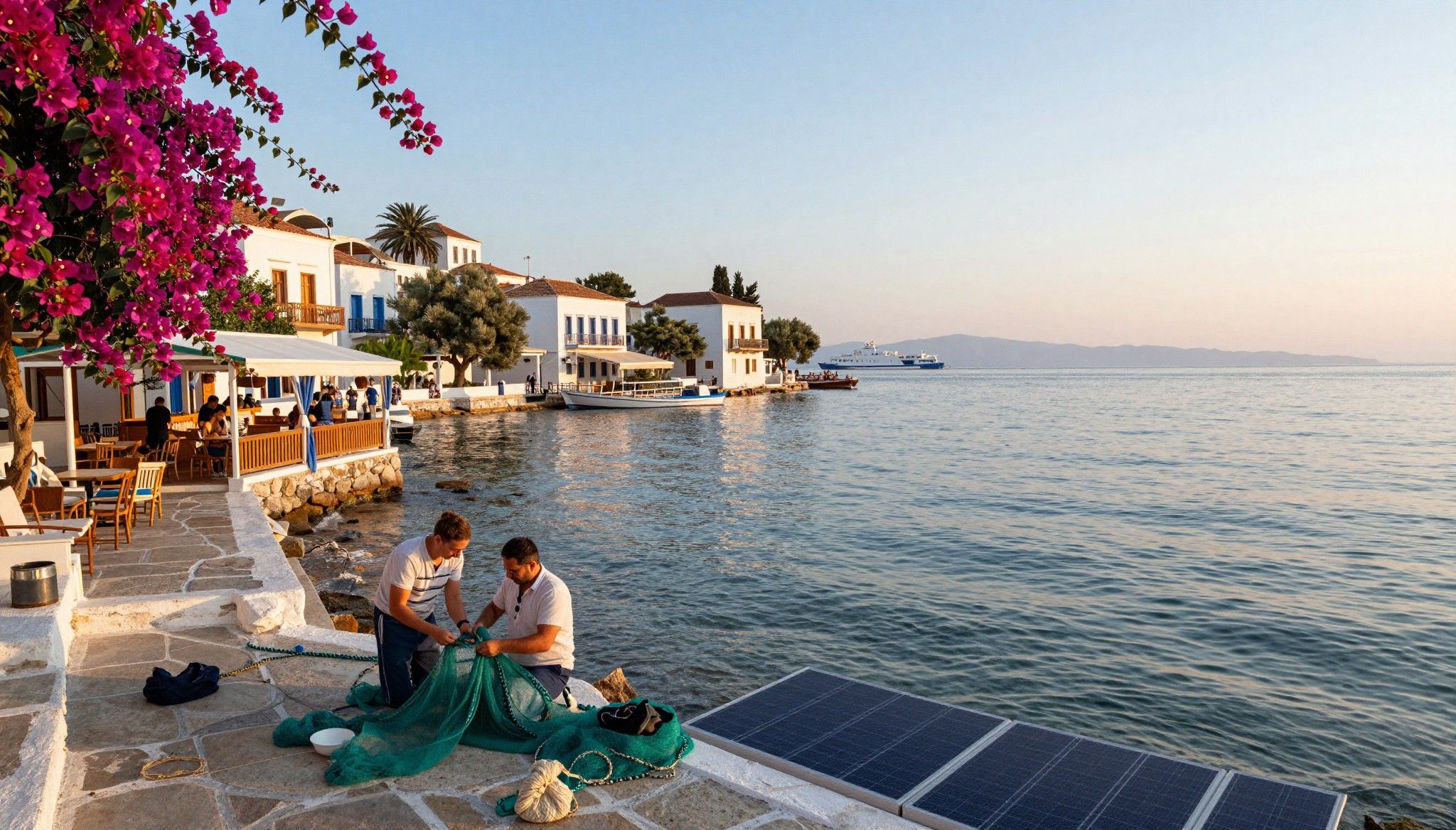
Stone cottages in mountain villages, modern seafront apartments in Limassol, and courtyard homes near Paphos each invite different daily habits. Choose based on seasonality (do you want to enjoy a garden year‑round?), energy needs (can the roof hold solar panels?), and maintenance (traditional lime‑plastered walls need different care than new render). For eco-conscious buyers, prioritise passive cooling features, shaded outdoor rooms, and native landscaping that minimises irrigation.
Working with local experts who know place and practice
Find an agent who speaks the language of lifestyle as well as law: someone who can point to which streets hold evening markets, which plots get the afternoon shade, and which developments prioritise renewables. Ask about local planning history, microclimate, and water management—Cyprus has been investing in desalination and water infrastructure due to drier winters, a factor that should shape landscaping and long-term stewardship plans.
- Steps to marry lifestyle and process: 1. List your daily rituals (market visits, sea swims, mountain walks). 2. Match rituals to neighbourhoods—spend a week living like a local in each area. 3. Request building energy and water performance details from sellers. 4. Insist on inspection of roof orientation (for solar), storage for rainwater, and native planting plans.
Insider knowledge: what expats wish they’d known
Buyers often underestimate two things: seasonality and neighbourliness. Summers are long and luminous—outdoor living is essential—while winters can be unexpectedly dry, which affects gardens and wells. Neighbour relations matter in Cyprus: shared courtyards, village committees and neighbourly trade shape day‑to‑day life. Invest time in local introductions; the social capital you build is as valuable as any renovation.
Practical green tradeoffs to consider
Solar-ready roofs may require structural upgrades; native landscaping reduces water use but may take a season to mature; traditional stone houses are beautiful and thermally comfortable but may need insulation work to meet modern efficiency targets. Balance charm with forward-looking upgrades—prioritise passive strategies first (orientation, shading, thermal mass) before adding mechanical systems.
- Red flags and quick checks: - No documented water or irrigation plan for the property - Roofs unsuitable for PV without major reinforcement - Landscaped plots with non-native, high-water plants - Lack of clear title history or unresolved planning permissions
Picture the change: mornings shopping with stallholders who know your name, afternoons reading in a courtyard cooled by vines, and evenings where neighbours share home-cooked food on a shared terrace. If that picture fits you, Cyprus rewards gently. Next practical steps: spend concentrated time in your shortlist of neighbourhoods, ask sellers about energy and water performance, and engage a locally rooted agent who understands seasonal life and sustainability. Start there—and bring a love of slow, sunlit living with you.
Dutch property strategist who helped 200+ families find sustainable homes in southern Europe; expert in legal pathways and long-term stewardship.