Why Autumn Is Cyprus's Quiet Window to Greener Value
Choose Cyprus in autumn: quieter viewings, clearer negotiating room, and homes that lend themselves to low‑impact living—backed by Central Bank and Statistical Service data.
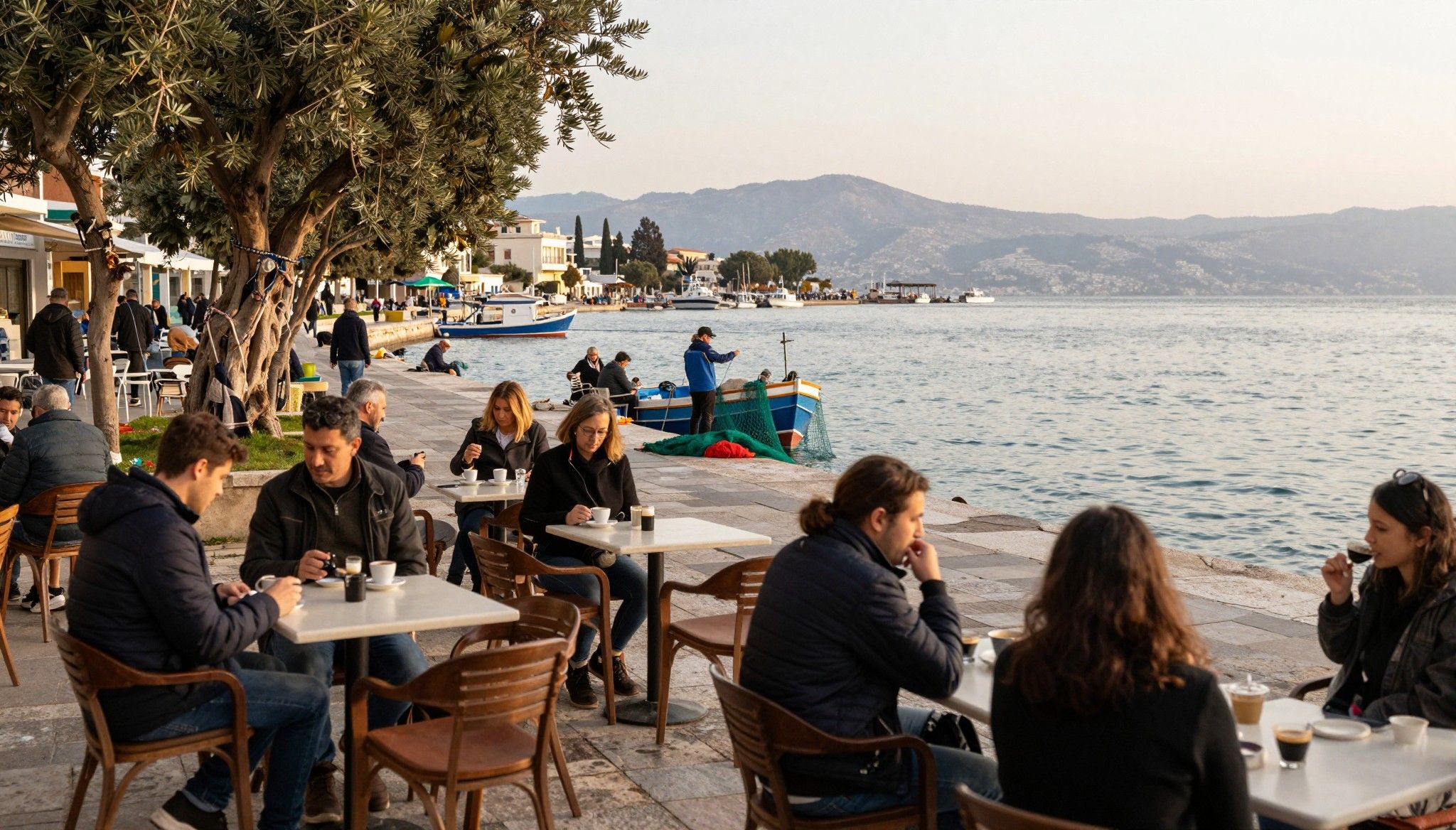
Imagine an early autumn morning in Cyprus: the air still warm from late summer, figs glistening on a balcony rail, and the harbour cafés in Limassol filling with quiet conversation. This is the season when the island softens—beaches are emptying, olive groves hum with harvest work, and the real estate market shifts from flash sale to considered choice. For international buyers seeking a home that respects landscape, seasonality and long-term stewardship, Cyprus in autumn offers both lifestyle intimacy and tactical buying advantage.
Living Cyprus: light, land and local rhythms
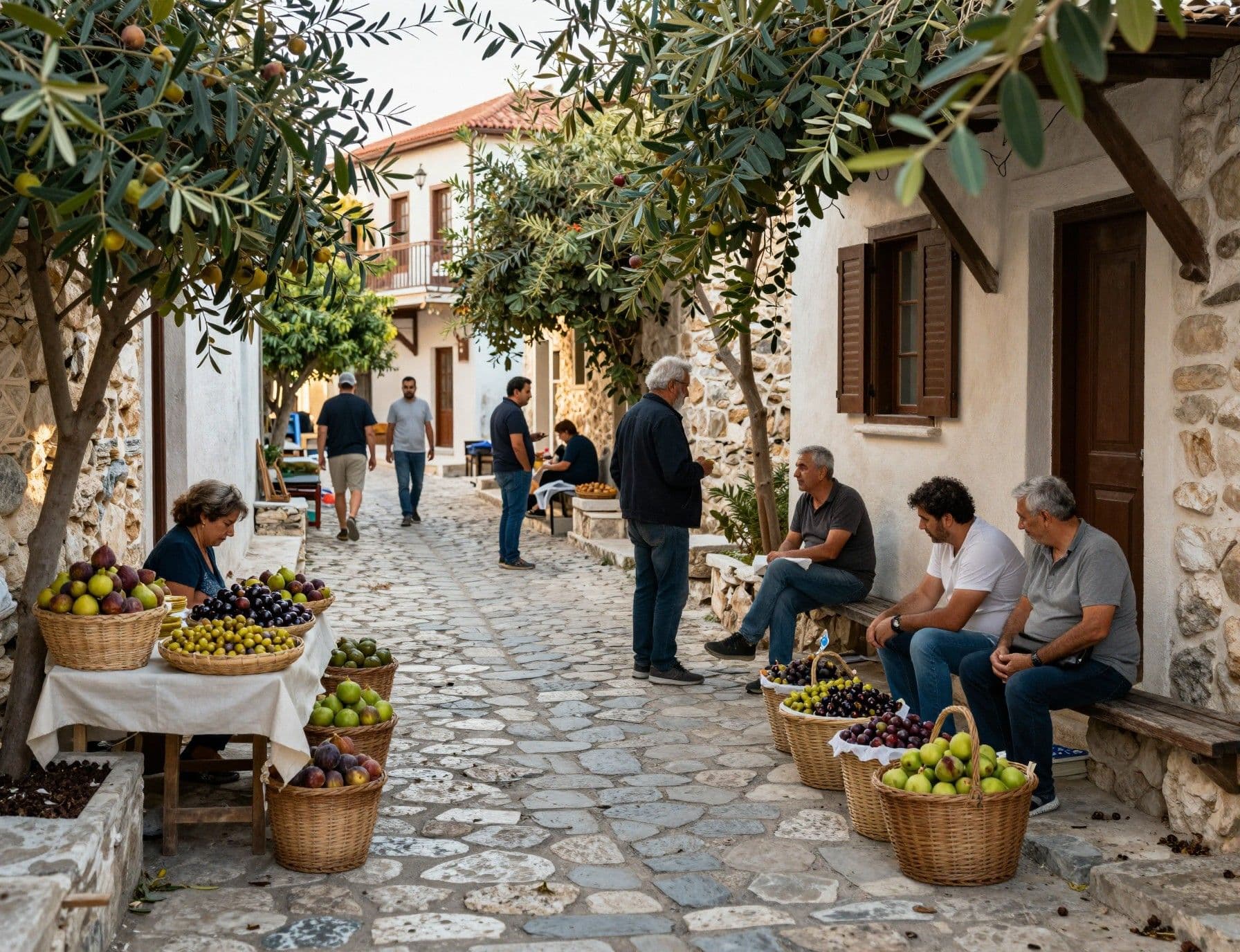
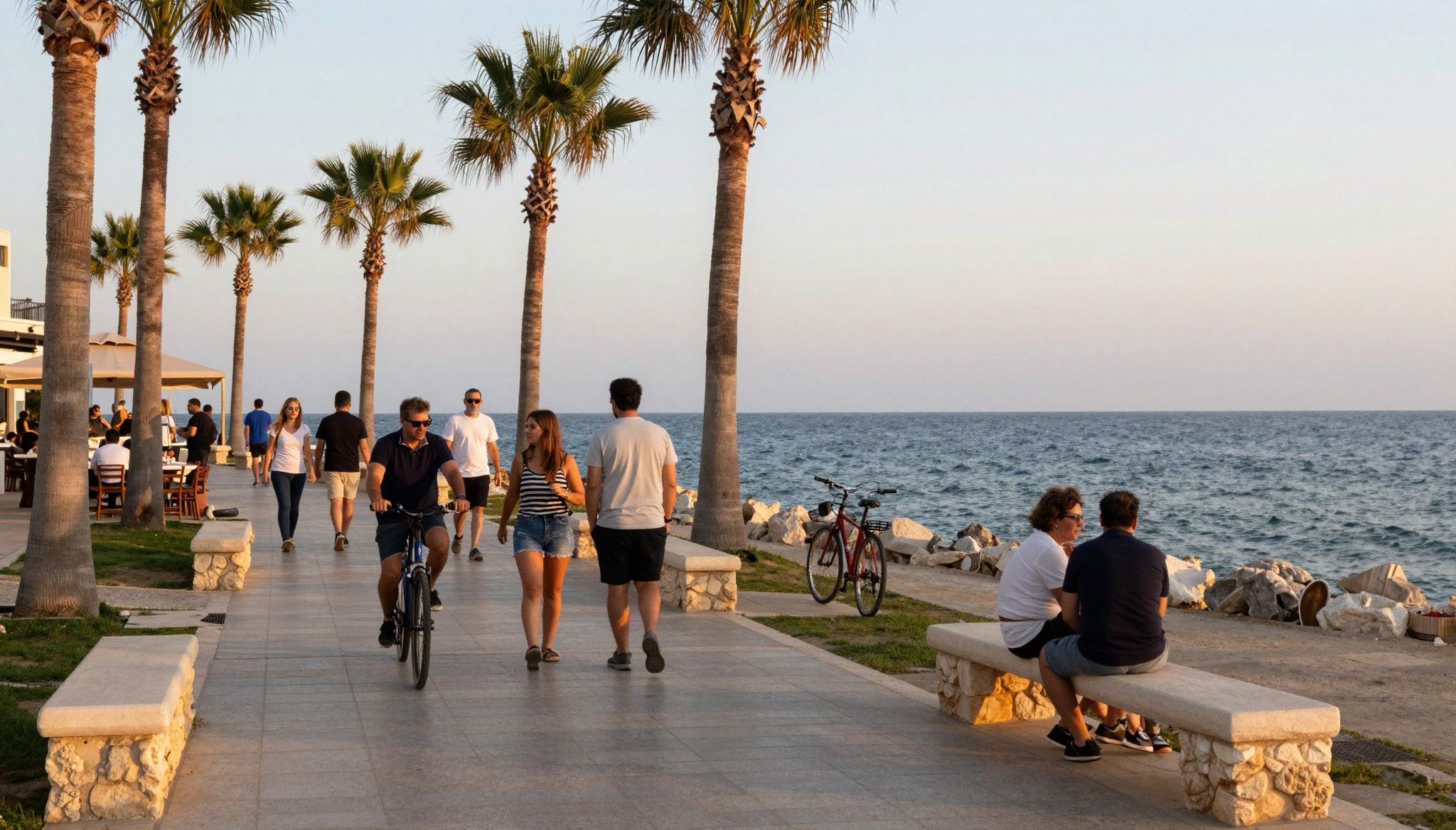
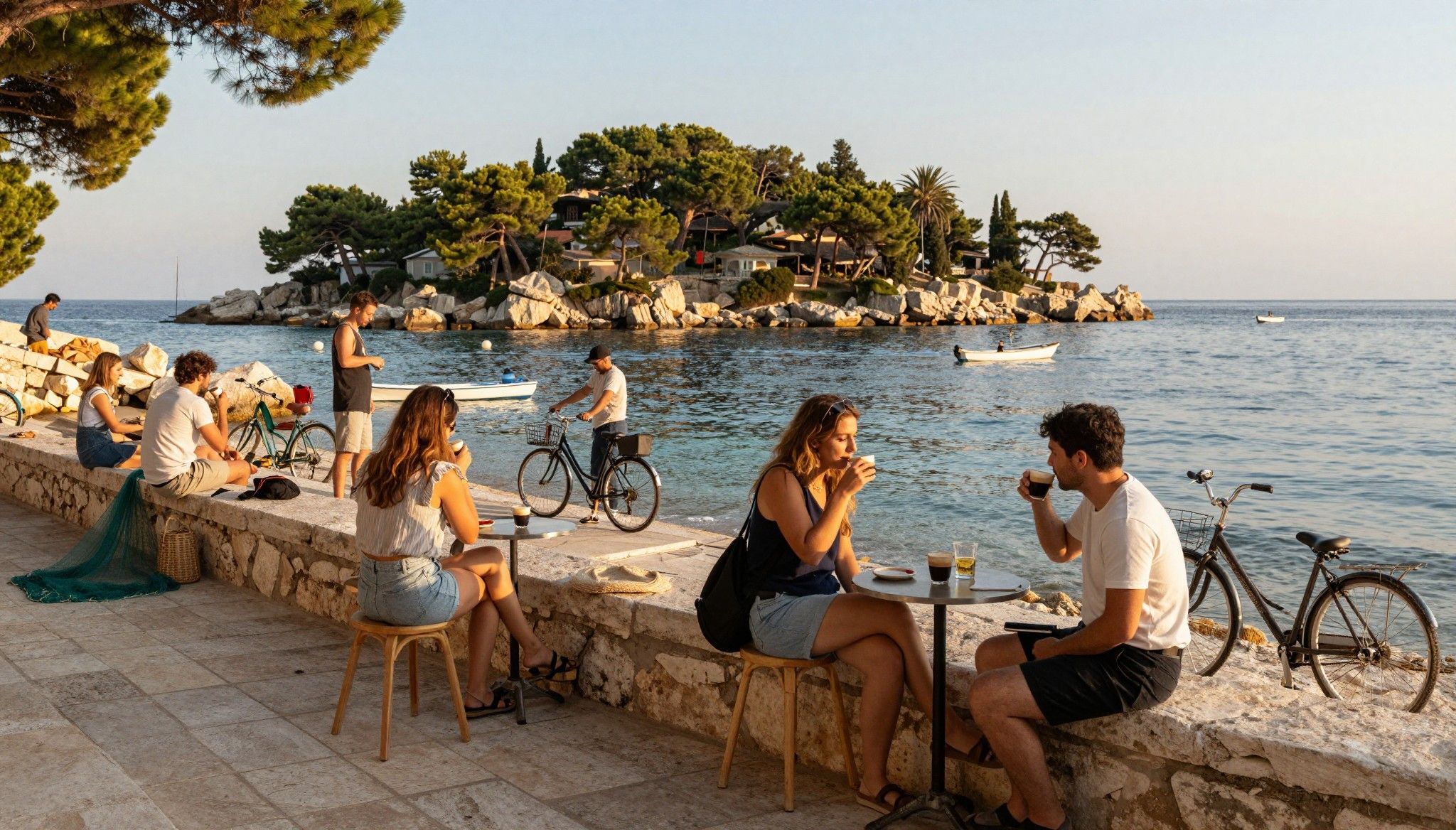
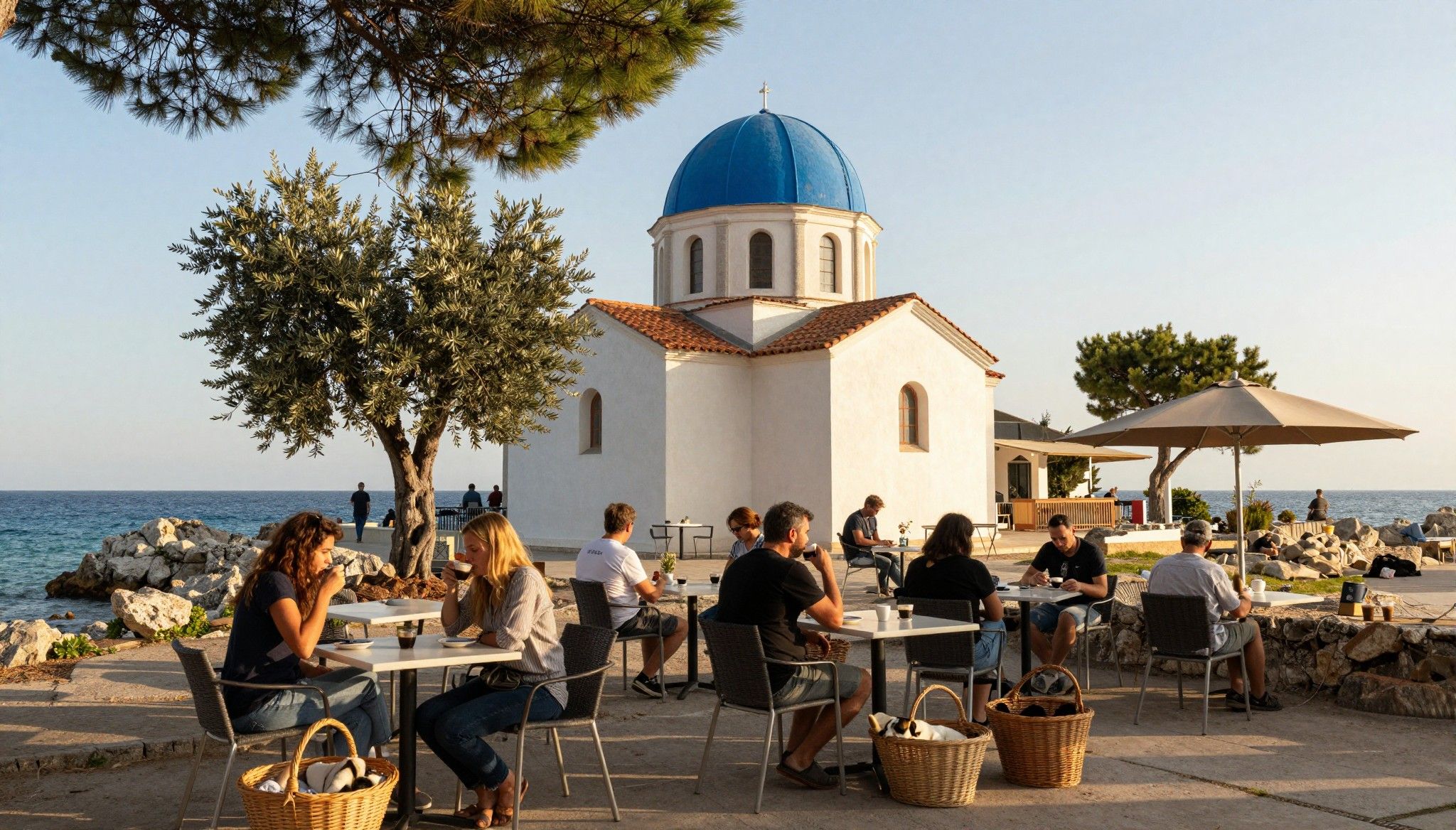
Cyprus is a stitched-together palette: sun-baked stone villages inland, the Mediterranean lap of Larnaca and Paphos, and the cosmopolitan waterfronts of Limassol. Daily life moves with the light—early coffee on shaded verandas, a late afternoon dip, and evenings that stretch into long dinners under pepper trees. The island’s compact scale means a village square, a shoreline and a mountain trail can be part of the same weekend ritual.
Neighbourhood pulse: Limassol, Paphos, Nicosia and the Troodos fringe
Limassol hums with international life—sea promenades, contemporary galleries and a café scene that spills into its old port streets. Paphos keeps an unpretentious coastal ease with a strong heritage thread and quieter beaches. Nicosia, the island’s heart, offers narrow streets and a coffee culture that feels older than steady urban plans. Head inland to the Troodos foothills and you’ll find stone cottages, terraced orchards and micro-communities that live by seasonal cycles.
Food, markets and the art of slow buying
A day in Cyprus often pivots around market stalls: sun-ripened tomatoes, syrupy halloumi, wild oregano and the smell of toasted sesame from local bakeries. Buying here is a sensory process—neighbourhoods announce themselves in tastes and sounds. For eco-minded buyers, local producers and seasonal markets are not mere charm; they’re indicators of a resilient local economy and the kinds of properties (with gardens, courtyards, storage for preserved food) that support a low-impact lifestyle.
- Lifestyle highlights to look for while house-hunting
- Morning espresso at Anathasiou in Limassol’s old town; morning market in Paphos’ municipal square; shaded walks along Nicosia’s Laiki Geitonia lanes; Troodos olive-press visits during harvest; sunset swims at Lara Bay; neighbourhood taverna dinners with seasonal produce.
Making the move: taste-led choices that matter
The dream of slow, site‑sensitive living must meet market realities. Cyprus’s residential prices have risen steadily in recent quarters, but growth varies by property type and region—apartments have led gains while detached houses show shifting supply dynamics. Understanding where demand is strongest (Limassol for luxury and rentals, Paphos for relaxed coastal life, Troodos for regenerative rural projects) helps you match a lifestyle to an investment frame. Recent indices from the Central Bank and the Statistical Service show measured growth and evolving demand patterns.
Property styles and how they shape daily life
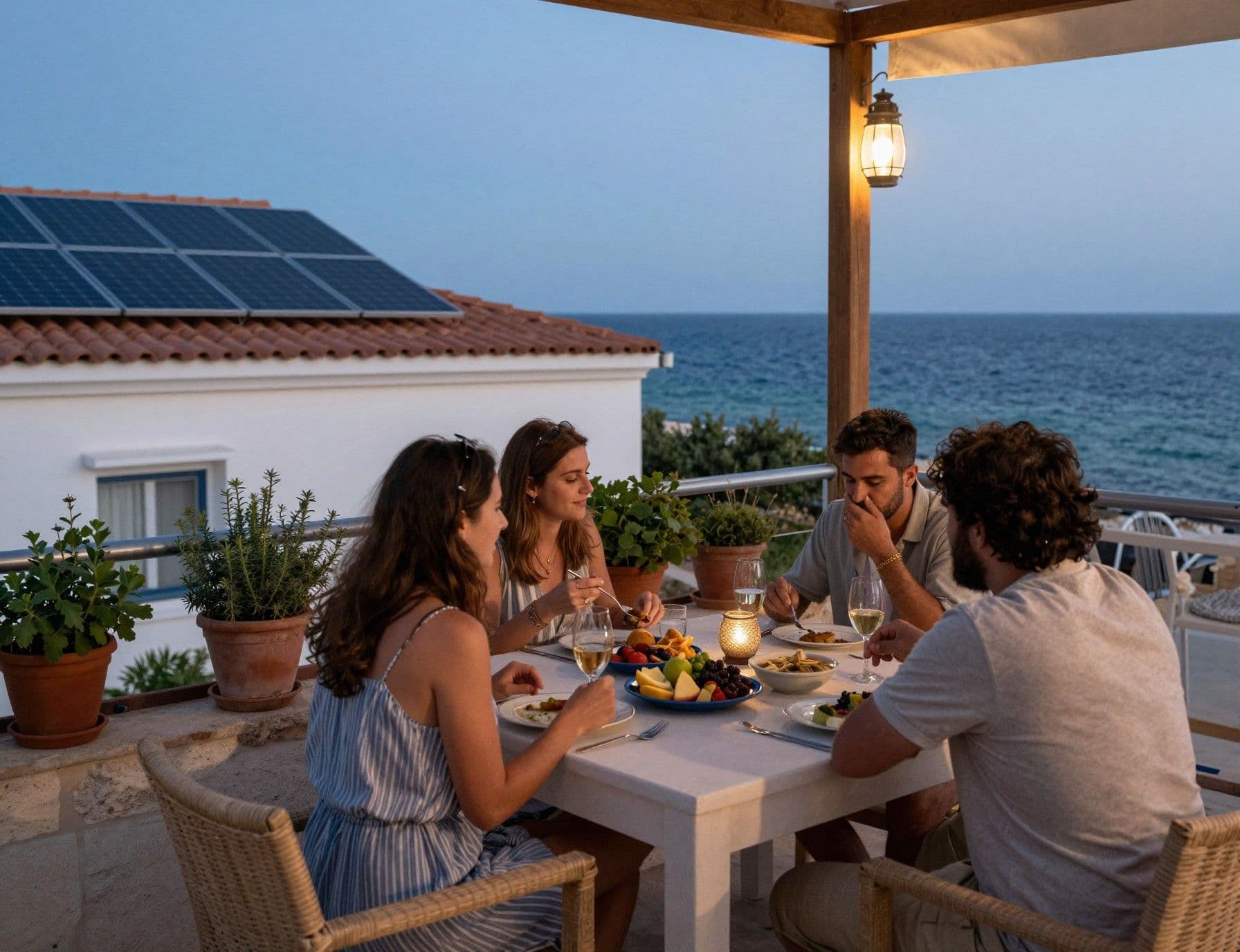
Stone village houses with courtyards invite home food production and passive cooling; coastal apartments offer walkability and easy rental potential but often less outdoor space; modern eco-developments in Limassol and Larnaca blend solar-ready roofs and water-wise landscaping. Choose by rhythm: do you crave a garden for figs and herbs, or a compact pied-à-terre for short stays and community life?
Working with local experts who steward place
An agent who knows the olive growers, the seasonal rhythms and the permitting quirks is worth their weight in cedar. Look for agencies that can introduce you to local craftsmen, explain orientation and microclimate, and advise on low-impact retrofit options. They’ll help you avoid cookie-cutter developments and find homes that age well with nature.
- A lifestyle-first checklist for viewings
- Check morning and evening light on the terrace; ask about local water sources and irrigation; look for south-facing walls for passive solar gain; inspect for mature trees and space for a vegetable patch; confirm distance to weekly markets and a reliable bakery; request details on planning restrictions for garden or solar installations.
Insider knowledge: myths, red flags and seasonal strategy
Expats often arrive with assumptions: that more expensive areas always mean better long-term value, or that coastal living is the only worthwhile lifestyle. In truth, smaller inland communities often protect biodiversity, offer lower running costs and better opportunities for regenerative gardening. The IMF and other analysts note steady economic growth and resilient housing demand, but local nuances—seasonal tourist flows, water management, and planning controls—shape where sustainability and value converge.
Cultural cues that change how you live
Cypriot social life is famously local: shared plates, extended family dinners and market mornings. Learn a few Greek phrases, accept the relaxed service rhythm and you'll be invited into community rituals faster. For property buyers, this means neighbourhood reputation and social integration often matter as much as square metres.
When to move: why autumn house‑hunting can be smarter
Contrary to the high-season scramble of summer, autumn brings clarity. Developers slow marketing, sellers reassess pricing, and you can visit properties when local life is real—not staged for tourists. Market reports show the busiest sales months cluster earlier in the year, so autumn viewings often reveal overlooked opportunities and more room for negotiation while giving you a true feel for off-peak living.
- Red flags and green flags to watch
- Red flags: unclear water rights, properties with no mature planting, dubious planning paperwork, overly aggressive developer timelines. Green flags: solar-ready roofs or installed panels, rainwater harvesting or cisterns, native landscaping, close ties to local producers and accessible markets.
- Steps to take before making an offer
- Commission a local survey; verify title and any servitudes with the Land Registry; request energy and water performance notes where available; consult a local tax adviser about residency and tax implications; seek a clause allowing for a period of post-purchase checks on landscape and drainage.
What expats wish they'd known (and how that helps you)
Many expats say: I wish I’d spent more time learning the seasonal heartbeat of my neighbourhood, and less time dazzled by sea views. Those who plan for winter light, water availability and community ties report richer, more sustainable lives. Practical adjustments—installing shutters for heat management, planting drought-tolerant gardens, or choosing thicker stone walls—make houses age well and reduce running costs.
Long-term lifestyle questions to ask yourself
- Do you want year‑round community or seasonal escape? Will you steward a garden or prefer low-maintenance landscaping? Is proximity to healthcare and schools important? How hands-on will you be with renovations to meet green standards?
If your answer inclines toward stewardship, prioritise properties with existing mature planting, good sun orientation for solar, and space for waterwise gardens. If you want a low-maintenance pied-à-terre, seek modern developments with efficient building systems and managed communal green spaces.
Conclusion: Fall in love, then verify. Cyprus offers a layered life—hot summers, generous winter light, coastal ease and mountain quiet. Let the season you choose to search reveal the life you’ll lead: autumn’s cooling honesty shows how a home behaves beyond a holiday postcard. Work with local, sustainability-minded experts, check the data from national sources, and choose a property that will grow more beautiful with the seasons.
Swedish advisor who left Stockholm for the Costa Brava in 2019. Specializes in sustainable, sea‑view homes for Scandinavian buyers and green finance insights.