Why Croatia’s 'Too Expensive' Coast Hides Greener Value
The Adriatic’s postcard coast masks varied value—learn season-aware neighbourhood choices, eco-sensitive property types, and practical steps supported by recent Croatian market reports.
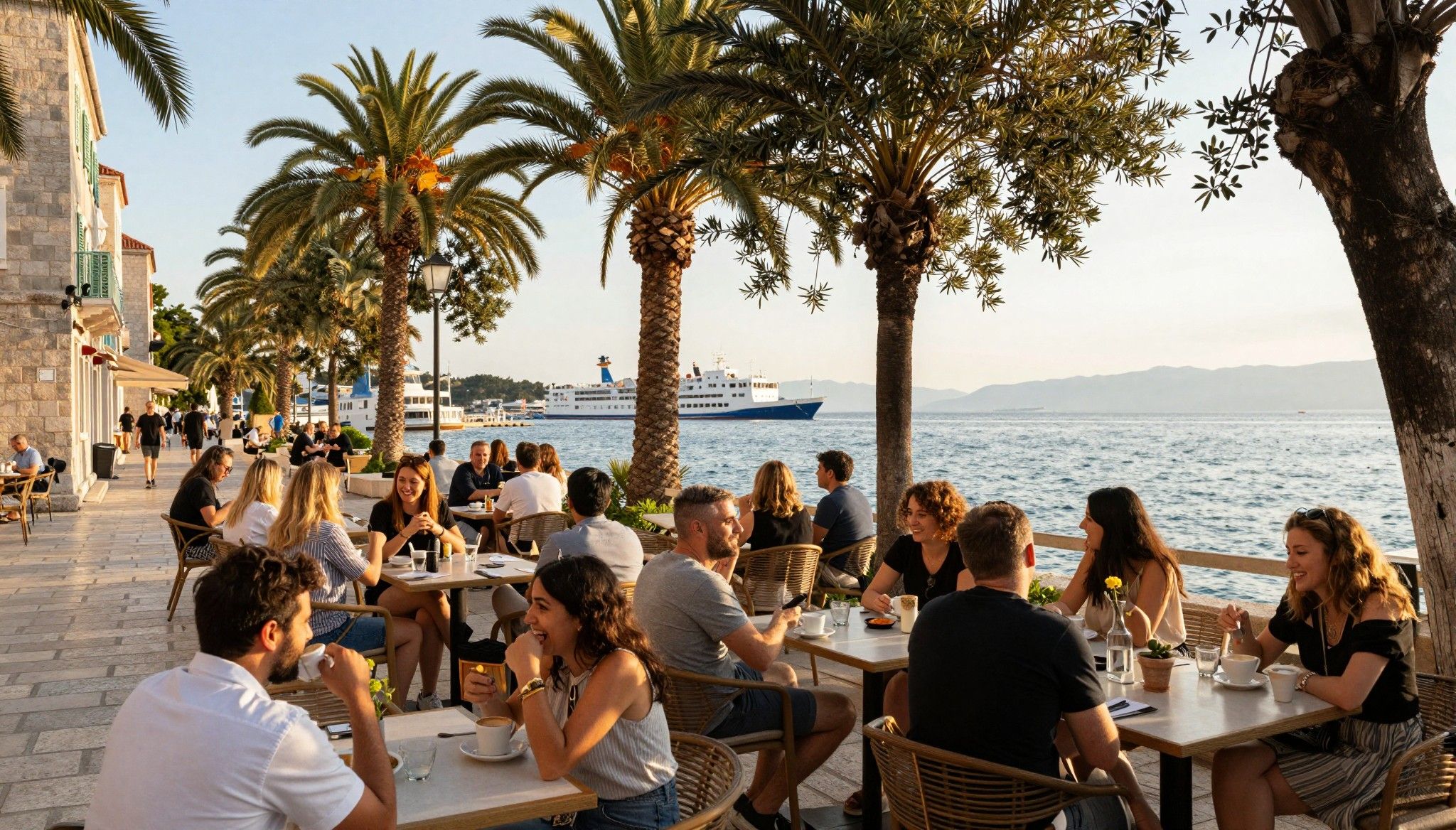
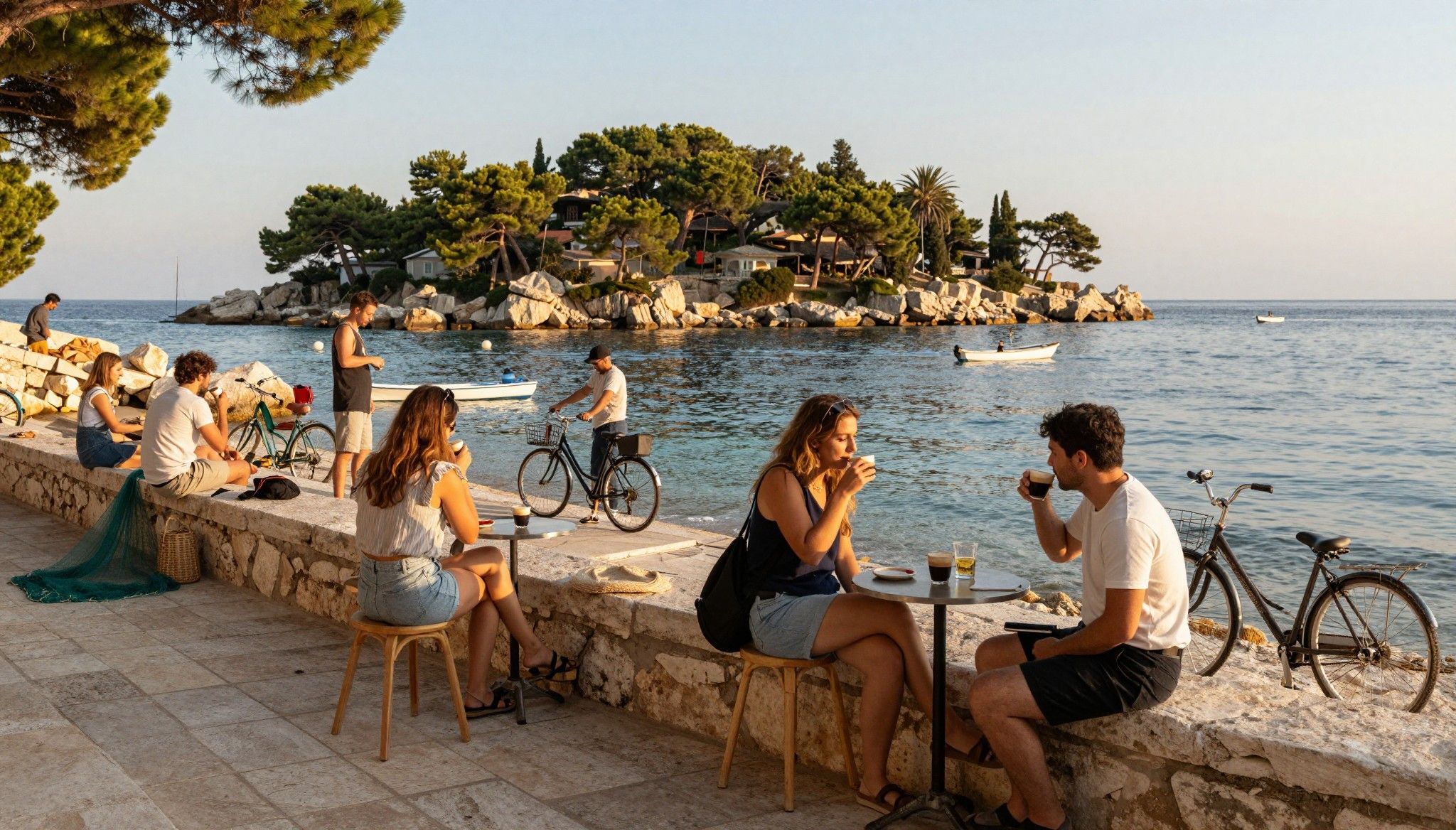
Imagine an early morning in Dubrovnik: fishermen mend nets as a bakery's warm, yeasted scent leaks into a narrow street, and terrace tables fill with locals sipping thick coffee. Croatia moves at close-to-the-sea pace—sunlit, tuned to market days and island ferry bells—yet beneath that postcard calm there are sharp, modern market forces shaping what you can buy and how you will live. Recent market analysis shows strong price growth on the coast alongside cooling transaction volumes inland, making the right neighbourhood choice crucial for both lifestyle and long-term stewardship. This guide blends sensory stories with practical, sustainability-minded steps to help you begin an international purchase in Croatia with curiosity and care.
Living Croatia: Sea, Stone and Slow Mornings
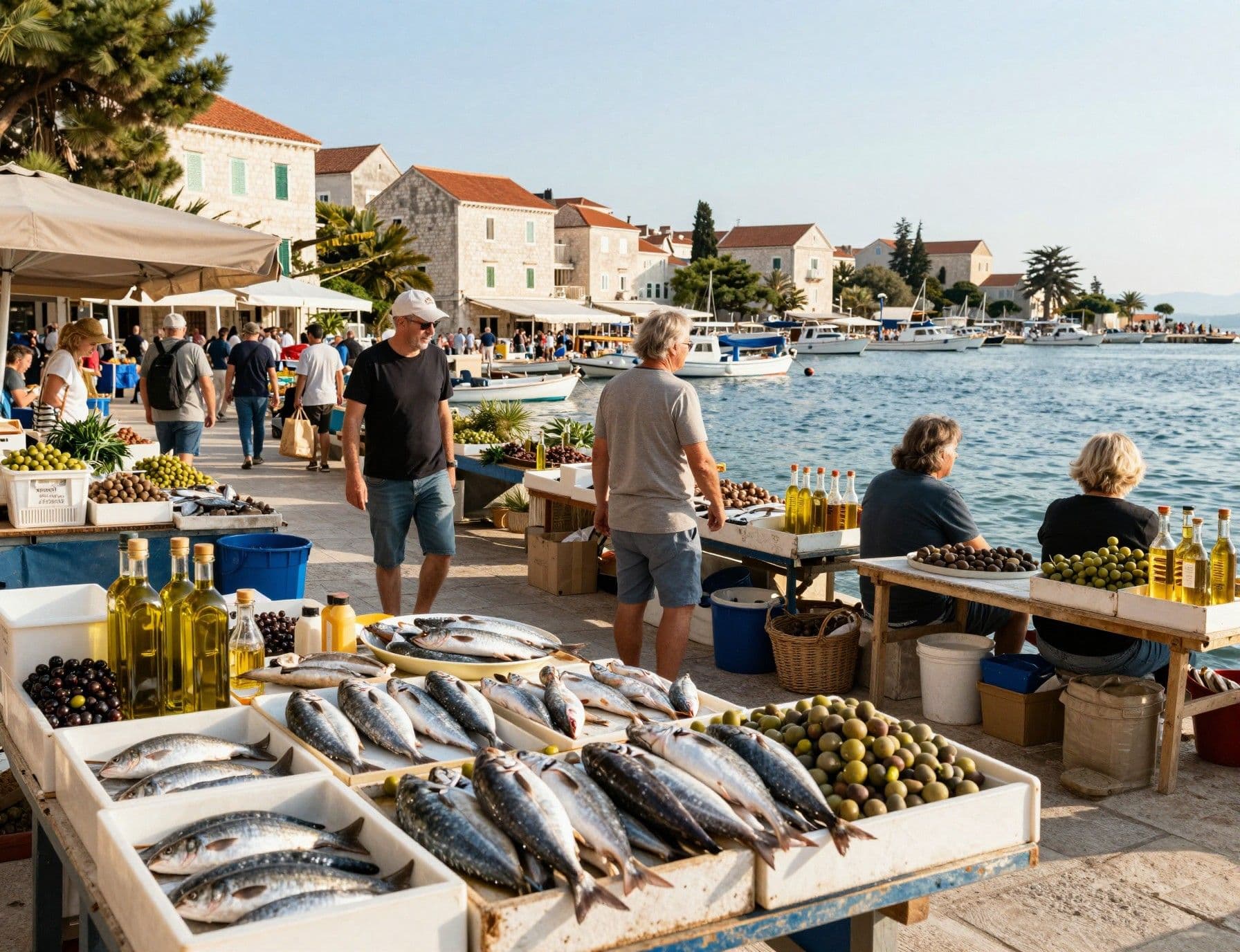
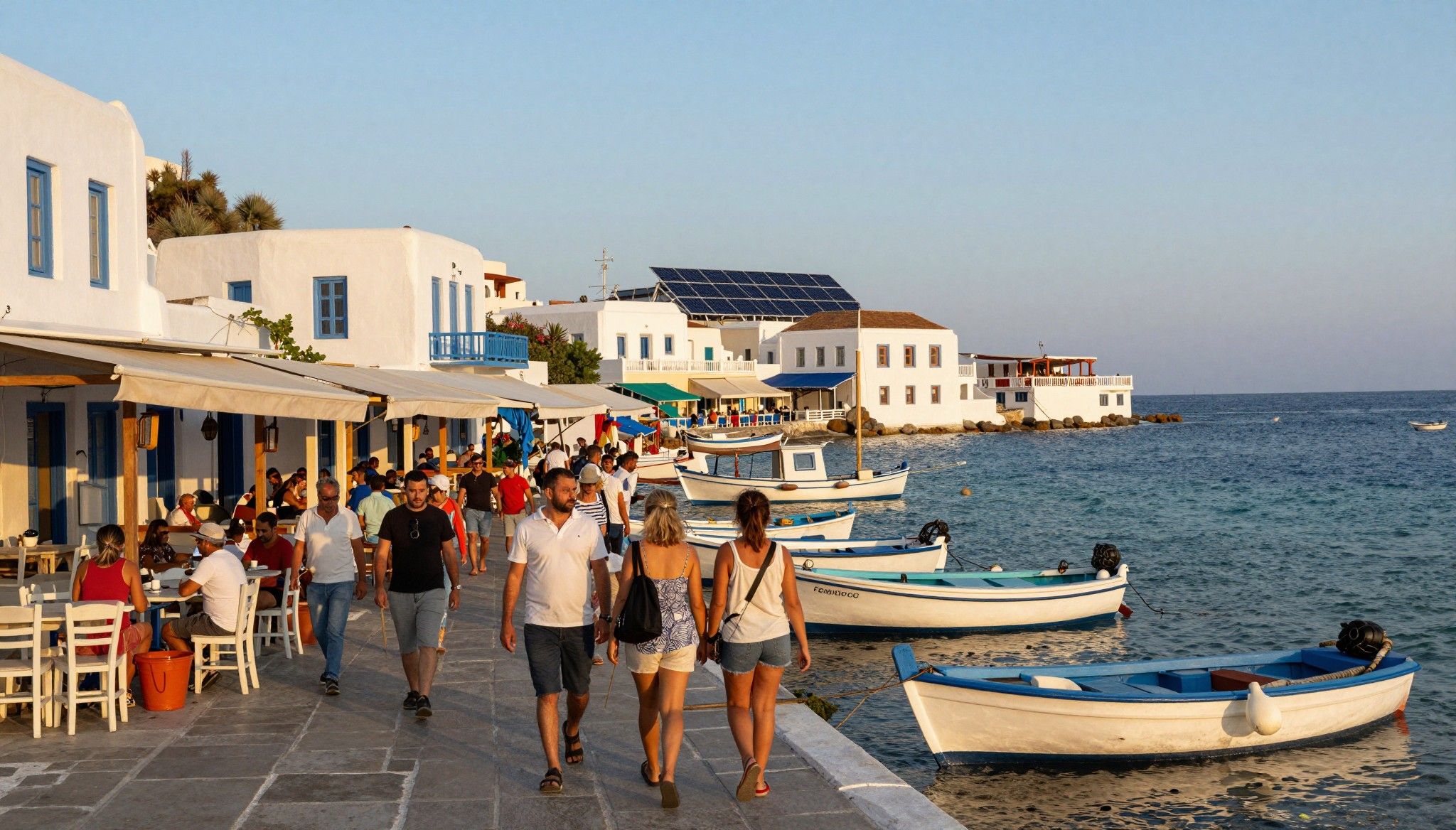
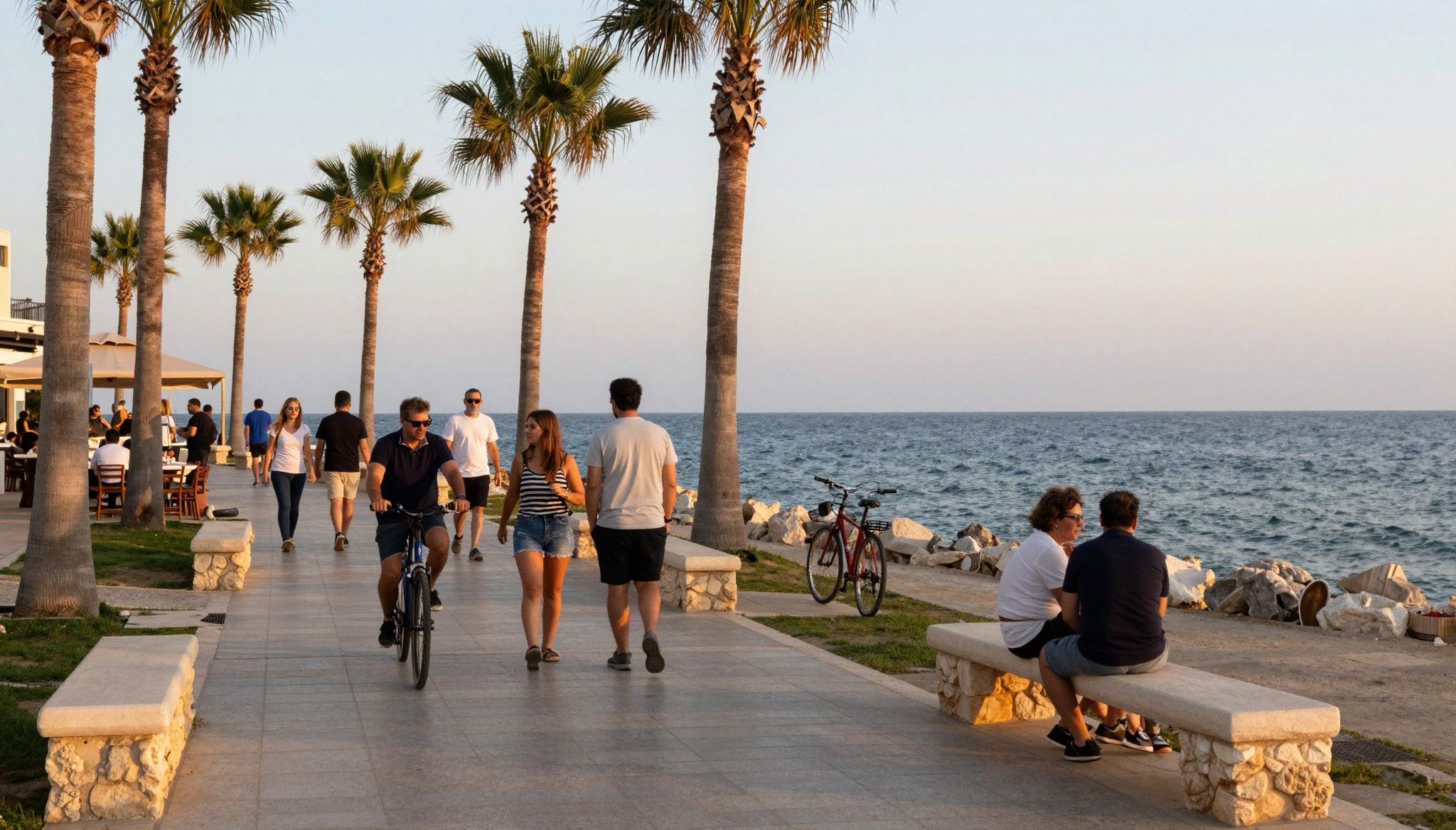
Daily life here is a lesson in seasonality. In coastal Zaton or Kaštela you wake to sea-salt and ship horns; in Zagreb’s leafy neighbourhoods you start with bakeries on Ilica and afternoons in green courtyards. The rhythm matters: long, languid summers of swimming and open-air dinners; brisk, fog-touched winters where stone houses hold heat and fuel bills become a practical concern. Think of your home as part of an ecosystem—shade trees, shutters, thick stone walls and modest solar setups often define comfort more than square metres.
Neighborhood spotlight: Split’s Varoš and Varoš’s quiet corners
Varoš, a finger of winding lanes below Split’s Diocletian walls, is where fishermen and artists still live next to tiny konobas (family taverns). Properties are often stone, low-ceilinged and intimate—perfect if you want a home that breathes Mediterranean texture rather than a polished holiday rental. Choosing here means trade-offs: limited parking and renovation rules in heritage areas, but daily life rich with neighborly markets and instant sea access.
Food, ritual and markets: the pulse of local living
From Pula’s morning fish market to Hvar’s lavender tables in summer, food life in Croatia is local and seasonal. Restaurants gravitate to fresh, coastal produce: grilled fish with olive oil from local groves, soparnik in Dalmatia, and inland truffles in Istria. For eco-minded buyers, this matters: access to local supply chains means easier low‑impact living—kitchen gardens, farmers’ market routines and community-supported food exchanges become part of the home’s value.
- Lifestyle highlights to scout during a visit:
- Morning market stroll in Dolac (Zagreb) or Pula’s Riva; sample local cheeses and olive oils.
- Evening aperitifs at Split’s Riva or tucking into a konoba in a narrow Varoš lane.
- Island ferry rhythm—test how a weekly commute to the mainland would feel before buying on an islet.
Making the Move: Practical, Stewardship‑Minded Steps
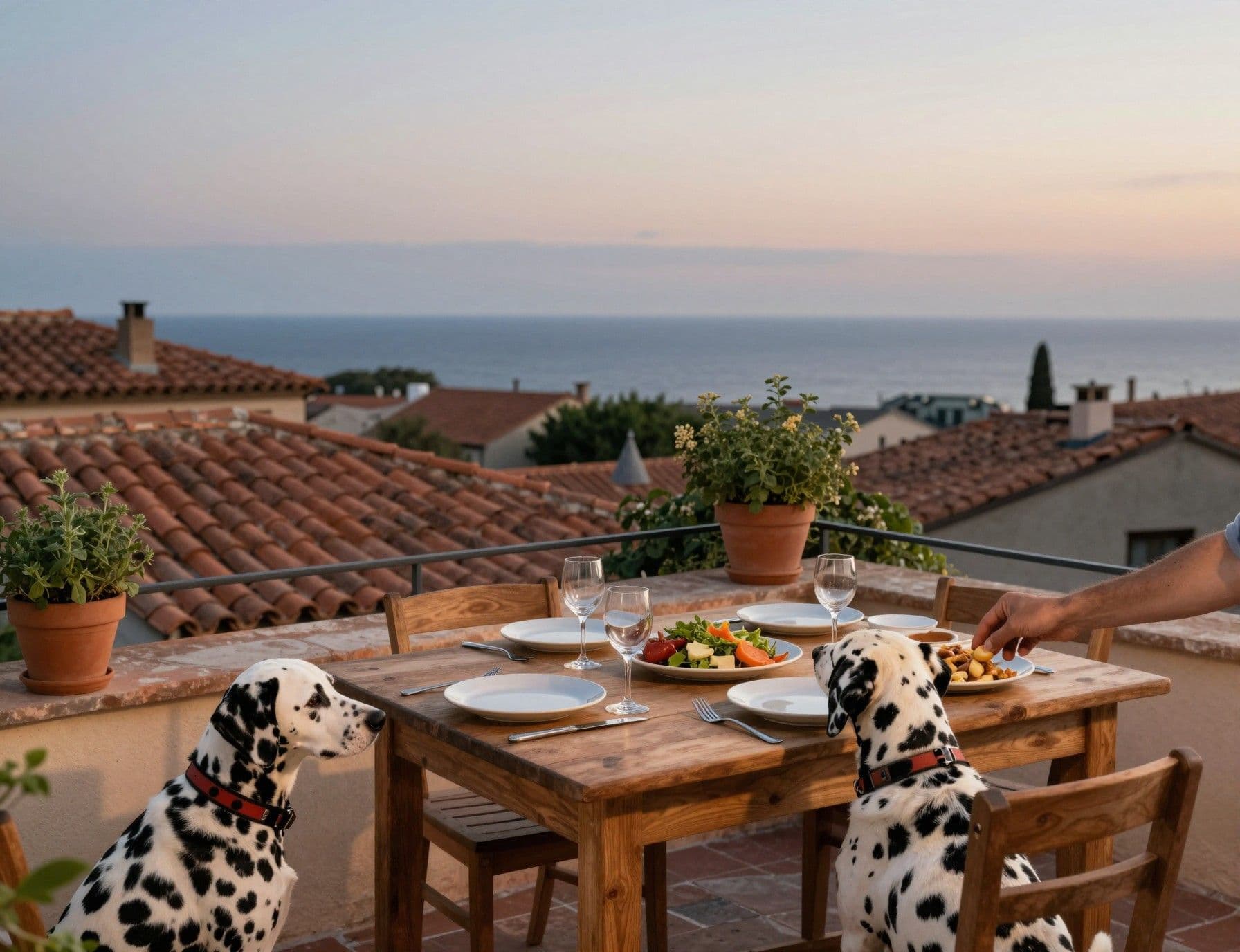
There’s a gap between dreamy postcards and transactional reality: coastal prices rose sharply in recent years while overall transactions cooled in 2025 as buyers reassessed affordability. Understanding current trends—where asking prices remain high but transaction volumes fall—helps you choose between paying a premium for seaside immediacy or finding greener value inland. Work with local experts who can translate lifestyle needs into property criteria: orientation for solar gain, rainwater capture potential, and gardens that support local biodiversity.
Property styles and how they shape living
Stone village houses offer thermal mass and character but often need sensitive retrofits—think secondary glazing, breathable insulation and small-scale PV that respects heritage rules. Newer coastal builds may come with modern comforts but can lack the passive cooling of older homes. Match the property type to how you want to live: do you crave a garden and orchard (look inland near Istria’s hilltop villages) or an immediate sea-spring routine (focus on small bays around Šibenik and Korčula)?
How local experts amplify your lifestyle brief
A progressive local agency will read your lifestyle brief—music, cooking, gardening, remote work needs—and translate it into neighbourhood must-haves: sun aspect, reliable broadband, planning flexibility for small renewables, and community services. Choose agents that show examples of past eco‑sensitive renovations and can connect you to local architects and craftspeople who use stone, reclaimed timber and lime plasters.
- Practical steps to align lifestyle with purchase (follow these):
- Visit in two seasons (late spring and late autumn) to feel full- and low-season life before making offers.
- Ask agents for energy bills and water usage records; these show how a home performs across seasons.
- Prioritise south-facing terraces, courtyard gardens and native planting to lower long-term costs and boost biodiversity.
- Include a local conservation-savvy architect in early quotes to avoid permit surprises for renewable or insulation work.
Insider Knowledge: What Expats Wish They’d Known
A common expat surprise: the coast is not the only meaningful Adriatic life. Inland towns and smaller university cities like Varaždin or rural Istria offer quieter communities, lower asking prices and stronger opportunities for gardens and small-scale farming. Many buyers who initially chase a sea view later prefer a stone farmhouse with chestnuts and olive terraces—more practical for seasonal stewardship and lower maintenance.
Cultural notes that change daily life
Croatians value neighbourhood ties and local rhythms: long lunches, weekly market rituals and neighbourly favors. Language helps, but openness and patience go further—learn a few market phrases, attend a town fair, and neighbours often become the best repair network. For sustainability-focused buyers, joining local agricultural cooperatives or olive‑press collectives can quickly root you in community life.
Long-term view: prices rose strongly in recent years while transaction volumes cooled in 2025, so take time to understand where asking prices are softening and which micro-markets still favour buyers. Use official reports and local sales data when forming an offer, and budget for thoughtful retrofits that improve comfort and cut energy use—these are often where long-term value is created.
- Red flags eco-minded buyers should spot:
- Properties with visible damp but no moisture analysis—renovations here can be costly and biodiversity‑unfriendly if done poorly.
- Homes without clear roof or planning records in protected zones—heritage consent can limit renewable upgrades.
- Listings that inflate seasonal rental potential without local occupancy data—quality of life may degrade if an area has become over-touristed.
Conclusion: Picture a life where mornings begin with market walks, land is stewarded rather than exploited, and your home is an act of care. Start small: visit across seasons, prioritise neighbourhoods that match daily rituals (coffee, markets, sea or orchard), and work with agents who understand both place and planet. For immediate next steps, request neighbourhood energy bills, ask for examples of recent eco-renovations from your agent, and schedule two seasonal visits to feel how life actually flows in Croatia.
Swedish advisor who left Stockholm for the Costa Brava in 2019. Specializes in sustainable, sea‑view homes for Scandinavian buyers and green finance insights.