Cyprus: Green Loans, Seasonality and Hidden Costs
Discover Cyprus’s lifestyle first — then align mortgages, permissions and green loans to make the dream affordable and sustainable.
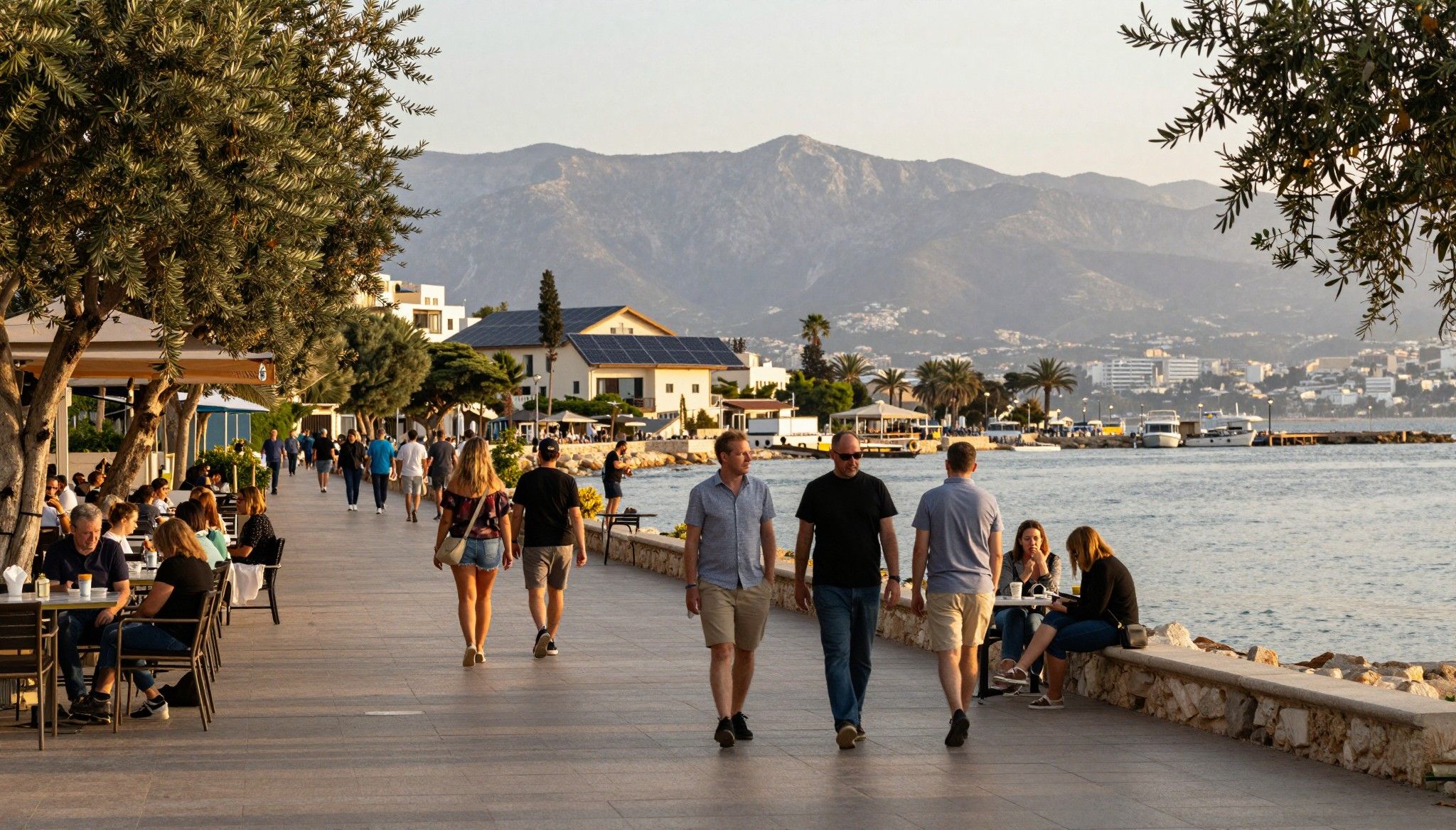
Imagine waking to the scent of orange groves and sea salt, stepping out for espresso on Limassol’s old‑town Anexartisias, and knowing your home breathes with the island. Cyprus offers that Mediterranean slow‑light life — but the practicalities of mortgages, residency permissions and green finance quietly shape whether that vision becomes a grounded, sustainable reality. Recent market analysis shows foreign buyers still drive large slices of demand, and local banks now package “green” mortgage options that reward energy performance; both affect timing, negotiation and long‑term costs.
Living the Cyprus life: more than sun and sea
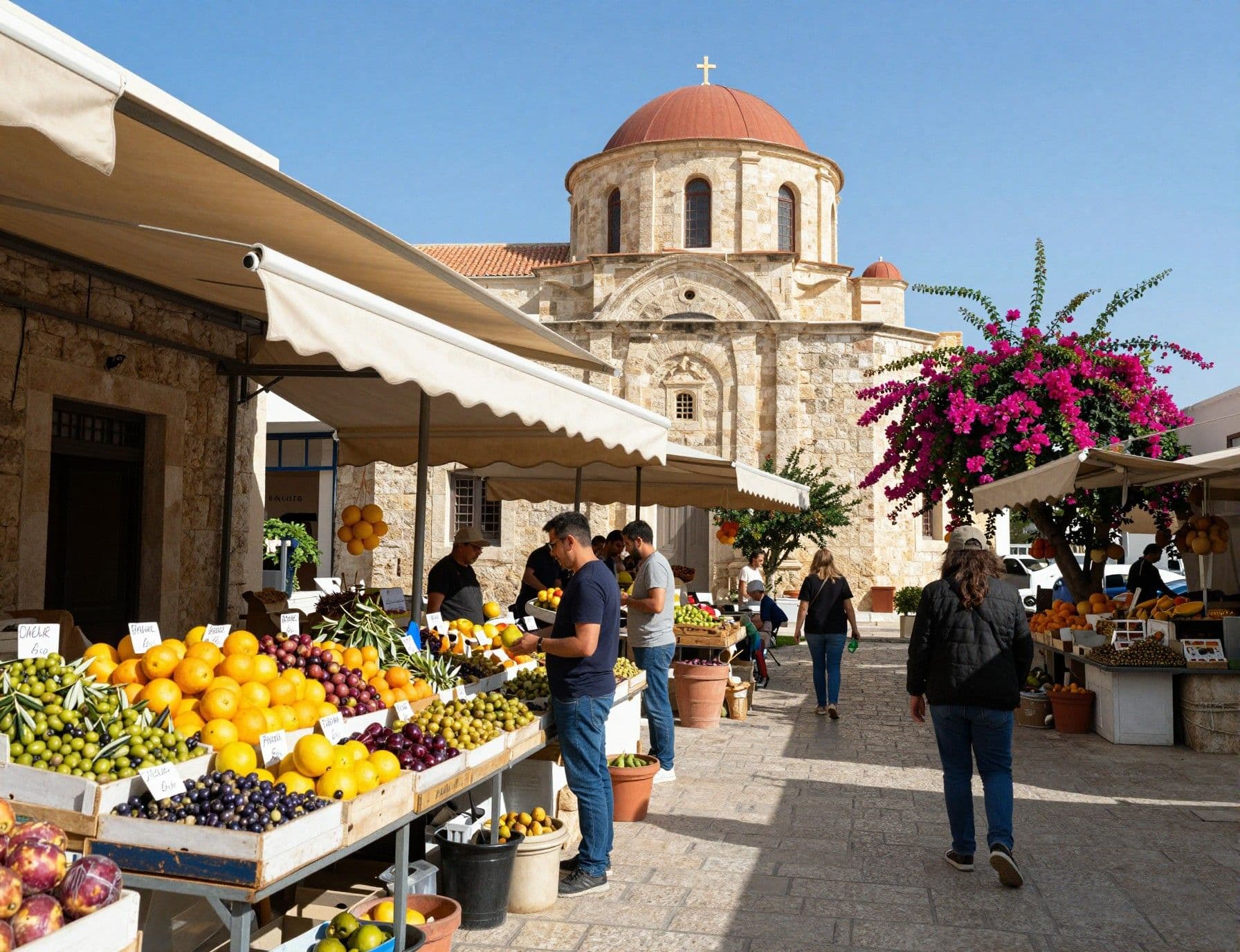
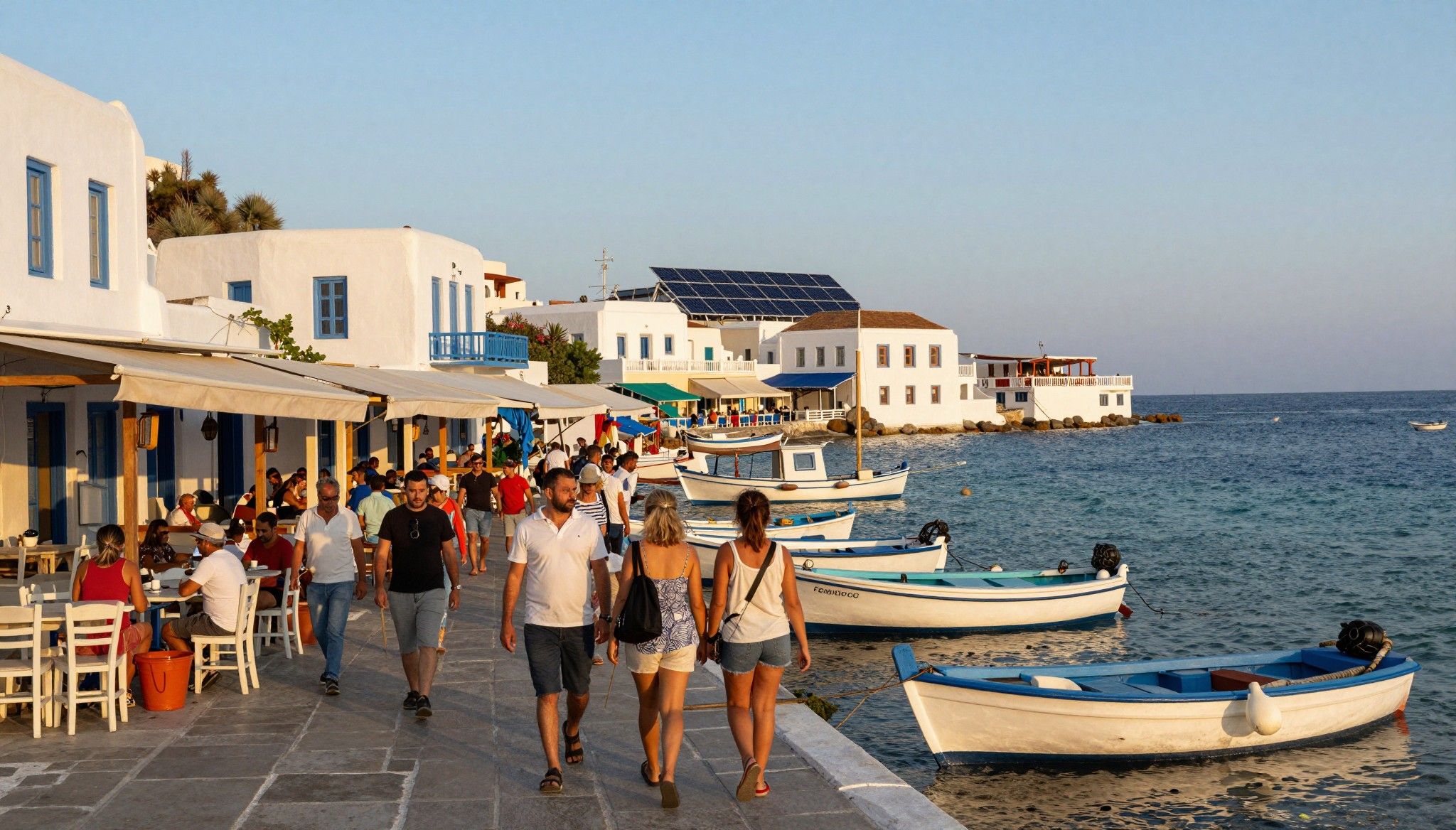
Cyprus is a study in contrasts: pebble coves and pine‑lined foothills, Byzantine stone lanes and neat modern marinas. Mornings in Limassol’s Old Town mean bakers pulling warm lahmacun and cafes filling with conversation; afternoons in Paphos can be languid beach time followed by tavernas where local halloumi meets mountain honey. The island’s rhythms — a festival of village saints in summer, quiet olive‑harvest work in autumn — influence what kind of home suits you, and which months reveal the truest picture of neighbourhood life.
Neighbourhood notes: where locals actually live
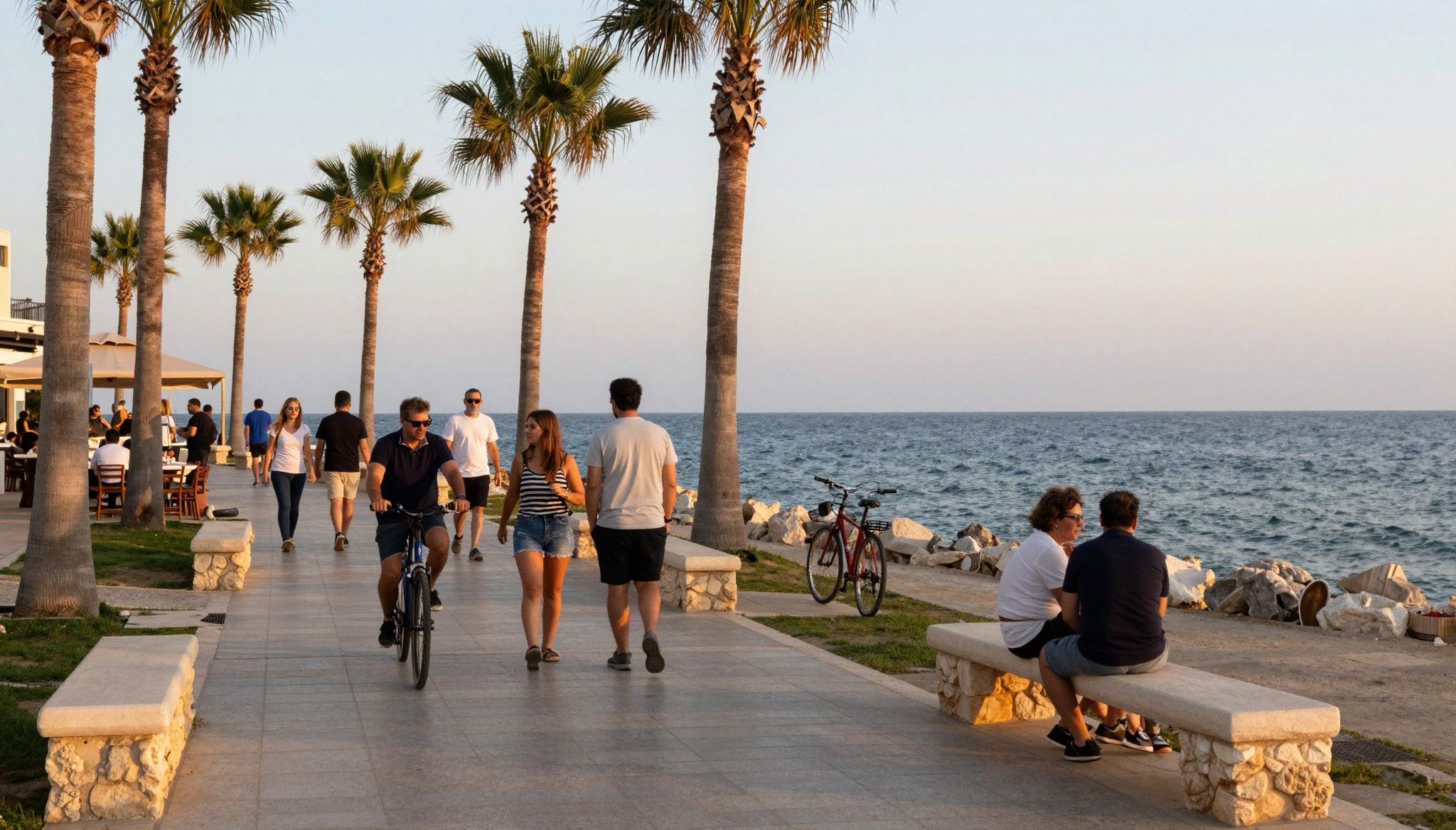
If you want bustling cafés and weekly markets, Larnaca’s Finikoudes and the surrounding streets hum year‑round. Limassol’s Old Port and Anexartisias (the city’s main shopping artery) combine seaside lifestyle with a lively expat energy. Paphos, particularly Kato Paphos and Chloraka, stretches from archaeological coastlines into quiet residential lanes that attract families and retirees. Each area has a different sound at 7 a.m., and that sound tells you how you’ll actually live — which in turn should affect mortgage horizon and retrofit plans.
Food, markets and the small rituals
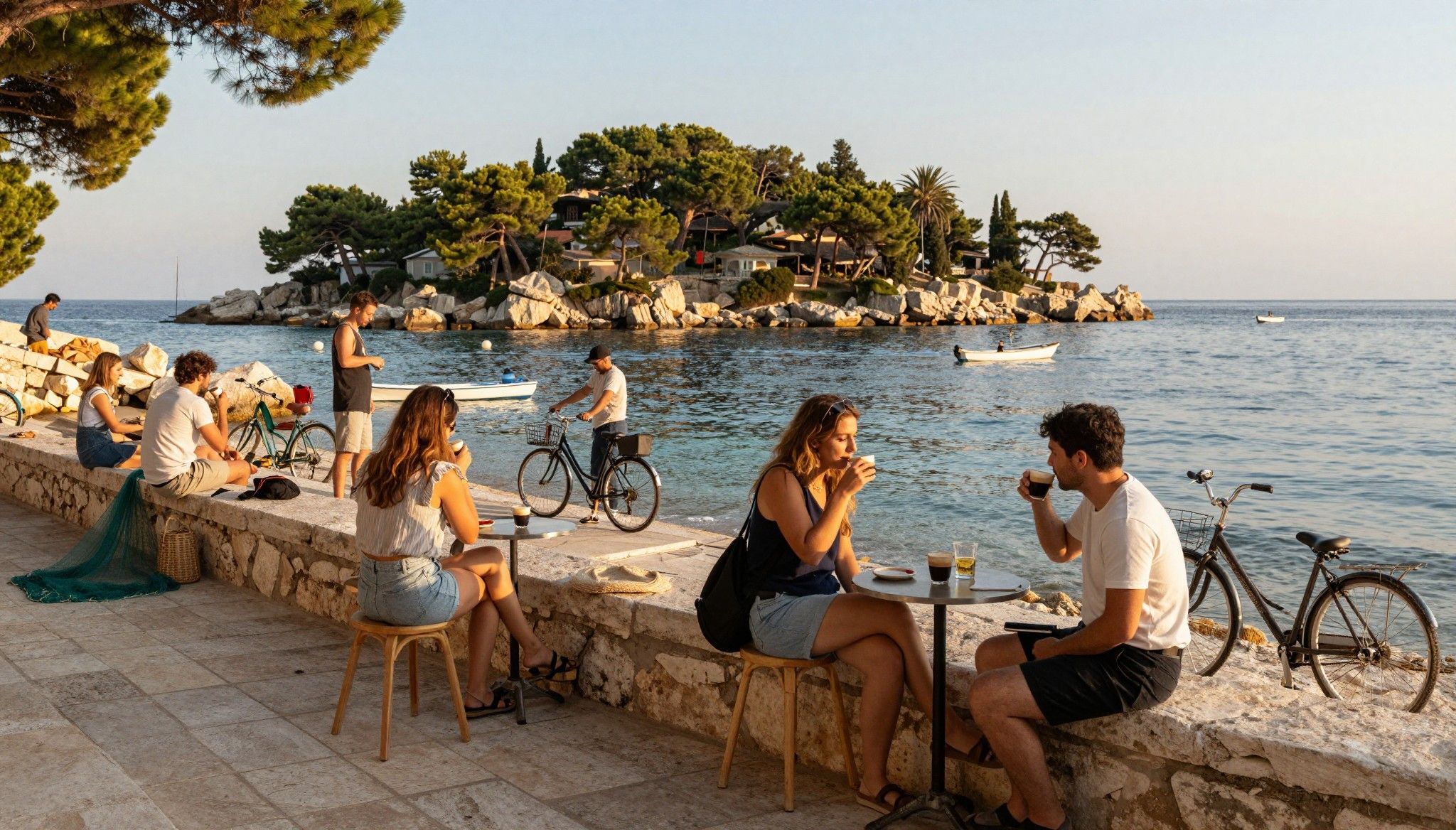
Picture buying sun‑ripened tomatoes at the Nicosia municipal market, or sitting on a sea‑facing terrace as fishermen bring in the day’s catch. Weekly souvla (slow roast) gatherings, village festivals and citrus harvests punctuate life here — and they also reveal practical needs: outdoor kitchens, covered terraces, waterwise gardens and reliable shading matter more than a vanity sea view when you live through July. Those features lower running costs and can make properties eligible for green lending perks.
Making the move: mortgages, green loans and permissions
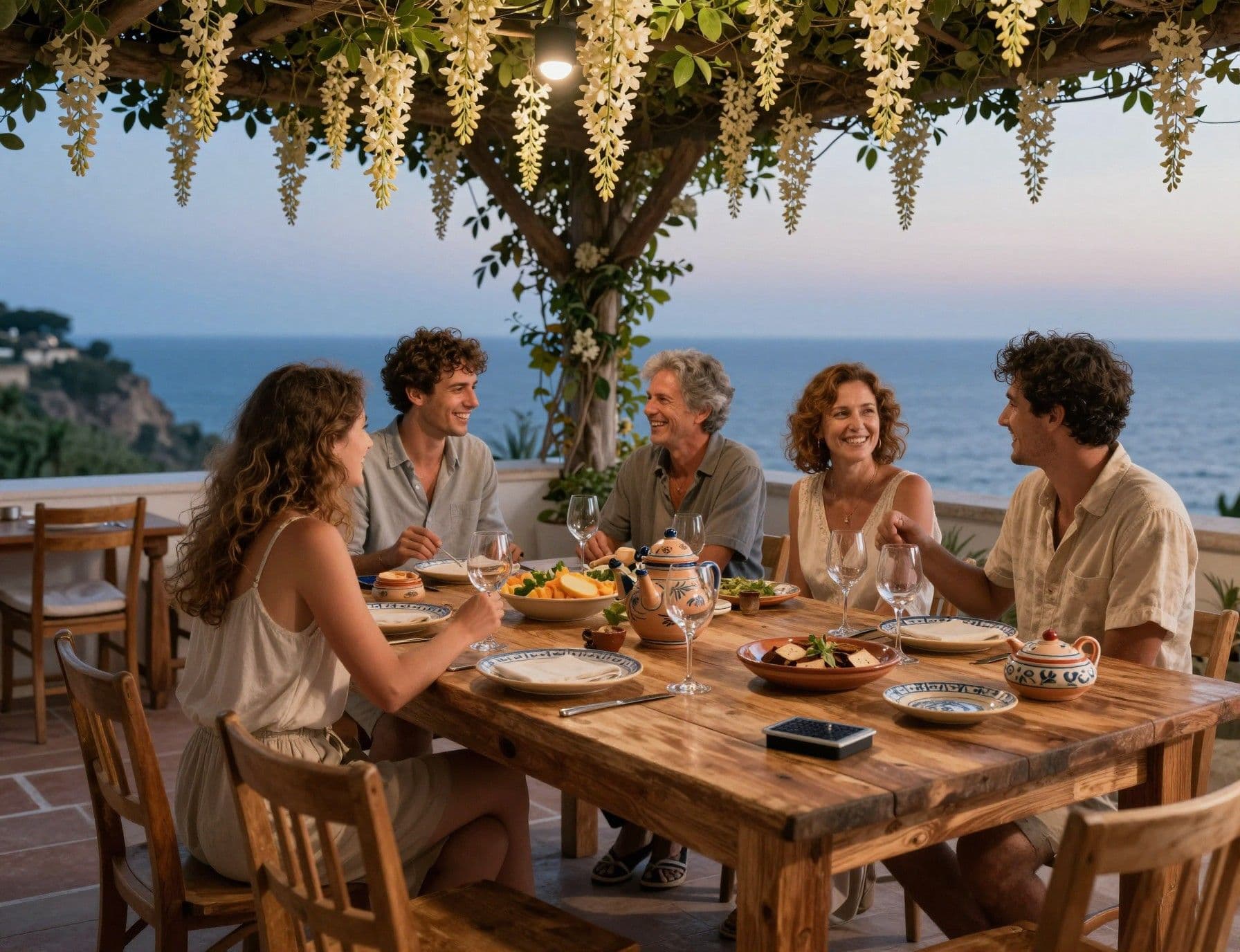
Dreams meet paperwork here. Cypriot banks — notably Bank of Cyprus and Hellenic Bank — now advertise mortgage products that give better terms for homes with strong Energy Performance Certificates (EPCs). That means an A‑rated new build or a well‑retrofitted traditional stone house can lower interest costs or access preferential terms. For non‑EU buyers, parallel permissions from the Ministry and careful title checks are essential; a smooth transfer depends on both legal clearance and mortgage structure.
Who needs permission and what banks will lend
EU citizens face few purchase restrictions; non‑EU buyers typically apply for permission, and limits still shape land purchases and the number of properties purchasable without special approval. Local banks will lend to non‑residents but often ask for larger deposits and clearer income documentation. Working with a lawyer who regularly files permissions and a bank officer familiar with green products reduces surprises and prevents delays at the Land Registry.
Practical steps to align a mortgage with a green home
- 1) Get an early Energy Performance Certificate (EPC) or pre‑construction energy assessment so you know eligibility for green rates. 2) Request illustrative mortgage offers from at least two local banks and compare green‑rate discounts and documentation needs. 3) Build an allowance for retrofit costs in your financing plan — banks often require invoices showing completed work to unlock loan benefits. 4) Ask your lawyer to confirm registration timelines and any permissions that could affect mortgage registration at the Land Registry.
Insider knowledge: myths, timing and what expats wish they’d known
Myth: Cyprus is uniformly expensive. Counter: value hides in village lanes and in homes that need tender love and green retrofit. Many expats tell us their biggest regret wasn’t price but timing — viewing in August (peak season) gives a distorted, tourist‑filtered impression. Visit in spring or autumn to feel neighbourhood rhythms, and you may find quieter streets and more negotiating room.
Cultural and seasonal realities that change property value
Summer tourism lifts short‑term rental yields, but it can also inflate asking prices and hide maintenance issues. Winter reveals structural and plumbing problems, noise patterns and community life that matter year‑round. For green buyers, spring inspections show garden microclimates, solar exposure and rainwater behaviour — all crucial to estimate costs and the real impact of green upgrades.
Red flags local buyers and expats warn about
- • Properties advertised without clear title or in disputed zones — always verify title with the Land Registry. • Overly glossy developer promises (guaranteed returns or buy‑back schemes) — ask for audited evidence. • Missing EPCs or vague retrofit invoices — these block green mortgage discounts. • Viewing only in peak season — book a return visit in shoulder months to see the real neighbourhood.
Conclusion: fall in love with the daily life, then fund it wisely. Start with a seasonally informed visit, secure an early energy assessment, and speak to lenders about green mortgage terms before you commit. With patient research and local counsel — an agent who knows Antoniou bakery on Makarios in Limassol from the developer’s brochure — you can shape a home that cares for you and the island. If you’d like, we can connect you to local firms who specialise in EPC‑driven financing and permission filings.
Norwegian market analyst who relocated from Oslo to Provence; guides investors with rigorous portfolio strategy and regional ecological value.