Cyprus: Finance That Lets Island Life Flourish
Fall for Cyprus’s seaside rituals while using green finance and practical checks — energy assessments, green loans and local expertise make the dream sustainable.
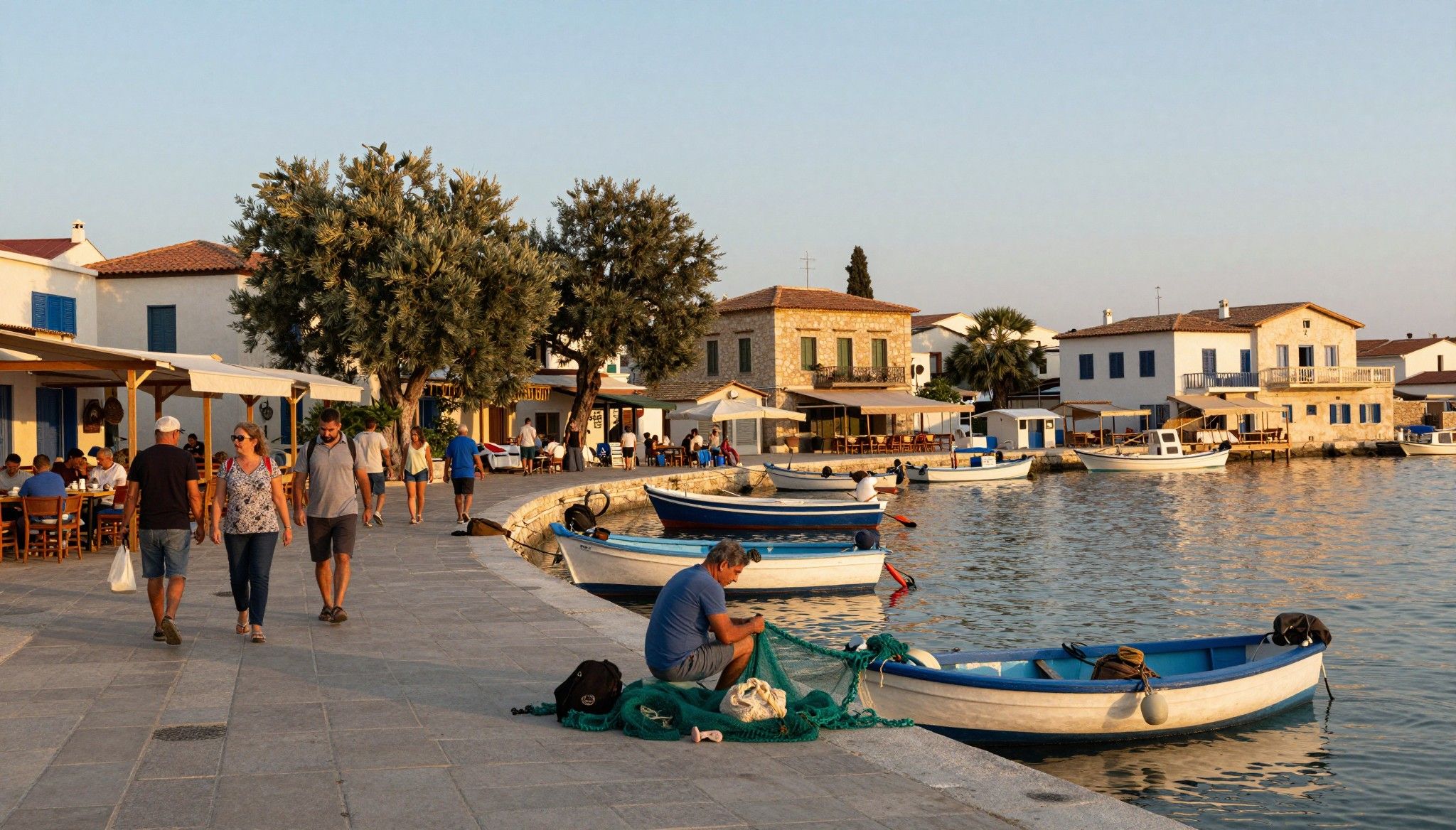
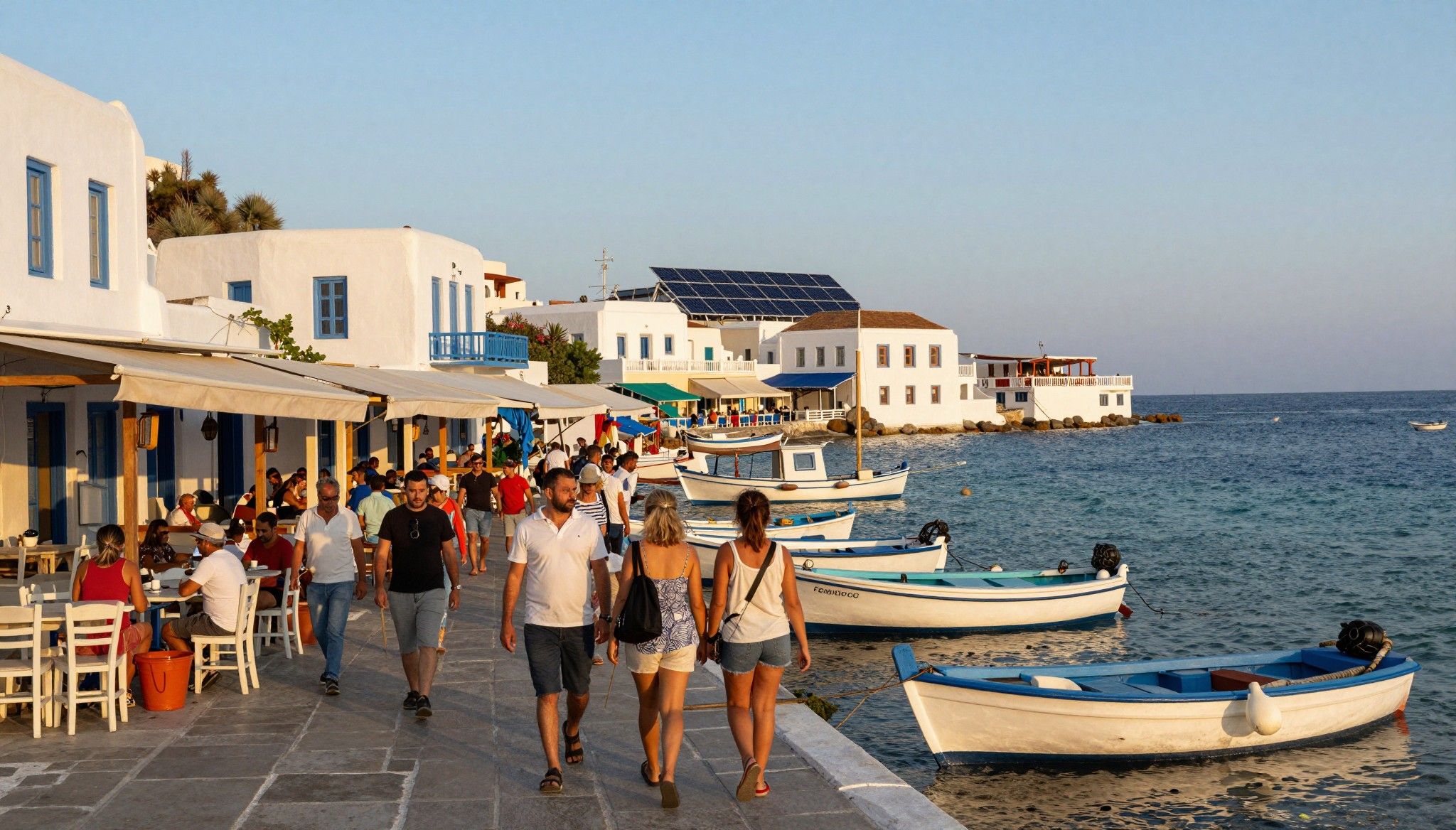
Imagine waking to the smell of fresh bread at Ledra Street, pausing on a sun-warmed balcony in Limassol to watch fishing boats glide past the Molos, or cycling through vineyards above Polis as spring light pours over low stone roofs. Cyprus has a rhythm that mixes slow island rituals with bright, modern days — olive trees, sea breezes and a market culture where the day’s catch meets neighbourhood gossip. But if you’re looking to buy here as an international buyer who cares about low-impact living, the story that sells the island — sunshine and seaside — needs to meet the one that actually matters: financing, local rules and practical choices that protect both pocket and planet. Start with the life you want; then make the finance and legal decisions that let that life flourish.
Living Cyprus: sunlit mornings and slow afternoons
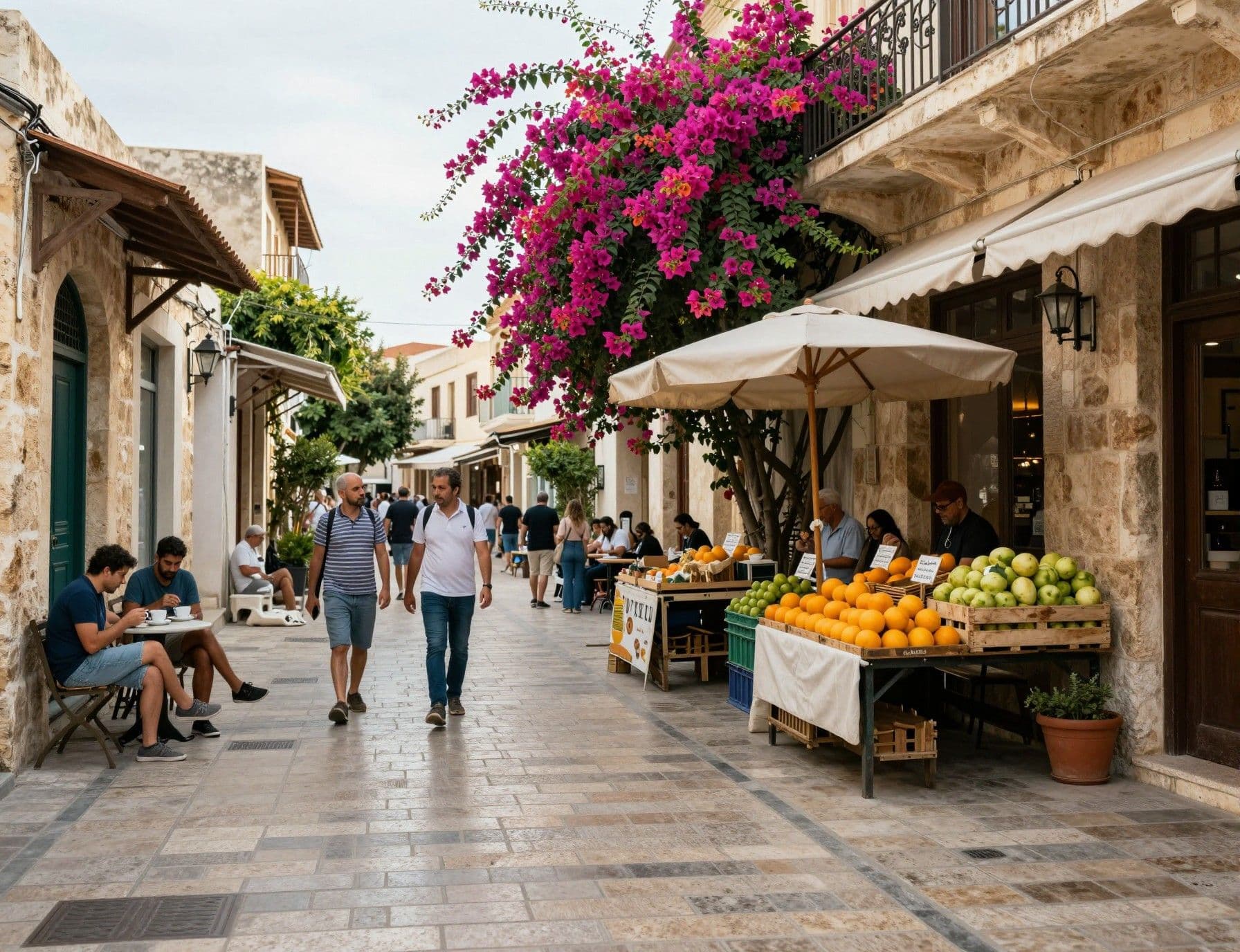
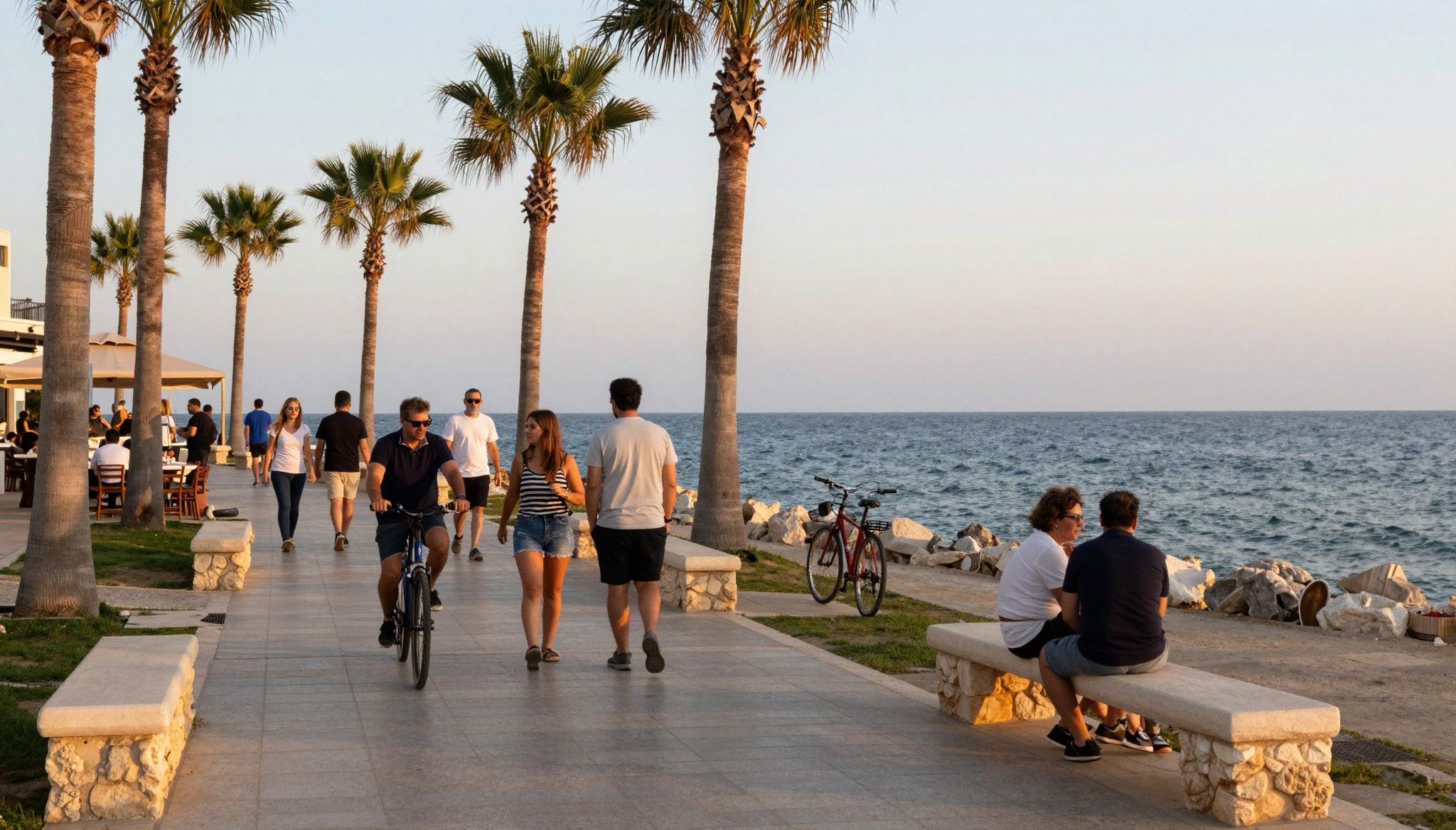
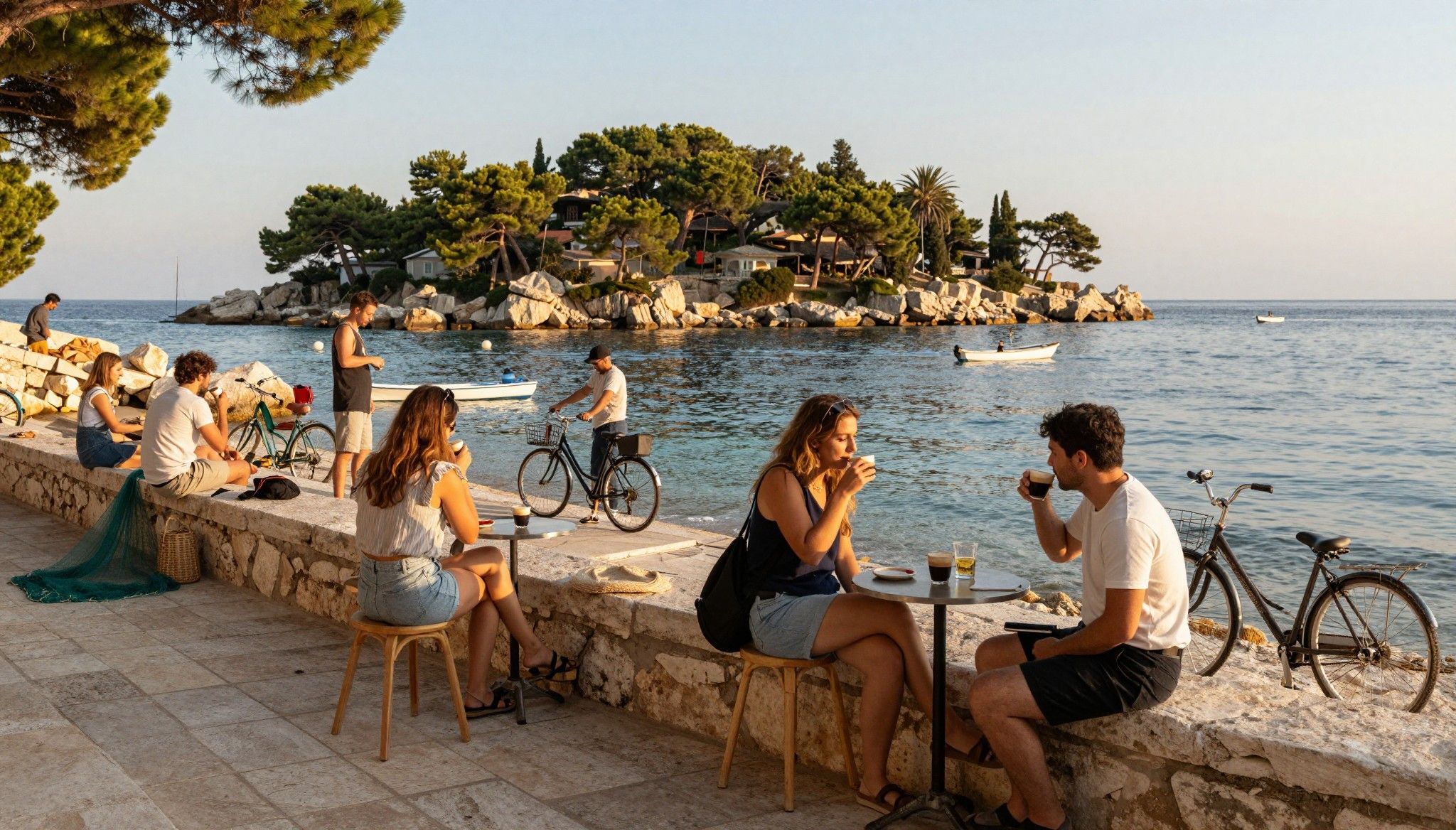
Cyprus feels like a set of short, vivid scenes: coffee at a shaded table on Anexartisias in Limassol, a late-afternoon swim at Kourion beach, or a winter walk in the Troodos pines smelling damp earth and stone. Each district has its own tempo — Limassol’s buzzy seafront and wine bars, Paphos’s layered archaeology and compact harbours, Nicosia’s slow city core with hidden courtyards, Larnaca’s long palm-lined promenades and Polis’s fragrant citrus orchards. These textures matter when choosing property: small terraces and courtyards are more valuable when your social life is outdoors; thermal mass in stone houses matters more where winter nights cool quickly.
Neighbourhood spotlight: Limassol’s old town to Zakaki
Old Town Limassol is stone alleys, cafés and a pedestrian life; Zakaki and the seafront are modern, mixed-use, and where many new eco-friendly developments cluster. If you love morning markets and a walkable coffee culture, aim for the heart; if you want solar-ready new builds, consider newer zones where developers already integrate photovoltaics and water-saving landscaping.
Food, markets and the rhythm of seasons
Weekends here are for markets — try the Paphos municipal market or the small Sunday stalls around Larnaca’s Fort — where local halloumi, citrus and thyme tell you the island’s taste. That food intimacy shapes property choices: a small kitchen garden or south-facing courtyard is not a luxury but a daily asset for those who want to garden organically and live seasonally.
- Lifestyle highlights to look for in listings:
- South-facing terraces for passive solar gain
- Proximity to weekly markets (Paphos, Limassol, Larnaca)
- Stone-built cores or thick-walled houses for natural cooling
Making the move: finance that respects place
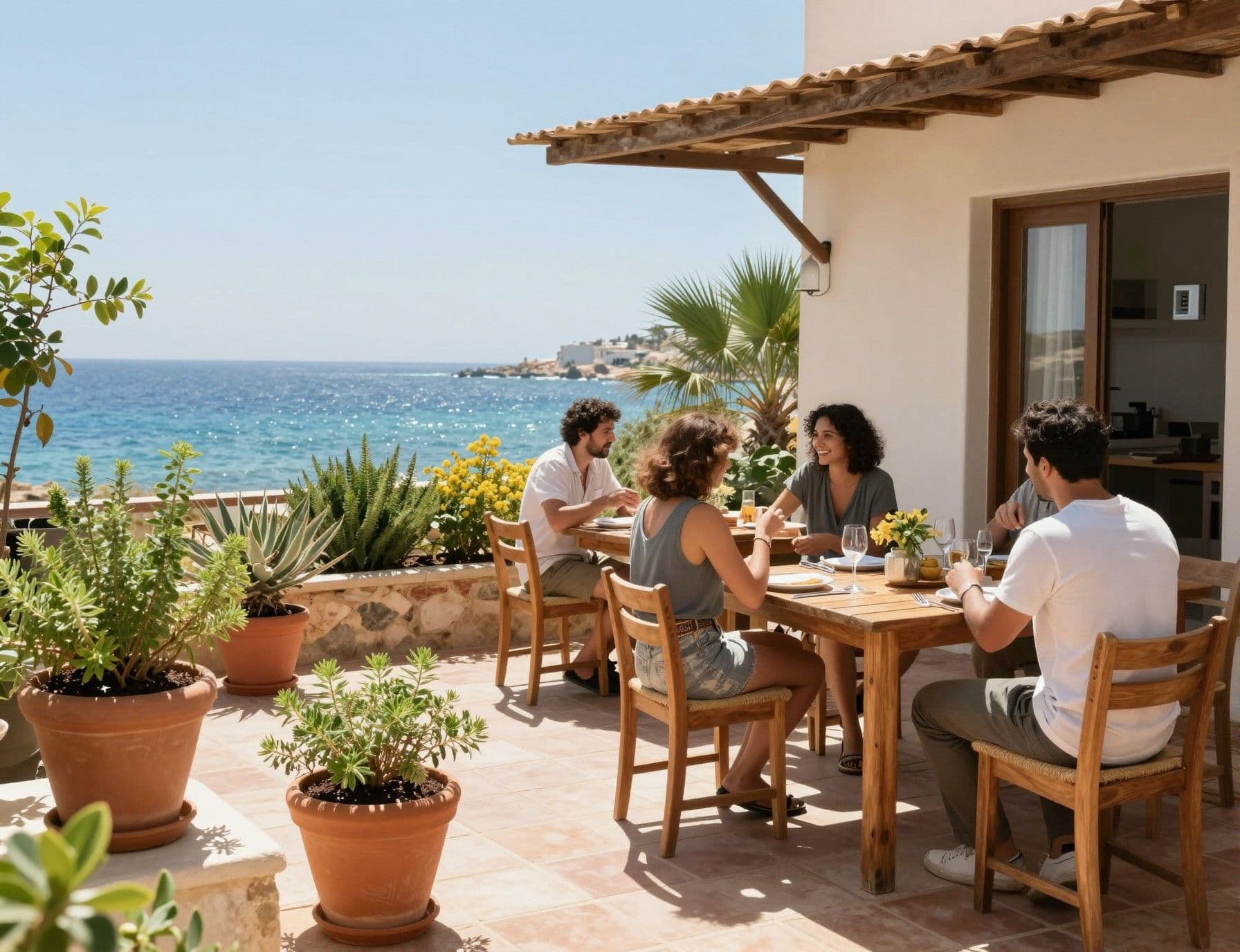
Financing in Cyprus is practical and evolving. Recent Central Bank updates show mortgage activity picking up in 2025 as interest-rate pressures ease, while house-price indices point to modest growth across the island. That means international buyers can still find value, especially when they prioritise energy-efficient homes that qualify for better loan terms or grant programmes. Treat finance as part of the lifestyle plan: the right mortgage can enable rooftop solar, water harvesting and retrofits that reduce bills and deepen your connection to place.
Green loans, grants and where to look
Cyprus offers energy-efficiency grants and programmes through local agencies and EU-funded schemes; small renovation grants and support for photovoltaic installation have been active in recent years. Ask lenders about green mortgage discounts or preferential terms linked to energy performance certificates — some banks in the region are beginning to reward lower consumption with better rates. If you plan renovations, bundle them into your financing from day one so that improvements become part of the project, not an afterthought.
Property types and how finance changes the choice
New apartments often fit better with access to modern insulation, efficient HVAC and shared solar arrays; traditional village homes need capital for thermal upgrades and plumbing. Lenders may view new, energy-rated apartments more favourably — an important consideration if you want a mortgage with a lower down payment or a green-rate incentive.
- Steps to align finance with sustainable living in Cyprus:
- Get an energy assessment early (before offers).
- Ask banks about green mortgage products or retrofit lending.
- Factor retrofit costs into your loan or a renovation line.
Insider knowledge: what expats wish they’d known
“Buy for the life you’ll live, not the Instagram view” is advice you’ll hear from seasoned expats. Practical realities — water availability in summer, the cost of imported heating in winter, and the maintenance rhythm of stone vs. modern facades — shape day-to-day happiness. Expats also tell us that local relationships — with a baker, a neighbour who tends communal gardens, or a trusted contractor — are worth more than a glossy specification sheet when you care about sustainability and community stewardship.
Culture, language and community integration
Greek and Turkish are the island’s living languages, though English is widely spoken in towns and tourist centres. Learning a few phrases and taking part in local festivals — grape harvests in Limassol, village panigyria in Troodos — opens doors to repair crews, gardeners and neighbours who become informal stewards of your home and land.
Long-term stewardship and climate-smart choices
Think beyond the sale: choose homes with rainwater catchment potential, simple passive cooling and community-minded land use. Market data shows apartment sales dominate recent volumes — that can be an opportunity to buy into buildings with shared green infrastructure rather than taking on an isolated retrofit alone. Where possible, prioritise neighbourhoods with municipal green plans or recent public investments in parks and walking infrastructure.
- Red flags and practical checks:
- No EPC or energy certificate for the property
- Unclear water rights or shared well agreements
- Old wiring or plumbing requiring full replacement
Local data and expert sources confirm that regional differences matter: Limassol and Paphos often lead demand, while inland villages offer slower markets but richer opportunities for restorative eco-renovation. Check recent transaction volumes and talk to local agents about where green premiums exist — new, energy-efficient apartments may command higher prices today but save costs long term.
- How Moss & Hearth suggests you begin (simple sequence):
- Choose the lifestyle scene (coastal town, mountain village, urban core).
- Get a local energy assessment and an initial mortgage pre‑approval.
- Request seller disclosure on recent works and water/electric infrastructure.
- Plan financing to include retrofit or PV installation where feasible.
Conclusion: Cyprus rewards buyers who marry imagination with prudence. The island’s sensory pleasures — markets, sea, slow afternoons — are real and accessible, but they flourish best with financing that respects both budget and ecology. Start by picturing the week you want to live here, then use local data, energy assessments and green finance options to make that week repeatable year after year. When you buy this way, a home in Cyprus becomes not just a holiday address, but a place that deepens with seasons, neighbours and careful stewardship.
Dutch property strategist who helped 200+ families find sustainable homes in southern Europe; expert in legal pathways and long-term stewardship.