Pay for the Life: Green Finance Moves in Croatia
Fall for Croatia’s sensory life—then fund it wisely: use energy audits, green‑ready loans and local experts to make sustainable living affordable and resilient.
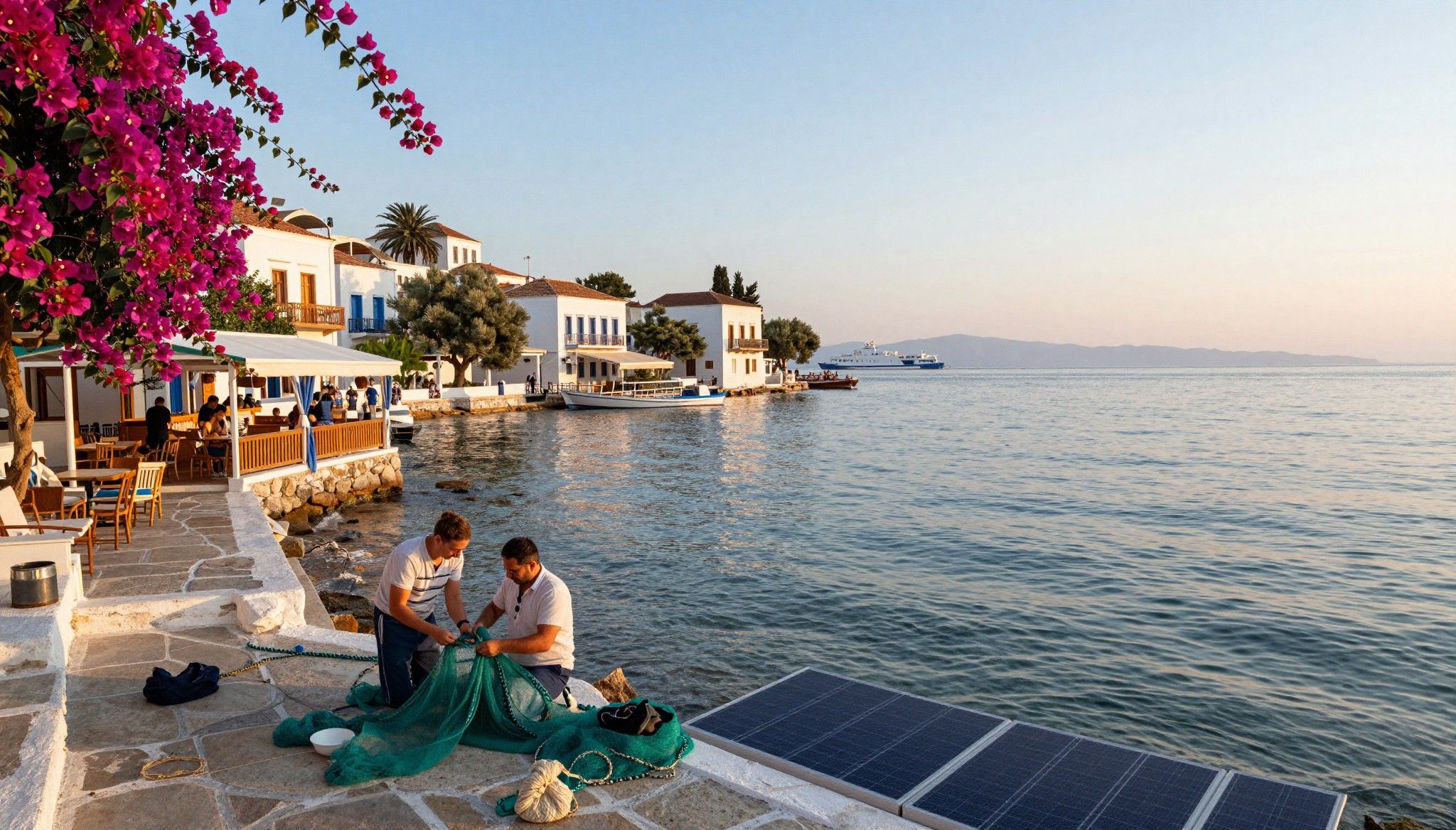
Imagine waking to the smell of baked burek, stepping out onto a narrow stone street in Split’s Varoš, and watching fishermen mend nets before the sea warms. Croatia’s edges—from Istria’s olive terraces to the pine‑fringed coves of Vis—feel like a place where seasons shape daily life, and a home becomes a living conversation with landscape and craft. For international buyers who prize sustainability, that conversation matters: your mortgage, financing and retrofit choices will determine whether your house is a net contributor to local ecology or another costly burden.
Living the Croatian life — rhythms, places and small luxuries
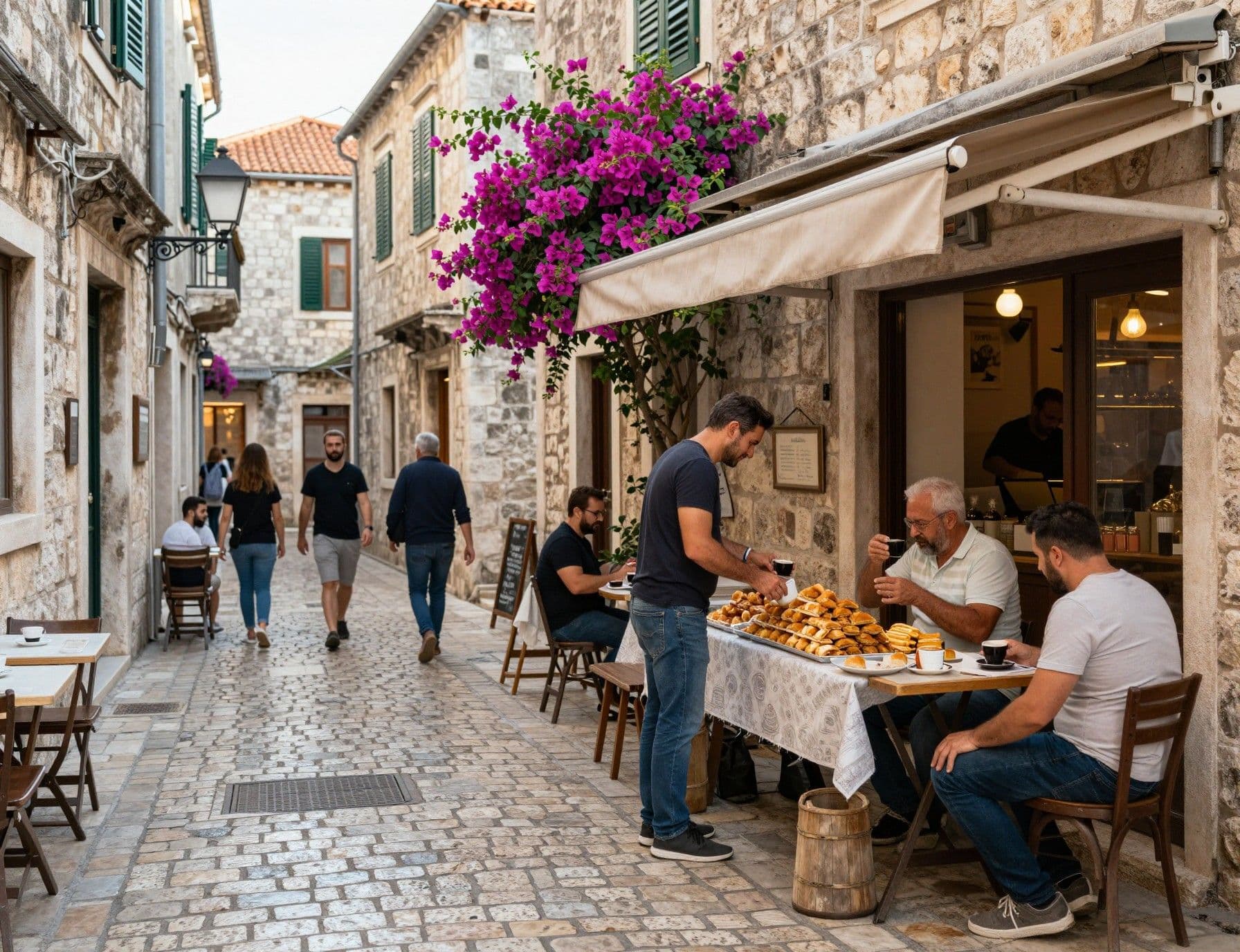
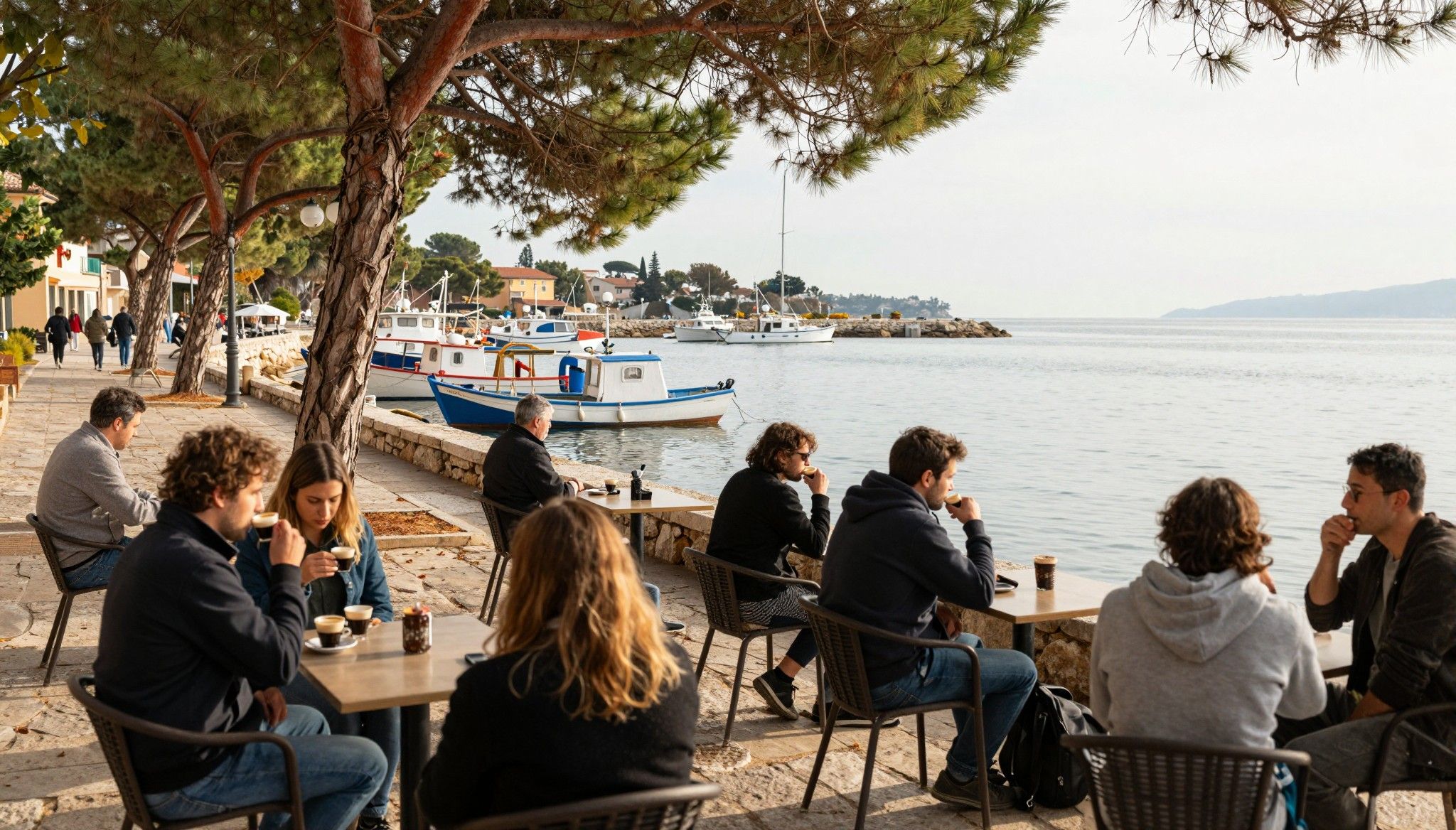
Daily life in Croatia moves at a gentle cadence: morning espressos on sun‑warmed terraces, midday markets dense with figs and cured cheese, and evenings that stretch into conversation over braised fish and local wine. Neighborhoods are intimate—Zagreb’s Gradec hums with cultural life, Rovinj’s old town curves toward the sea in tiny stairways, and the Dalmatian islands keep a slower, salt‑smelling tempo. These atmospheres matter to how you use space; a courtyard garden in Istria can be your pantry, while a seafront balcony in Hvar becomes a year‑round living room.
Neighborhood spotlight: Split’s Varoš and Zagreb’s Tkalčićeva
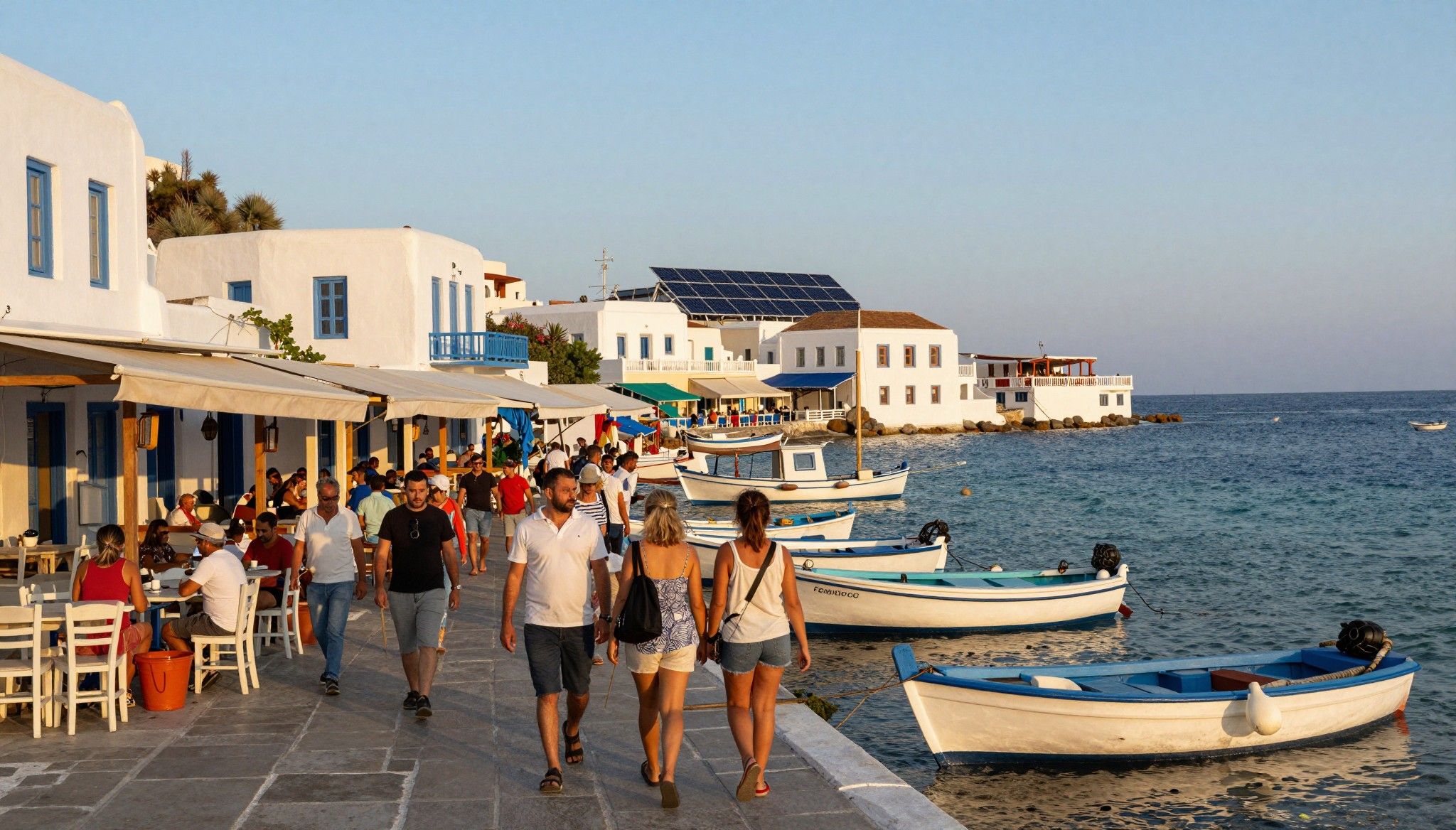
Varoš, tucked behind Diocletian’s palace, is stone steps and bougainvillea—small apartments here suit buyers dreaming of pedestrian life and thriftier retrofits. Tkalčićeva in Zagreb is cafés, galleries and a pulse for year‑round social life; here, apartment insulation and soundproofing are practical priorities for comfort and rental resilience. Both areas reward owners who invest in low‑impact upgrades: drought‑resilient plantings, heat‑retaining shutters, and modest photovoltaic arrays that respect historic facades.
Food, markets and daily rituals that shape property choices
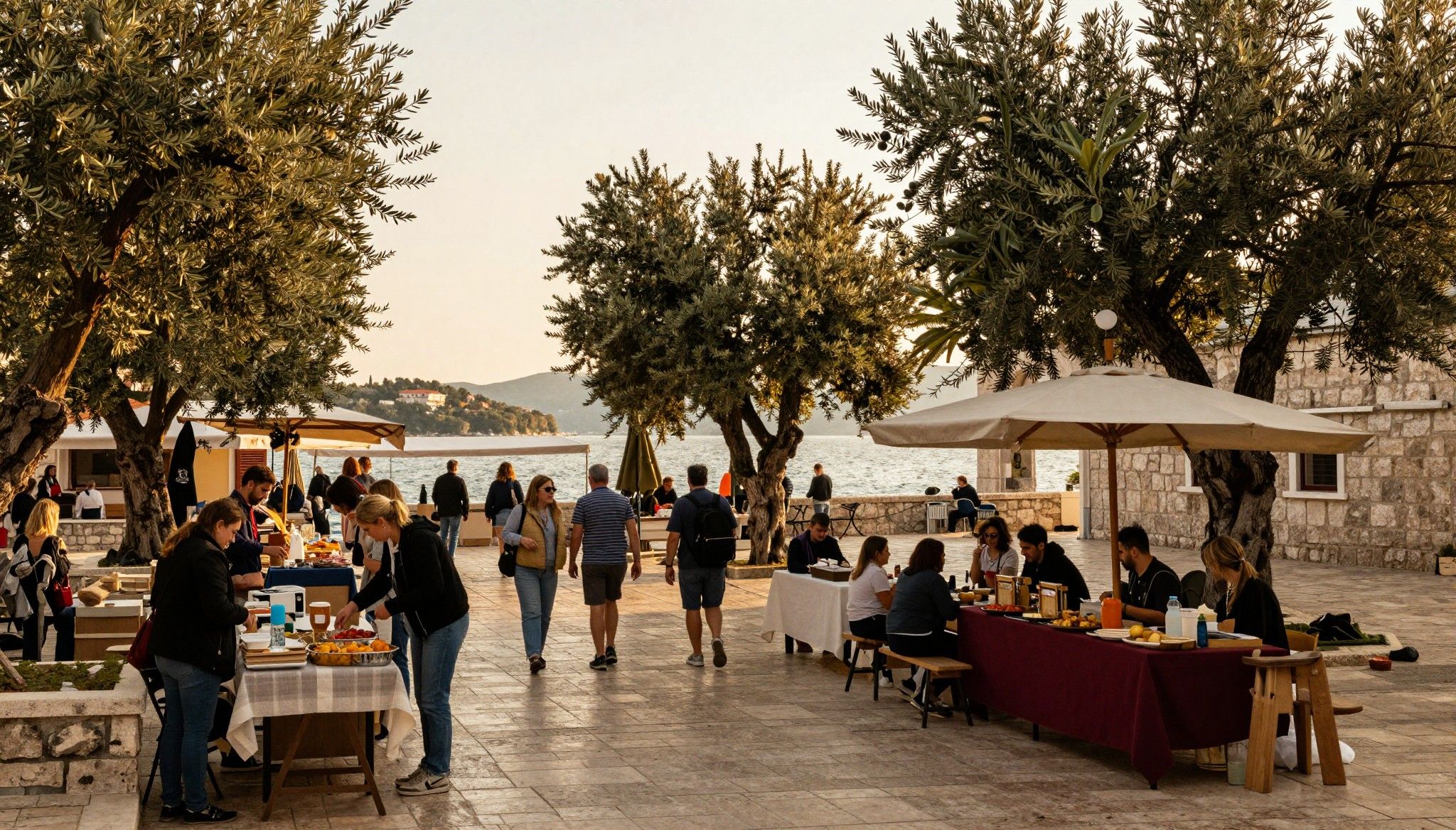
When a weekend revolves around Dolac market in Zagreb or Pazar in Split, storage, kitchen layout and a small balcony for drying herbs suddenly become central to how a home functions. Practical details—space for a chest freezer, a shaded outdoor table, or a compact composting bin—connect lifestyle choices to financing decisions: buyers should budget for modest, high‑impact retrofits that deliver everyday joy and long‑term savings on utilities.
- Morning markets, sea swims, and food moments to prioritize when house‑hunting: • Dolac market (Zagreb) for weekly provisioning • Riva promenade (Split) morning coffee culture • Lone Bay olive groves (Istria) for farm‑to‑table living • Stiniva beach (Vis) for island solitude and outdoor recreation
Making the move: practical considerations that keep the lifestyle green
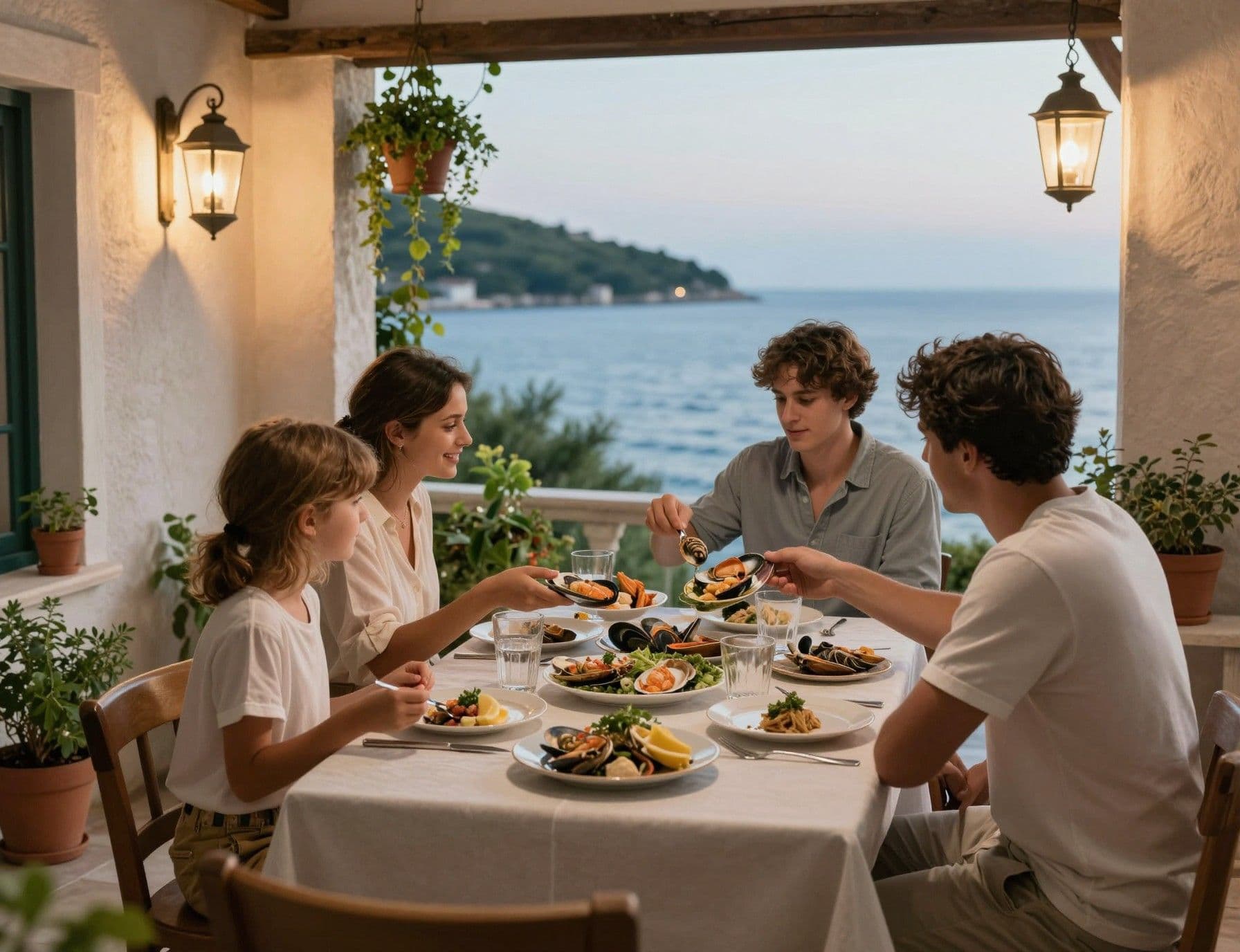
Croatia’s market has cooled from its frenzied recent years, creating negotiation room but also highlighting regional divergence: coastal hotspots remain expensive while inland counties show more value. That shift is an opportunity for the eco‑minded buyer—you can demand green warranties, energy performance upgrades, and village‑scale solutions as part of the deal. But you’ll need financing that recognises longer‑term returns from lower running costs, not just immediate price appreciation.
Property styles and how they fit sustainable daily life
In Croatia you’ll find stone konaks, modern coastal villas, and compact town apartments. Stone houses in Istria and Dalmatia typically have thick walls and high thermal mass—great for passive comfort but often needing modern insulation and efficient windows. New builds may already include heat pumps and PV readiness. Match the property’s bones to your lifestyle: if you want year‑round living, prioritise thermal upgrades; if seasonal use is likely, focus on systems that are easy to winterise and low maintenance.
Working with local experts who speak both sustainability and law
A bilingual agent who knows local microclimates, heritage restrictions and green incentive programmes is invaluable. Look for agencies that partner with energy auditors, architects familiar with stone restorations, and notaries experienced with transfers for non‑EU nationals. This team helps translate lifestyle desires—terrace olive groves, natural pools—into permitting realities and financeable upgrades.
- Steps to align lifestyle goals with financing and compliance: 1. Define seasonality: year‑round or holiday use; this affects loan types and insurance. 2. Get an energy audit early to cost retrofit items into your mortgage or green loan. 3. Ask agents for comparable properties with documented energy improvements. 4. Negotiate seller contributions for PV, insulation or water harvesting where possible. 5. Choose banks that recognise energy upgrades in loan‑to‑value calculations.
Insider knowledge: myths, pitfalls and expat realities
Myth: coastal Croatia is always a safe short‑term rent play. Reality: rising supply, changing tourism patterns and higher interest rates mean returns vary—especially for small apartments without strong year‑round demand. Many expats wish they’d focused less on sea views and more on community access, thermal comfort, and a property’s capacity for green upgrades that reduce seasonal running costs.
Cultural and seasonal realities that affect living and compliance
Language is practical more than romantic: basic Croatian smooths local dealings, but many officials in coastal towns and Zagreb speak English. Festivals—Carnivals, Feast of St. Blaise in Dubrovnik, summer town fiestas—transform neighborhoods and can complicate maintenance or renovations. Build time‑buffers into permits and be ready for local rhythms when contractors pause for harvests or holidays.
Long‑term lifestyle and stewardship: planning beyond purchase
Think in decades: choose materials and systems that age gracefully—local stone, lime plaster, simple heat pumps and battery‑ready electrics. Invest in landscape that supports biodiversity (native xeric plantings, olive terraces, rain gardens) and you’ll lower ongoing costs while adding to market appeal. Stewardship is both a lifestyle choice and a value proposition when markets shift.
- Red flags and green opportunities to watch for: • No energy certificate or refusal to allow an audit (red flag). • Water rights or shared well ambiguity (procure documentation). • Overly polished “sea view” marketing hiding poor insulation (beware). • Seller offers a recent PV installation with documentation (opportunity). • Village networks for bulk retrofit contractors (cost advantage).
Conclusion: imagine the life, finance the future. Fall in love with Croatia’s markets, but bring a plan that honours seasons, neighbours and ecosystems. Start with an energy audit, ask sellers to factor retrofit costs into negotiations, and team up with agents who speak both place and policy. When lifestyle and finance sing the same tune, your Croatian home becomes a quiet engine of wellbeing—for you and the landscape you join.
Dutch property strategist who helped 200+ families find sustainable homes in southern Europe; expert in legal pathways and long-term stewardship.