When Adriatic Light Meets Loan Terms: Croatia, Green Finance & Lifestyle
Fall in love with Croatia’s rhythms — then finance and retrofit smartly: data-backed market context, lender realities, and green loan strategies for international buyers.
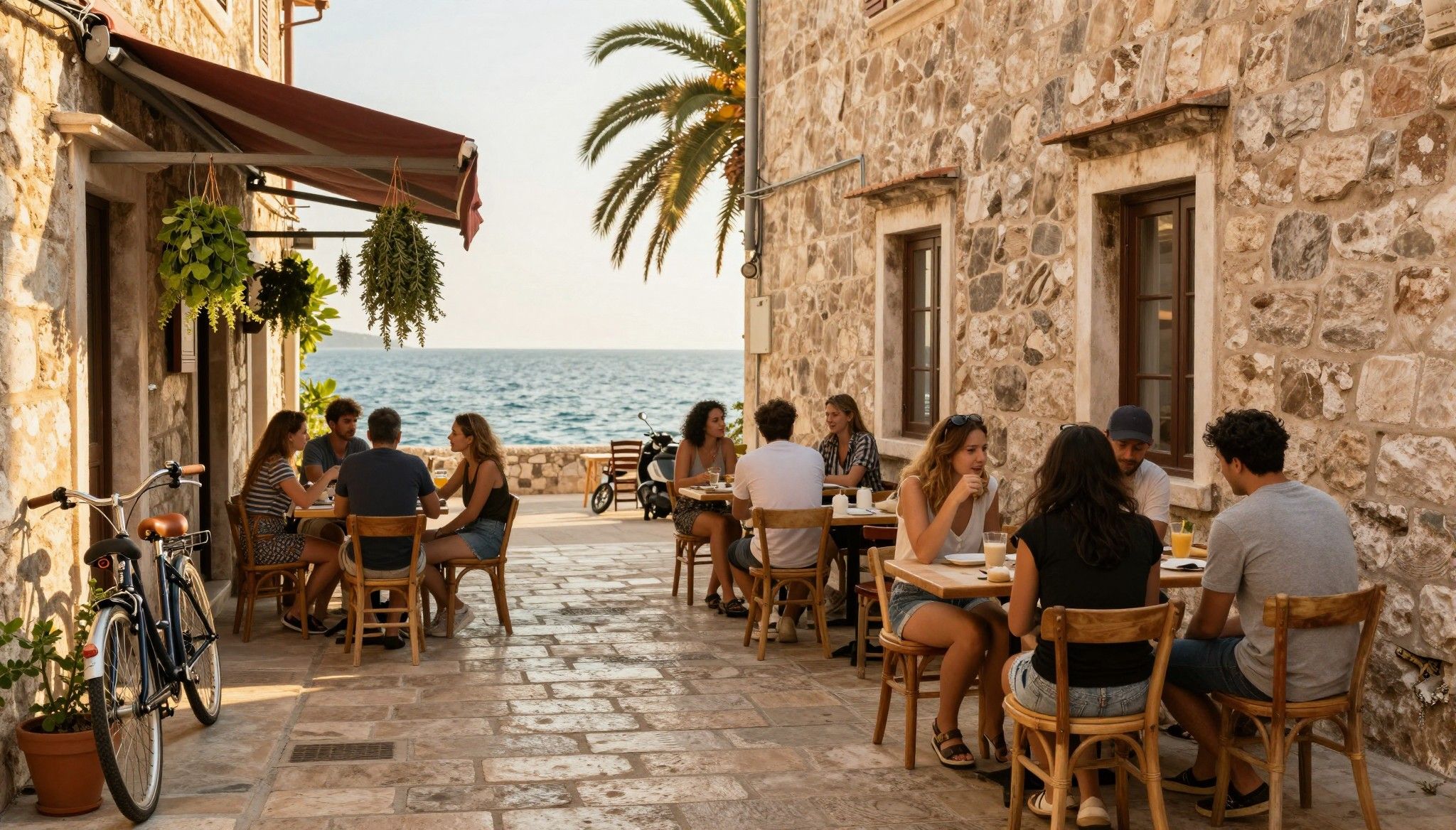
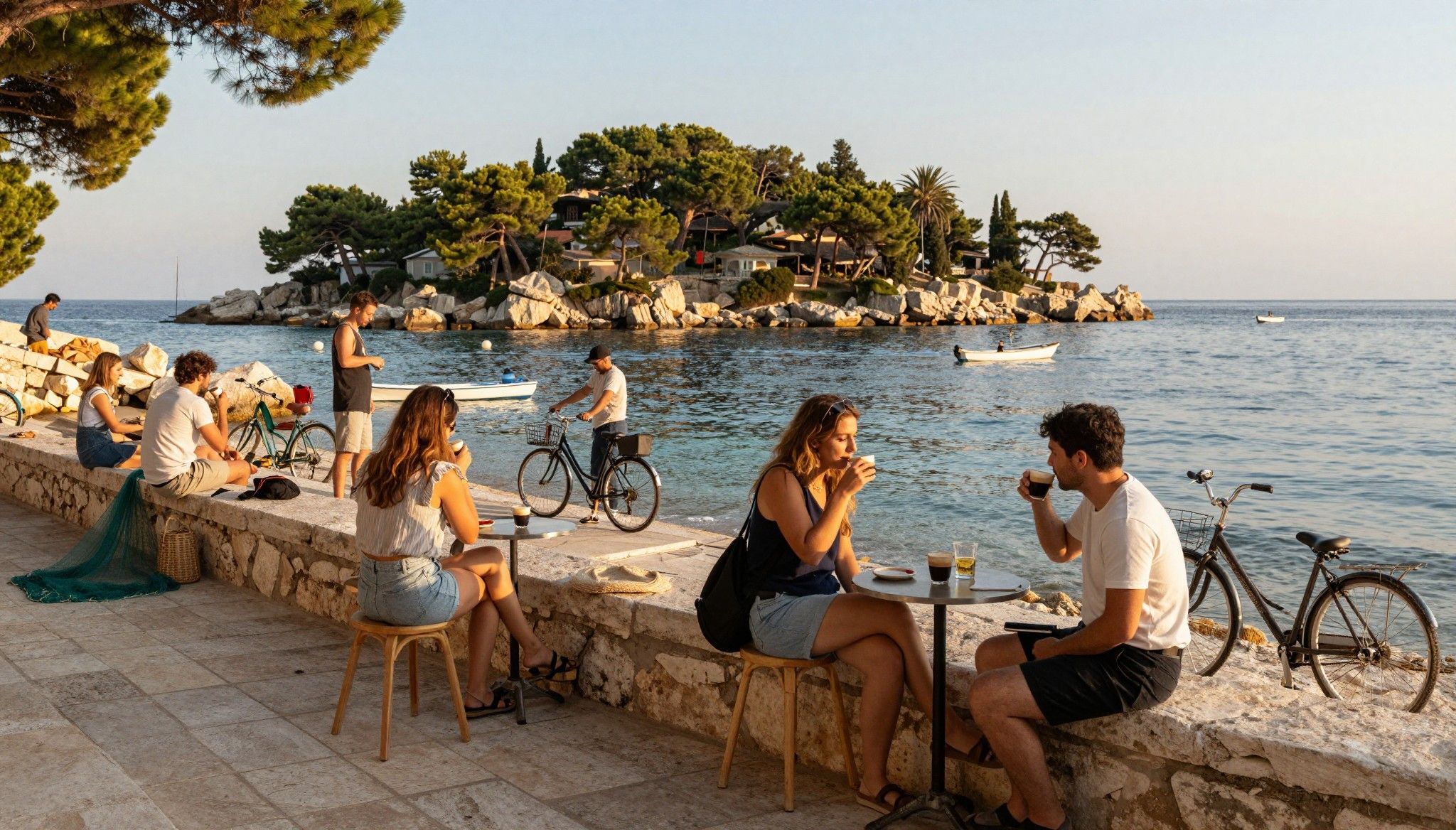
Imagine waking to the salt breeze on a stone-paved street in Hvar, then walking to a small kafić for espresso while the butcher sets out fresh dalmatinski prsut. That sensory, slow rhythm is Croatia: Adriatic light, olive trees, tile roofs and markets that shape the week. Yet beneath the romance lies a market that has changed rapidly — prices have climbed, foreign buyer patterns are shifting, and lenders are more cautious than they were five years ago. Knowing how finance and sustainable upgrades intersect here separates dreamy buyers from ones who get surprised at closing.
Living the Croatian life — what you actually wake up to
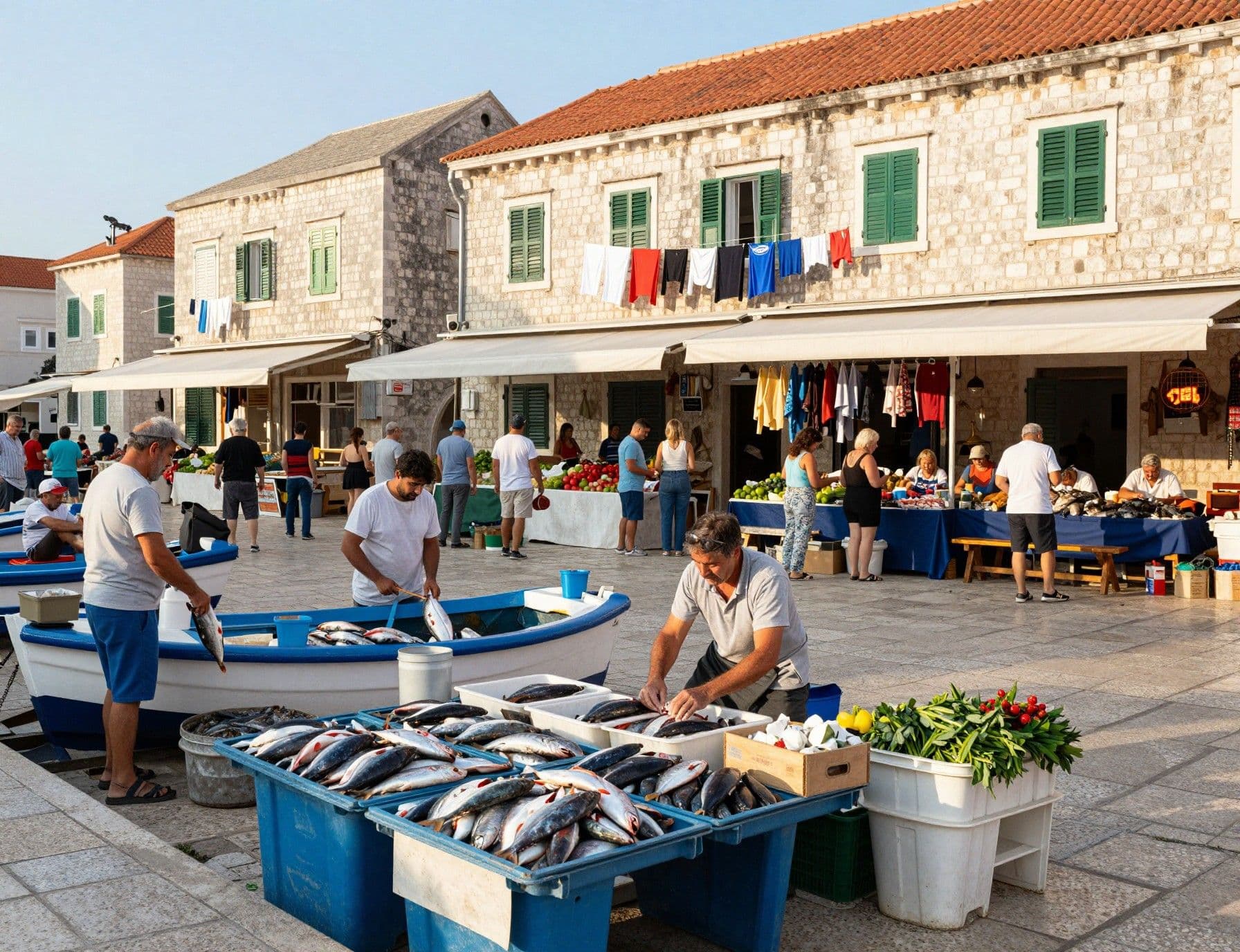
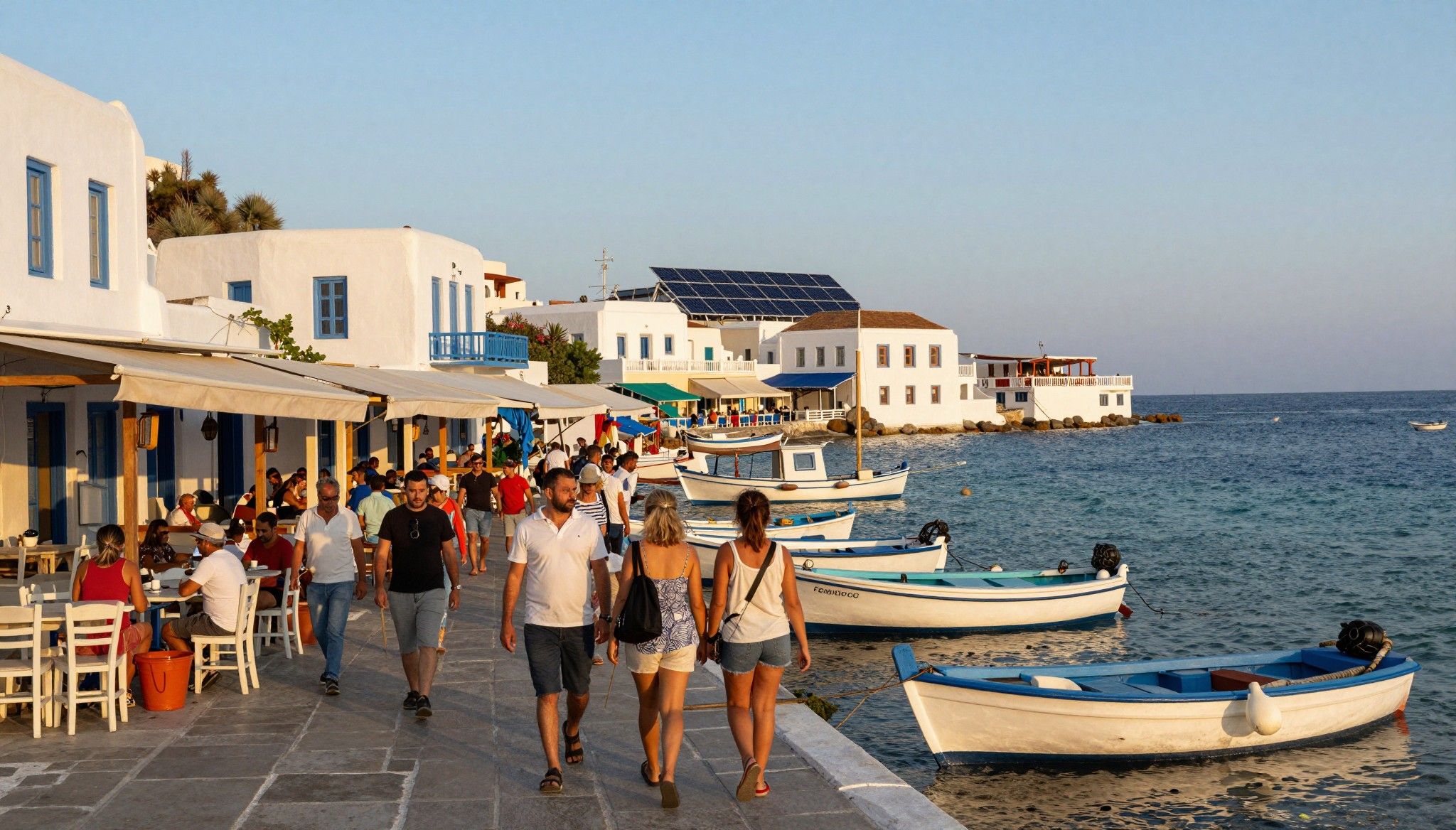
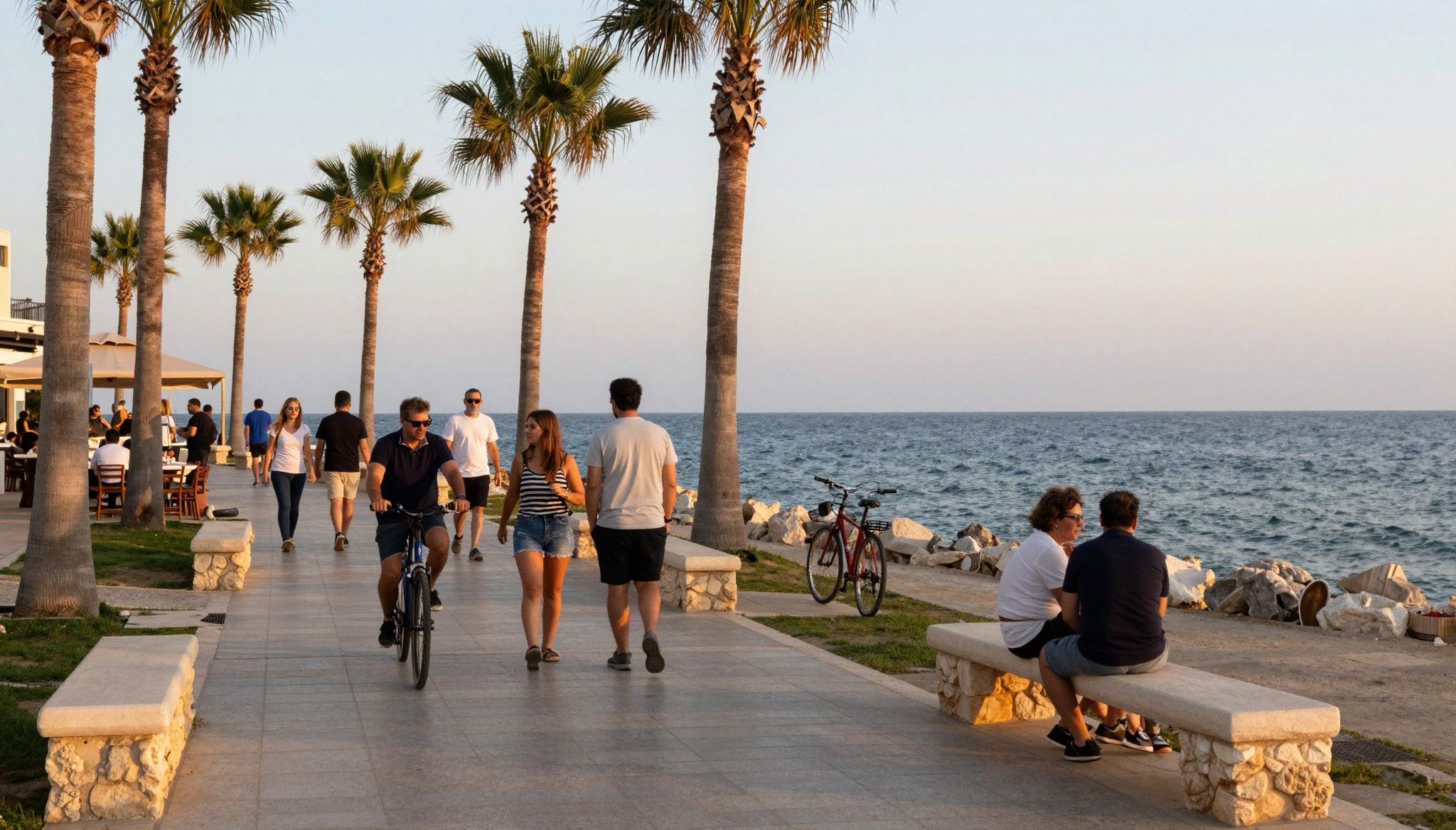
Croatia is small enough that coastal village routines and Zagreb’s early-morning market rhythms feel intimately connected. Mornings can mean fishermen on the quay in Split, afternoons are olive-oil tastings in Istria, and evenings are long on terraces with locally raised lamb and malvazija or plavac mali wine. For buyers, this sensory life translates into choices: proximity to a market or a rocky beach determines daily habits, while access to public transport and local services shapes year-round livability. If you want sunlight and an outdoor kitchen, coastal terraces matter; if you crave forests and regional produce, inland stone houses with land do.
Neighborhood spotlight: Split’s Veli Varos and Diocletian life
Veli Varos, with its narrow lanes and front-porch conversations, shows why many buyers fall for Split’s lived-in charm. Houses here have centuries of patina — limestone walls, wooden shutters, and small terraces where neighbours hang laundry and trade recipes. For green-minded buyers, modest retrofit projects (insulation, thermal windows, efficient boilers) can preserve character while cutting energy bills and raising market appeal. A local agency who knows these streets will spot where a rooftop can host discreet solar panels and where an interior courtyard can become a rainwater garden.
Food, markets and the weekend ritual
In Zagreb, Dolac Market is the weekend heartbeat; in Rijeka, small konobas on the Riva keep local life honest; in Istria, truffle season turns forests into pilgrimage routes. These rituals affect property choice: buyers who imagine year-round market runs often choose apartments close to town squares, while those seeking agrarian life look for houses near Buzet or Motovun. Taste the place first: a property that fits your food habits will feel like home faster than one with merely a view.
Making the move: finance, green loans and the realities at closing
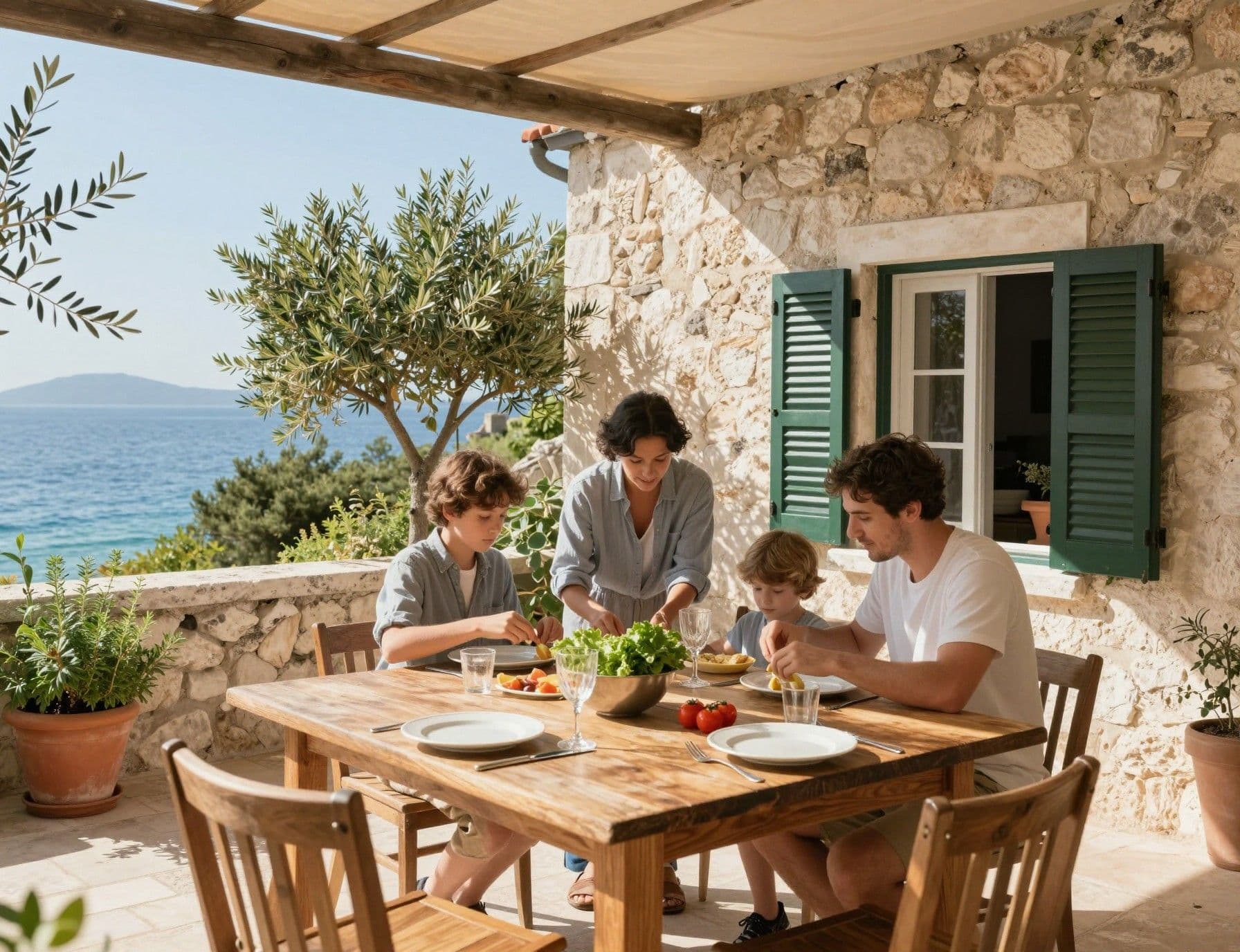
The paperwork and numbers bite: official data from the Croatian Bureau of Statistics shows average prices for new dwellings and a market that has seen strong recent rises, while trade reports note a cooling in transaction volumes and a drop in foreign purchases. Banks in Croatia do lend to non-residents, but terms vary and many loans are still priced with caution; some lenders prefer applicants with EU residency or higher down-payments. Green financing — subsidised loans or grants for energy upgrades — is present but fragmented: use them to reduce long-term costs and improve saleability, especially on historic houses that benefit most from sensitive retrofit.
Property styles and what they mean for sustainable finance
Think of property types as sustainability templates. A stone dalmatian villa is thermally heavy — excellent for passive cooling but often in need of targeted insulation and efficient heating for the shoulder seasons. Modern coastal apartments may be energy-tight but lack rainwater systems or native landscaping. When you talk to banks (some publish standard loan terms for euro‑area buyers), bring a simple retrofit plan: lenders will view energy improvements as risk-mitigating when paired with green loan options or predictable rental income scenarios.
- How to blend lifestyle desires with practical finance (step-by-step)
1) Visit in two seasons to test microclimate and daily rhythms. 2) Get a pre‑check from a Croatian bank or broker — non-resident lending rules differ per institution. 3) Commission a simple energy audit for older properties; ask for estimated costs and payback. 4) Factor green upgrades into the mortgage or a separate sustainability loan where possible. 5) Use a local agency to build a trusted team: notary, lawyer, engineer and green contractor.
Insider knowledge: what expats wish they’d known before signing
Expats often say the same two things: they wish they’d understood seasonal life better, and they underestimated operating costs on older stone houses. Summers can feel like endless festivals and winter can feel wonderfully quiet — but heating and maintenance in the off-season add a reality layer to the dream. Another common regret is not securing a local contractor early; small, ecologically sensitive works (pellet stoves, micro solar, greywater reuse) are easier and cheaper when aligned with the purchase.
Cultural rhythms and community integration
Croatians value place and provenance — knowing local producers, attending a village festá, and respecting seasonal patterns opens doors. Language isn’t a brick wall: a little Croatian and consistent presence go a long way at markets and with neighbours. For long-term lifestyle sustainability, choose neighbours you share interests with — gardeners with gardeners, boat owners with boat owners — and you’ll build informal support that keeps a property alive and cared for across seasons.
Long-term stewardship: how your home becomes part of the landscape
A home in Croatia is rarely a static asset — it ages, the garden evolves, and the local community shapes its use. Stewardship means choosing materials that weather beautifully (local stone, lime plaster, reclaimed wood), planning gardens for biodiversity, and thinking ahead to energy independence (solar + battery sizing, rainwater capture). These choices improve life now and keep resale aligned with sustainable values — and lenders increasingly recognise lower-risk profiles in energy‑efficient properties.
Practical red flags to watch for before you bid
- Unclear ownership history or missing cadastral documents
- Properties without feasibility for basic upgrades (no space for panels, access issues for contractors)
- Underpriced coastal units with unresolved coastal zone permits
- Offers that don’t factor in seasonal operating costs (heating, maintenance, insurance)
Closing: the final practical checklist
1) Confirm cadastral map and ownership chain with a lawyer. 2) Get a written estimate for any immediate green works and include it in negotiations. 3) Ensure your mortgage offer is euro‑denominated (many lenders publish terms for euro‑area applicants). 4) Pre-agree a handover and schedule for key maintenance tasks in the first year.
Croatia’s coast will still charm you — but the buyers who thrive are those who pair romantic imagination with careful financial planning. Work with agencies who can translate lifestyle into numbers, seek lenders who recognise green upgrades, and treat stewardship as part of the purchase price. Then you won’t just own a house; you’ll have a home that feels rooted in place and kind to the landscape.
Dutch property strategist who helped 200+ families find sustainable homes in southern Europe; expert in legal pathways and long-term stewardship.