Why Summer House‑Hunting in France Can Blind Green Buyers
A lifestyle-led due-diligence guide for buying in France: why summer charm can hide permit pitfalls, energy traps and seasonal realities — with concrete checks and official sources.
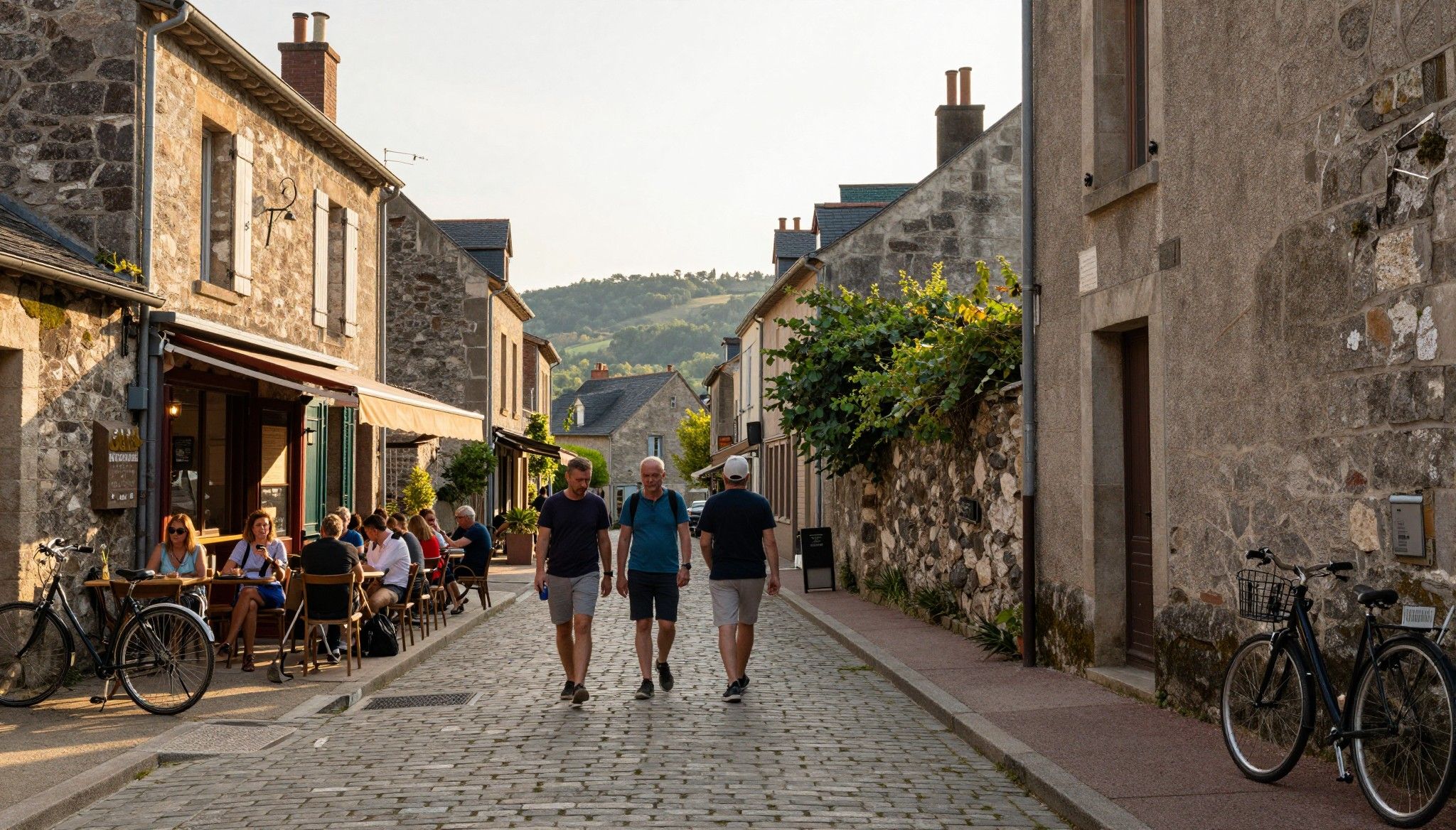
Imagine arriving in France on a late-summer afternoon: the market stalls of Aix are fragrant with basil and peaches, a boulanger pours the last pain au chocolat into the window, and light spills across limestone facades. It’s easy to fall in love in that hour — and equally easy to make a purchase decision based on sunshine, shutters and seasonal bustle rather than the year-round life your home must support.
Living the French life — beyond the summer postcard
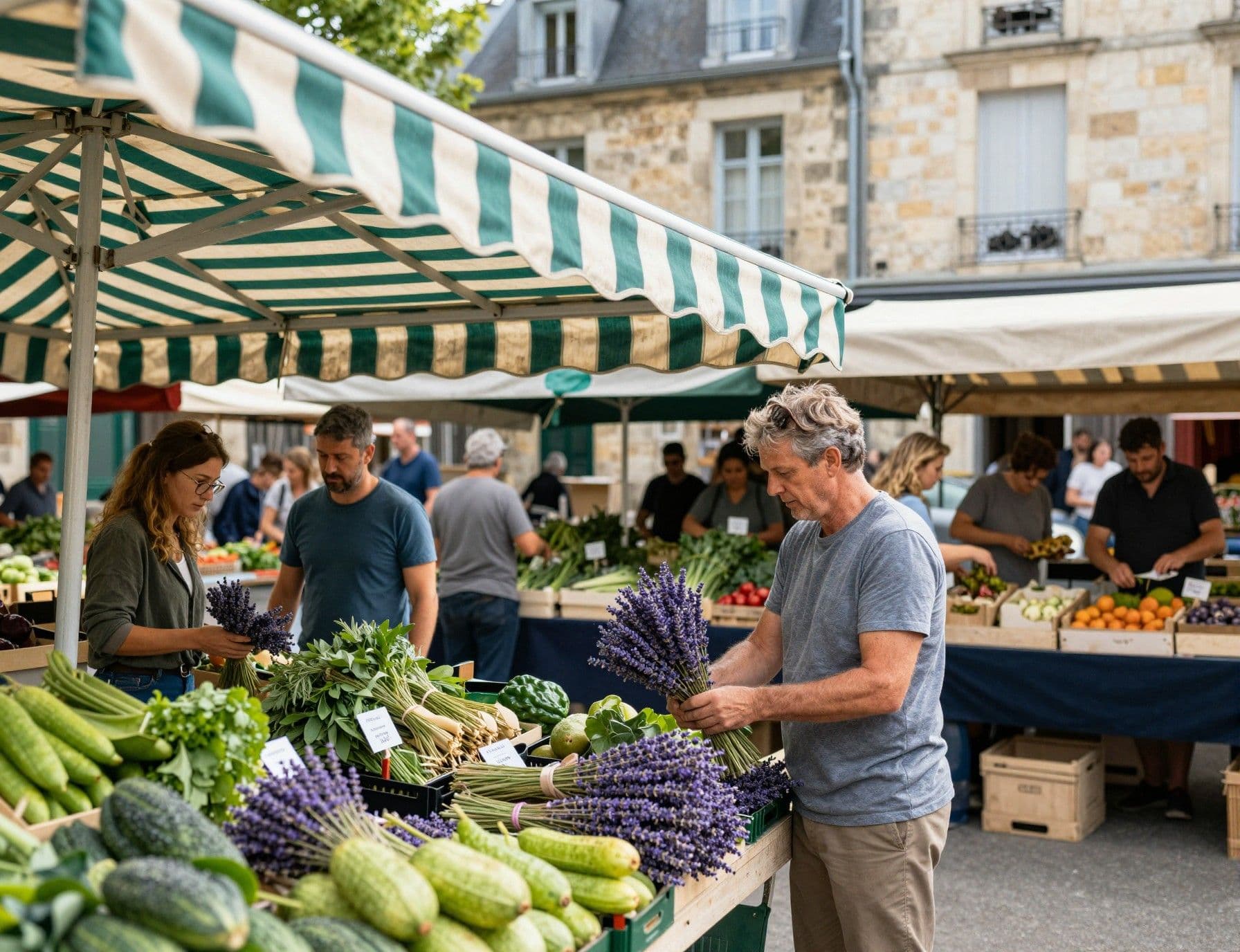
France hums with a rhythm that changes by season and region. In Paris you wake to espresso, hurried deliveries and quiet courtyards; on the Côte d’Azur terraces hum with foreign languages and late dinners; inland, villages slow to market rhythms and harvests. For sustainable buyers the real draw is how homes sit within landscape cycles: chestnut trees in the Cévennes, lavender mornings in Provence, tidal marshes on the Atlantic—all shape daily life, energy needs and garden choices.
Neighborhood spotlight: Le Marais, Aix-en-Provence, and Biarritz
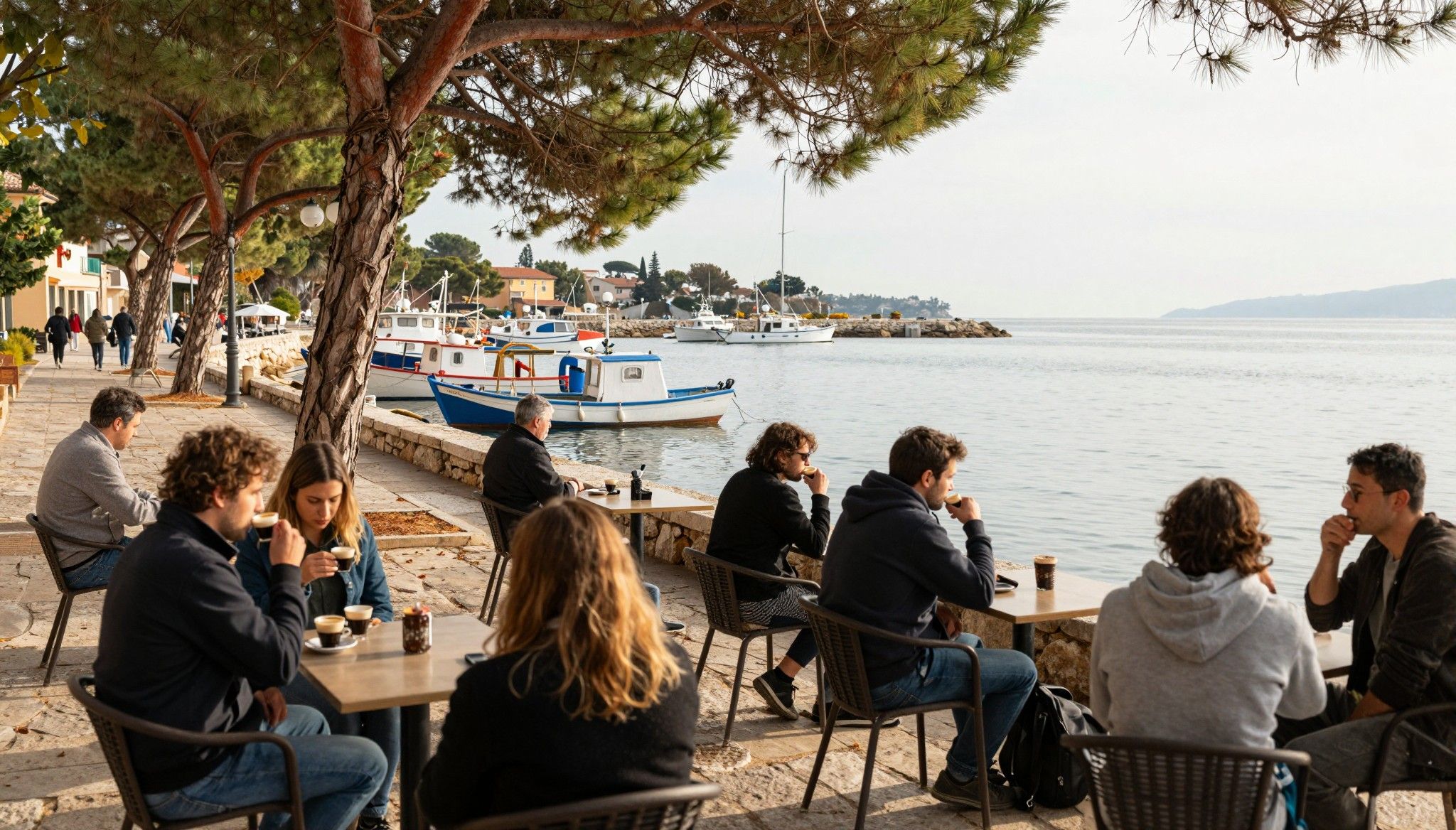
Le Marais offers stone staircases, boutique cafés and tight-knit urban gardens where composting circles are commonplace; Aix’s Cours Mirabeau tempts with mercado mornings and a slower midday; Biarritz brings surf culture, weekend markets and a particularly outdoorsy community. Each place looks beautiful in high season, but what matters for an eco-minded purchase is the off-season texture: which cafés stay open, how local services operate in winter, and whether a property’s insulation and heating strategy match real local weather.
Food, markets and that house-by-the-market illusion
The market is the social heart in many towns — place Gambetta in Montpellier, Marché Forville in Cannes, or the marchés of Annecy — and it’s tempting to buy a nearby flat because Saturday feels alive. Yet market life ebbs: vendors leave in low season, and a bright square in July can be a ghost in February. Smart buyers watch markets across seasons and listen to vendors about cold-season footfall before letting charm lead the contract.
Making the move: permits, due diligence and the winter test
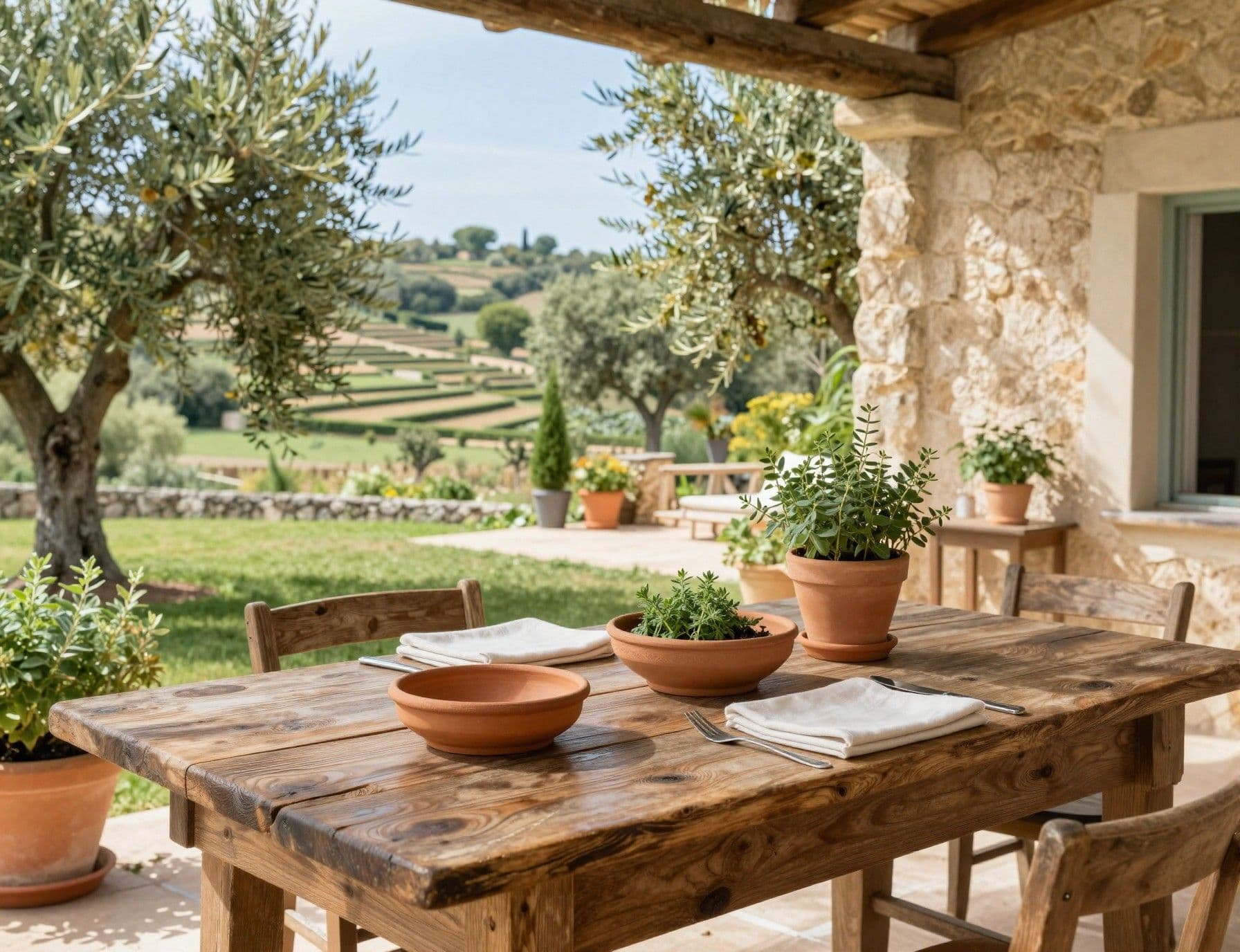
If summer seduces you into a quick purchase, several winter realities can follow: energy costs when heating poorly insulated homes; municipal limits on renovation permits during busy months; and structural problems hidden by warm-weather neglect. French permit rules — from simple declarations to a permis de construire — and local planning consultations (including the architectes des Bâtiments de France where relevant) can add months to a renovation timetable. Checking permit timelines and testing a house in its cold, wet season helps avoid surprise costs and rushed compromises.
Property styles and what they demand off-season
A stone farmhouse with single‑glazed windows and traditional lime plaster feels romantic in July but demands heavy retrofitting for comfort and efficiency. Vernacular homes often require reroofing, insulation behind lime plaster, and careful integration of renewable heating to respect heritage rules. Conversely, recent builds may be thermally efficient but lack the passive cooling and shading locals prize. Align the property type with how you want to live across seasons — not only during your favorite month.
How local experts save green buyers time (and carbon)
Work with an architect familiar with local materials and a notaire who understands non-resident tax traps; they will flag heritage restrictions and energy-performance obligations early. Consult a local energy auditor to estimate retrofit costs and DPE (diagnostic de performance énergétique) implications for rentals. Speak to municipal planning early — some communes request additional documents or seasonal restrictions that lengthen permit processing. Finally, meet neighbours and close-by shopkeepers to learn how the place behaves across the year.
Insider knowledge: what expats wish they'd known
Expats often tell the same story: they bought for light and closeness to markets, then discovered cold drafts, permit delays, or energy rules that limited rental options. Recent national data shows the French market stabilised after a bumpy period — a healthy sign — but it also masks regional swings. That’s why you should layer national statistics with micro-neighbourhood checks before a commitment.
Cultural integration and everyday life
French daily life rewards small rituals: the morning boulangerie run, weekly marché, and the neighbour who knows a trusted artisan. Language helps but kindness opens more doors; introducing yourself to the mairie (town hall) and sharing renovation plans earns goodwill and smoother permit negotiations. For ecological buyers, joining local gardening or river-restoration groups is a fast route to belonging and useful local knowledge about water, native planting and seasonal maintenance.
Practical red flags to check before you fall in love
1) Unresolved historical easements or flood-risk notices — ask for the PLU (local urban plan) and flood maps; 2) Poor DPE rating (E–G) if you plan to rent or live long‑term — get an energy audit early; 3) Heritage protections that require ABF sign-off for visible changes; 4) Discrepancies between advertised and actual floor plans — verify with the notaire; 5) Seasonal closures of local services that would leave you isolated in winter.
A seasonal due-diligence checklist (step-by-step)
1) Visit in at least two seasons and note heating, daylight and access; 2) Hire a certified diagnostiqueur for DPE and termite reports; 3) Ask the mairie for recent permit decisions and the PLU; 4) Request a notaire to run title and any servitudes; 5) Get quotes from local builders for essential retrofits and green upgrades before making an offer.
Conclusion: fall in love slowly, buy with the year in mind
France gives you seasons, neighborhood rituals and extraordinary local foods — but the right property choice is a year-long story, not a summer fling. Bring in a local team that values ecological stewardship, verify permits and energy needs, and let the winter test be your final yes. Then you’ll own not just a beautiful place, but a home that honors landscape, craft and community through every season.
Dutch property strategist who helped 200+ families find sustainable homes in southern Europe; expert in legal pathways and long-term stewardship.