When a French Permit Can Make or Break an Eco‑Renovation
Fall for France’s markets, light and craft — but check PLU, heritage perimeters and mandatory diagnostics early to protect green renovations and long‑term stewardship.
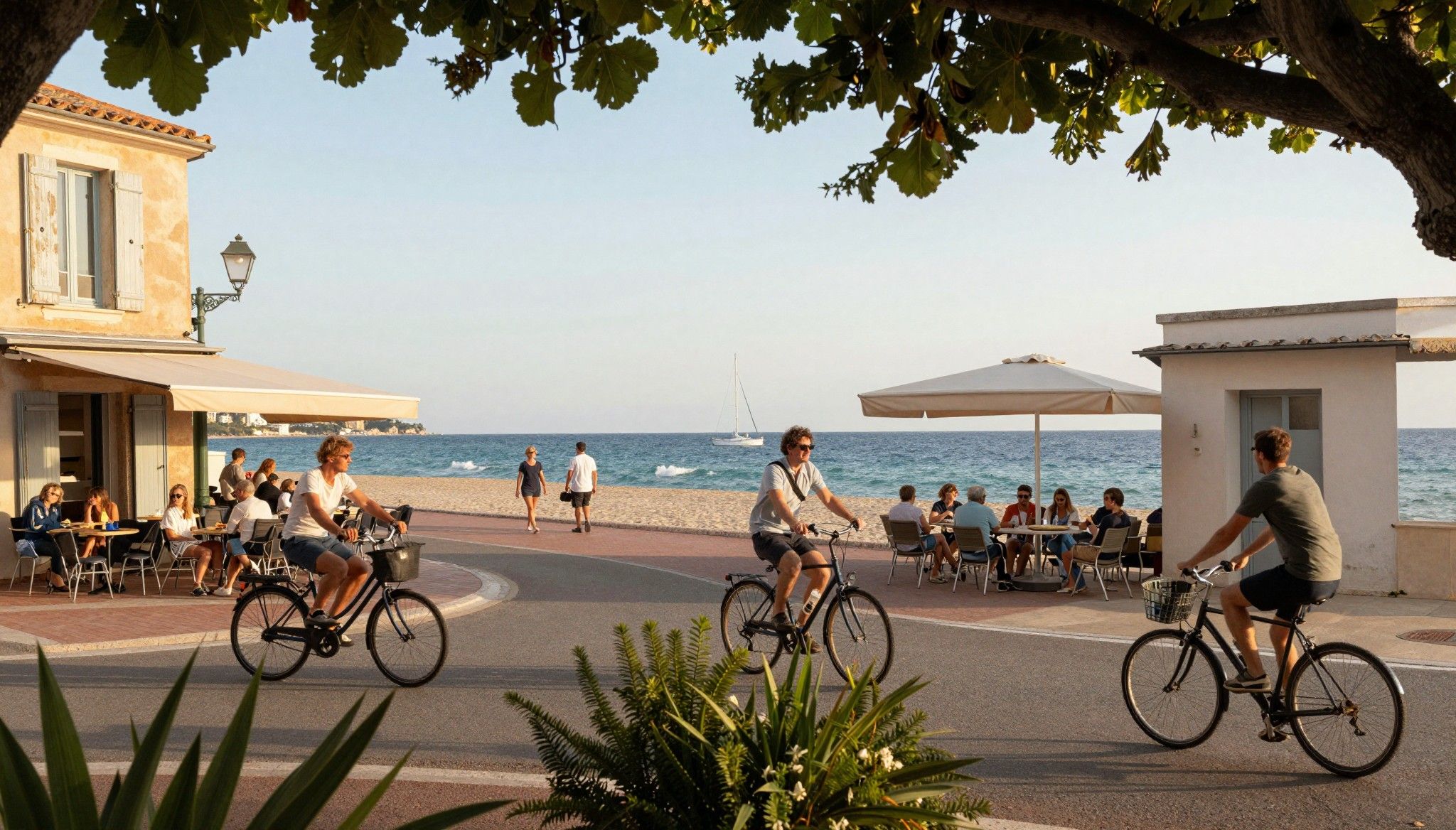
Imagine waking to the smell of fresh baguette on Rue des Abbesses, cycling past chestnut‑shaded squares, or watching twilight flatten over the lavender fields of Provence. France feels like a lived story — villages with stone doorways, seaside promenades alive with aperitifs and markets that reset your week. But the love affair with place can collide with paperwork: permits, heritage rules and mandatory diagnostics quietly shape what you can actually change in a home.
Living France: daily rhythms, tucked-away corners
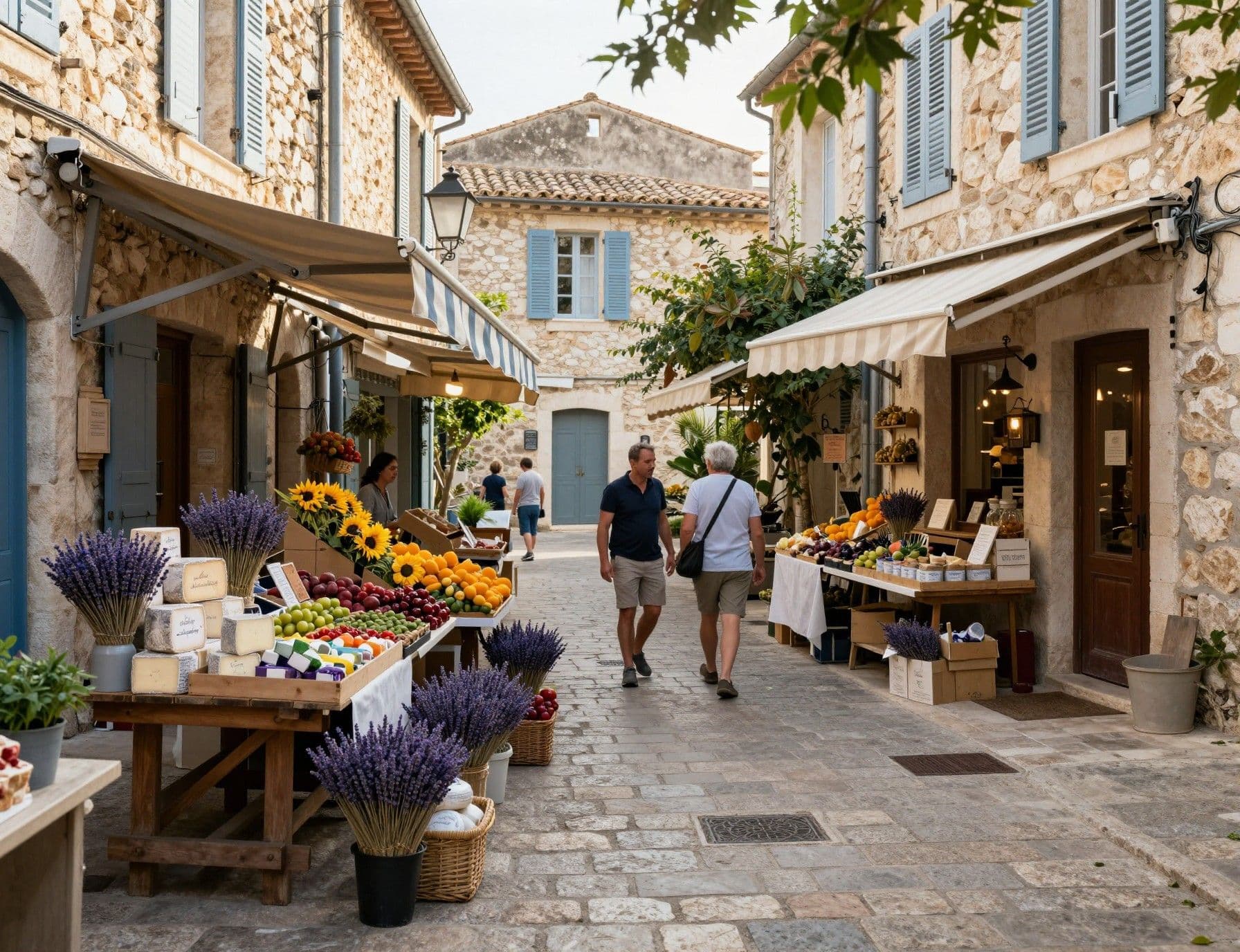
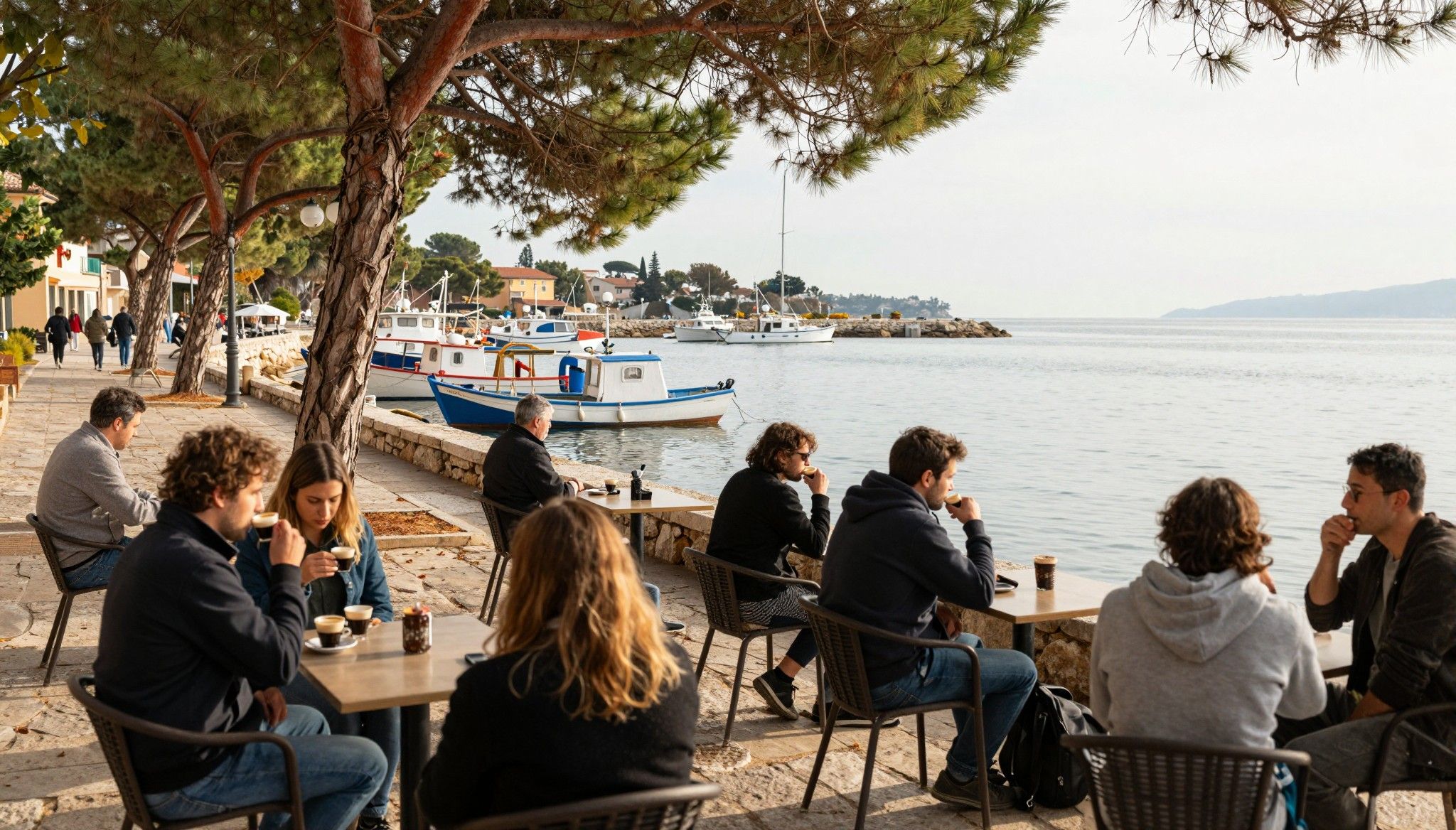
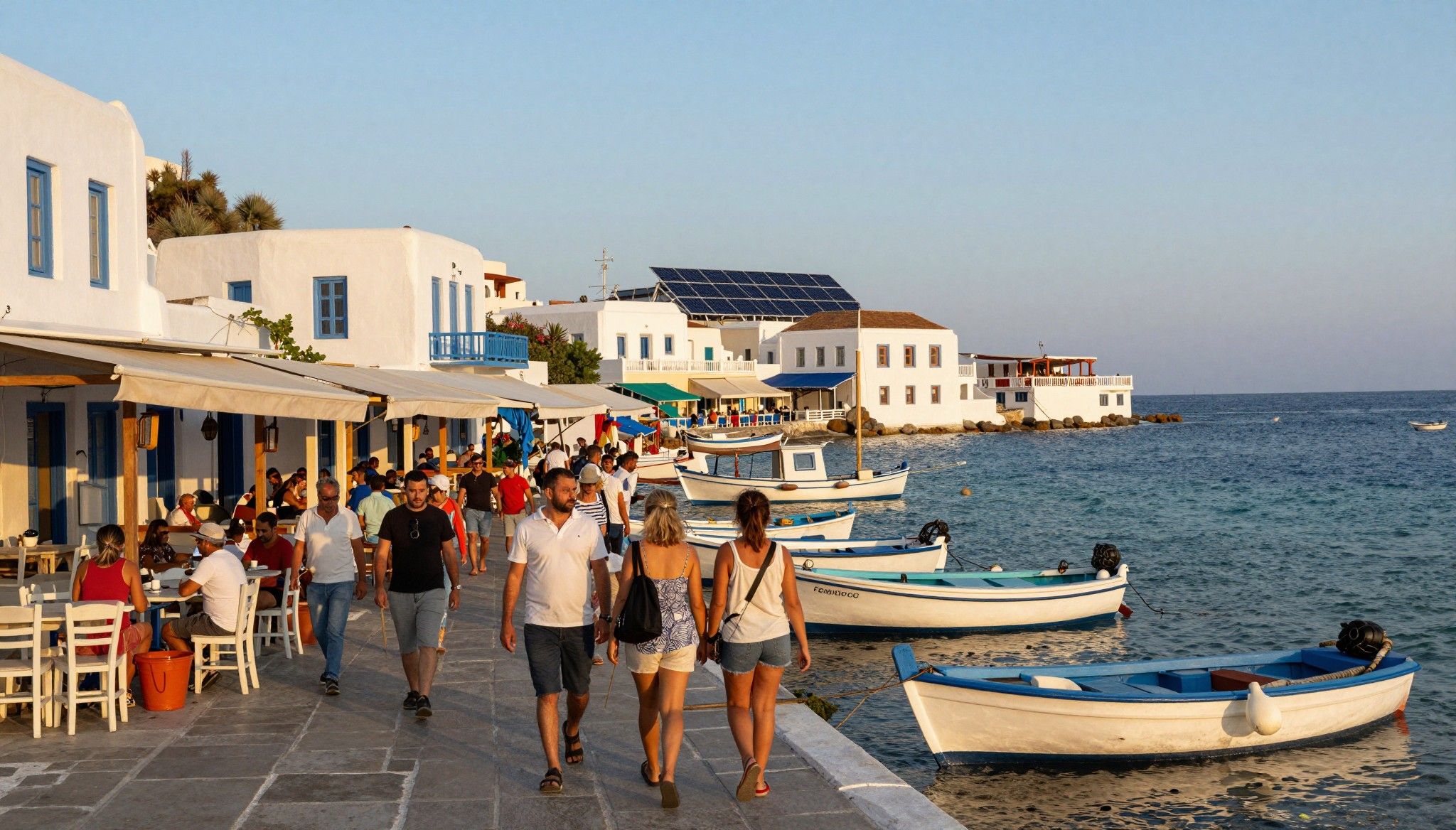
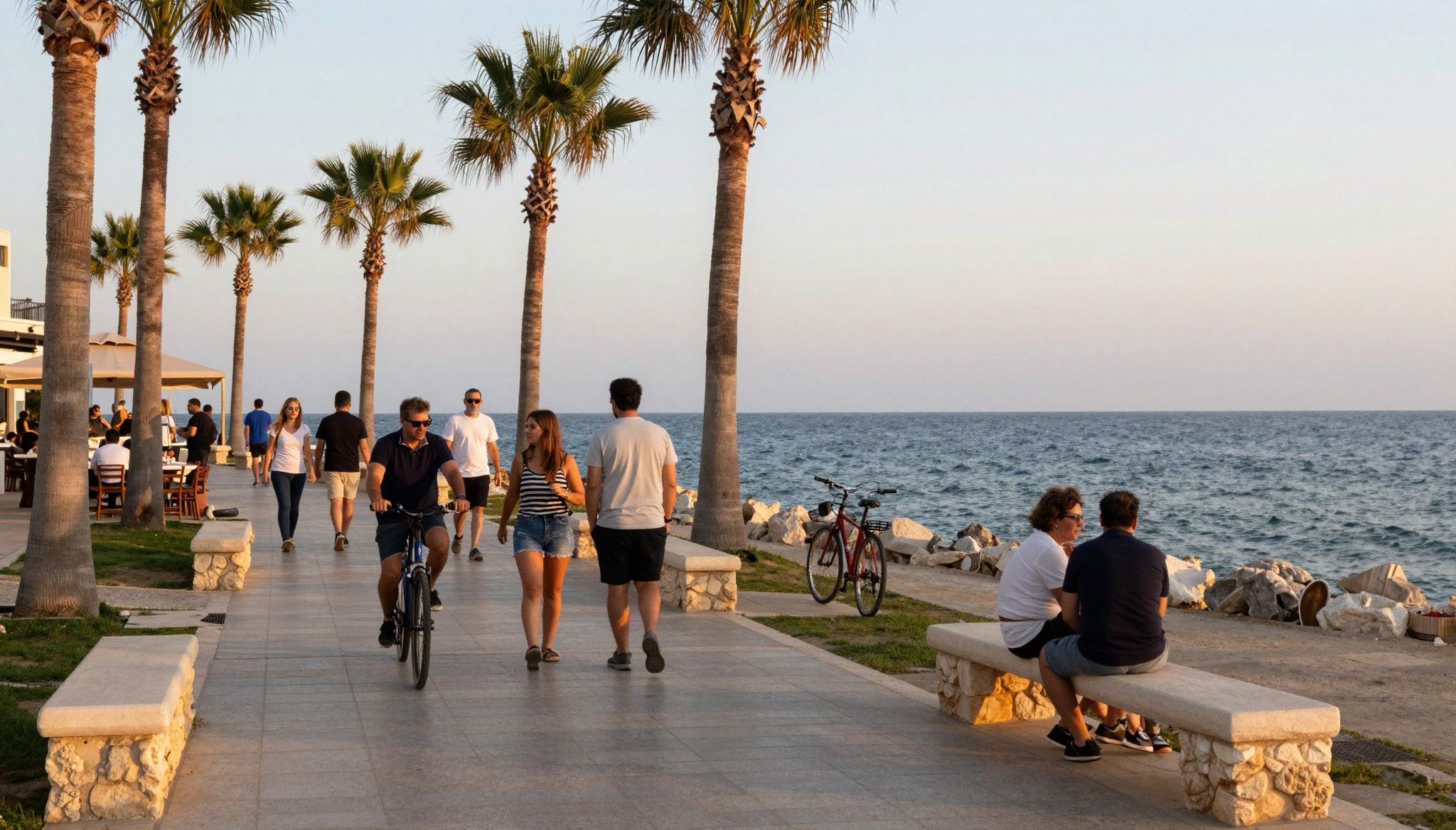
Paris mornings mean black coffee and a paper on a zinc counter; in Bordeaux and Lyon, weekends belong to bustling farmers’ markets and sunlit terraces. Coastal towns like Cassis or Biarritz start with surfers and end with plates of grilled fish. Small towns in the Loire and Dordogne move at an unhurried pace, where potagers and village fêtes dictate the week. Under the surface of charm, France layers legal protections — coastal setback rules, PLU zoning and heritage perimeters — that decide whether a pergola stays or comes down. See local heritage maps for exact perimeters.
Neighbourhood spotlight: Montmartre, Vieux Nice, and coastal retreats
Montmartre still hums with small ateliers and stair‑worn streets; Vieux Nice spills markets into narrow lanes at dawn; along the Côtes, hidden coves and 19th‑century villas whisper of another era. These micro‑places reward slow discovery — a favorite boulangerie on Rue des Martyrs, a crêperie off Cours Saleya, or a bench facing capricious Atlantic light — but can also sit inside strict protection zones where even shutters require permission.
The food, the markets, the season that shapes life
Markets are the pulse of French living: a Saturday morning in Rennes means oysters and fleurs; in autumn, truffle season redraws the map of social calendars. These seasonal rhythms influence where you want to live — proximity to markets and green spaces matters as much as sunlight or sea breeze. And from a buyer’s view, local demand influenced by lifestyle can push prices in surprising pockets, so pair romance with recent market data before falling too far for a particular street.
- Lifestyle highlights to scout during visits - Morning market on Cours Julien (Marseille) or Marché des Enfants Rouges (Paris) - Aperitif terraces on Cours Mirabeau (Aix‑en‑Provence) - Dune walks at Cap Ferret and the cycling paths of Loire‑Atlantique - Village fêtes in Dordogne and Provence (summer weekends) - Local artisans’ ateliers on Rue de la Bûcherie (Paris) and in old town Nice
Making the move: where romance meets regulation
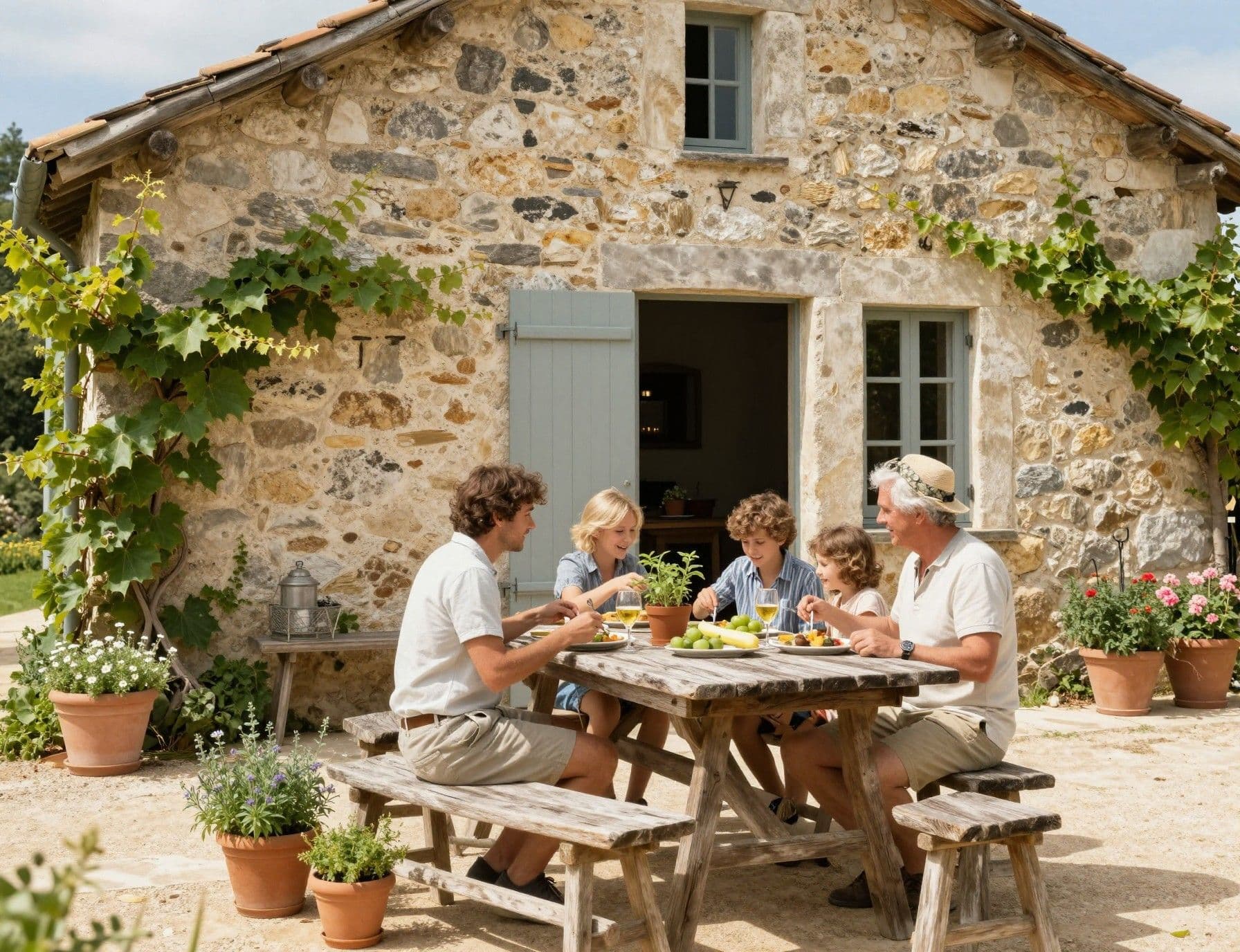
You can fall in love with a stone farmhouse in Dordogne, but to live sustainably and legally you’ll need to reconcile the dream with the rulebook. French purchase due diligence focuses on mandatory diagnostics (DPE, asbestos, lead, termites, gas, electricity), local urban plans (PLU), and possible protected‑site restrictions. These are not optional: missing reports or misunderstood protection perimeters can stall renovations or expose you to post‑purchase liability.
Property types and what they permit (literally)
A listed farmhouse or a home within a monument perimeter invites limits — repairs must respect materials and craftsmen’s methods, sometimes overseen by the Architectes des Bâtiments de France (ABF). That can be a gift for sustainability — craftsmen using lime mortar, reclaimed stone and breathable insulation — or a budgetary trap if modern energy upgrades aren’t permitted without lengthy approvals.
How local experts protect the lifestyle you bought
A local notaire, an architect familiar with PLU rules, and a certified diagnostiqueur form the essential team. Notaires verify title, servitudes and easements; architects interpret what’s possible within PLU and ABF constraints; diagnostiqueurs give you the technical condition and energy reality. Together they translate lifestyle goals — a sunlit kitchen, a native garden, solar panels — into realistic, permitted plans.
- Steps to reconcile lifestyle wishes with French permits 1. Get the PLU map and any servitudes from the mairie to check setback, height and land‑use rules. 2. Order mandatory diagnostics (DPE, lead, asbestos, termites, ERNMT) before signing the compromis. 3. Consult an architect or ABF early if in a protected zone — they will flag likely refusals or required materials. 4. Budget time: permits (déclaration préalable or permis de construire) can take 1–3 months, longer for listed sites. 5. Factor post‑purchase obligations (maintenance for monuments historiques, local débroussaillement rules) into long‑term stewardship.
Insider knowledge: what expats wish they’d known
Expats often underestimate slow municipal rhythms and the local insistence on preserving character. Expect town halls (mairies) to prefer face‑to‑face conversations, and know that small rule differences between neighboring communes can change a plan’s fate. Also, energy diagnostics and ERNMT forms now play a larger role in purchase negotiations and financing decisions.
Cultural integration, language and community life
Learning a few phrases, attending the weekly marché and saying hello to neighbours opens doors — literally and figuratively. Municipal staff and local artisans are more likely to help when you show respect for local customs. For sustainable refurbishments, hiring local craftspeople not only secures approvals faster but reinforces the home’s ecological integrity through authentic materials and techniques.
Long‑term stewardship: from garden to grid
Buying in France is rarely a one‑and‑done affair; it’s a relationship with place. Plan for seasonal maintenance, native planting, water management in drier regions and how renewable additions (solar thermal, PV with batteries) interface with local rules. Thoughtful stewardship keeps both home value and local ecosystems healthy.
- Red flags to pause the purchase - Missing or outdated diagnostics for energy, asbestos or lead - Properties within ABF perimeters without prior approvals for changes - Hidden servitudes or easements noted only in full title search - Suspected informal construction (no déclaration préalable) - Incomplete sanitation (assainissement) certificates in rural homes
Conclusion: fall in love slowly, close with care. Say yes to the light, markets and the tenderness of French daily life — then assemble a local team, get the right diagnostics, and let municipal maps and heritage rules guide your renovation ambitions. When the paperwork and place align, you’ll not only own a home in France but inherit a way of living that rewards patience, stewardship and good taste.
Danish relocation specialist who moved from Copenhagen to the Algarve; supports families with seamless transitions, local partnerships, and mindful purchases.