Unseen Red Flags in Croatian Property: Lifestyle Wins, Legal Pains
Fall for Croatia’s light and markets—but check land registers, ministry consent and seasonal access. Visit off‑season and budget for inspections and sustainable retrofits.
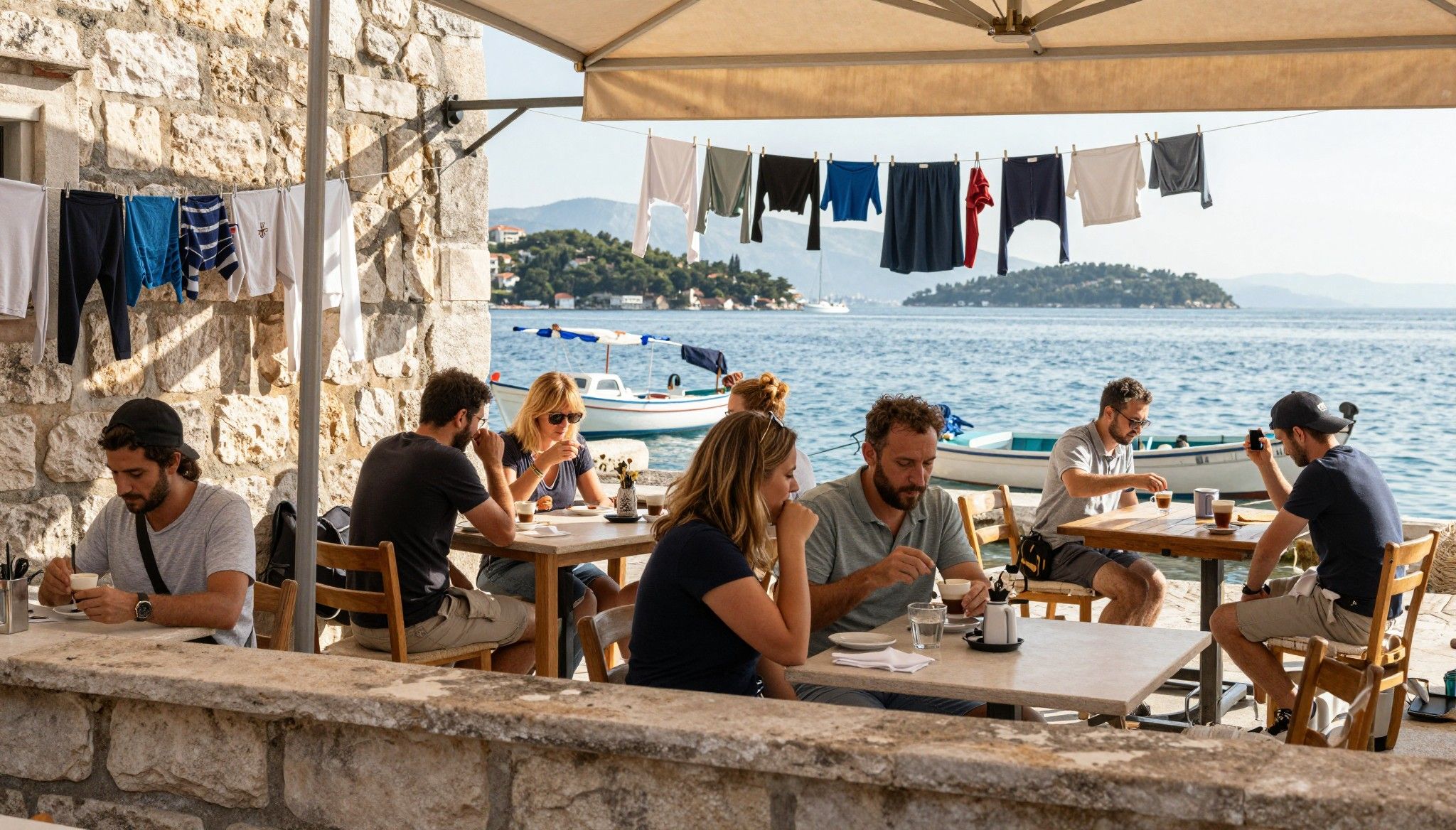
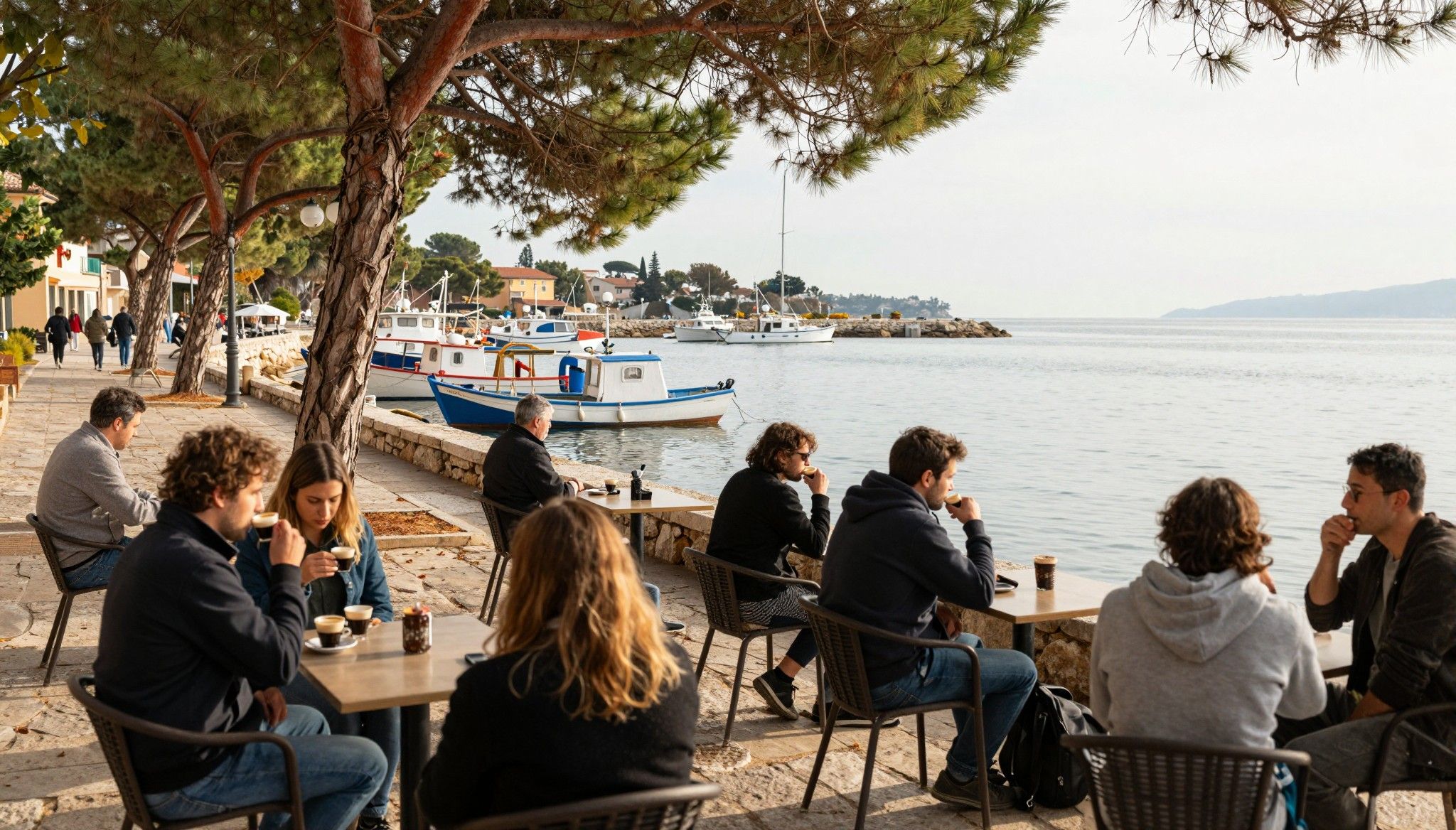
Imagine waking to a sea-salted breeze, espresso at a stone table on Split’s Veli Varoš, and a late-afternoon swim off Brseč’s tiny pebble cove. Croatia seduces slowly: sunlit piazzas, late-market tomatoes, and centuries of stone houses softened by bougainvillea. But between that first, irresistible weekend visit and handing over a deposit lie paperwork, permits and local rules that can undo a dream if you haven’t done the right checks first.
Living Croatia: sensory life before the details
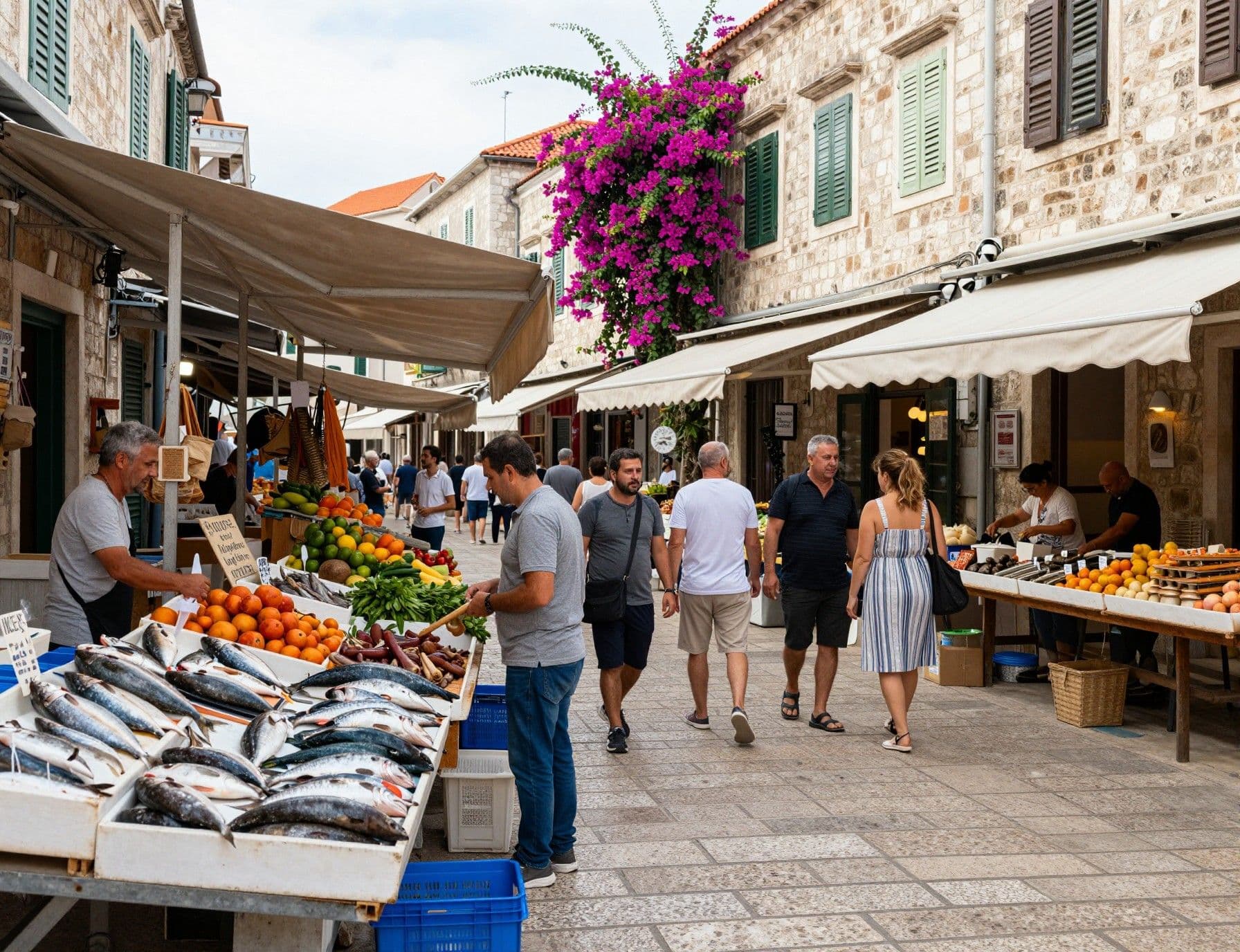
Living here feels tactile: cobbled alleys warm underfoot, fishermen’s calls on early mornings, and neighbourhood gelaterias that know your preference by the second week. Day-to-day rhythms change with the coast and the inland hills — mornings for errands, long lunches in summer, and evenings that spill into public squares. Those rhythms shape which property will actually serve you: a quiet stone cottage near a lavender field or a shuttered apartment above a bustling harbour.
Neighborhood bites: where to taste true Croatian life
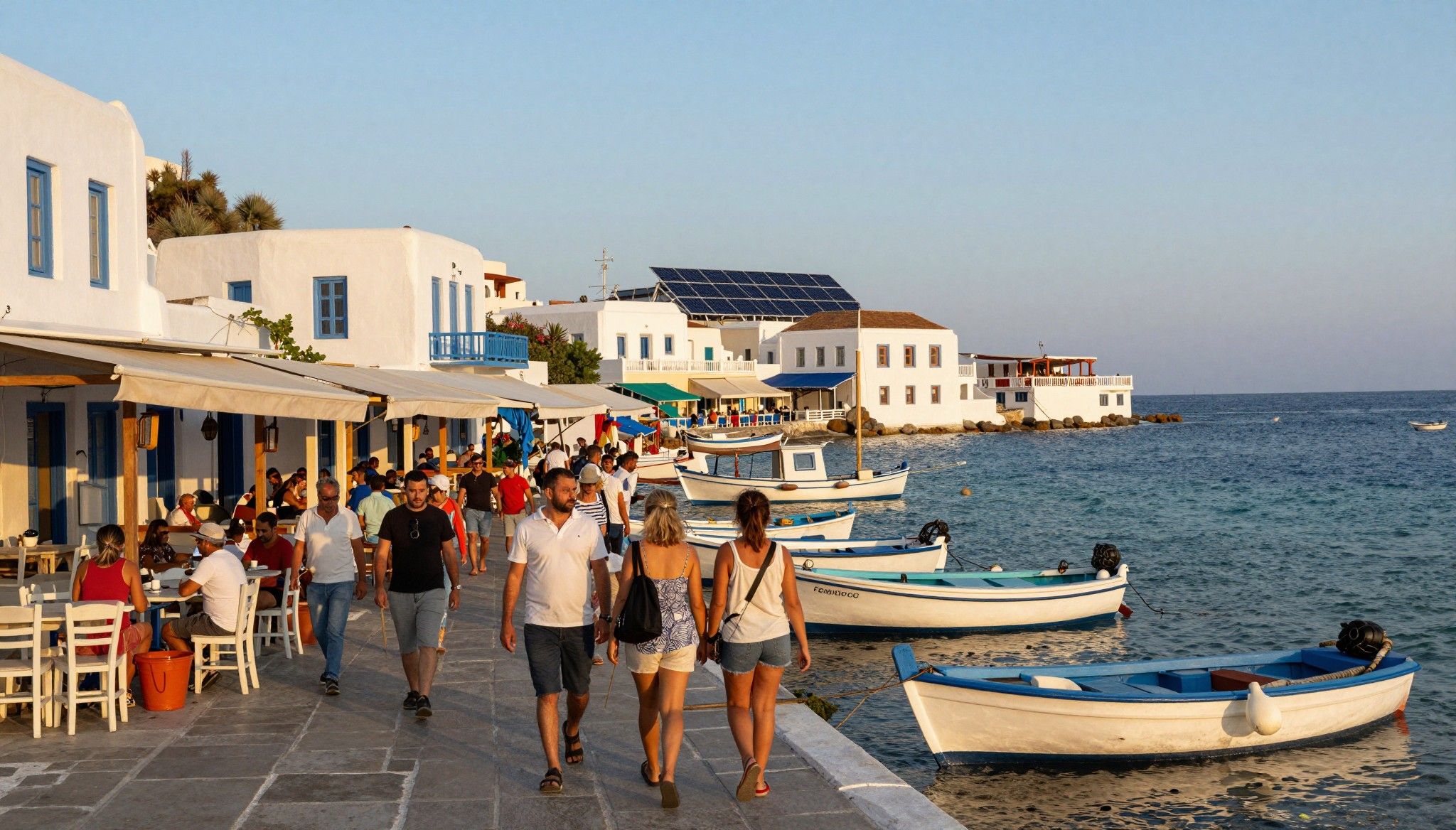
Zagreb’s Gradec offers leafy walks and year-round culture; Split’s Veli Varoš hums with local cafés and fishermen’s terraces; Istria’s Motovun gives hilltop vineyards and slow-market Saturdays. Each place brings different practical needs — winter heating in inland Istria, septic systems in island hamlets, or parking and insulation in Zagreb’s historic core. Choose a neighbourhood that matches who you’ll be — weekday remote worker, weekend restaurateur, retiree seeking quiet — not just where postcards point.
Food, markets and the living room of the town
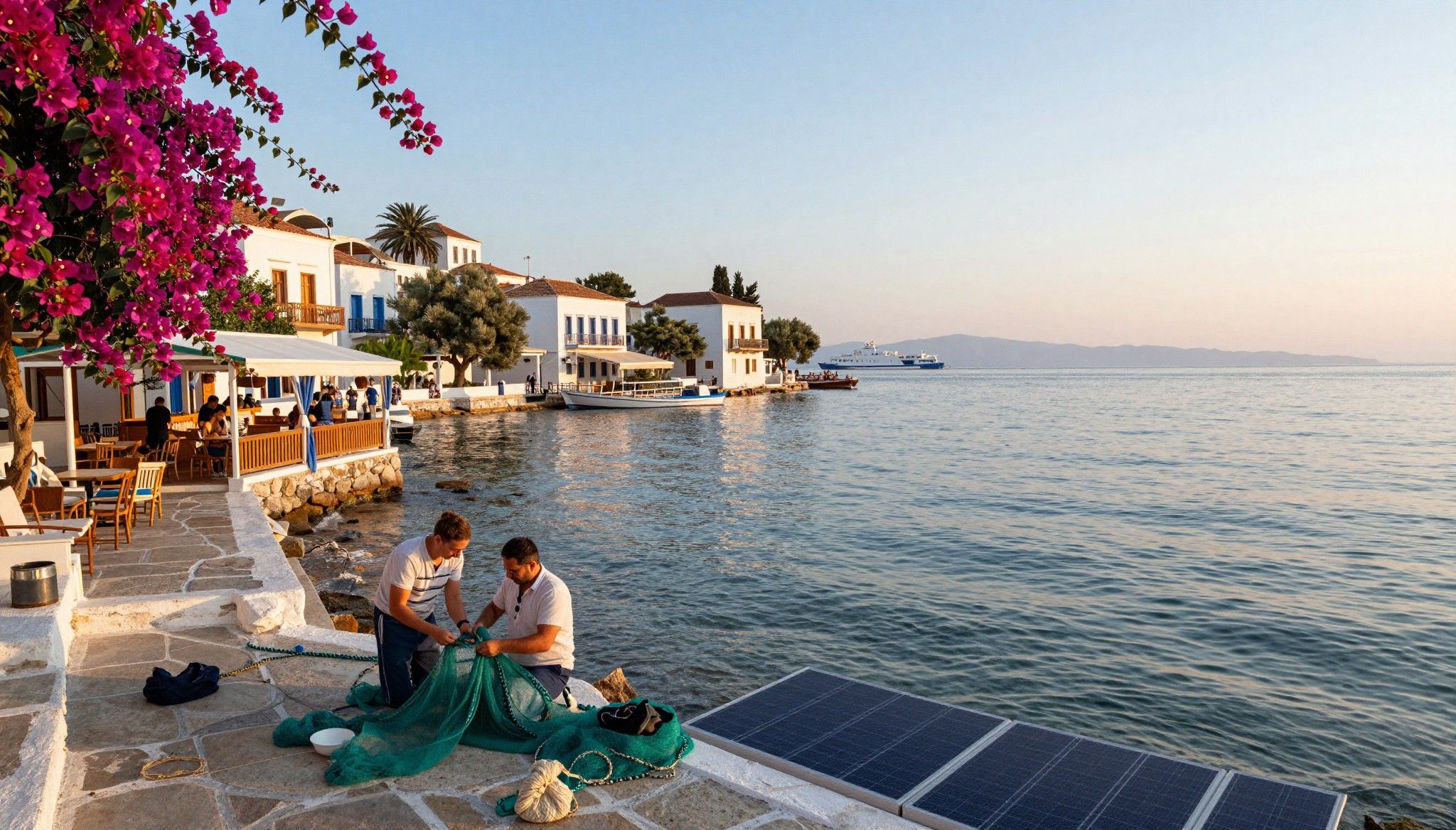
The market is the social network: Dolac in Zagreb, Pazar in Split, and the fish markets along Dubrovnik’s piers. Buying a property here often means buying into a daily ritual — early-morning vendors, neighbours who share seasonal preserves, and kitchens designed for fresh ingredients. For the eco-conscious buyer, this is a lifestyle advantage: smaller kitchens that lean on local produce reduce food miles and encourage repairable, durable furnishings rather than disposable trends.
From daydream to deed: practical realities that shape the move
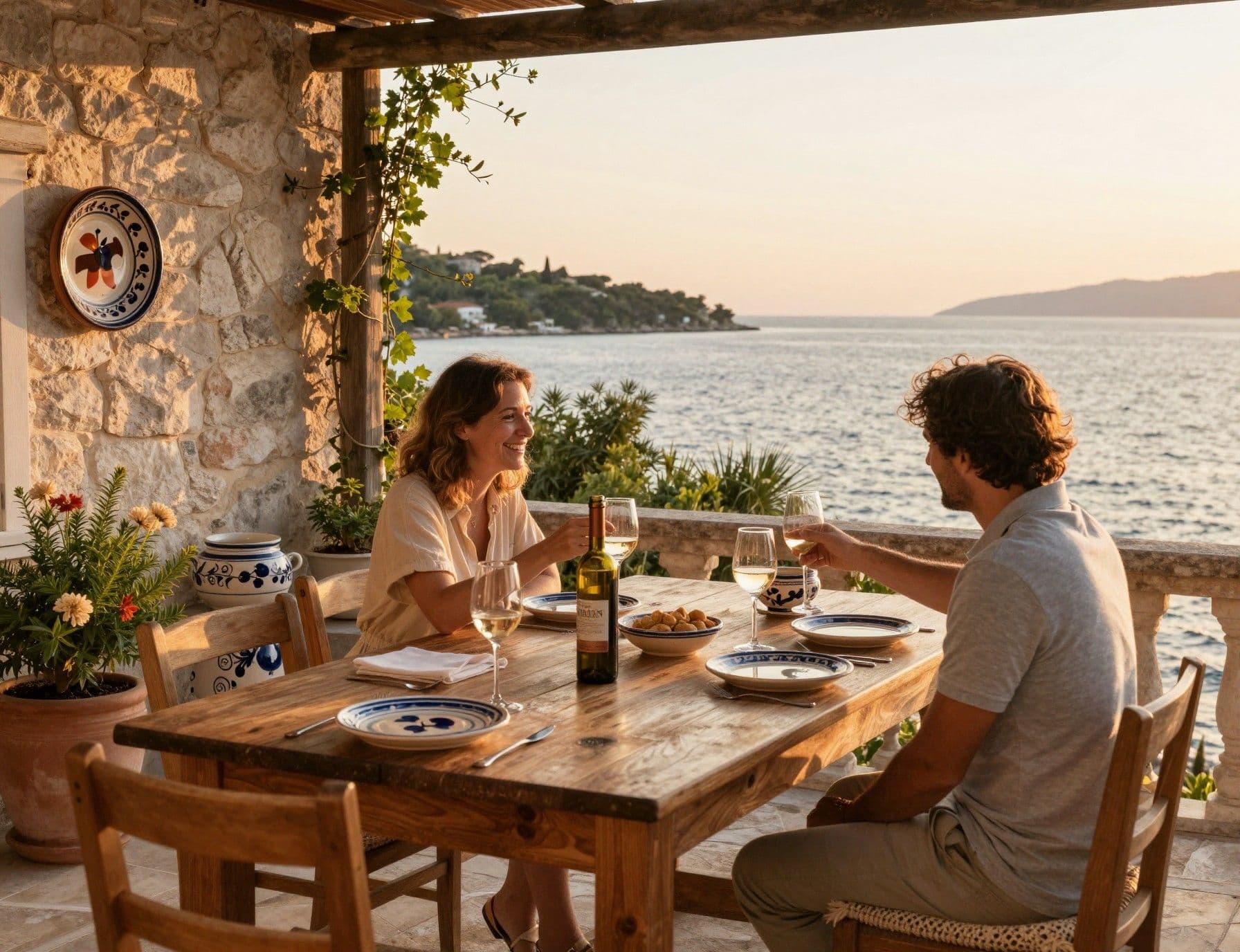
The paperwork in Croatia is layered and landscape-dependent. EU/EEA citizens enjoy simpler purchase paths, while non‑EU buyers often need ministry approval — a step that can take months and depends on reciprocity rules. Recent market reports show slowing transactions and evolving tax rules that make due diligence more important than ever. Read official guides early, and treat checks as part of falling in love responsibly, not as an afterthought.
Property types and the lifestyle they actually provide
Stone coastal houses offer intimacy with the sea but come with maintenance realities: salt-air corrosion, heritage-listed facades, and often limited insulation. Newer terraces and eco‑retrofits in places like Rijeka can deliver modern comfort with lower running costs. Think beyond views: consider heating, water storage, and whether the property’s layout suits year‑round life rather than seasonal stays.
How to work with local experts who protect the lifestyle you bought
- 1. Hire a bilingual lawyer who knows land registry practice (zemljišna knjiga) and ministry consent for non‑EU buyers. 2. Commission a structural and moisture survey focused on marine exposure and heritage rules. 3. Ask an agent for utility histories (water, electricity, and connection permits) and local planning notices. 4. Confirm property tax and local municipality obligations to avoid surprise levies.
Insider knowledge: what expats wish they’d known
Expats often tell a similar story: they fell for a house’s charm and later learned about restricted building rights, contested boundaries, or seasonal access roads that close in winter. Locals read municipal plans differently; they know where wells run dry in August and which streets flood in sudden summer storms. Listening to neighbours and visiting outside peak season reveals the rhythms no listing shows.
Cultural cues that change how you live (and maintain) a home here
Croatians value continuity: family plots passed for generations, careful restoration of stone facades, and neighbourhood consent for change. That means planning permission can be as much social as legal. Learn a few phrases, attend a local council meeting, and meet the neighbours — it will help you anticipate local reactions to renovations and speed approvals.
Red flags savvy buyers spot in Croatia
- • Missing building permits for recent works — especially terraces or windows. • No clear record in the zemljisna knjiga (land register) or unresolved co‑ownership shares. • Properties zoned agricultural where residential use is restricted. • Short-term rental histories that mask long-term vacancy and deferred maintenance. • Access roads that rely on seasonal municipal maintenance.
Putting it together: a practical, values-led checklist
- 1. Visit across seasons: see the market outside summer and test remote‑work signals (connectivity, services). 2. Get an OIB and confirm reciprocity rules for your nationality early; non‑EU buyers should budget for ministry timelines. 3. Commission technical, pest and moisture surveys with a focus on salt exposure and roof structure. 4. Check land register entries, cadastral maps and any municipality conservation zones. 5. Build a renovation and sustainability plan that prioritises insulation, rainwater capture and solar potential — these reduce long‑term costs and protect lifestyle.
Why sustainable retrofits pay in Croatia
A modest investment in insulation, heat pumps and solar in Croatia’s mixed climate reduces heating bills inland and moderates interior heat on the coast. Green upgrades protect your daily comfort and help your home perform across seasons, making it more rentable and resilient. They’re practical stewardship — good for you, and kinder to Adriatic ecosystems.
Conclusion — fall in love, then check the roots. Croatia offers a life shaped by light, sea and community; the best purchases are those that honor that life while respecting paperwork and place. Start with neighbourhood visits outside high season, assemble a local team who understand both the land register and the local rhythm, and plan renovations that lean into sustainability. When you marry local knowledge with lifestyle vision, your Croatian home becomes a long‑term, low‑impact sanctuary rather than a summer postcard.
British expat who traded Manchester for Mallorca in 2017. Specializes in guiding UK buyers to luxury Spanish estates with clear navigation of visas and tax.