Permit Surprises & Seasonal Truths in France
Fall in love with France’s seasons, markets and stone houses — but do permit and PLU checks first. Early local due diligence protects both lifestyle and renovation plans.
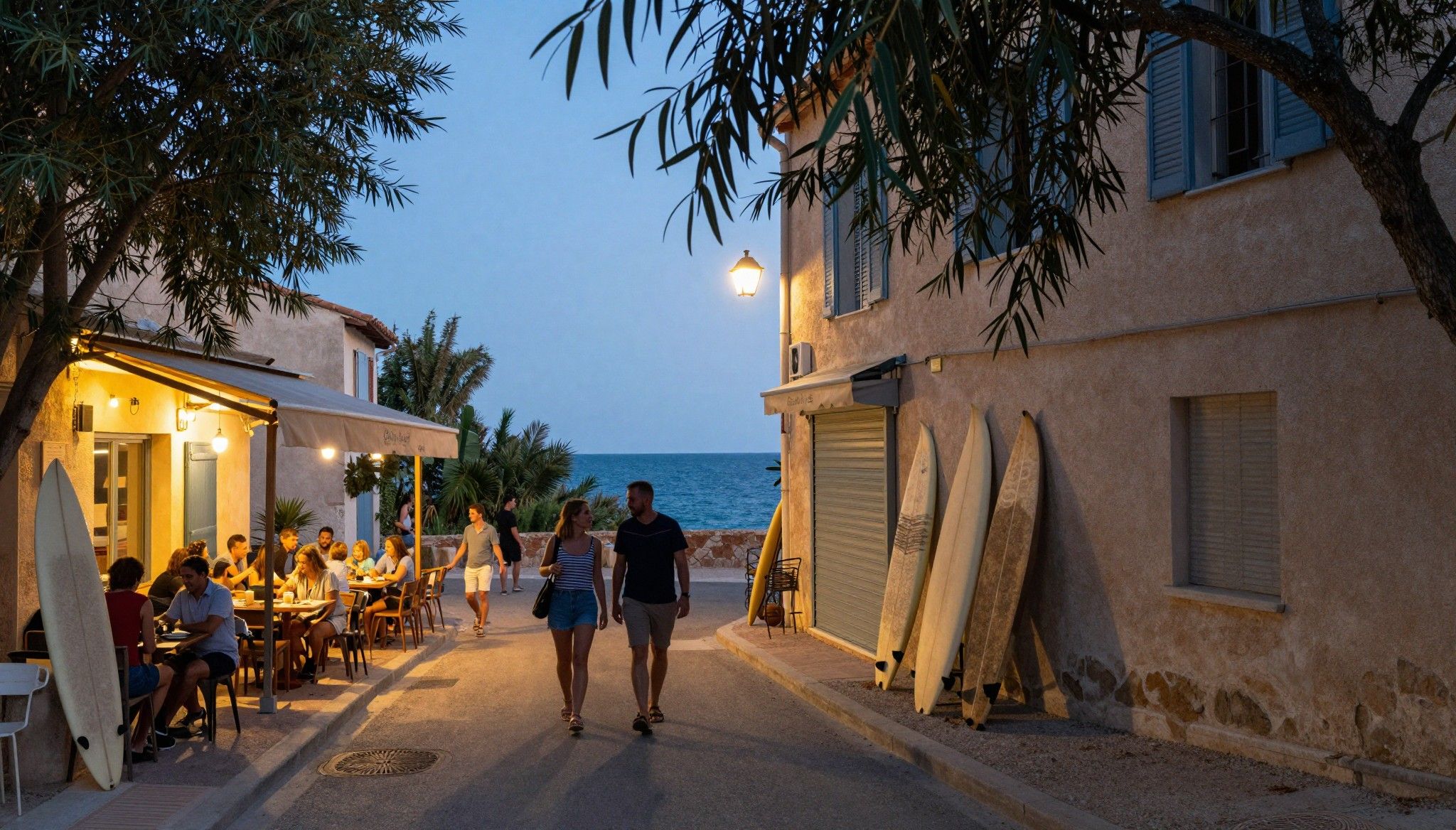
Imagine wandering a Provençal market at dawn, the air flavoured with rosemary and warm bread, then signing papers beneath a plane tree for a stone house that hums with winter light. France feels like that—sensory, seasonal, stitched to landscape and neighbourhood rituals. For international buyers with green priorities, the romance of villages, the Riviera’s light and the Loire’s orchards matters, but so do the invisible rules: building permits, local PLU plans and cadastral quirks that can reshape a renovation dream. This piece blends the lived-in pleasures of French life with the exact due diligence you’ll need to protect both beauty and budget.
Living the France Life: daily rhythms that shape where you buy

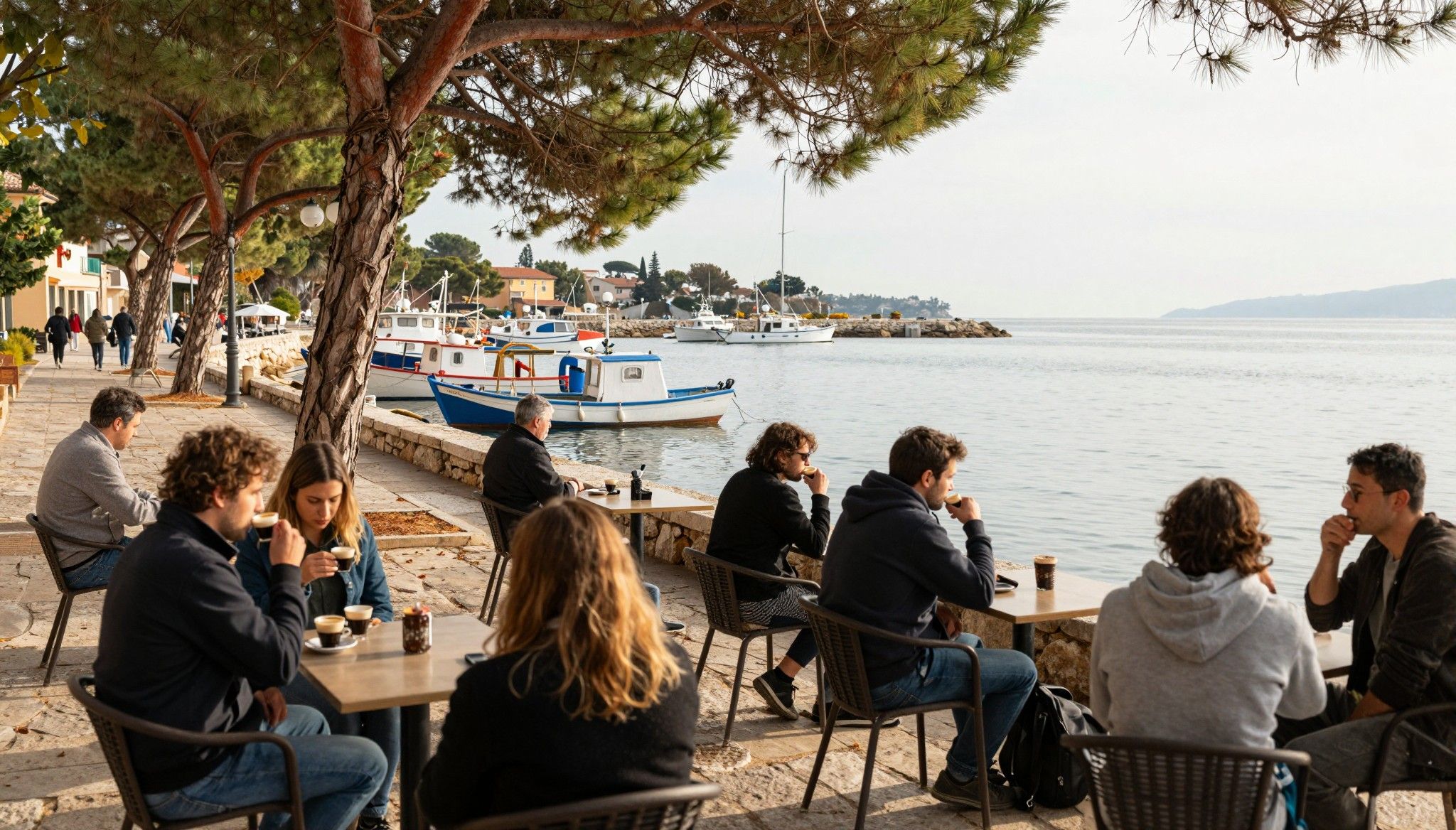
France’s greatest property allure is everyday ritual: café mornings on rue Cler in Paris, long marché afternoons in Sarlat, evening aperitifs on Nice’s Promenade des Anglais. These rhythms decide practical needs—proximity to markets, a kitchen with sun for drying herbs, insulated windows for chilly damp winters—more than a glossy photo ever will. When you picture life here, think in seasons and routines: which months you’ll use a terrace, whether you’ll need underfloor heating, and how neighbours actually use shared courtyards. Those small choices map directly onto planning permissions, energy upgrades and the type of property you should pursue.
Neighbourhood snapshots: where locals live, not where tourists pose
In Lyon’s Croix-Rousse, mornings belong to boulangeries and fabric stalls; in Bordeaux’s Chartrons, wine merchants mingle with young families; in Biarritz the coast dictates a surf-and-small-business rhythm. These are not marketing neighborhoods—they’re living ecosystems with micro-regulations, resident associations and planning preferences that favour low-impact renovations. Ask an agent about specific streets (for example, Rue du Mail in Lyon or Rue Notre-Dame in Honfleur): the daily soundscape and community rules will tell you more about renovation permissions and neighbourly expectations than a price per square metre ever could.
Food, markets and seasonality: how cuisine shapes property use
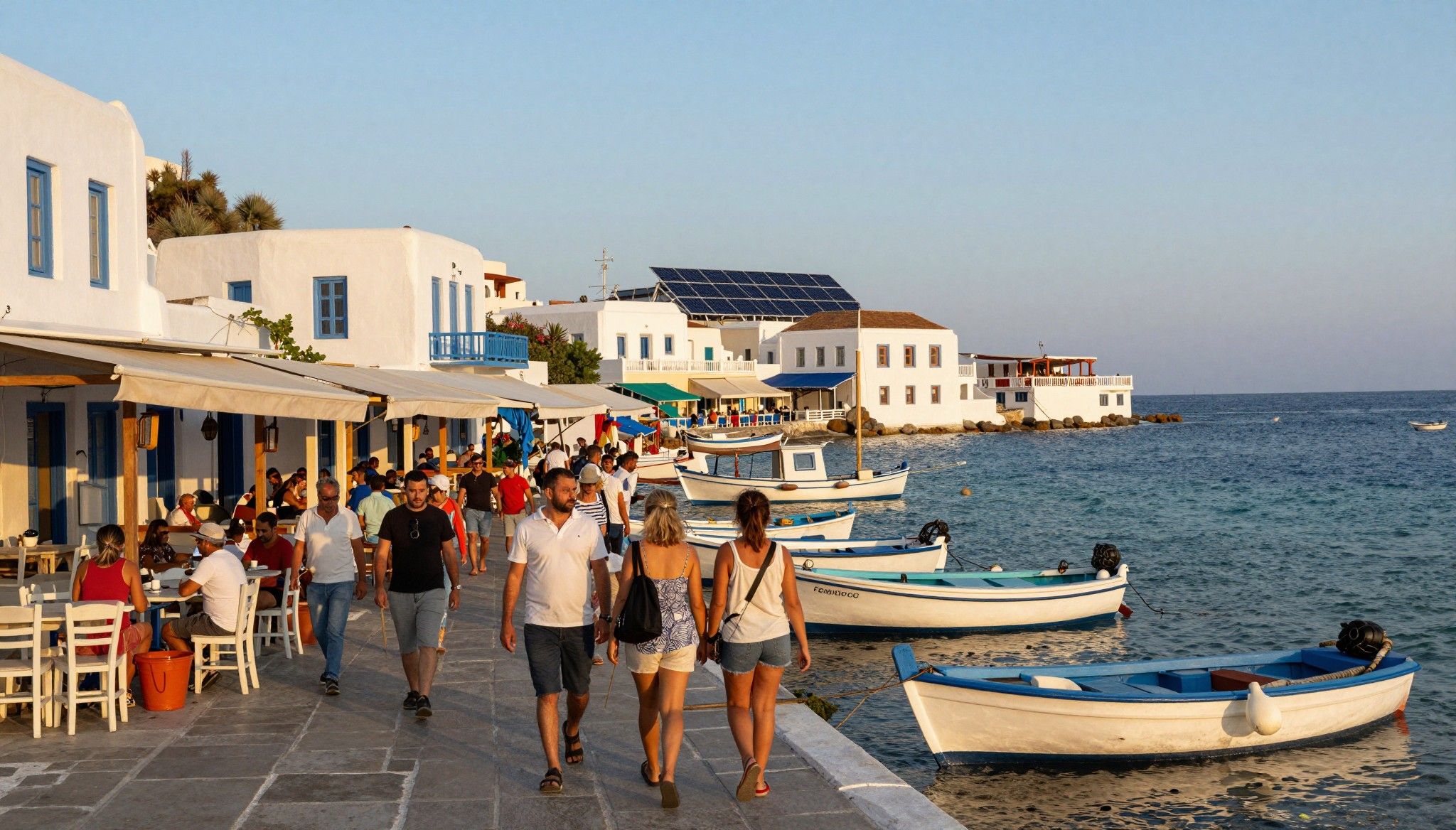
France’s markets are not tourist theatre; they are the local pantry. Towns with weekly markets—Aix-en-Provence, Sète, or Saint-Jean-de-Luz—reward homes with good kitchen flow, storage and outdoor prep space. Seasonality matters: coastal towns swell in summer but quiet in winter, while inland villages keep year-round rhythms. Consider storage for preserves, a shady courtyard for summer, and insulation for winter: these lifestyle needs affect what kind of permits you’ll seek for extensions, outbuildings or green energy fittings.
- Daily-life highlights that influence property choice: Rue Cler market mornings (Paris), weekly marchés in Provence, surf mornings in Biarritz, evening promenades on the Côte d’Azur, orchard and vineyard harvests in the Loire Valley, village fêtes that close streets for a day.
Making the move: practical considerations with a sustainability lens
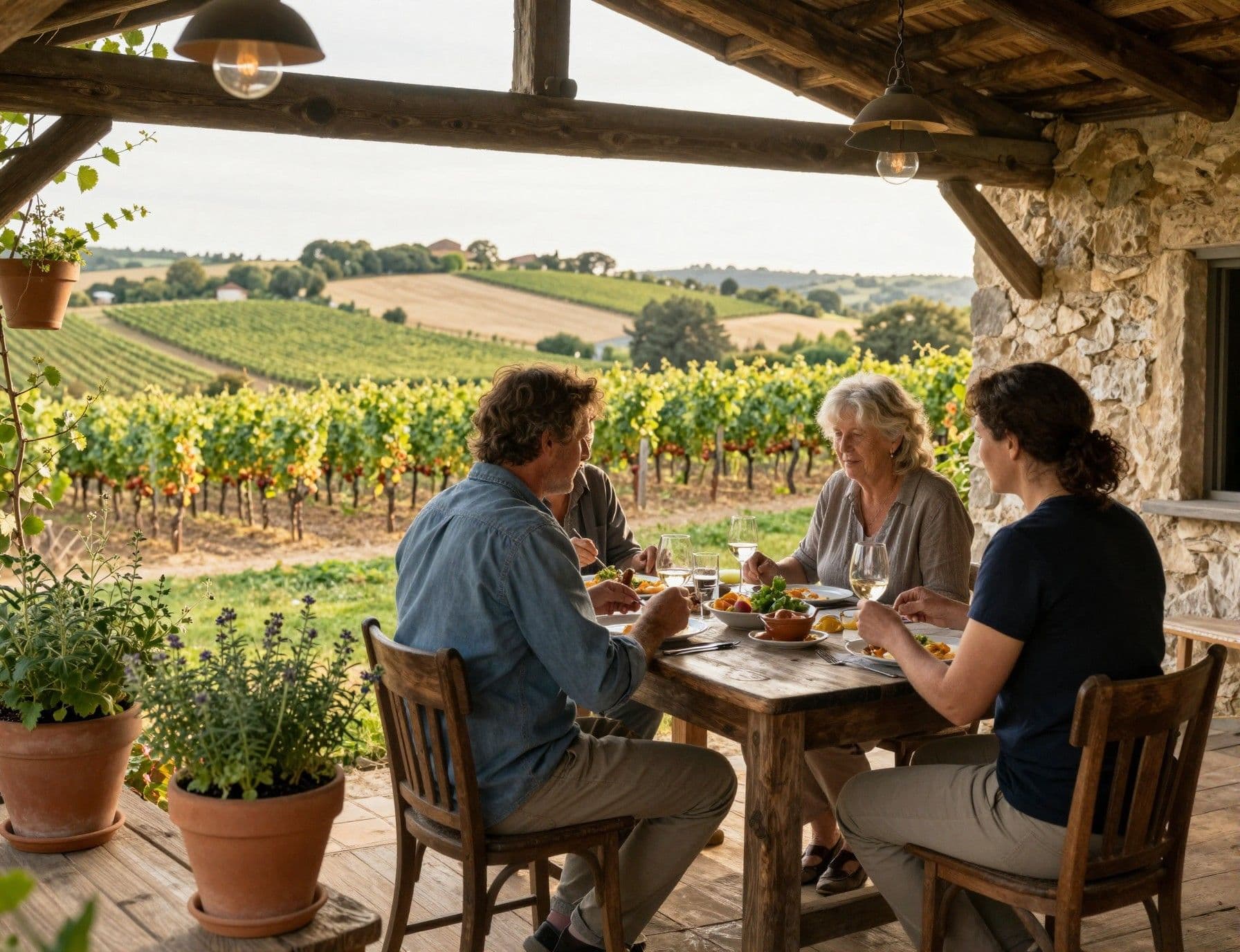
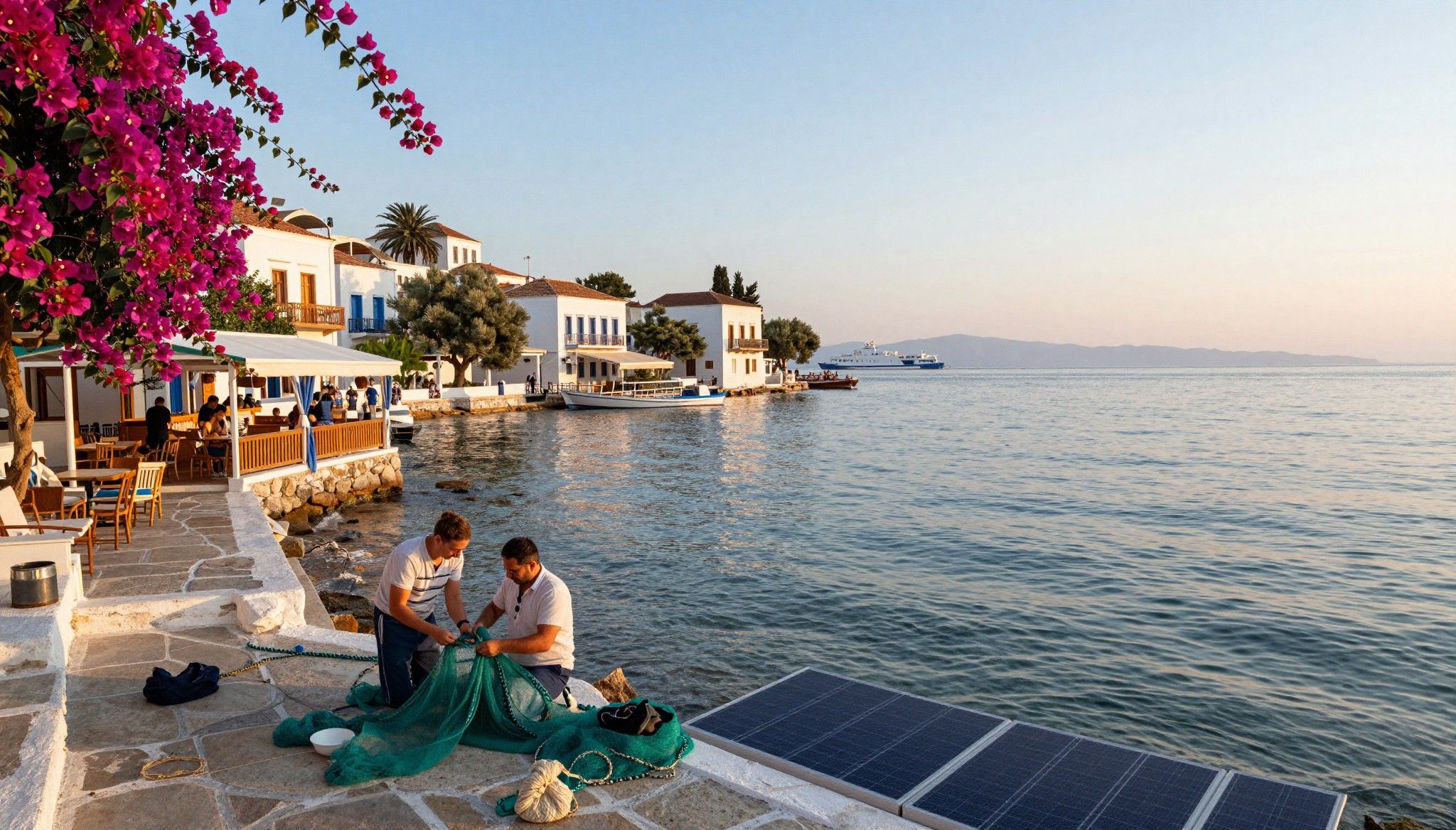
Dreams meet bureaucracy when you start renovations or additions: France’s planning rules (PLU/Plan Local d’Urbanisme) and permit processes can be unexpectedly strict, especially in protected zones or historic centres. Before you fall for a stone farmhouse or a seaside villa, check the commune’s PLU and whether the property is in a secteur sauvegardé or close to a monument historique—these designations limit changes but also protect long-term character. For green-minded buyers, there’s opportunity here: many communes encourage energy upgrades, but you’ll need to follow the correct permit pathway and document works properly to avoid fines or forced reversions.
Common permit surprises and how to avoid them
Buyers often assume a small outbuilding can become a guest suite or that planning backlogs are quick—both risky bets. Permissions like a 'permis de construire' or a simple declaration préalable can take weeks or months and sometimes require neighbour notification or archaeological surveys (in rural or historic areas). A local notaire and an architect familiar with the commune’s mairie will save time and spot restrictions early. Notaires’ guidance underlines that early due diligence—title checks, servitudes, and PLU reviews—prevents the heartbreak of halted projects.
Step-by-step: due diligence checklist before you sign
- 1. Confirm ownership and servitudes with the notaire; 2. Request the PLU and check zoning and protected status; 3. Commission a diagnostic (amiante, termites, performance énergétique); 4. Ask the mairie about past permits and any pending restrictions; 5. Appoint a local architect or maître d’oeuvre for feasibility; 6. Draft conditions suspensives in your compromis de vente for approvals and financing.
Insider knowledge: what expats wish they'd known
Expats tell the same truths: paperwork moves slower than you expect, markets are hyper-local, and sustainability pays off over time in comfort and operational cost savings. Recent notaire data shows France’s transaction volumes and prices rebounding unevenly across regions, so local knowledge matters when assessing long-term lifestyle fit versus short-term market chatter. Buyers who built relationships with a local mairie, a trusted notaire and a green-minded architect found compromises that kept character intact while upgrading energy performance.
Cultural cues that change how you renovate and live
French neighbours often expect renovation works to respect rhythms—no noisy renovations during key village fêtes, for example—and shared courtyards have unwritten rules about plantings and washing lines. Learning these small customs smooths project approvals and daily life. Learn a few phrases, attend a market, and introduce your architect to the mairie: goodwill speeds approvals and helps frame sustainable upgrades as community benefits rather than foreign impositions.
Long-term stewardship: how to buy for ecological impact
- Buy with biodiversity in mind: preserve old trees and hedgerows; favour passive solar orientation and thermal mass in stone houses; prioritise rainwater harvesting and native planting; choose renewables that respect local sightlines; and budget for proper insulation before cosmetic work.
When you step back from the paperwork, France rewards patience with a depth of life few places match: market mornings, neighbourhood fêtes, and seasons that shape how homes are used. Start your journey with targeted due diligence—a PLU read, a mairie meeting, a diagnostics dossier and contracts that protect time for permits—and you’ll protect both the house and the way of life it promises. If you want help translating a lifestyle vision into a legally sound plan, a Moss & Hearth partner agency locally will introduce the notaire, the mairie contacts and green architects who make sustainable, lived-in French life possible.
British expat who traded Manchester for Mallorca in 2017. Specializes in guiding UK buyers to luxury Spanish estates with clear navigation of visas and tax.