Hidden Permit Pitfalls That Can Sink a French Renovation
Fall for France’s markets and markets—from Provence to Paris—then protect your dream: check PLU, ABF influence, pre-emption rights and permit history before you buy.
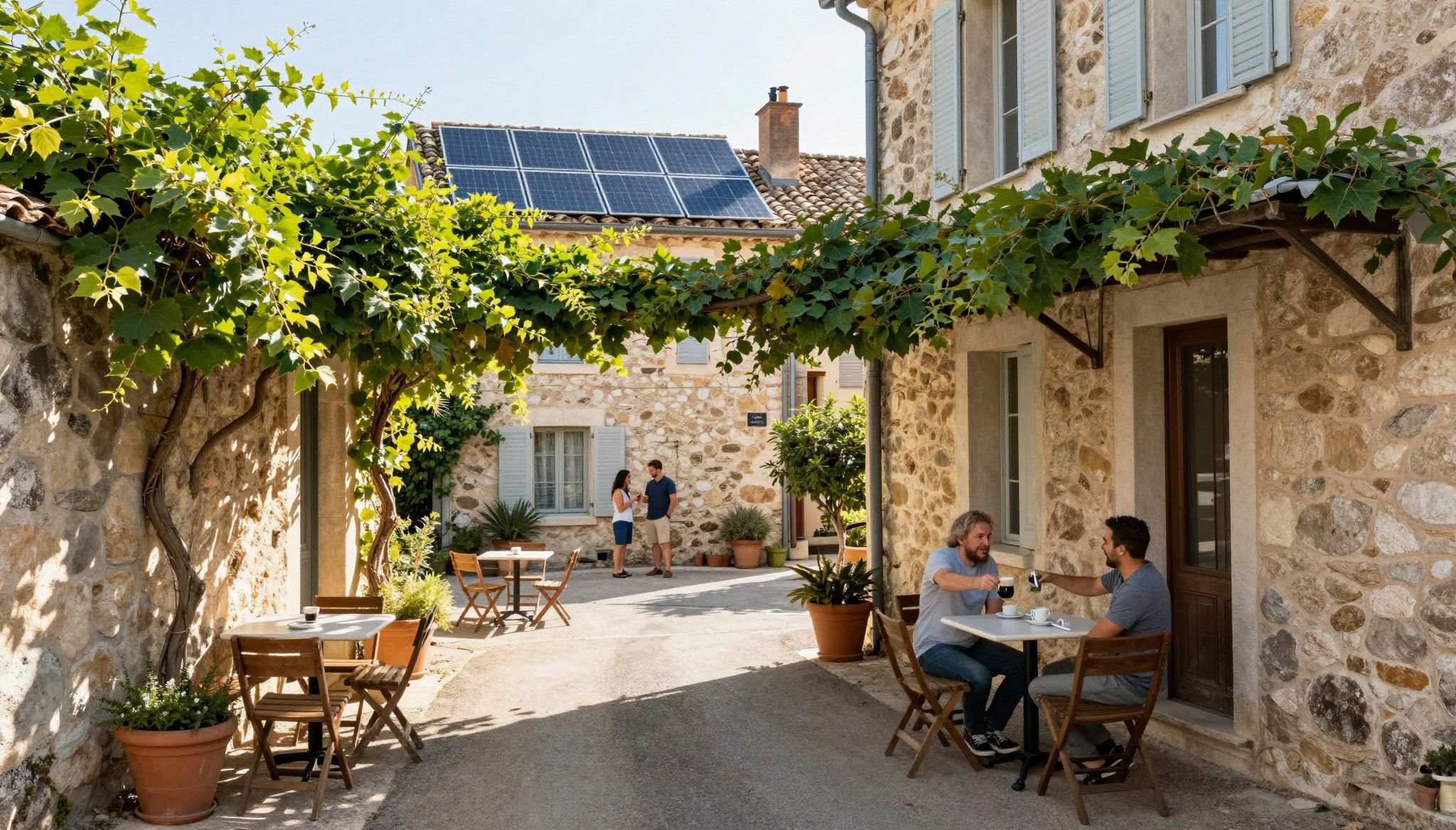
Imagine strolling a Sunday market in Aix-en-Provence, the scent of warm fougasse mingling with lavender, while a stone cottage with thick walls and a mossy garden waits just three streets away. In France, the romance of place is rarely far from real estate reality: protected façades, tight planning rules, and a centuries-old registry all shape how—and whether—you can alter a property. For international buyers who fall first for light, landscape and local life, understanding France’s permits, preemptions and practical red flags is the most sustainable move you can make. Recent market analysis makes clear the market is active again, but the rules that protect French heritage and land often surprise newcomers.
Living France: The everyday that wins hearts
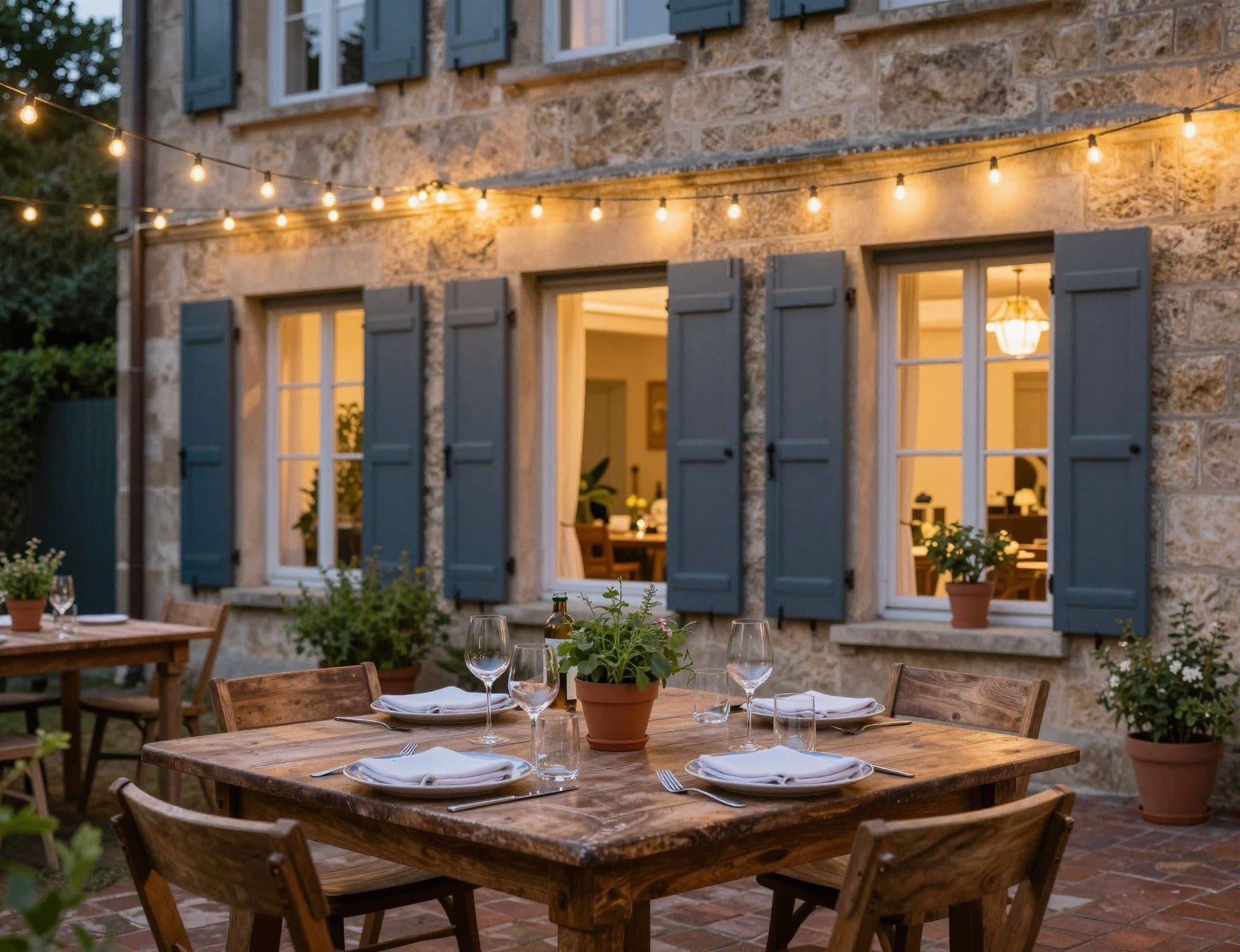
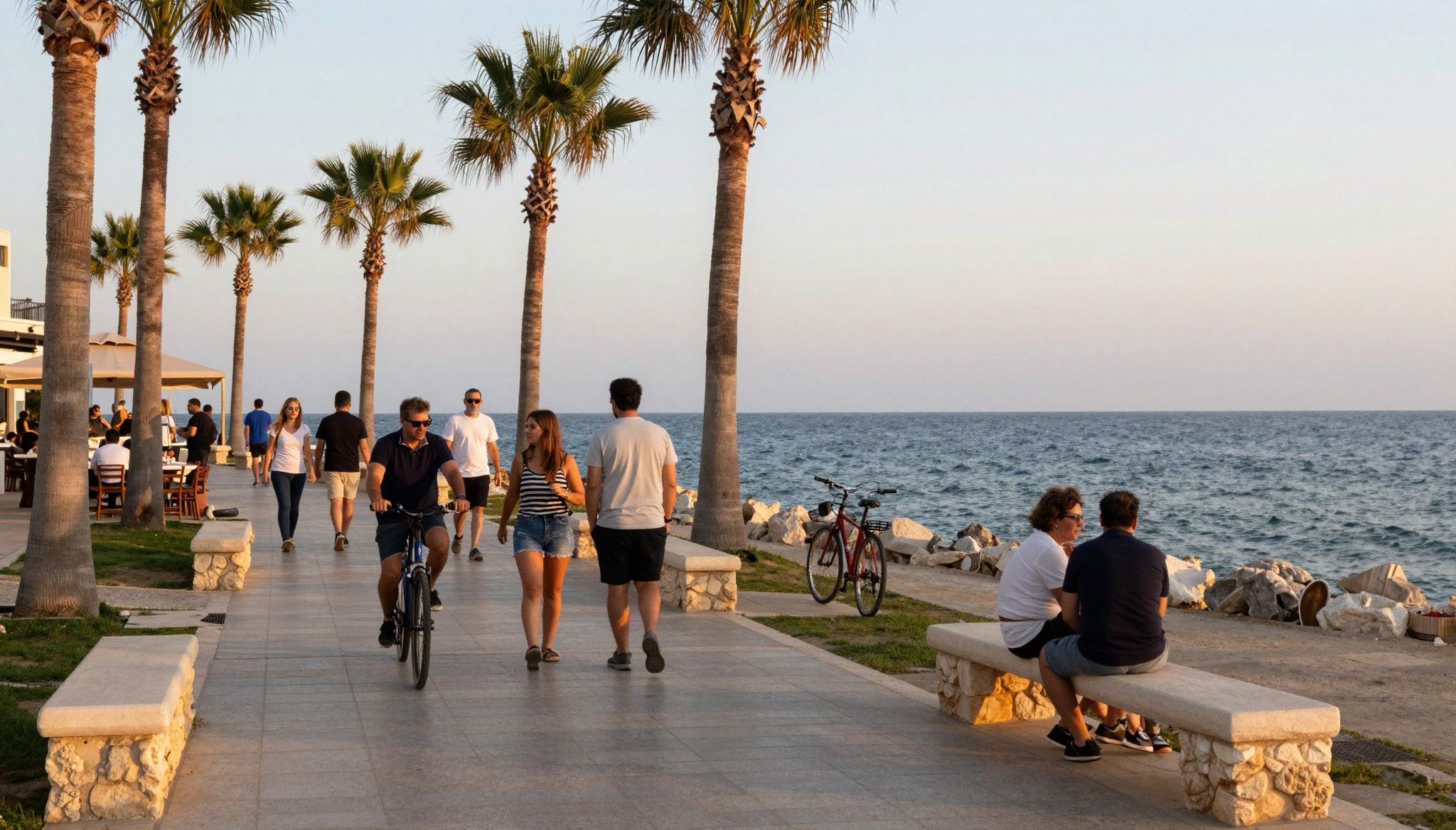
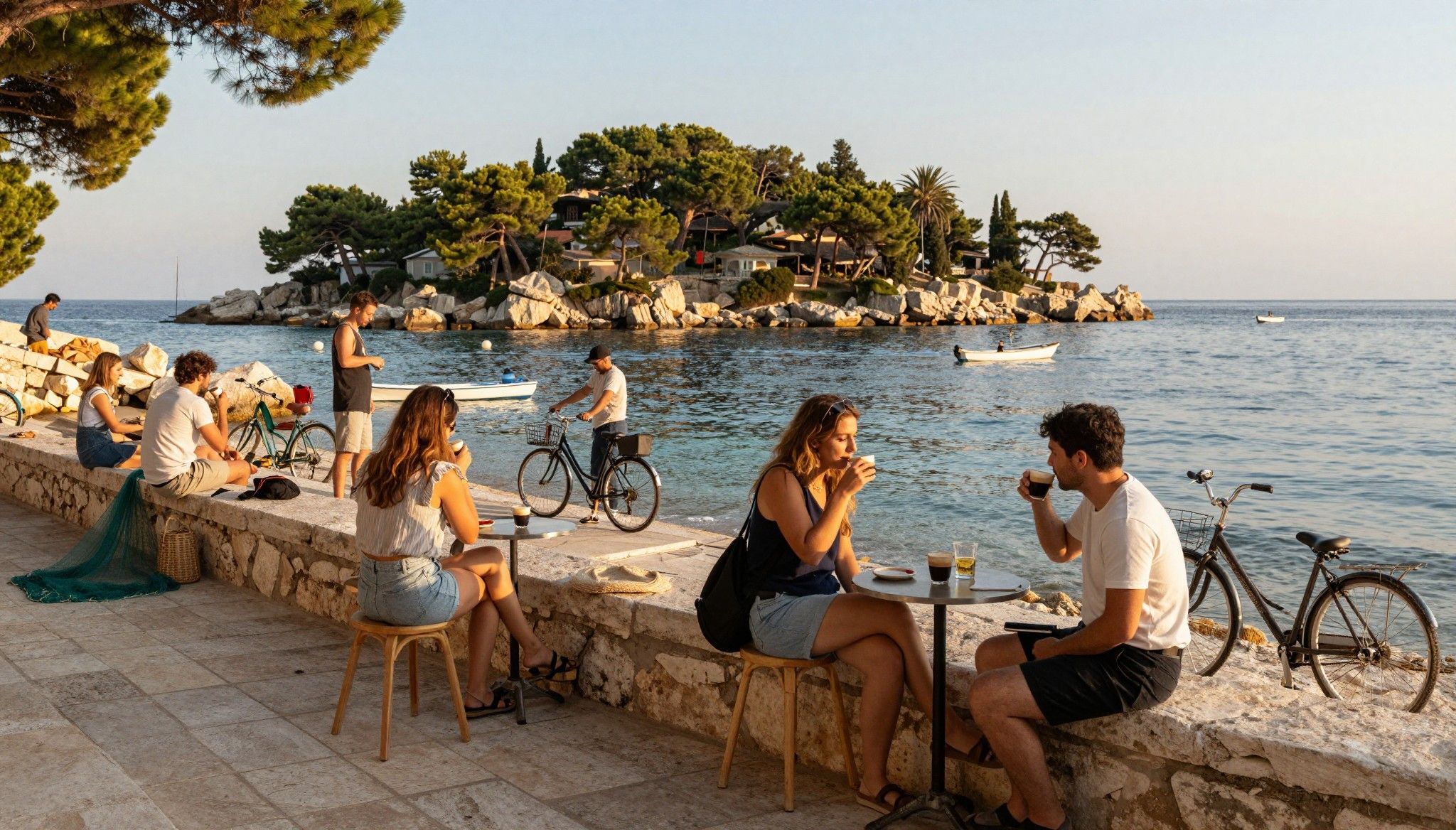
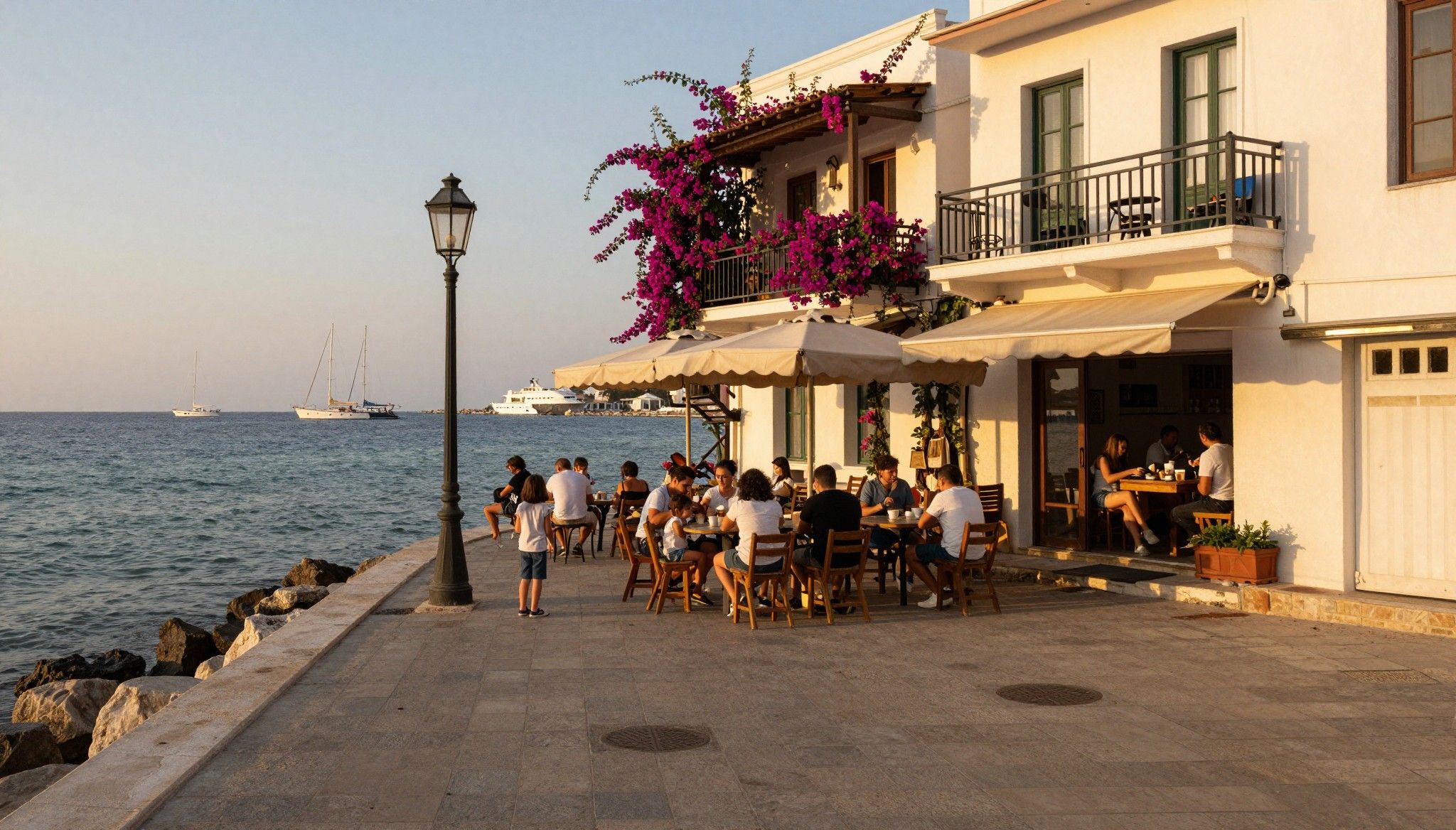
France lives in rhythms—the early bakery queue, the long marché run on Saturday mornings, and the slow return to small-town squares at dusk. Whether in the alleyways of Le Marais, the market-lined Rue des Trois Frères in Montmartre, or the pebbled beaches around Cassis, daily life is sensory and social. For buyers seeking low-impact living, you’ll find that many older properties already embrace passive features: thick stone walls, north-south orientation, and shutters that keep heat at bay. Fall in love first with the life you want; then let due diligence confirm you can steward it responsibly without erasing local character.
Neighborhood spotlights: Paris, Provence, Brittany
Parisian arrondissements are a mosaic—Le Marais hums with cafés and narrow courtyards, while the 15th offers quieter family streets and better light for retrofit projects. Provence rewards those who want garden life: look beyond Aix-en-Provence to Luberon villages where terraces and terraces of olives shape everyday living. In Brittany, towns like Vannes combine coastal energy with timbered houses and a culture attuned to winds and tides. Each place asks for different stewardship: a Parisian apartment needs co‑ownership checks and syndic transparency, while a country mas requires soil, water and permit histories.
Food, markets and seasonality as lifestyle anchors
Mornings in France often begin at market stalls where producers sell goat cheese, smoked fish and seasonal fruit; these rituals shape how you live and what a home needs. Buying near weekly markets—Rennes’ Friday market, Montpellier’s Les Halles, or Nice’s Cours Saleya—means shorter supply chains and a garden that can feel abundant with less effort. Seasonality also guides renovation choices: insulation and heating matter where winters are long, while ventilation and shaded outdoor rooms are essential in sun‑heavy regions. Choosing a home that fits the seasonal life is both a comfort and a sustainable decision.
Making the Move: practical considerations that protect your dream
Dreams meet regulation quickly in France: the planning code, historic protections, and local cadastres shape not only what you can build but what you can keep. Before you sign, check the property’s urban planning rules (Plan Local d’Urbanisme or PLU) and any classification that triggers consultation with the Architectes des Bâtiments de France. Small changes inside often need fewer permissions, while façades, roofs and extensions commonly require formal permits. Knowing where the lines are—documented on municipal platforms and national services—saves months and preserves the eco-integrity of a site.
Property styles and what they mean for sustainable living
A stone farmhouse in Dordogne will feel thermally steady but may need modern plumbing, while a 1930s ville in Lyon might offer original hardwood and compact city gardens suitable for greening. Newer builds often have insulation and heat pumps, but older homes carry passive benefits like thermal mass and natural ventilation. Prioritize what you can retrofit with low carbon impact—insulation, controlled ventilation (VMC), and solar-ready roofs—rather than chasing cosmetic updates that erase character. Practicality and preservation are the hallmarks of sustainable stewardship here.
How local experts protect lifestyle-first purchases
Work with local notaires and an agent who understands both the lifestyle you want and the limitations of place. A good notaire will flag servitudes (rights of way, water access) and historic easements; a local architect or surveyor clarifies what renovations truly cost and which upgrades are feasible. Choose an agency that can advise on sustainable solutions—heat pump installers, heritage‑friendly insulation, and solar planning—so your purchase enhances local ecology rather than burdening it. These professionals translate municipal language, speed up approvals, and defend your vision in front of planning committees.
Insider Knowledge: red flags, permit pitfalls and quiet advantages
Expats often miss three quieter risks: municipal pre-emption rights that allow the town to buy the land first, unregistered servitudes that limit access or building, and misread permit histories that make a renovation impossible. The Sitadel database and local cadastre let you trace past permits; INSEE and notaires’ indices show market momentum, but they don’t replace a deep permit audit. A brief checklist and a local solicitor’s eyes will reveal whether that sunlit attic can truly become a habitable suite, or whether a garden’s protected tree will veto your plans.
Practical red flags to check before committing
Municipal pre-emption (droit de préemption urbain) or coastal préemption that may let the commune buy first.
Presence within an area controlled by Architectes des Bâtiments de France (ABF), which substantially restricts exterior changes.
Past permits that were approved but not closed—unfinished declarations can create legal hurdles and unexpected costs.
Steps to safeguard a sustainable purchase (numbered plan)
1) Ask the seller for the dossier de diagnostics techniques and a history of any permits; 2) Commission a local notaire search for servitudes and cadastre references; 3) Have an architect check feasibility and run a simple energy retrofit estimate; 4) Verify municipal PLU and any préemption right with the mairie; 5) If in a protected zone, request ABF pre-consultation advice before offering. These steps protect both the lifestyle you imagine and the ecology of the site.
What expats commonly wish they'd known earlier
Many buyers assume renovation is a simple permit away; in practice, changeable municipal politics, neighbour objections and heritage prescriptions often delay projects. Others under-budget for mandatory diagnostics—amiante, plomb, termite reports—that can uncover costly remediation. Finally, the sweetest places are often those with strict protections; the trade-off is less private freedom but more durable beauty and community value. Plan with humility: you are stewarding an inherited landscape as much as buying a home.
Conclusion: live lightly, buy wisely, steward forever. If France’s layered rules can look forbidding, they also protect the light in a Provençal window and the stone bonds of a Breton town. Start with the life you imagine—market mornings, coastal swims, a courtyard herb garden—then use a checklisted due diligence process, local specialists and the national resources available to confirm it can be realized. Reach out to a local notaire and an agent who prizes sustainability; they are the translators between your dream and the durable life France offers.
Danish relocation specialist who moved from Copenhagen to the Algarve; supports families with seamless transitions, local partnerships, and mindful purchases.