The Permit Pitfall That Can Sink French Renovations
Fall for France’s rhythms, but run local due diligence first: PLU, DDT/DPE, SPF records and SPANC checks protect the lifestyle you buy.
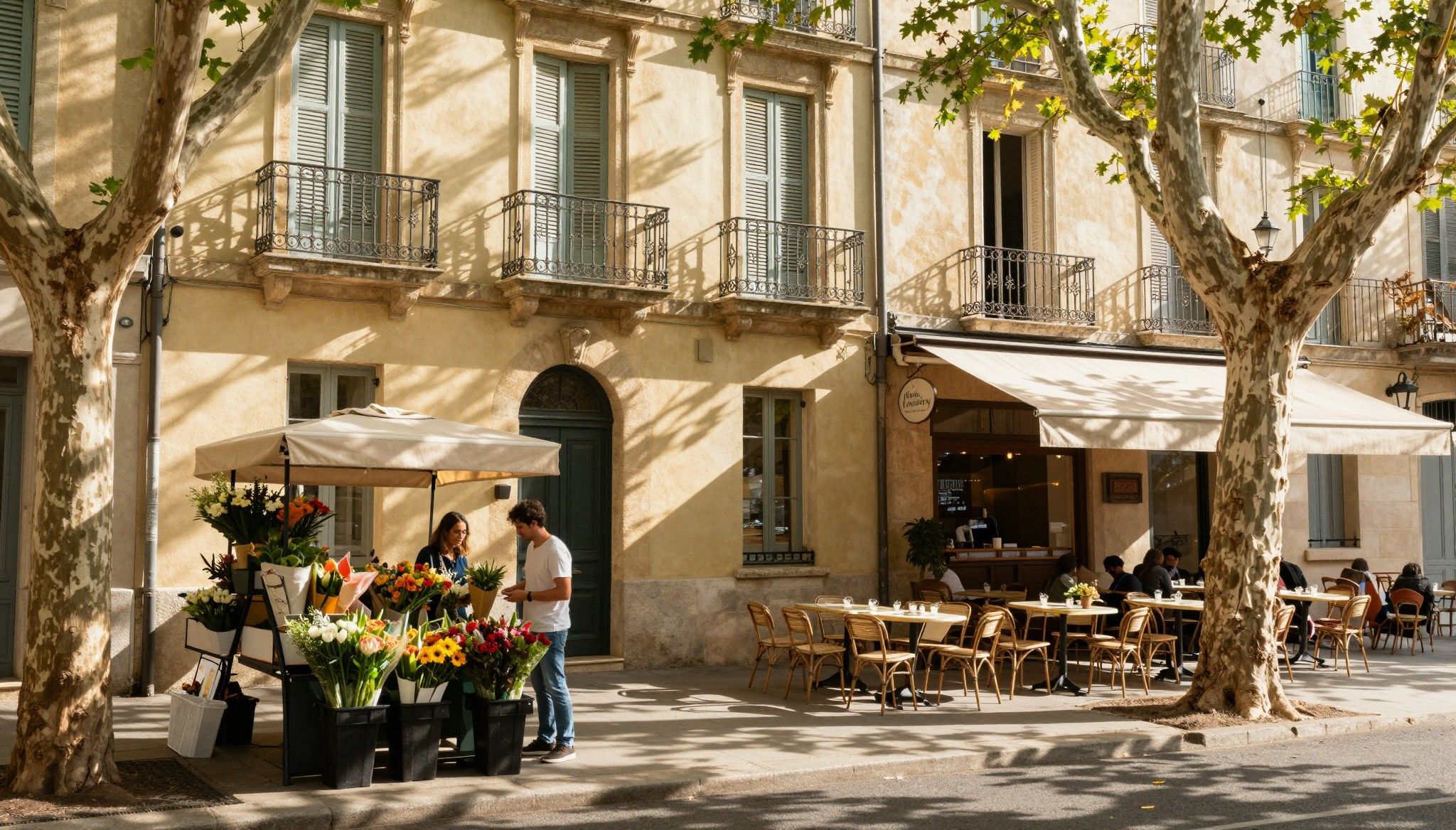
Imagine wandering a morning marché in Aix‑en‑Provence, the air heavy with lavender and warm bread, then stepping into a century‑old maison with thick stone walls and a south‑facing courtyard where grape vines climb. That sensory pull — light, food, community — is why buyers fall for France. But love alone doesn’t protect you from a permit oversight, a misread cadastral note, or an energy diagnostic that blocks a mortgage. This guide stitches the poetry of French life to the practical checks that save months and euros.
Living the French life — what you’ll actually feel
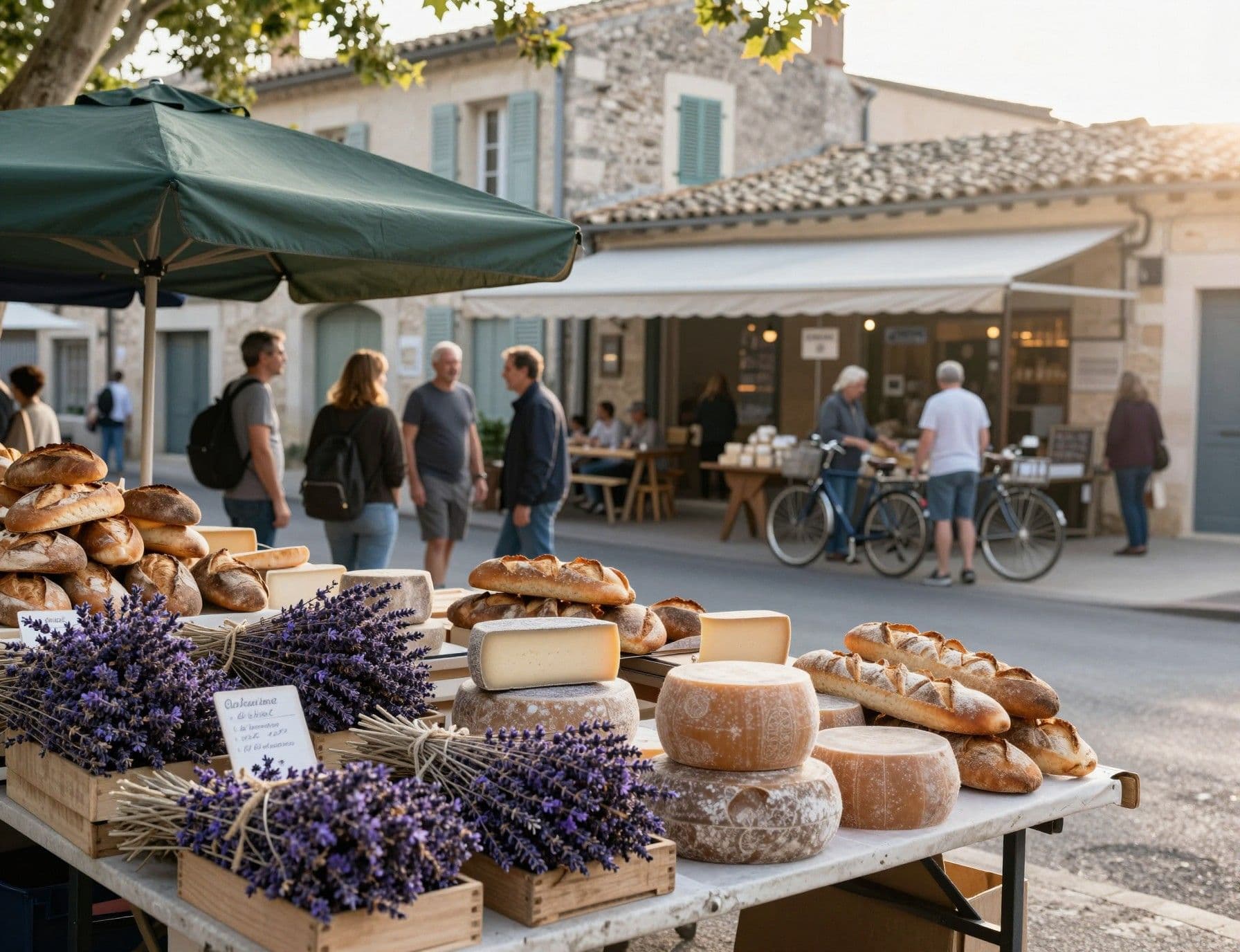
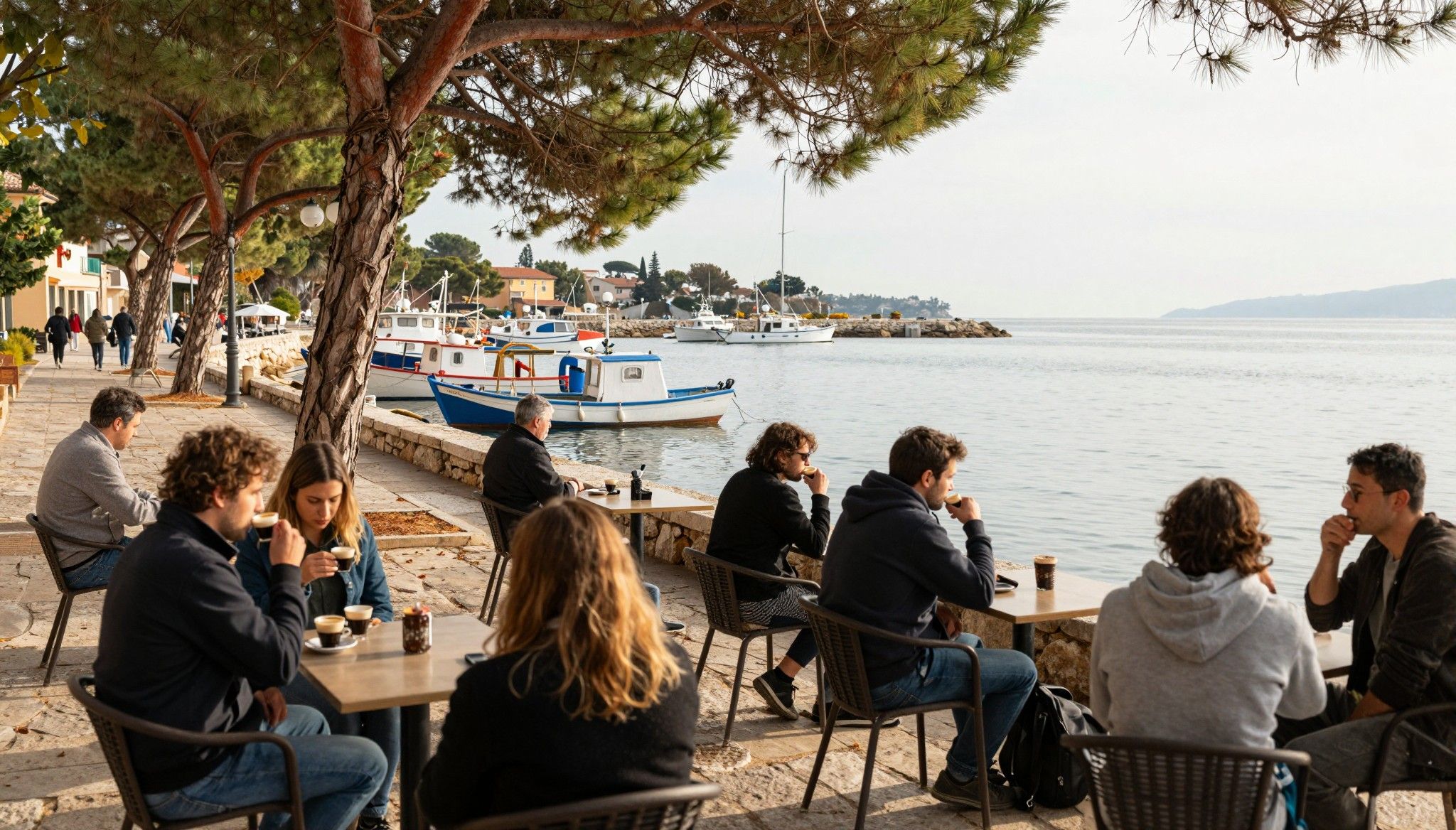
France lives in small rituals. Coffee at a zinc bar in Paris’s 11th, a Thursday marché in Saint‑Rémy, sunset swims on Plage de l’Espiguette, and a Sunday lunch that runs late. Neighborhoods are places to be known, not just to occupy: rue Cler in Paris for daily shopkeepers, Cours Mirabeau in Aix for outdoor cafés, Le Panier in Marseille for artisans and narrow light. These textures shape what kind of home makes sense — a compact apartment for walking life or a stone farmhouse for slow seasons.
Spotlight: Where everyday life is the property’s best feature
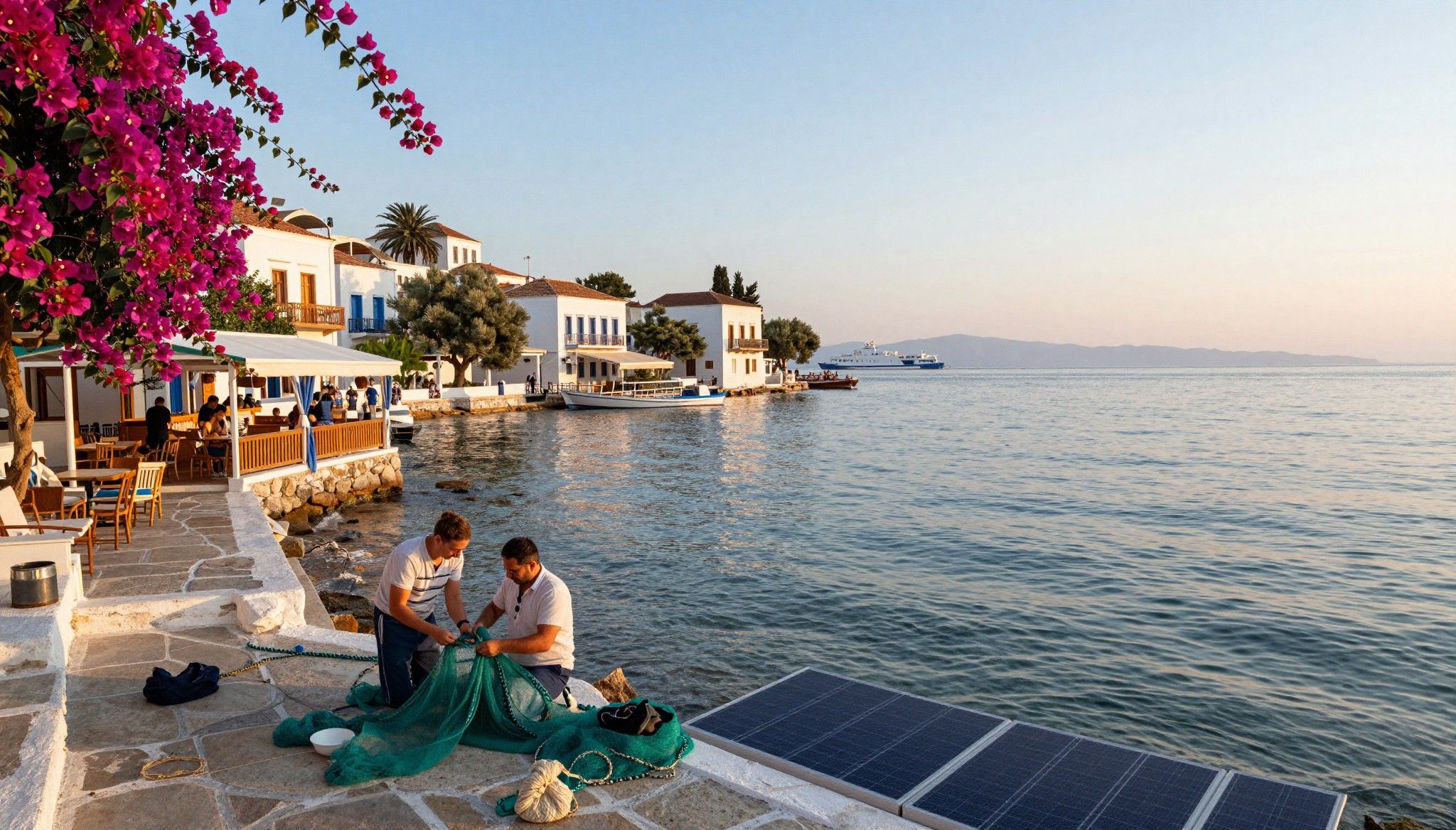
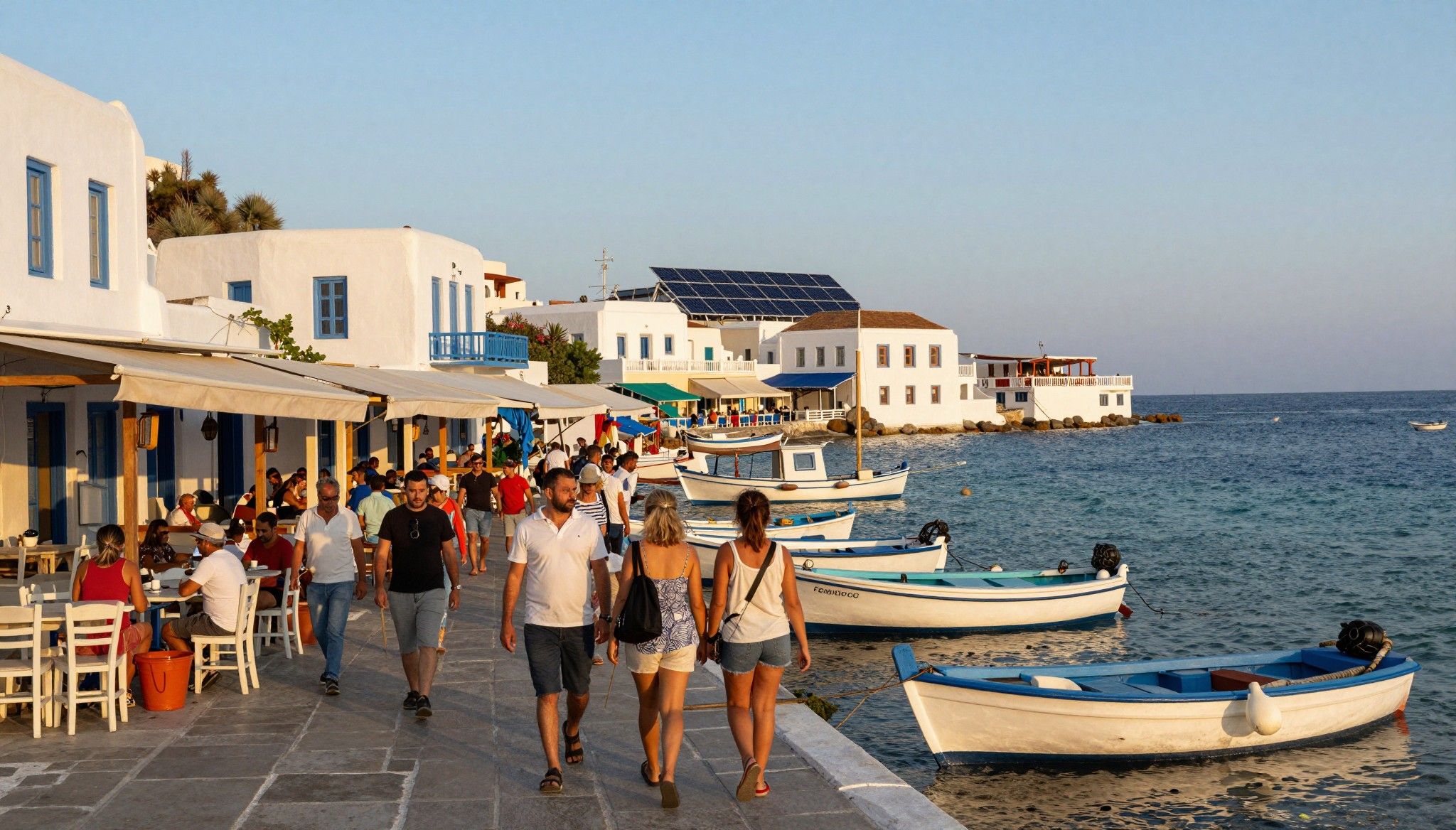
Take Bordeaux’s Chartrons: morning boulangeries, weekend antique stalls along Rue Notre‑Dame and a riverside cycle path that makes commuting part of leisure. Or look to the coastal villages of the Var — Le Lavandou and Cassis — where terraces open directly onto sea breezes and small port communities mean your neighbours are fishermen, not tourists alone. These are places where a home’s outdoor rooms and storage for bikes, boards and market haul matter as much as square metres.
Food, markets and seasonal rhythm
Food is civic in France — markets shape the week and the way you use a kitchen. In Lyon or Toulouse, a market‑centric life makes a bright kitchen and cold storage essential; in Brittany, a garden and root‑vegetable larder turn into winter life. Seasonality influences property use: summer terraces are lively but winter insulation decides comfort and heating bills.
Making the move: lifestyle desires meet legal realities
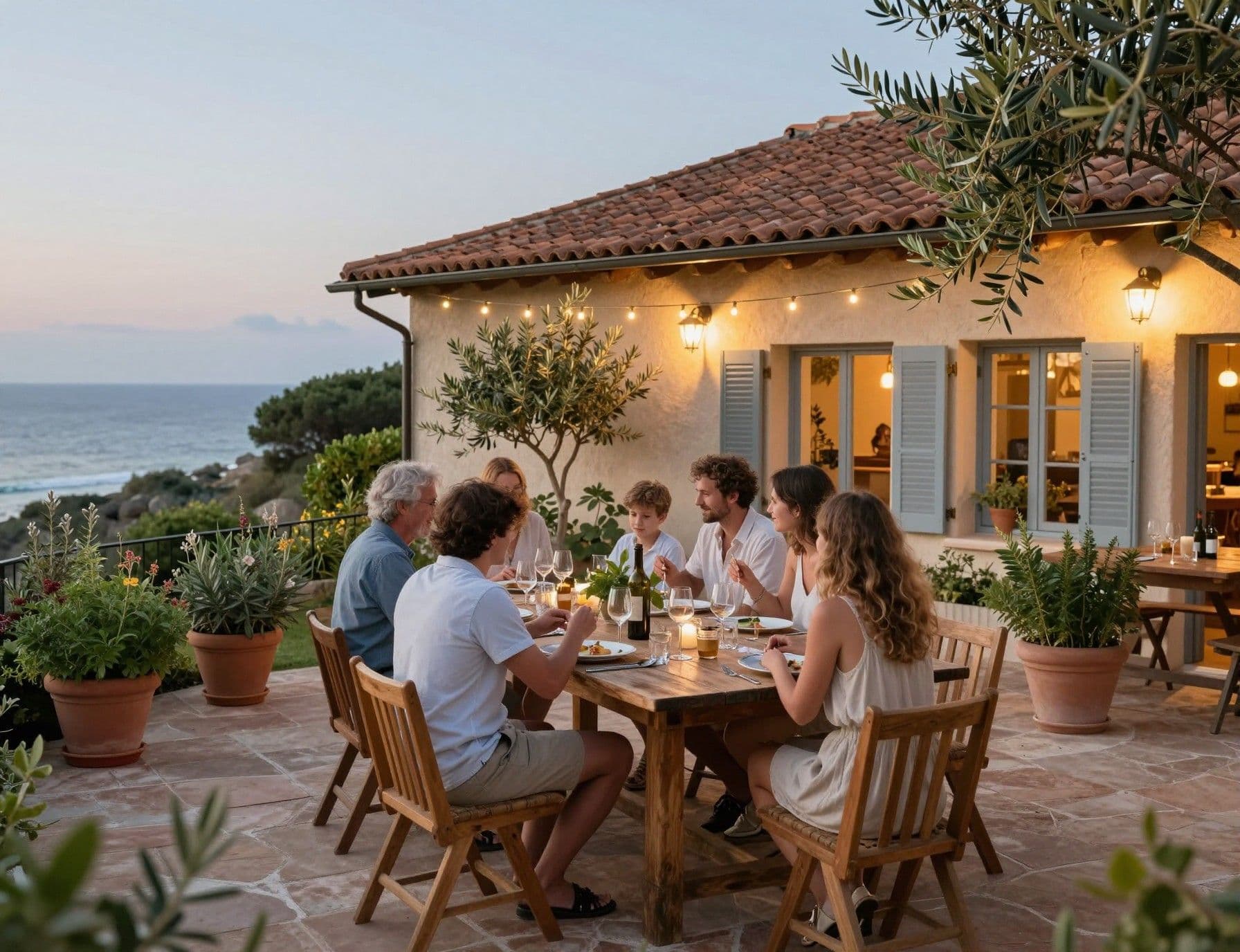
You can fall in love with a view in an afternoon and unknowingly inherit months of red tape. In France the notaire, land registry records (Service de Publicité Foncière) and local urban plans (PLU/Plan Local d’Urbanisme) dictate what you may do with land. Before you sign a compromis de vente, check the property’s urban status and whether planned works need a permis de construire or a simple déclaration préalable.
Property types and the permit surprises they carry
Stone cottages in Dordogne often come with protected façades where external changes require heritage approvals. Coastal homes in Provence may sit inside flood or protected ecological zones limiting extensions. Urban apartments frequently need copropriété approvals to change façades or install solar panels. Match the property type to your lifestyle: want an orchard and chickens? Check zoning and septic system (SPANC) compliance; dreaming of a rooftop garden? Confirm copro rules and structural feasibility.
How local experts protect your lifestyle vision
Work with a notaire, a local architect (if you intend changes), and an agent who understands seasonal life. A notaire verifies title, liens and inheritance encumbrances; an architect reads the PLU and can estimate if a conversion is realistic; a green‑minded agent can prioritise energy performance (DPE), solar potential and water systems. Together they translate the neighbourhood’s rhythm into a realistic renovation plan.
Insider knowledge: the checks that save love affairs from souring
Expats often regret three things: underestimating time, under‑budgeting for compliance, and ignoring energy diagnostics. The compulsory DPE can influence mortgage terms and resale; missing septic compliance or an unregistered granny flat can become a legal headache. Always ask for the dossier de diagnostics techniques (DDT) and copies of any planning permissions tied to the plot.
Red flags to walk away from (or fix immediately)
Listed below are warning signs that should prompt professional checks:
Missing or inconsistent cadastral records — may hide servitudes or boundary disputes.
No SPANC (septic) certificate where required — replacement can be costly and time‑consuming.
Unclear copropriété minutes — major renovations may be blocked by co‑owners.
Practical checklist: due diligence steps before signing
1) Request the DDT and DPE documents and review energy class and listed risks; 2) Ask your notaire to pull SPF records to reveal mortgages or servitudes; 3) Verify PLU rules at the mairie (local town hall) for expansion limits and protected zones; 4) Commission a local structural survey and SPANC check if off‑grid; 5) Confirm copro minutes for communal decisions and any planned works.
How sustainability can be a negotiation lever
If a property scores poorly on DPE, use that as bargaining power: sellers increasingly accept price adjustments or include commitments to install insulation, heat pumps or photovoltaic panels. Ask the seller to provide quotes from certified installers. Green upgrades increase comfort and future resale value — and often unlock favourable green mortgage terms for buyers.
What expats wish they'd known — culture, timing and tiny things
Language matters but small courtesies matter more: meet the boulanger, get to know the maire, learn who waters the communal pots. Timing matters too — planning commissions often meet monthly and local elections change priorities; an application for a permis de construire can stretch to many months. Expect slow, meticulous processes and plan visits outside peak tourist seasons to feel the true neighbourhood.
Long‑term living: climate resilience and stewardship
Prioritise homes that let nature in without costing the earth: passive solar orientation, mature trees for shade, rainwater collection, and retrofittable roofs for solar. Think in decades — invest in insulation and robust drainage in coastal or riverine areas. A home that honours seasonal rhythms will be cheaper to run and kinder to local biodiversity.
When you buy in France you sign up for a slower, richer rhythm: long lunches, market friendships, seasonal gardens and a strong sense of place. Let that lifestyle guide your practical checks rather than the other way round. Start by getting the DDT and PLU checks, hire a trusted notaire and a green‑minded architect, and plan upgrades that marry comfort to sustainability. Then, pour a glass of rosé, walk the street and imagine life unfolding.
Danish relocation specialist who moved from Copenhagen to the Algarve; supports families with seamless transitions, local partnerships, and mindful purchases.