How France’s Planning Rules Shape Where You Buy
Fall in love with France’s markets, light and villages — then use local planning checks, notaires and diagnostics to protect the lifestyle you’re buying.
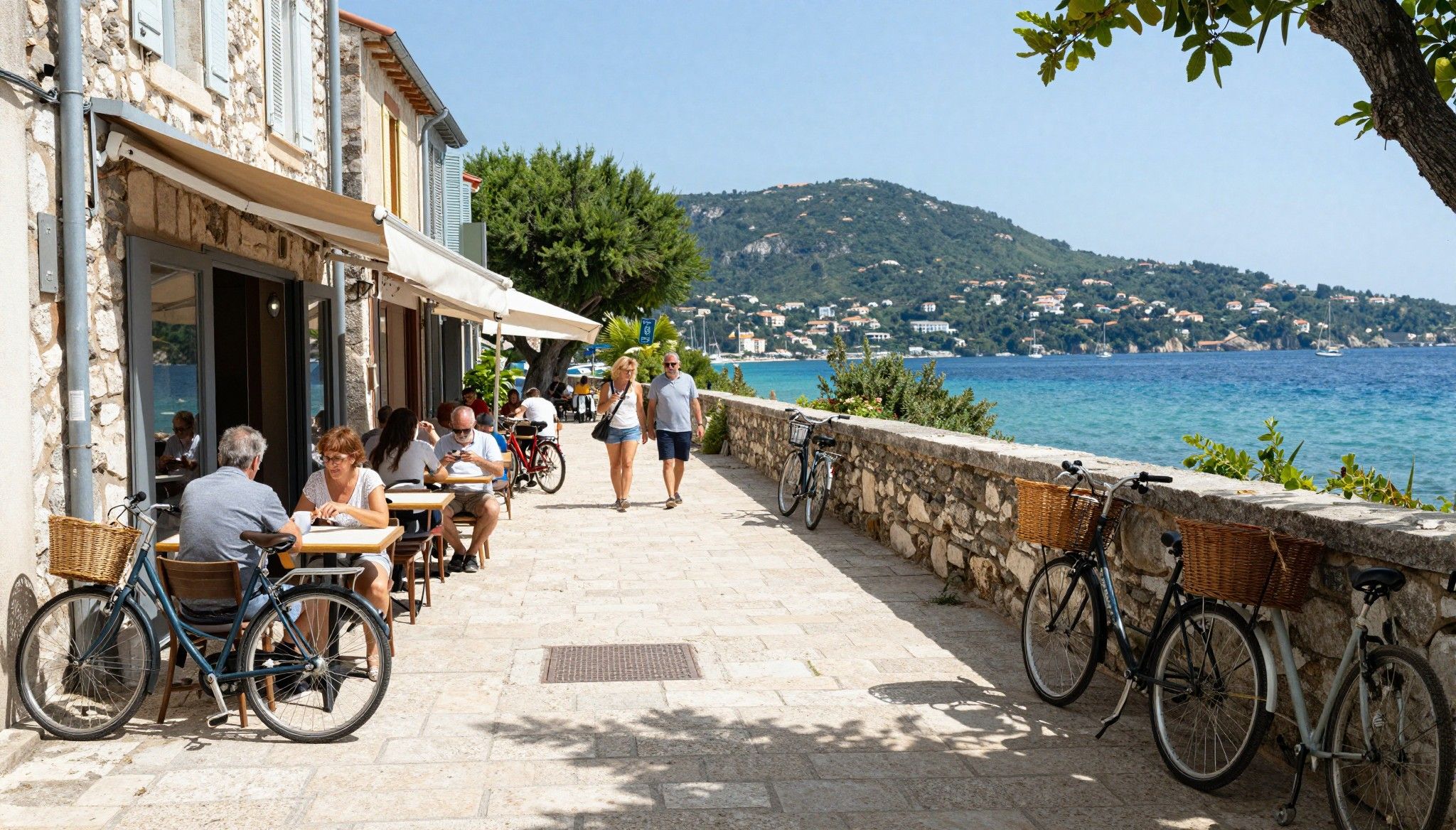
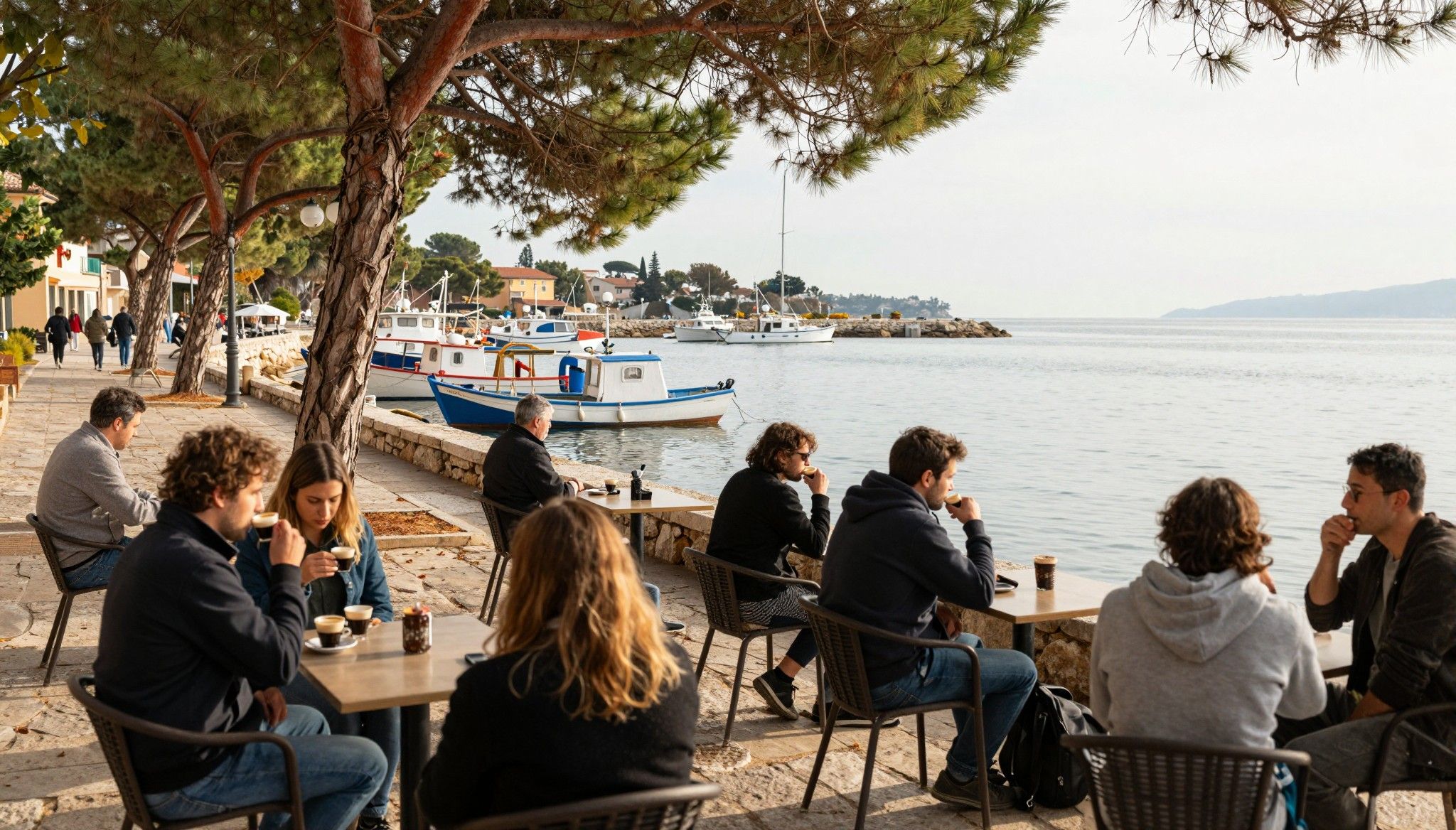
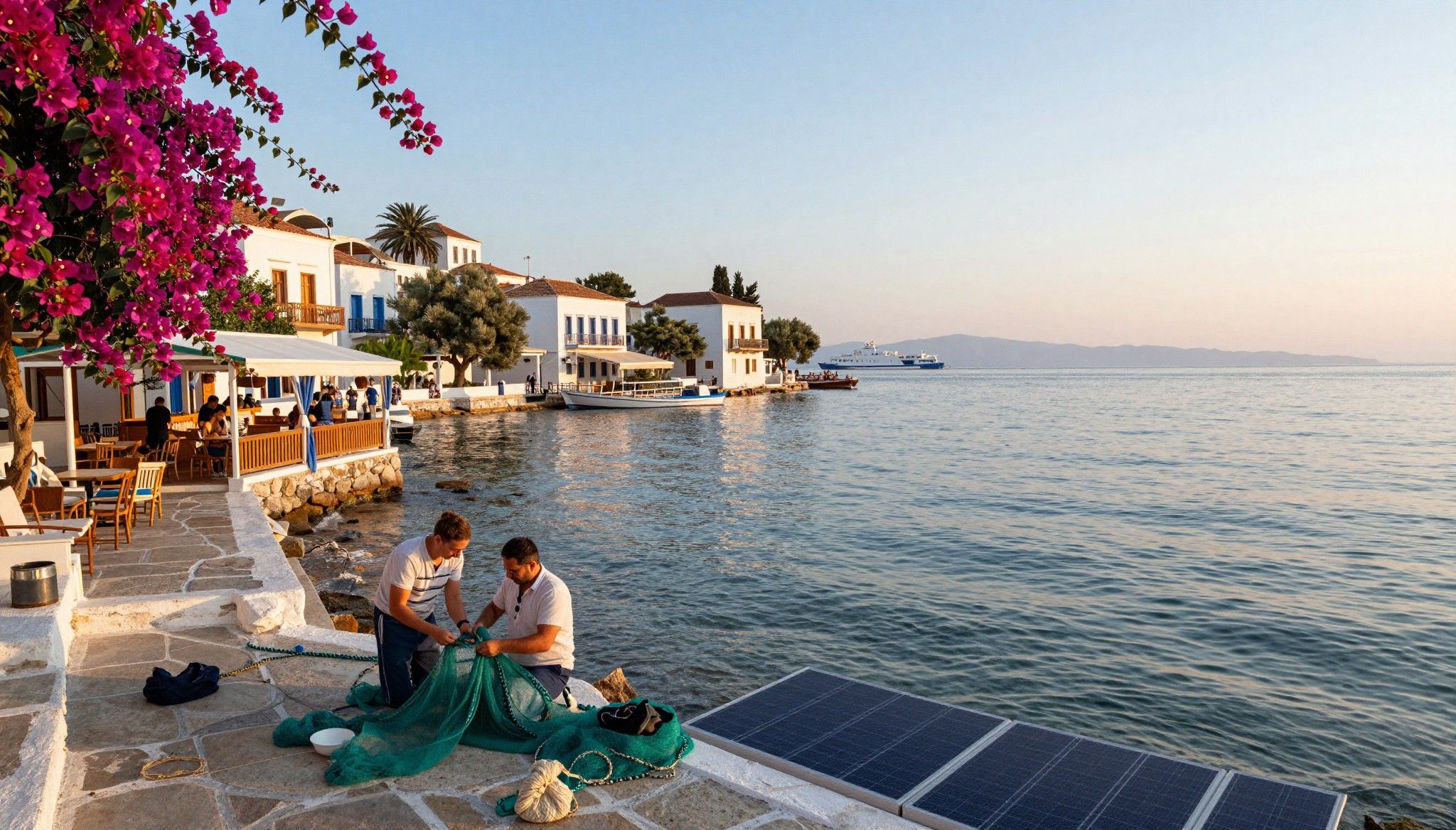
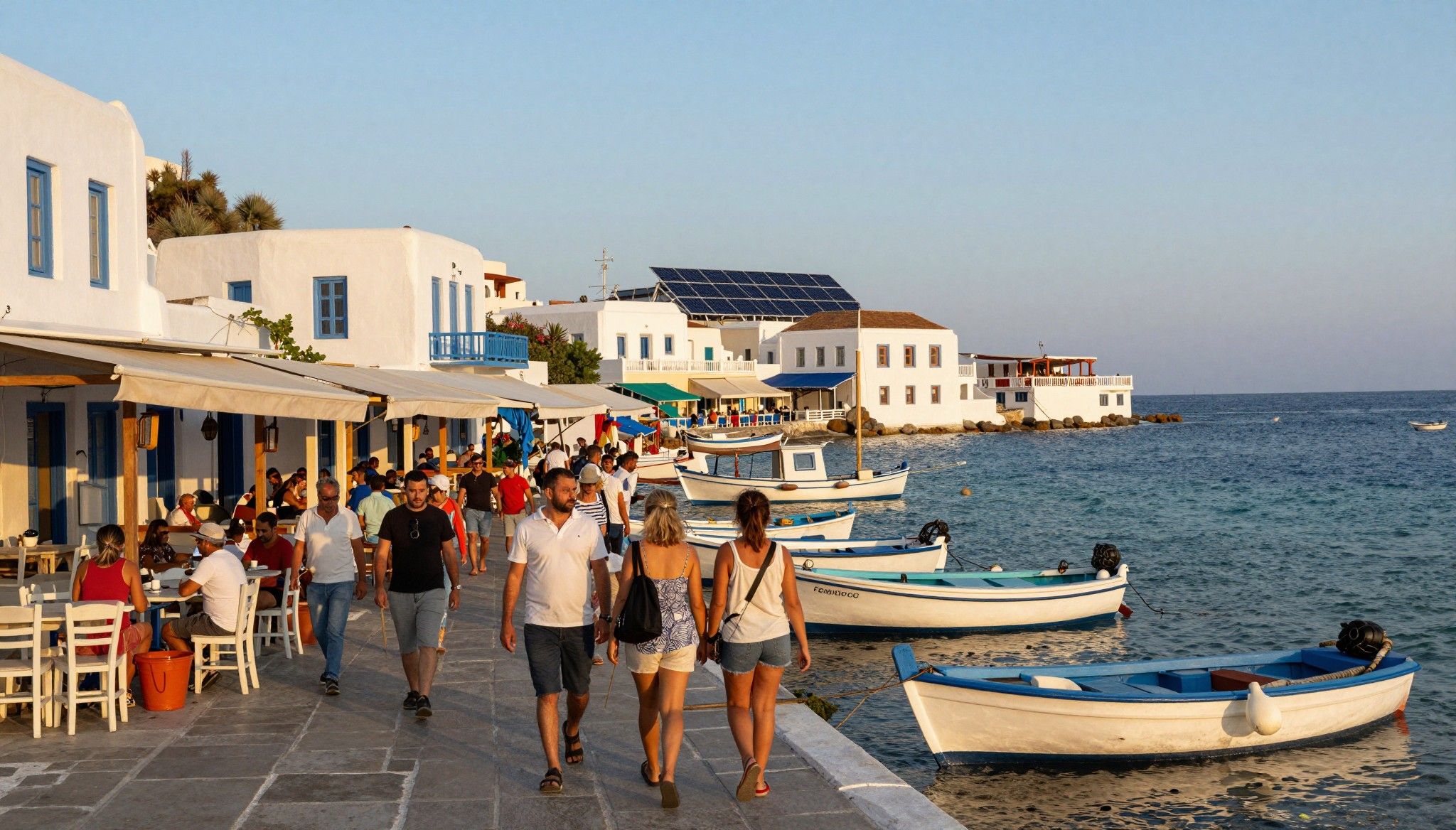
Imagine sipping an early-morning espresso on Rue Cler in Paris, then trading the metro hum for cicadas in Provence by evening — France is a country of intimate neighbourhood rituals and wild, green edges. For many international buyers the romance arrives first: limestone facades, marché stalls, a kitchen garden that feeds a seasonal dinner. But that romance meets planning rules, local permits and hidden local customs as soon as you begin to plan a renovation or garden project. This guide pairs the sensory life — boulangeries, marché rhythms, village fêtes — with clear, practical due-diligence steps that protect both your lifestyle dreams and the land beneath them.
Living the French life: neighbourhoods that feel like home
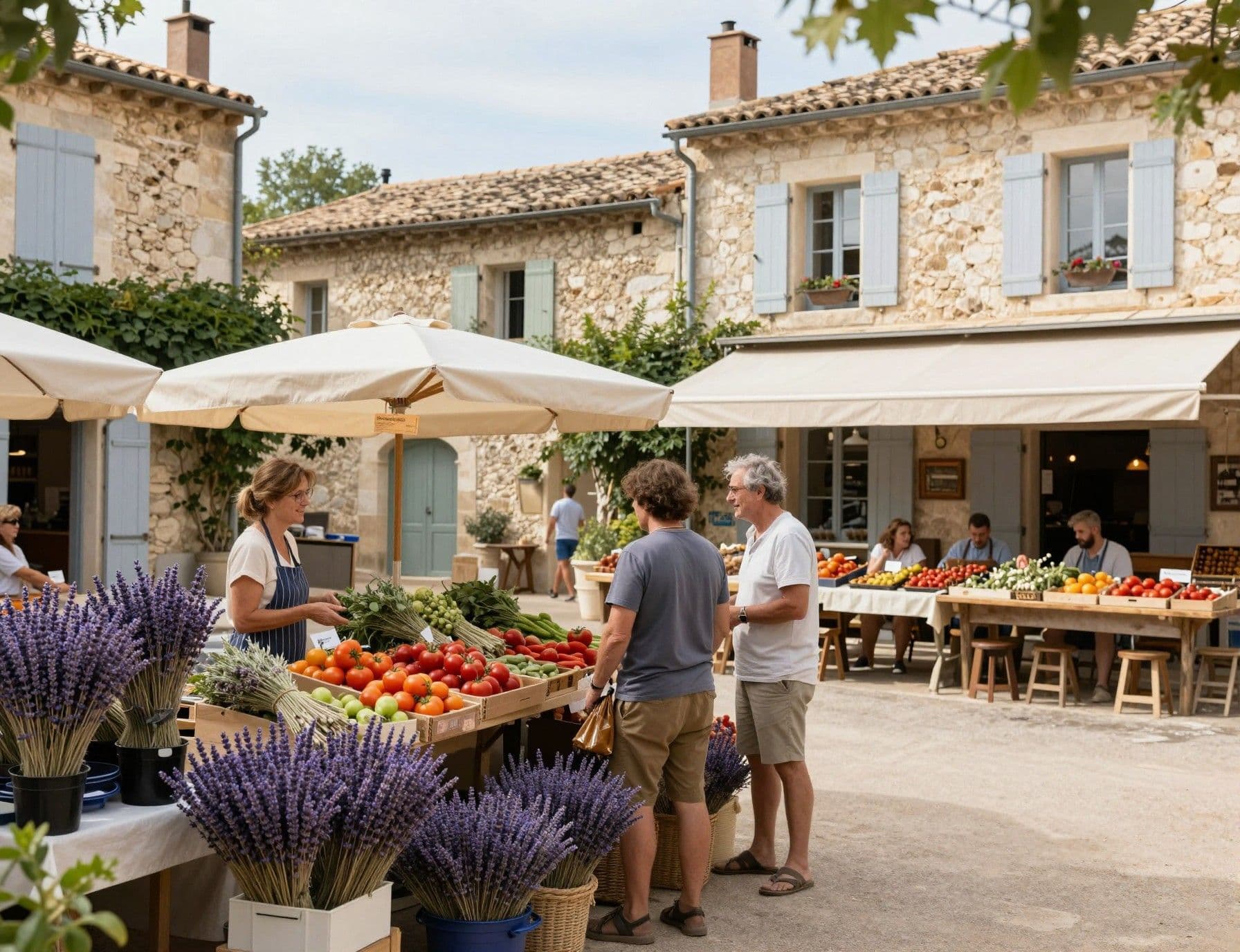
France moves slowly in the best possible way: mornings at a café terrasse, long marché negotiations over seasonal vegetables, and evening light that makes stone sing. In Paris the arrondissements each have their tiny ecosystems — Rue Mouffetard offers bookshops and old-school fromageries, while Canal Saint-Martin hums with young chefs and bike riders. Along the Côte d’Azur the days are measured by low tides and market arrivals; in Dordogne or the Lot you’ll trade a Michelin-starred restaurant for a Sunday market where producers know your name. These rhythms matter because they shape what you’ll want from a property: garden space for a potager, a kitchen big enough for long lunches, or a small pied-à-terre close to a tram line.
Paris & Île‑de‑France: compact life, exacting rules
Living in the 5th or 6th means morning markets and centuries of layered regulations — façades protected by architects of historic monuments, strict co‑op statutes in older appartements, and neighbourhood committees that guard tree canopy and signage. If your dream is a balcony that blooms, check the copropriété minutes and any façade restrictions early: a heartfelt balcony garden can be a legal headache without prior consent.
Provence, Dordogne & the Southwest: land, light and conservation zones
In rural communes and protected landscapes, the pleasures are large — vaulted barns, chestnut beams, hedgerows — and so are the constraints. Many properties sit inside a Plan Local d’Urbanisme (PLU) or near a Monument Historique; both influence rooflines, permitted materials, and extensions. Before falling for a farmhouse, ask the mairie for a certificate that explains what you can actually build. Local mayors wield surprising influence over small projects, and commune-level rules can trump national aims when it comes to conservation.
Making the move: practical checks that protect the lifestyle
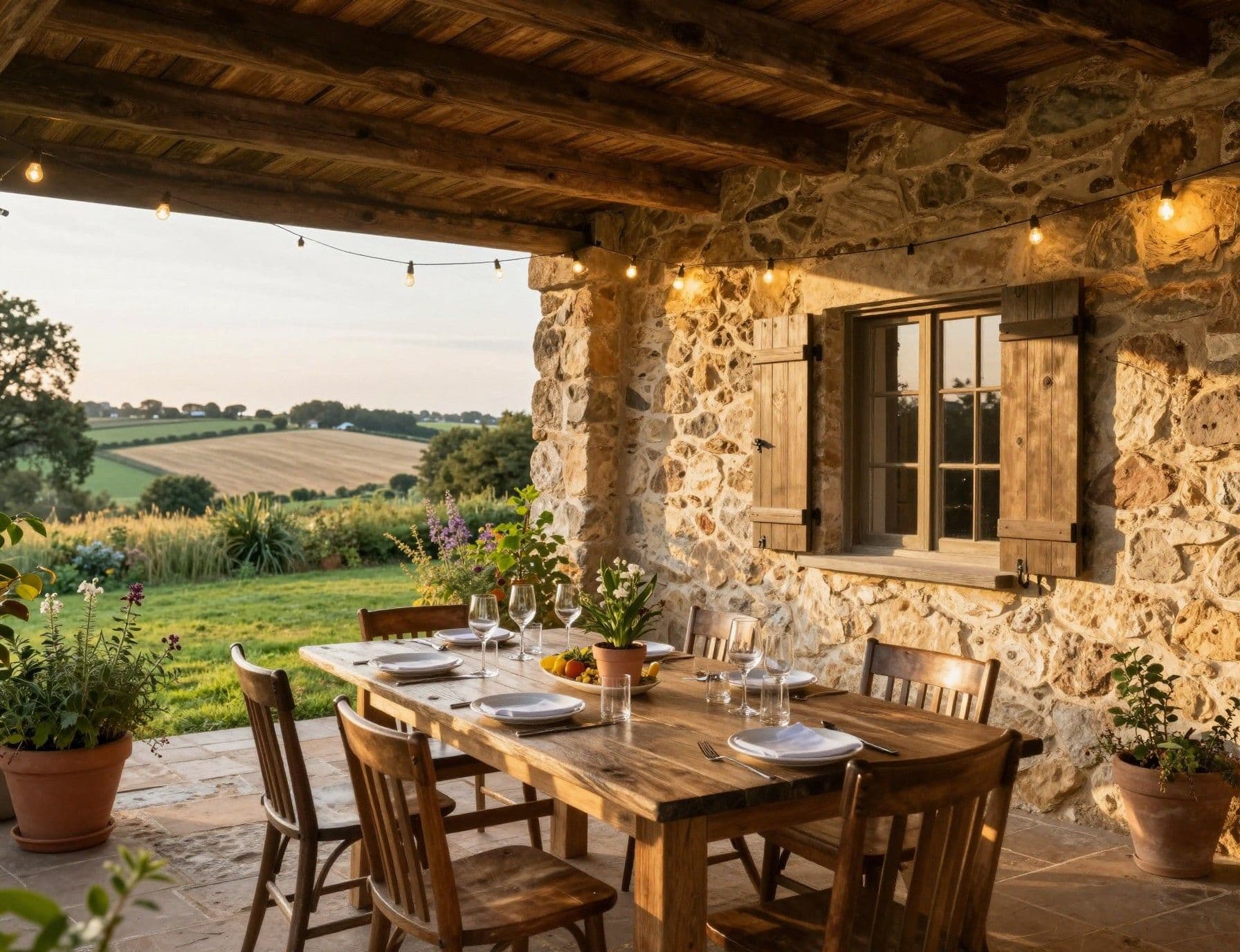
Market conditions are mixed and regional: recent notaire and INSEE data show modest national movements but bright hot spots on the coast and in sought-after regional towns. That means you can still find value where lifestyle and stewardship align — villages with thriving markets, access to renewable-energy grids, or properties suited to low-impact retrofits. Practical due diligence is your bridge between dreaming and settling: confirm zoning, septic system compliance, energy performance (DPE), and any right of way or servitude that could shape daily living.
Property styles & their sustainable tradeoffs
A stone longère in Brittany brings thick walls and thermal mass that age beautifully, but may need insulation upgrades to meet modern comfort and efficiency. A 19th‑century Parisian flat has elegant proportions and centrality but often limited space for renewables. Newer builds in suburban Occitanie might already have solar-ready roofs and EV chargers — think about whether you want to retrofit or buy systems already integrated into the home’s lifecycle.
Working with local experts who understand place
Hire a notaire early — they are neutral, government‑appointed and essential to secure titles, check servitudes, and calculate transfer taxes. An architect or local bureau d’études will translate PLU constraints into practical design options, especially in protected zones. Seek agentes immobiliers with proven eco‑credentials and a history in the communes you love; their local networks can flag off‑market opportunities that keep the landscape intact.
- Practical lifestyle + due diligence checklist:
- Ask the mairie for the PLU (zoning plan) and any servitude records before making an offer.
- Order a diagnostic bundle: DPE (energy), termite, plomb (lead) if pre‑1949, and assainissement (septic) certificates.
- Confirm heritage or conservation overlays — they affect materials and rooflines and can change renovation costs dramatically.
- Get a local architect’s feasibility note for solar, water harvesting and passive retrofit options — early sketches save money later.
Insider knowledge: expat mistakes and surprising local truths
The stories we hear most are not of paperwork alone but of misread rhythms: buyers who loved a village in August only to discover it sleeps most of the year, or who assumed solar was straightforward in a shaded valley. Another common misstep is underestimating notaire and transfer costs — or assuming French bureaucracy is uniform across the country. In truth, the mairie, the intercommunalité and the notaire each have different records and priorities; you must speak to them all.
Cultural integration, language, and community life
Join the marché, volunteer at a local fête or simply shop the boulangerie daily — these small rituals teach you faster than any guide. Learning basic French opens doors; many municipal offices and craftsmen are pragmatic but appreciate effort. Community acceptance also affects what renovations receive local goodwill: neighbours who know you are committed to preserving local character are likelier to back sympathetic changes.
Long‑term stewardship: how life changes after you arrive
A French property often reveals its best self slowly — plant growth, roof tiles settling, markets evolving. Think beyond immediate comfort to biodiversity: introduce native hedges, repair stone walls, and favour water-wise gardens. These choices lower long-term maintenance and deepen your connection to place — and they are often looked on kindly by local planning officials when future works are proposed.
Start with curiosity and respect: learn the rhythms, hire local expertise early, and treat due diligence as a way to protect the life you imagine. Speak with a notaire to lock down title and taxes, ask the mairie about the PLU, and commission the diagnostic reports that reveal real retrofit costs. When you do this well, you don’t just buy a house in France — you inherit a neighbourhood, a season, and a way of life worth stewarding.
- Step-by-step next moves:
- 1) Visit the mairie and collect PLU, cadastre maps and any recent planning decisions.
- 2) Order diagnostics and ask a local architect for a retrofit feasibility memo.
- 3) Instruct a notaire to run title searches, servitude checks and confirm transfer taxes.
- 4) Negotiate with the seller on contingencies tied to permits and DPE score improvements.
Conclusion: home in France is a long table of small pleasures — and the paperwork protects that table. When you pair sensory curiosity with disciplined due diligence you keep the light, the bread, and the garden intact. If you’d like, we can connect you with Moss & Hearth partners in France who combine local planning savvy with eco-conscious renovation experience, so your dream arrives carefully and sustainably.
Norwegian market analyst who relocated from Oslo to Provence; guides investors with rigorous portfolio strategy and regional ecological value.