Hidden Permit Pitfalls on Croatia’s Coast
How to spot permit red flags and secure sustainable, lifestyle‑fit property in Croatia—practical due diligence tied to real local places and up‑to‑date market data.
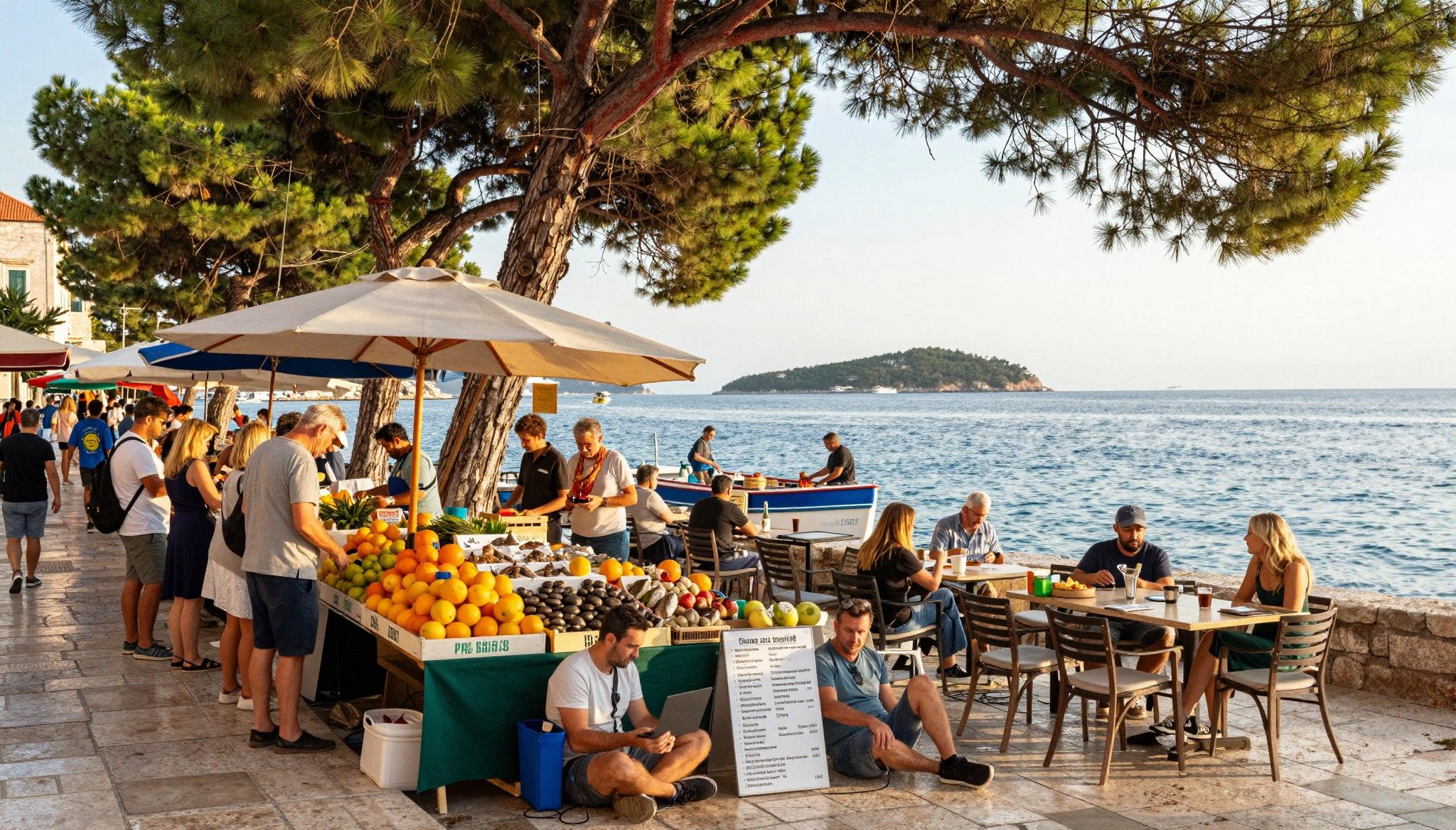
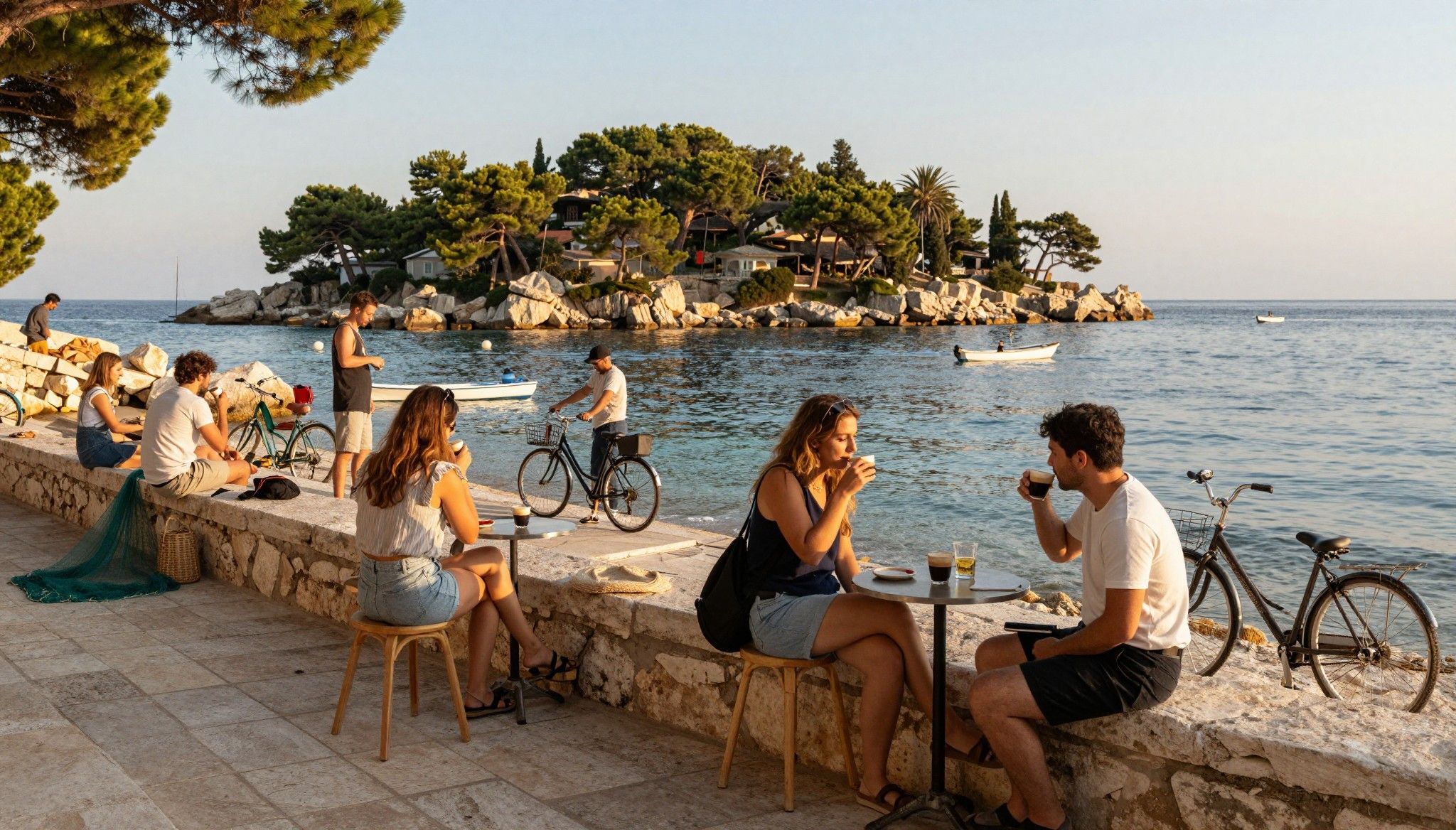
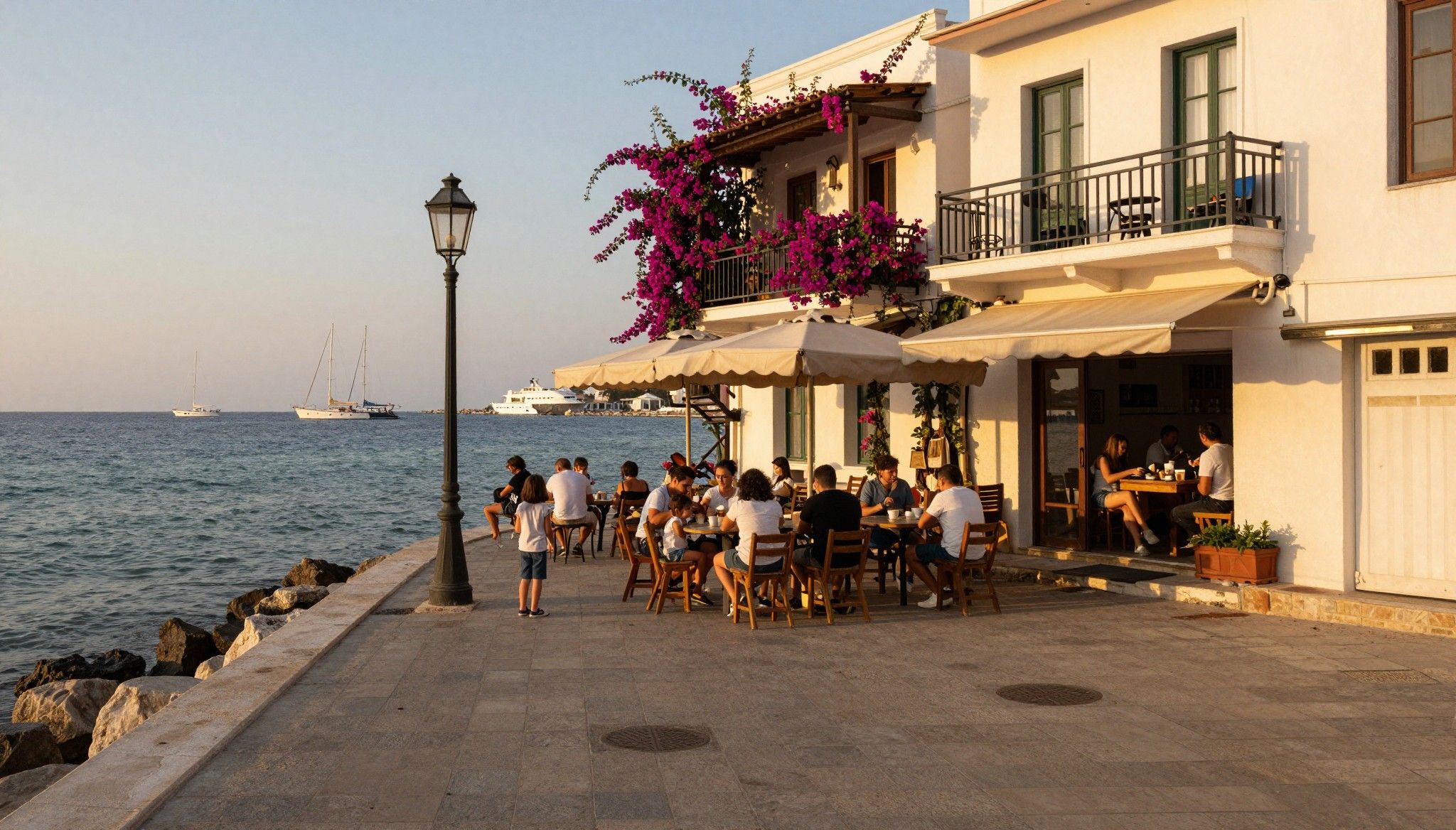
Imagine waking to coffee steam on a sun-warmed terrace in Split’s Veli Varoš, then walking past fishermen mending nets to a market that smells of citrus and grilled sardines. Croatia’s coast moves at a human pace—stone courtyards, pine-scented promenades, and evenings that end at a konoba with slow-cooked lamb. But under that golden light, the paperwork that lets you own a slice of this life can be quietly complicated: permits, reciprocity rules for non-EU buyers, and new regulations that changed in 2024–2025. This guide blends local colour with the exact due-diligence steps that protect both the life you want and the natural place that makes it worth having.
Living Croatia: daily rhythms and real places
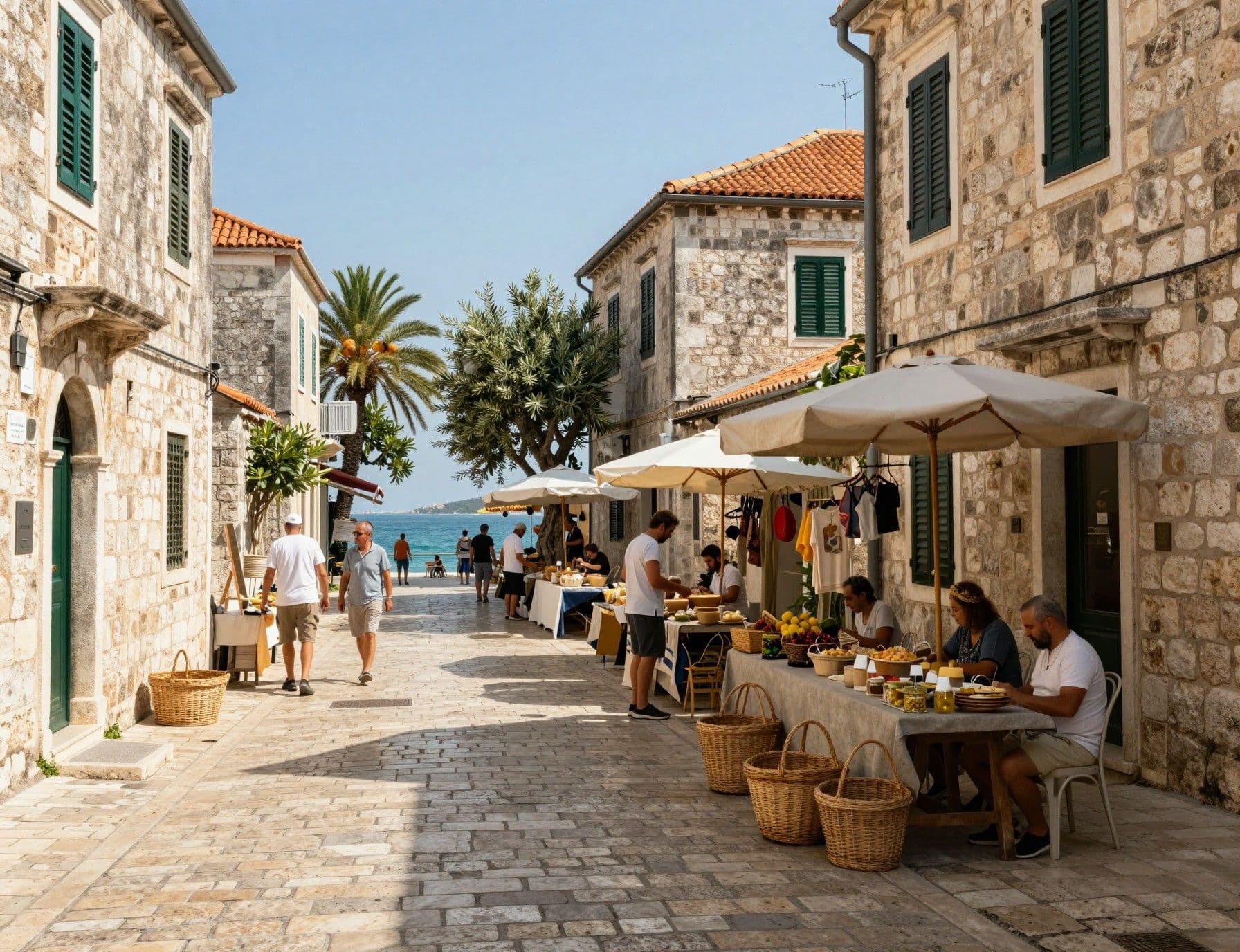
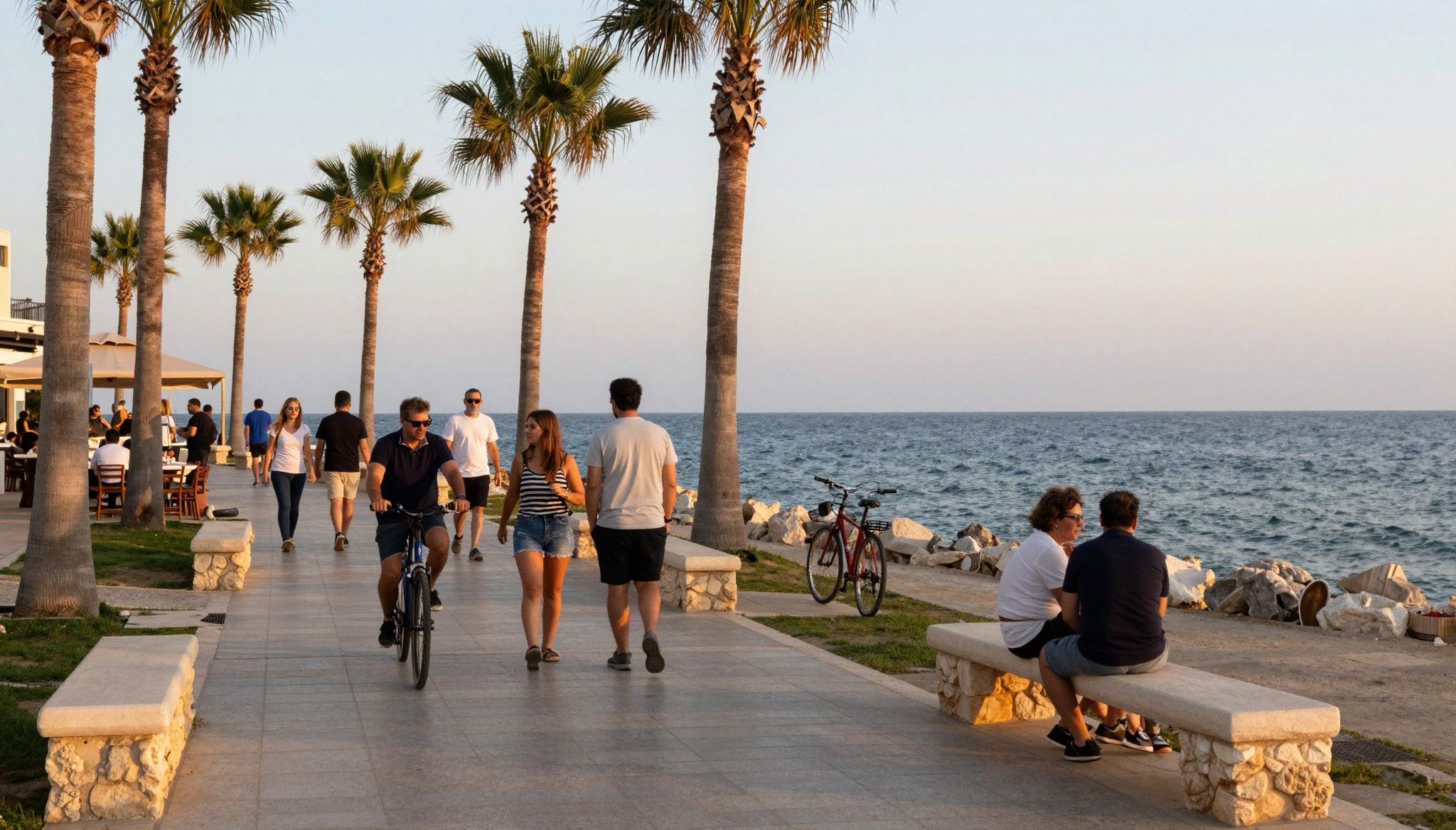
Life here is seasonal and textured: mornings in Zagreb’s Tkalčićeva with espresso and pastries, afternoons island‑hopping from Hvar’s Riva, and slow Sundays at Pula’s green markets. The coast rewards outdoor living—terraces, balconies and roof gardens—so property choices are as much about microclimate and access to sea breezes as they are about square metres. For eco-minded buyers, look for homes where stone walls, thick shutters, and shaded courtyards reduce energy use naturally.
Spotlight: Split — Veli Varoš & Žnjan contrast
Veli Varoš is the narrow-street, fishermen’s neighbourhood that hums with morning markets and small konobas; properties are often stone houses with thick walls and shared courtyards. Contrast that with Žnjan, a modern seafront where new builds and promenades promise convenience but bring different permit histories and condominium rules. Which you prefer shapes the permits you’ll need, the renovation approach, and whether communal consent is required for tourist lettings.
Food, markets and the small rituals that decide where you live
In Istria, weekend truffle markets and family‑run wineries draw buyers who want a slower, agrarian life; in Dubrovnik tourism pulses through Old Town but quieter neighbourhoods like Lapad offer leafy promenades and community gardens. These everyday rhythms matter because they determine what kind of property adaptation you’ll want (kitchen for slow cooking vs. compact holiday rental layout) and which local regulations—especially for short‑term renting—will affect your plans.
- Lifestyle highlights to search for when house‑hunting in Croatia: • Morning espresso at Café Luxor (Split) and a walk down to Bačvice beach • Weekend farmers’ stalls in Pula and Rovinj for seasonal, local produce • Evening walks along Dubrovnik’s Lapad promenade and hidden coves on the Pelješac peninsula • Small island ports (Brač, Vis) with fisherman’s markets and stone farmhouses • Istrian wine roads near Motovun and Rovinj for agrarian life and land with olive groves
Making the move: practical permit and due‑diligence realities
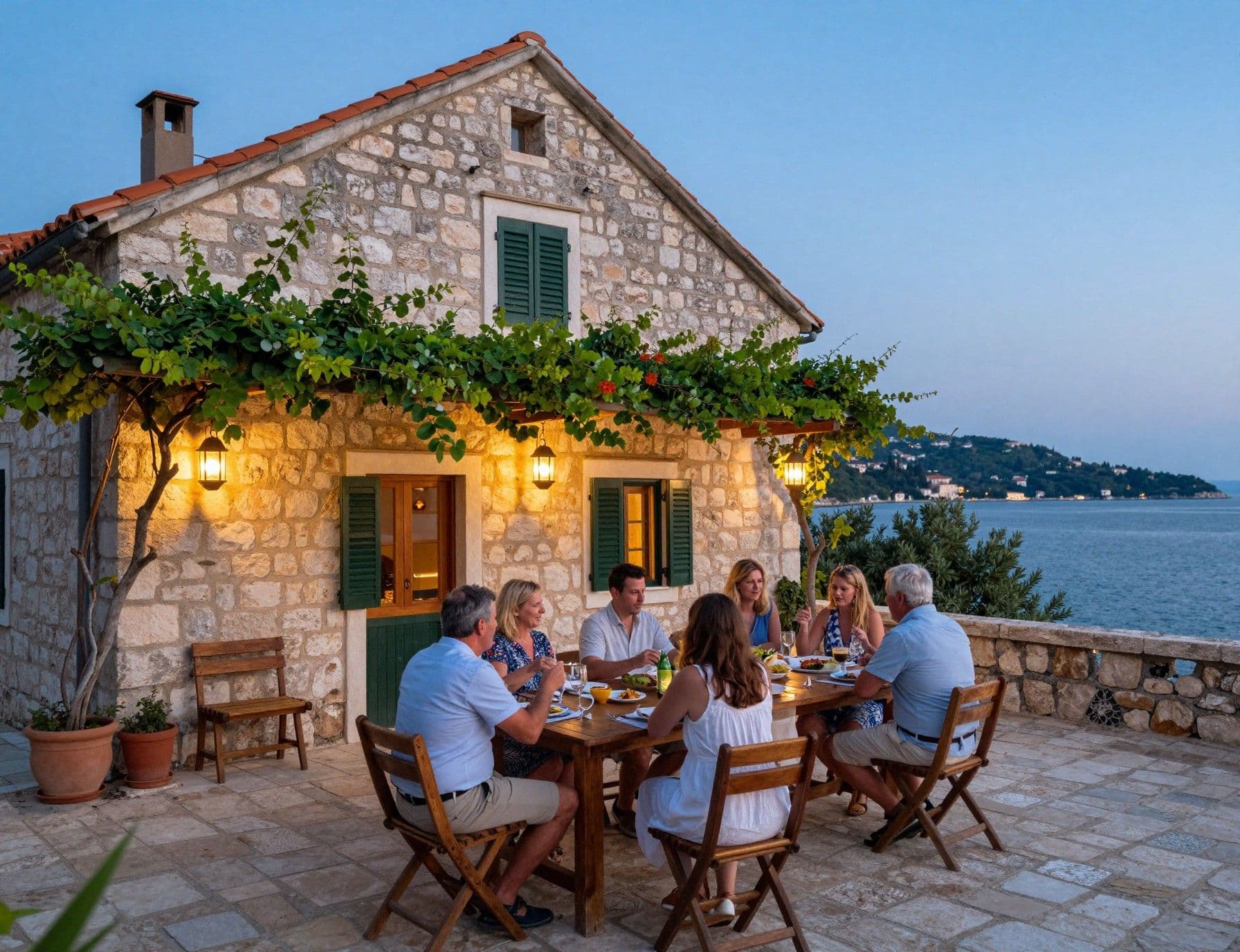
Recent market data shows transactions softened in 2024–2025, with a notable fall in sales and fewer foreign buyers on the coast. That matters for buyers because lower transaction volumes can reveal hidden title issues and longer times to register purchases. National reports and agency market notes (Opereta, Avison Young) also flag new rules introduced in 2024–2025 that affect tourist rentals and building consents—so your due diligence must be current, local and document‑driven.
Key permit pitfalls sellers often skip
- • Unrecorded renovations: terraces, sea views or added rooms built without a completion permit (upis u katastar) complicate transfers and insurance. • Short‑term rental consent: new condominium and municipal rules may require majority consent for tourist licences or bans on short lets in certain buildings. • Land‑use and agricultural limits: buying plots near olive groves or in protected zones can restrict rebuilds or change of use. • Utility connections: legacy properties may lack proper grid or water permits, requiring costly legalisation.
- Steps to practical due diligence (a lifestyle-minded checklist): 1. Ask your agent for the land‑registry extract and building permit history before any offer. 2. Commission a local surveyor to confirm built area vs. registered area and check boundary markers. 3. Check municipal local plans (prostorni plan) for future road or tourism zoning near the property. 4. Request condominium minutes if the property is in a shared building—look specifically for short‑let discussions. 5. Get written proof of utility connections and recent tax/municipal charge receipts. 6. Engage a lawyer who speaks your language and specialises in property law for foreigners.
Insider knowledge: what expats wish they'd known
Expat buyers tell a common story: they fell in love with sea views and afternoon markets, then learned that paperwork—reciprocity rules if you’re non‑EU, condominium votes, and new short‑let limits—reframe what’s realistic. Islands and Old Town classics are romantic but often bring complex title histories. The practical lesson: match the life you imagine to legally possible uses and get that confirmed in writing before signing.
Integration, language and the community tradeoffs
Croatians value local ties: small courtyards, neighbourly agreement, and municipal traditions. Learning a few phrases and attending a market or church fête can unlock goodwill that smooths permit applications and renovation approvals. For sustainable living, seek communities already practising olive cultivation, rainwater harvesting, or neighbourhood composting—these places will welcome small‑scale regenerative projects rather than resist them.
- Long‑term lifestyle + property factors to weigh: • Does the property allow the small rooftop solar panels or photovoltaics you want? • Are trees and existing terraces protected by local plans or heritage rules? • Can you legally convert unused outbuildings into a liveable studio? • Will seasonal tourism patterns support community life off-season, or will the area be empty in winter?
Conclusion — buy the life, then buy the legal certainty. Croatia offers a living tapestry: salt‑scented coasts, stone villages, and inland wine roads. To protect that life—and the ecology that makes it beautiful—start with hyperlocal due diligence: verified permits, up‑to‑date registry extracts, and a lawyer who understands both Croatian practice and sustainable retrofit. When those pieces fit, you can be present in the daily rituals that make Croatia feel like home.
Norwegian market analyst who relocated from Oslo to Provence; guides investors with rigorous portfolio strategy and regional ecological value.