Fall in Love — Then Check: Due Diligence in France
Fall in love with French life — then protect it. Sensory neighbourhood stories meet concrete due diligence: DPE checks, notaire fees, permits, servitudes and eco-retrofit priorities.
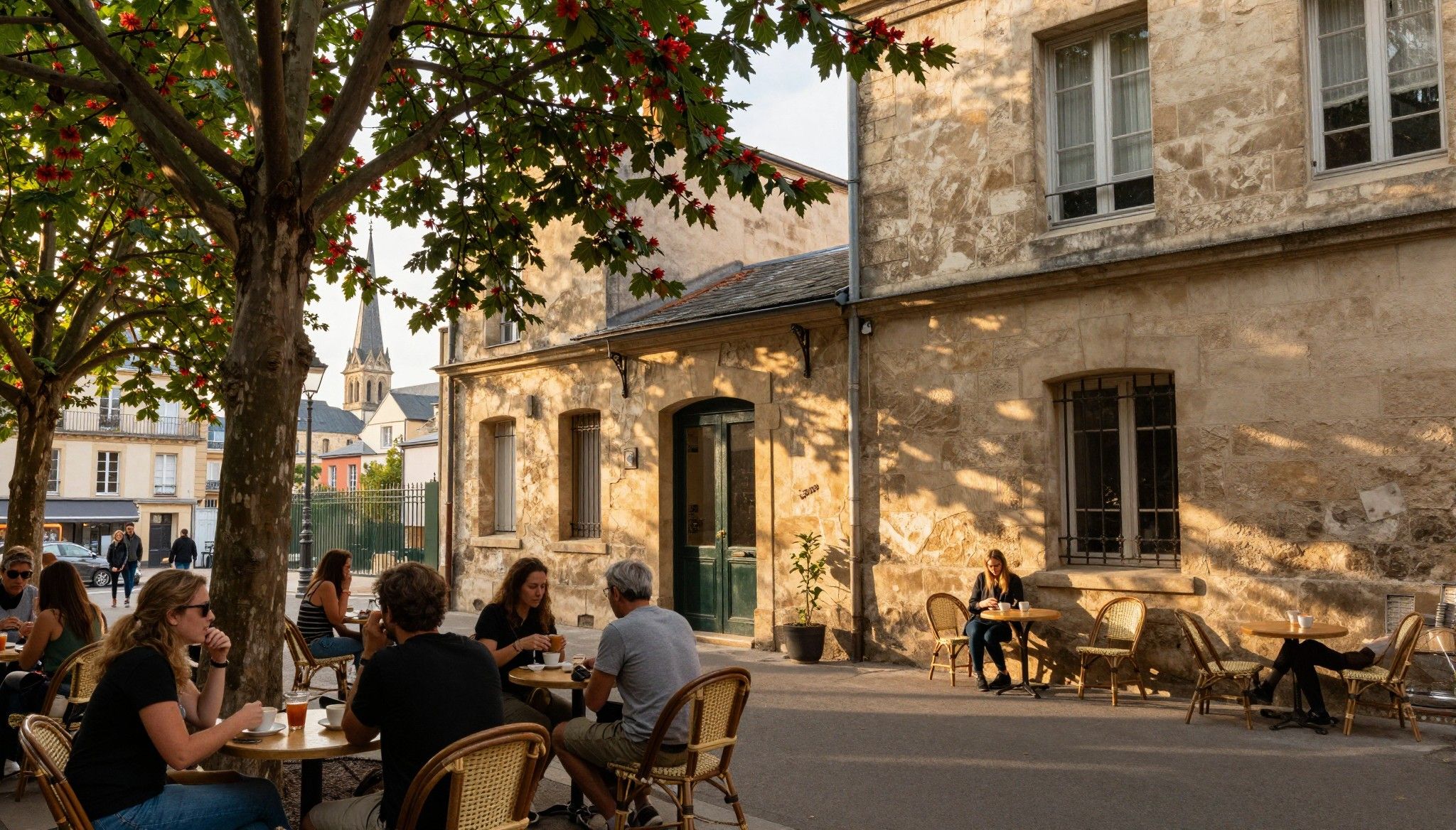
Imagine waking to the salted air of Biarritz, wandering the marché in Aix-en-Provence at dawn, or tending to a wildflower patch in a stone courtyard outside Uzès. In France the day unfolds as a slow negotiation between seasons: bread from the boulangerie, late-afternoon sun on limestone, and neighbours who measure life in shared meals. For many international buyers that sensory life is the real purchase — yet the paperwork, permits, and hidden rules are the scaffolding that makes it possible. This guide folds lifestyle first and legal clarity second: fall in love, then do the due diligence that protects the life you imagine.
Living the French Rhythm: Streets, Markets and Seasons
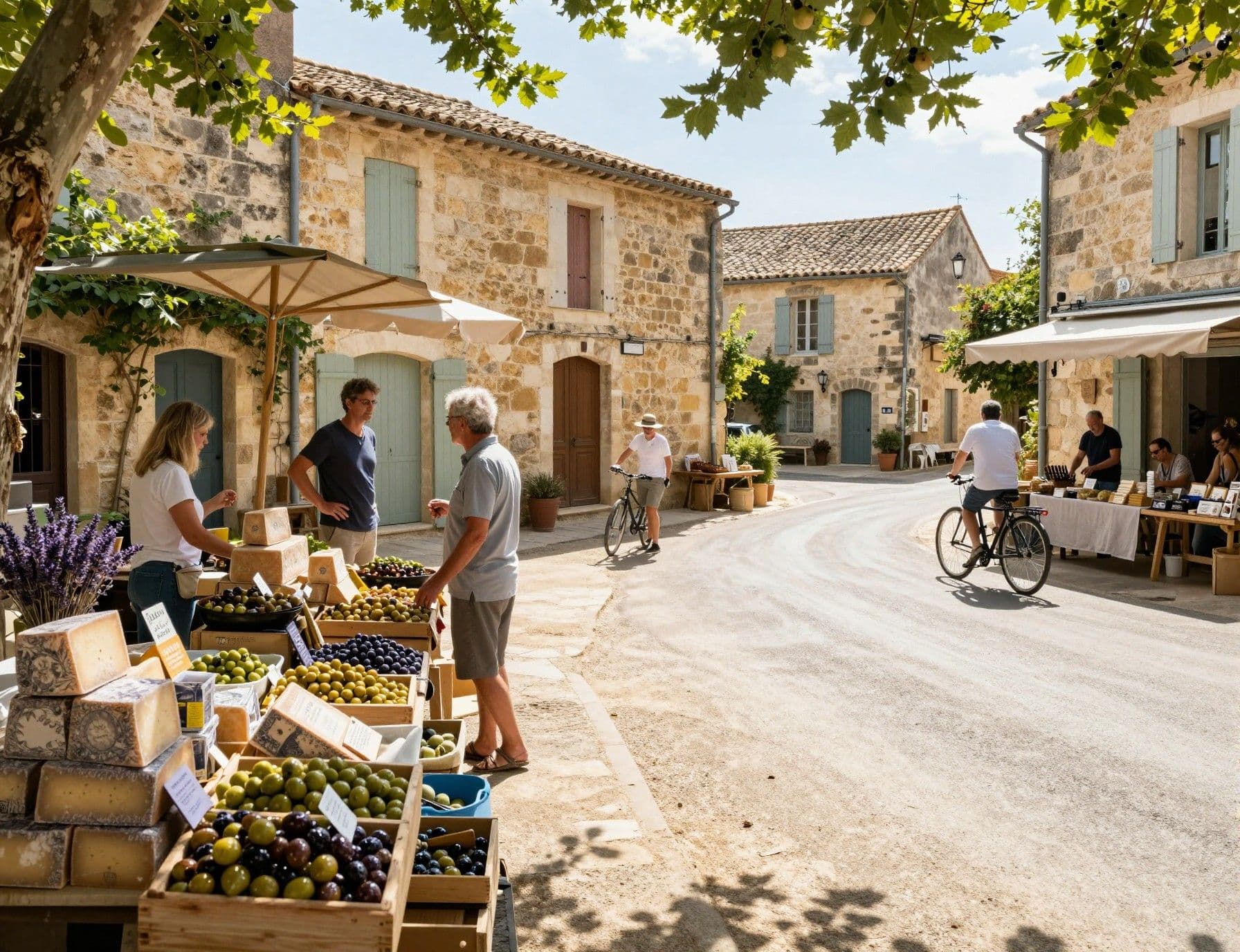
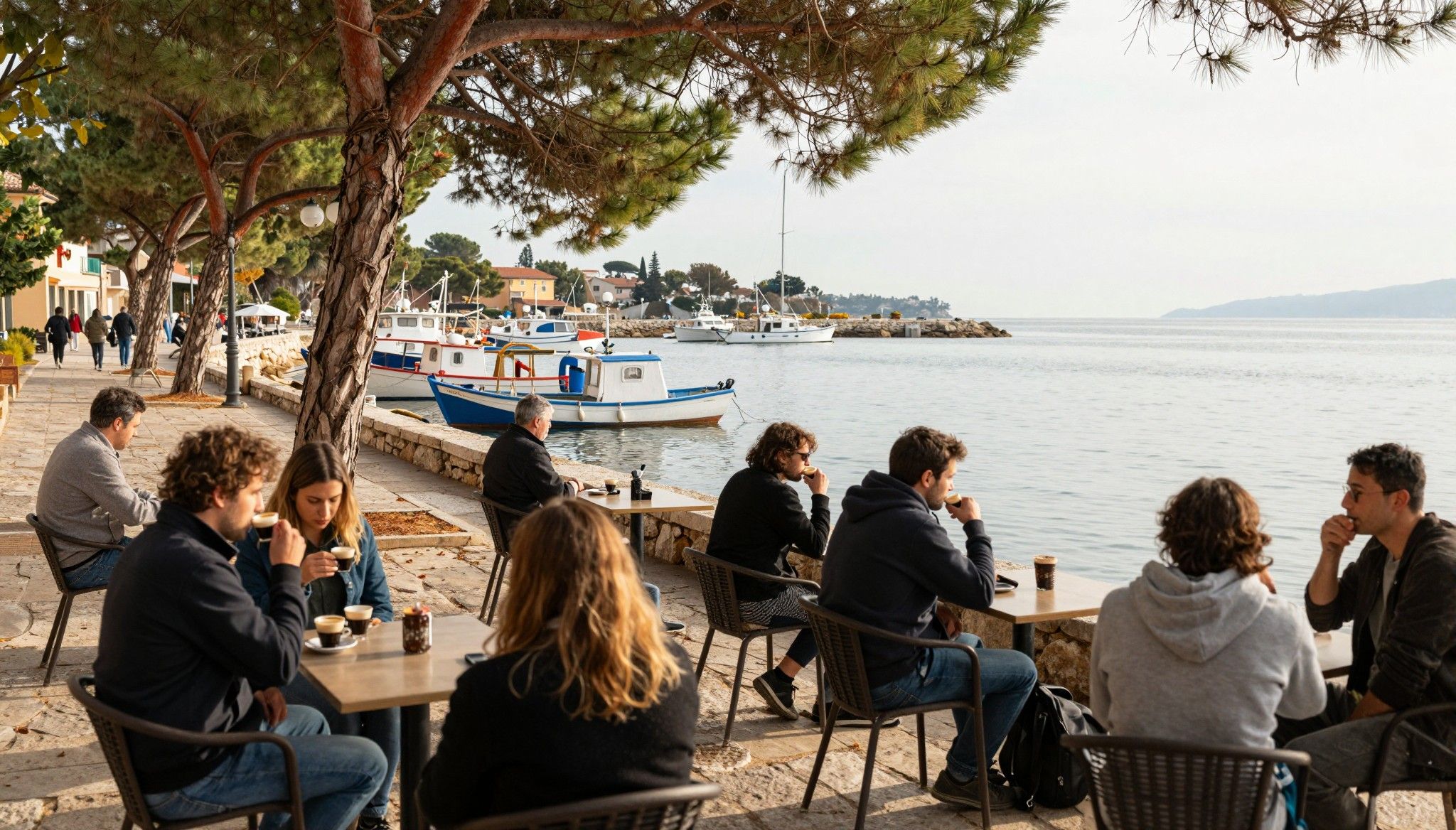
France lives in neighbourhoods as much as regions. In a single week you might sip espresso on Rue Cler in Paris, join a Saturday marché in the Luberon, and swim at Cap Ferret by Sunday. Each place is defined by sound — church bells, market banter, the hiss of espresso — and by the palettes of local produce, from Breton oysters to Provençal tomatoes. When you choose a home here, you’re choosing a tempo: urban mornings, village afternoons, coastal summers and wintry quiet in the mountains. Understanding that tempo helps shape what property you need and which permits will matter later.
Spotlight: The Old Streets That Keep Their Secrets — Le Marais to Saint-Rémy
Walk down Rue des Rosiers in Paris’ Marais and you’ll find tiny patisseries, independent bookshops, and apartments with attic windows where locals grow pots of basil. In Provence, Saint-Rémy’s rue Carnot hums with weekend markets and artisans selling olive oil pressed nearby. These streets reward buyers who cherish a sense of belonging: smaller homes, slower turnover, and communities that enforce preservation rules. That same character often means listed façades, planning constraints and stricter renovation permits — a trade-off that yields unmatched authenticity if you plan for it.
Food, Markets and the House That Grows With the Seasons
Markets are the backbone of daily life in France: Marché Forville in Cannes, Marché des Enfants Rouges in Paris, and the sprawling Sunday marché in Sarlat. Choosing a property near these nodes changes how you live — less storage, more fresh produce, and a garden planned for seasonal yields rather than all-year perfection. For eco-conscious buyers, proximity to producers reduces food miles and encourages low-impact living; for renovators, it shifts priorities toward kitchen gardens, rainwater capture and clever cold storage rather than oversized freezers.
- Market-day lifestyle highlights: Marché des Enfants Rouges (Paris), morning espresso on Rue Cler, oyster stands at Cap Ferret, truffle markets near Périgueux, lavender walks in Valensole, village fêtes in Brittany.
Making the Move: Practical Considerations That Protect the Lifestyle
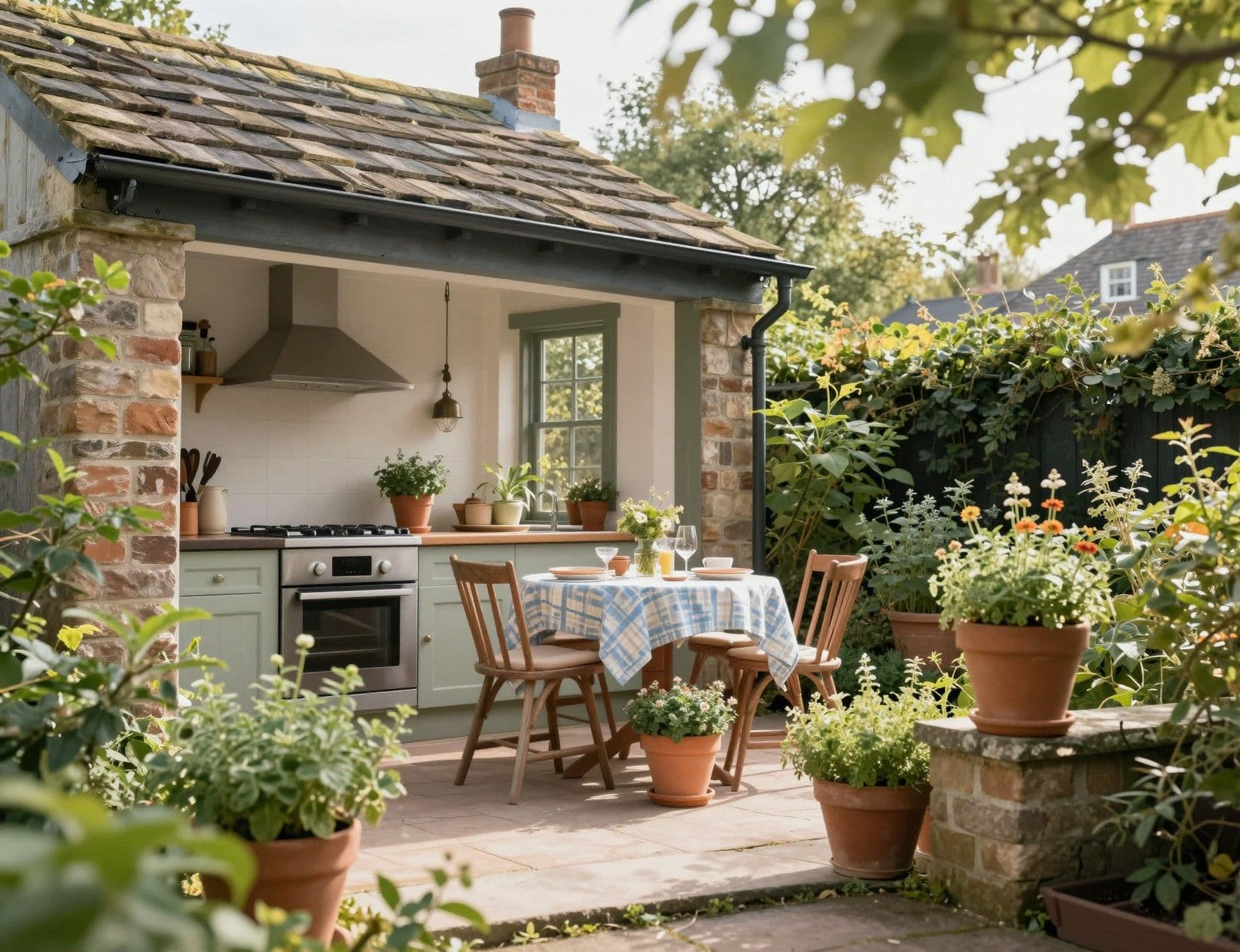
The romance of a Provençal courtyard is best enjoyed when the paperwork is under control. Recent shifts mean transfer duties (part of “frais de notaire”) can vary by department; some areas elected to hold rates, others raised them marginally in 2025. Budgeting for these fees, plus diagnostic reports and local permit costs, is a practical act of stewardship: it keeps the property viable and signals respect for local rules and ecosystems. Below are the specific property and permit checks that save time and money while honoring place.
Property types and what to expect from them
A village mas, a Bordeaux townhouse, and a seaside villa will each dictate different due diligence. Old stone homes often have charming quirks — thick walls, irregular floors, and registered historical protections — and they commonly require a thorough structural survey and permissions if you plan to alter the exterior. New builds may be easier on permits but can carry VAT nuances and guarantees; for instance, off-plan purchases have different notary costs and warranties than resale properties. Match the property type to the life you want and the level of renovation you are ready to steward.
Energy, diagnostics and the new credibility test
Since the DPE (diagnostic de performance énergétique) became central to transactions, its results affect price and renovation urgency. Buyers should demand complete diagnostics: DPE, lead, termites, asbestos, and natural risk reports. Note that authorities have identified reliability issues in some diagnostics and are tightening oversight; insist on experienced, accredited diagnostiqueurs and factor potential retrofit costs into your offer. For ecologically minded buyers, the DPE is a tool — imperfect but actionable — for prioritising insulation, heating upgrades, and renewable investments.
- Step-by-step due diligence you can follow before signing: 1) Obtain the acte de propriété and check servitudes; 2) Commission full diagnostics (DPE, plomb, termites, électricité); 3) Ask the mairie for local PLU/zoning and any upcoming restrictions; 4) Confirm boundaries and access (borne topographique) and check water rights; 5) Review recent works and permits on the title; 6) Budget for transfer duties, notaire fees and any departmental surcharges.
Insider Knowledge: What Expats Wish They'd Known Sooner
Expats tell a common story: falling for a place, then being surprised by a permit, an unexpected servitude, or a DPE that means expensive retrofits. One British buyer I know fell for a Dordogne farmhouse, only to discover a decades-old servitude that limited access in winter; another found charming shutters listed as protected by the commune, which meant lengthy approvals to replace them. These are the lived lessons: always ask the seller for municipal correspondence, request a history of permits, and build time into your move for local approvals.
Cultural notes that affect how you buy and live
French bureaucracy can be patient and particular. The mairie is where neighbourhood futures are decided: new build permissions, tree protections and even rules about exterior paint in historic villages. Learning a few French phrases and forming a respectful relationship with municipal officials will smooth approvals and open doors locally. Equally, embrace local rhythms — markets, fêtes, and communal workdays — as social currency that builds goodwill for any renovation or community project you plan.
Long-term stewardship: beyond the purchase
Buying in France is not just a transaction; it is the start of ecological stewardship. Whether installing solar on a tiled roof, restoring stone with lime mortar, or planting permaculture beds, your decisions shape the local landscape. Consider clauses in the sale contract that protect ecosystems — for example, preserving mature oaks or ensuring wastewater solutions are compatible with local rules. Agencies that understand green retrofits and local ecology become partners in conservation, not merely brokers.
- Red flags to spot during due diligence: 1) Missing recent diagnostics or vague DPE results; 2) Unrecorded works or permits on the title; 3) Servitudes limiting access or construction; 4) Discrepancies between declared and measured surface area (check Loi Carrez); 5) Signs of damp or outdated heating that the DPE highlights.
- How to prioritise retrofit spending after purchase: 1) Insulation and airtightness; 2) Heating system modernisation (heat pump over old oil boilers where feasible); 3) Window upgrades that respect historic character; 4) Rainwater harvesting and native planting to boost biodiversity; 5) Solar or battery systems sized to your usage pattern.
Conclusion: Feel, then check — the two are inseparable. Let the smell of fresh brioche and the hush of a sunset over vineyards guide your choice, and let rigorous due diligence protect that life. Start with local experts: a notaire who explains departmental fees, an accredited diagnostiqueur, and a mairie visit to read the PLU. If sustainability is part of your dream, add an eco-savvy architect early — they save money and nature by designing with place, not against it. Fall in love deliberately, and guard that love with good process.
British expat who traded Manchester for Mallorca in 2017. Specializes in guiding UK buyers to luxury Spanish estates with clear navigation of visas and tax.