Cyprus: Title, Permits & the Sustainable Home Promise
Fall in love with Cyprus’ daily rhythms — then protect that dream. Practical due diligence on title deeds, planning permits and coastal/archaeological rules keeps your sustainable lifestyle secure.
Imagine walking a narrow street in the old quarter of Pafos at dawn, the smell of fresh bread from a kafeneio drifting past limestone houses with bougainvillea tumbling over wrought-iron balconies. In Cyprus life moves by the sun — market mornings, long lunches in tavernas, and wild, wind-sculpted coasts that call you outdoors year-round. That sensory rhythm shapes what you need from a property: shade where the sun is relentless, a cistern or rain‑capture space where water matters, and materials that age well under sea air. This article blends those lived-in moments with the legal and permit realities you’ll meet as an international buyer, so your dream is rooted in safe, sustainable choices.
Living Cyprus: daily rhythms, neighborhoods and quiet luxuries
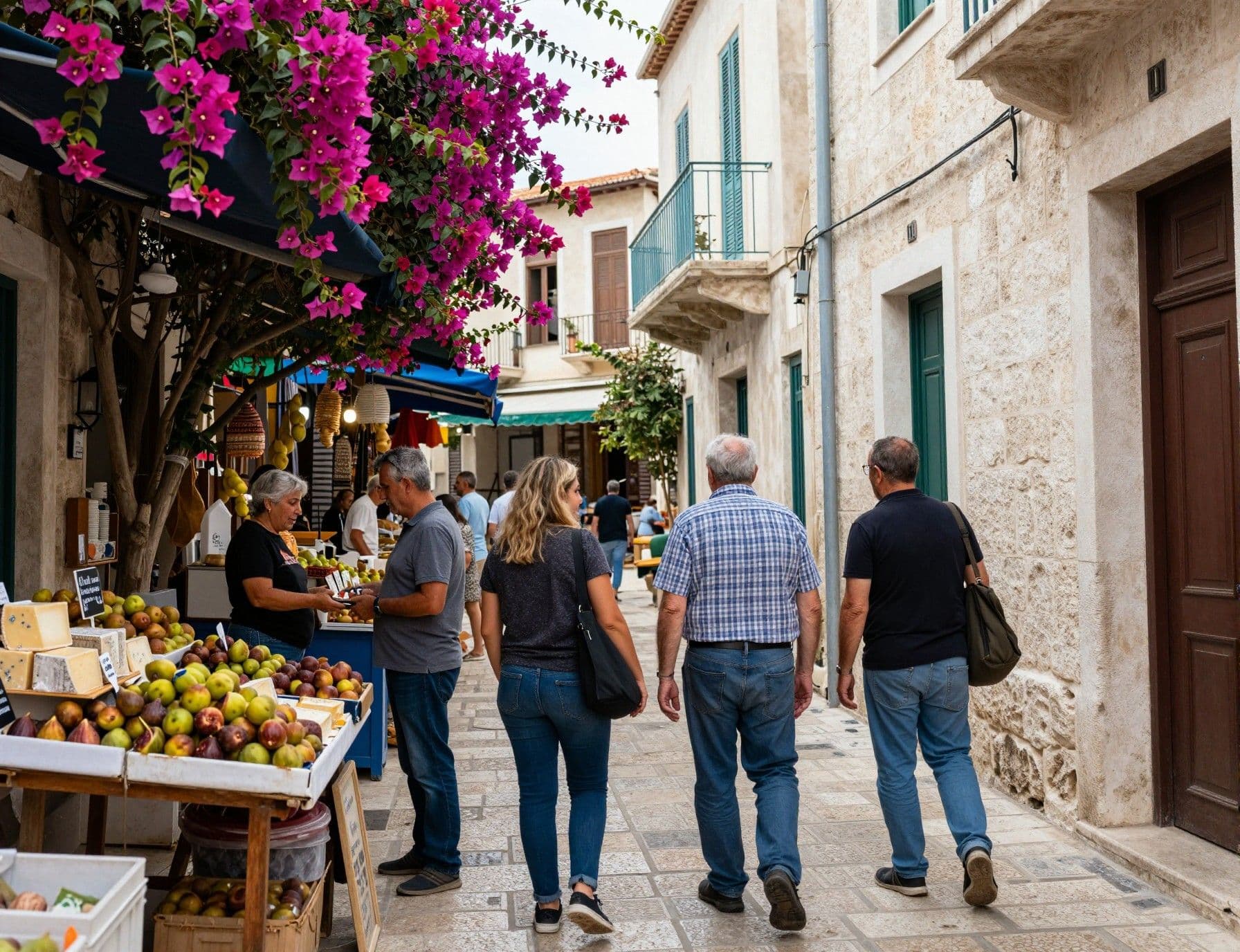
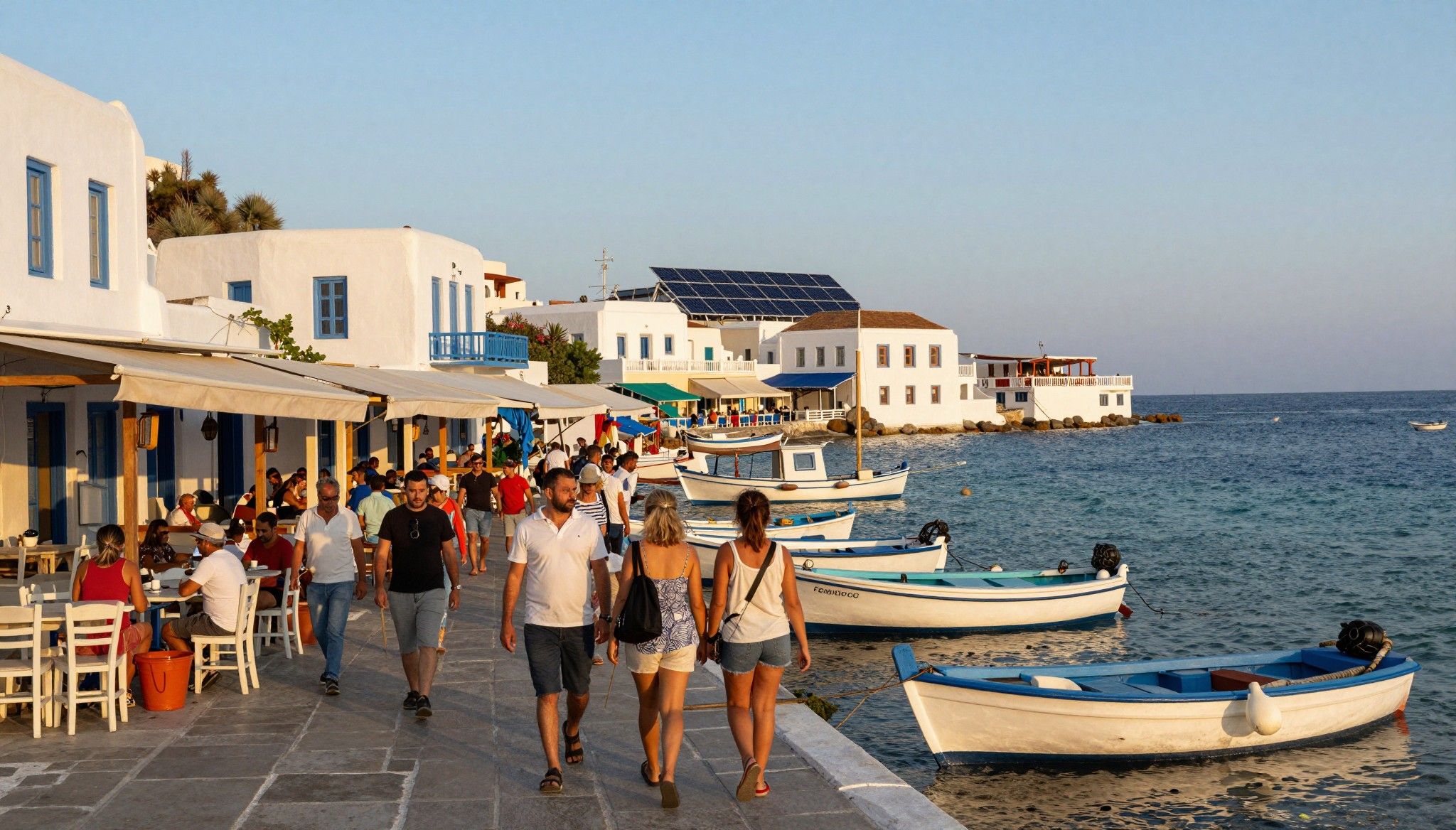
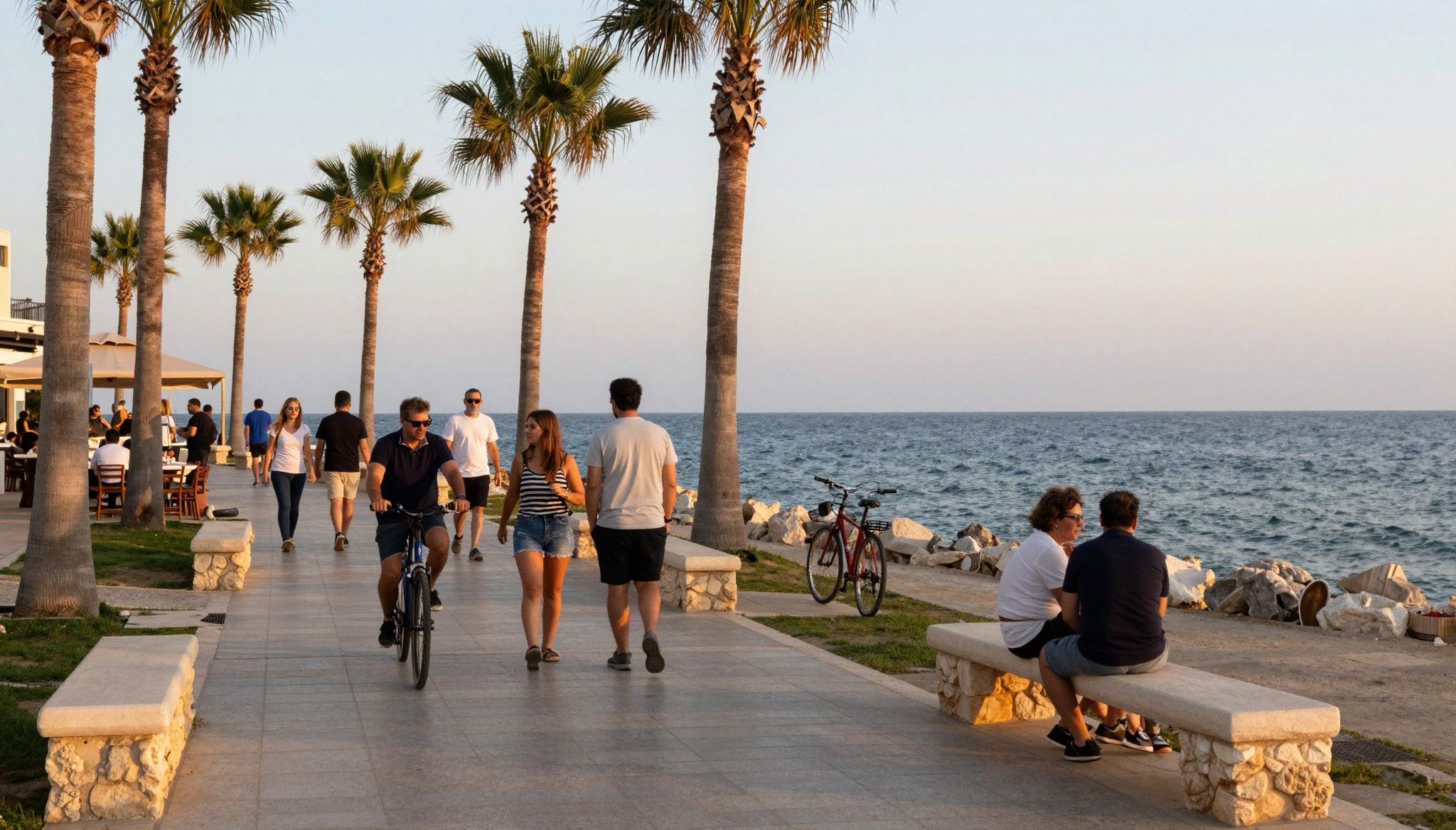
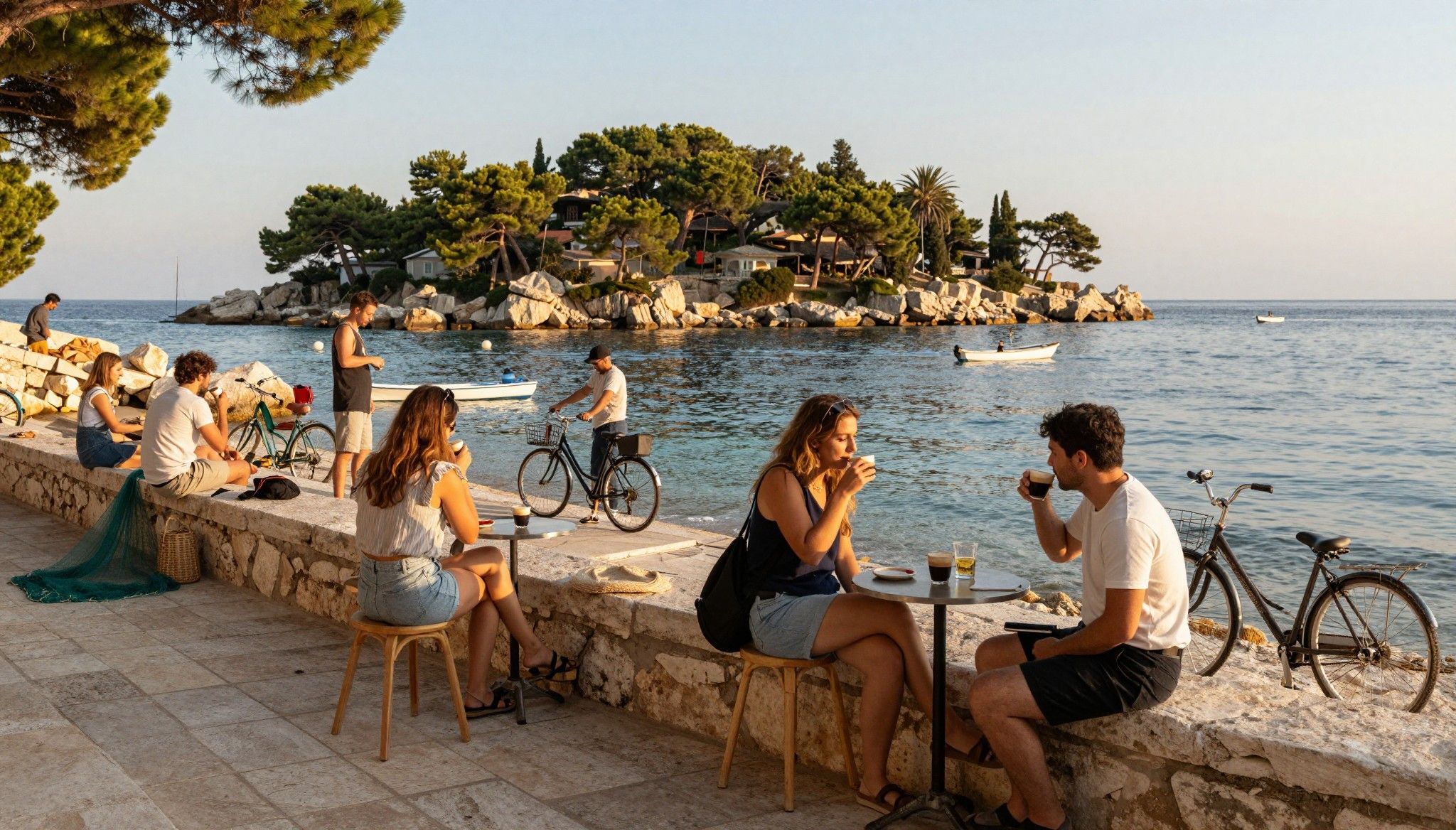
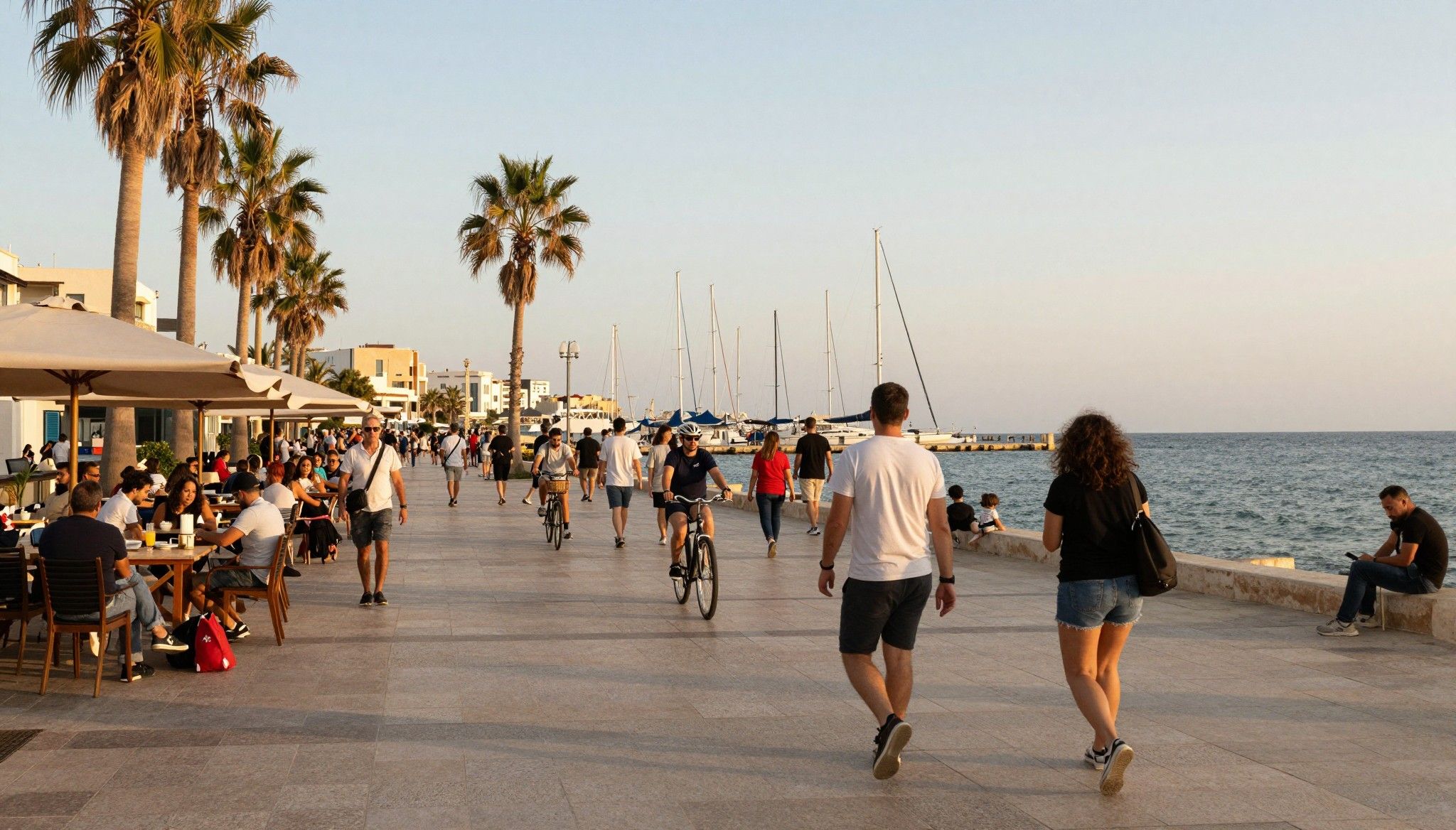
Cyprus is a study in contrasts: the palm-lined promenades of Limassol, the fisherman’s calm of Larnaca marina, and the terraced stone villages of the Troodos mountains. Days begin with strong espresso and halloumi on toasted bread, and they end with friends sharing mezze under a pergola as the sea cools the air. For an eco-minded buyer, neighbourhood choice is as much about microclimate and community resources — tree canopy, local markets, proximity to a cooperative farm or recycling points — as it is about square footage. The island’s small size makes it easy to sample multiple rhythms in a single week: beach on Monday, vineyard walk on Saturday.
Paphos charm, Limassol energy, Troodos refuge
Paphos retains slow mornings and a strong expat community clustered around Kato Paphos and the old town, with narrow lanes, bakeries and coastal paths that make walking a daily pleasure. Limassol hums — seafront promenades, marinas and newer sustainable developments that appeal to buyers wanting convenience and cosmopolitan life close to international schools. Higher inland, villages like Omodos or Platres offer cool summers, stone houses and local winemakers; these are places where traditional building methods blend naturally with passive cooling and thick stone walls. Each area offers a distinct lifestyle and different permit realities: coastal plots often face stricter setbacks and conservation rules; mountain renovations may trigger archaeological checks.
Food, ritual and seasons: how lifestyle shapes property choices
Weekends here are market-driven: fresh fish in Larnaca’s market, citrus and wild greens at small village stalls, and harvest festivals where neighbours trade baskets of figs. These rituals make outdoor kitchens, shaded courtyards and storage for seasonal preserves practical priorities in a home. If you plan to embrace farm‑to‑table life, look for properties with south-facing terraces for winter sun, sheltered courtyards for olive trees, and enough land for a small orchard or vegetable plot. These lifestyle choices influence the permits you'll need — agricultural land use versus residential zoning changes the paperwork and timelines.
- Morning coffee on the Limassol promenade; coastal walks along Lady’s Mile beach; Saturday markets in Agios Georgios; small winery tours in Pitsilia; stone courtyards and pergolas in Omodos; sea-breeze terraces in Larnaca.
Making the move: permits, titles and the practical map
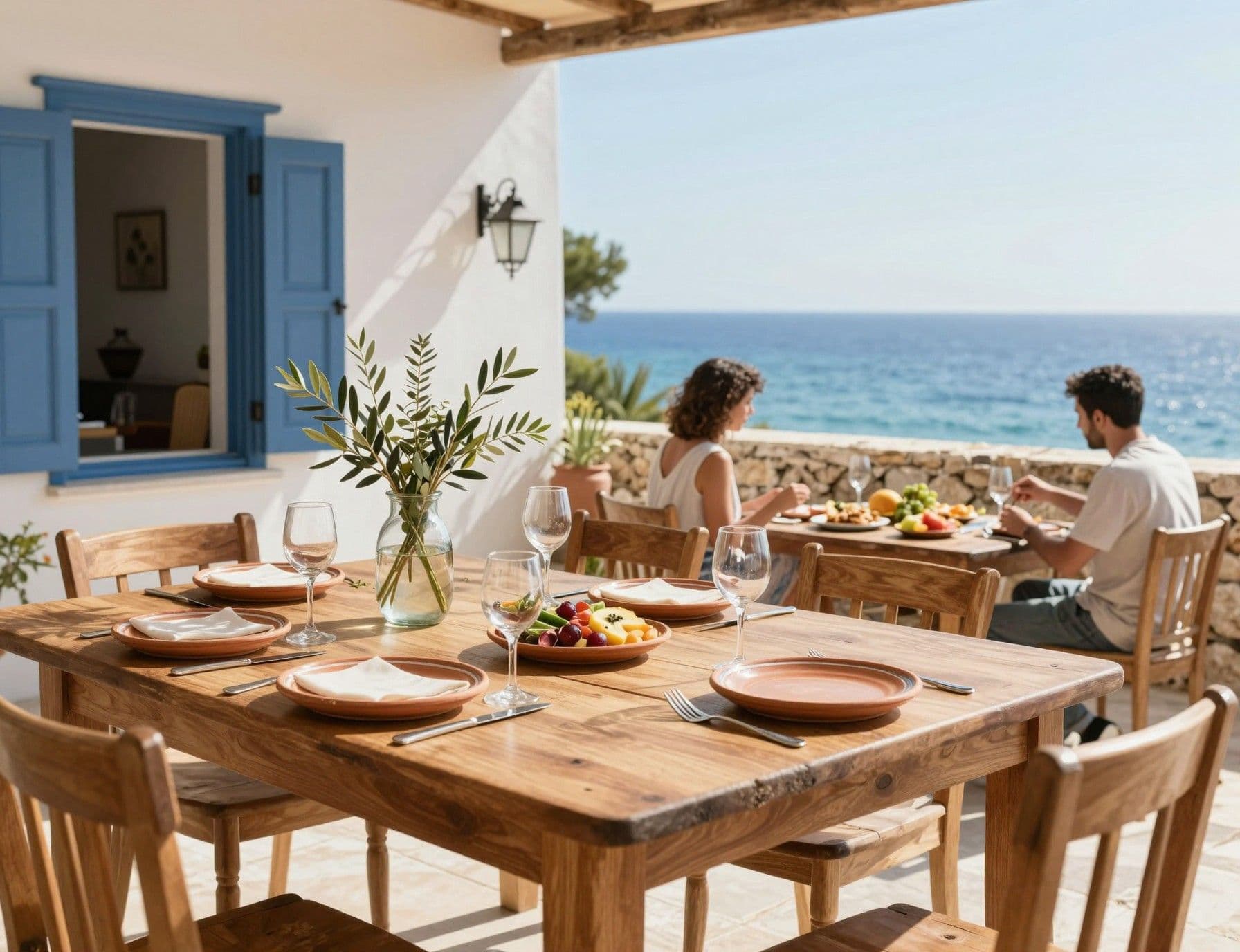
The romance of a stone house must meet three practical realities: a registered title deed, the building and planning permits that match what stands on the land, and any special restrictions related to protected zones or archaeology. The Department of Lands and Surveys lays out the essentials: a buyer should always confirm registered title and check whether the property is fully recorded. For many international buyers this is non-negotiable — a clear title speeds mortgage approval and provides legal certainty, while missing deeds or unresolved registry matters are common red flags in Cyprus.
Title deeds, assignments and off-plan caveats
A surprisingly common issue is properties sold by assignment where the original deed was never registered. Buying an off-plan home can be wonderful, but insist on seeing the original developer’s approvals and the plot’s registry status. If a seller cannot produce a registered title, work with your lawyer to agree conditional clauses, escrowed payments and a timeline for registration — and understand the risk premiums involved. Mortgage lenders in Cyprus typically require clear title before lending, so unresolved deeds can block financing and lengthen closing.
Planning traps: coastal setbacks, forestry, and archaeology
Coastal plots often carry additional setbacks and environmental controls; certain shorelines and Natura 2000 areas restrict development or demand special permits. Interior renovations in older villages may trigger routine archaeological surveys, which are non-negotiable and can pause works for months if finds occur. If a property advertises seafront access or sits near preserved woodlands, budget time and money for environmental assessments and consult local planning offices early. This early diligence protects both the landscape you fell in love with and your purchase timeline.
- Engage a local lawyer to check the title registry and draft purchase contracts; commission a surveyor and building inspection to confirm what was actually built versus permitted; verify zoning and any Natura 2000 or coastal restrictions with the district planning authority; include conditional clauses for registration of title and clear milestones for handover; plan for archaeological checks if the property is older or near known sites.
Insider knowledge: expat lessons, red flags and sustainable wins
Long‑term residents tell the same practical truth: the best buys are often a little off the glossy postcard route. Market reports from local experts show strong foreign demand concentrated in Limassol, Paphos and Larnaca, which can push prices and encourage speculative development. That means attractive, affordable gems may be found on the edges — older coastal suburbs, or villages a short drive from popular marinas — but only after careful permit and title verification. Know the market pressure points and you can find a house where community and sustainability still lead the design.
Cultural cues and community integration
Learning a little Greek, attending a local festival and buying from the market will open doors faster than any ad. Neighbours expect courtesy — say hello, keep evening noise reasonable and respect shared water and land practices — and these small cultural courtesies affect how quickly you feel at home. For buyers aiming to be good environmental stewards, working with local craftsmen who understand traditional stonework and passive cooling both preserves heritage and reduces embodied carbon. These choices deepen your connection to place and often simplify permitting because they align with local planning values.
Red flag: listings for properties in the north or disputed areas
A cautionary example: properties advertised in the Turkish‑controlled north sometimes involve ownership disputes and legal exposure, as recent reporting has shown. If a listing seems unusually cheap or the seller pressures for an off‑registry assignment, pause and verify with your lawyer and the Department of Lands and Surveys. Good agents will flag these issues and walk you through safe alternatives; if an agent downplays registry concerns, consider it a serious warning sign.
- Tip: insist on seeing the original title deed and planning permits; ask for proof of paid utilities and any outstanding council charges; confirm coastal setbacks and Natura 2000 proximity; require escrowed payments and conditional contract terms; use local architects to translate eco-features into permit-ready plans.
Buying in Cyprus is a sensorial and practical journey. The island offers luminous mornings, convivial neighbourhoods and the chance to weave sustainability into daily life through traditional materials and mindful land use. Pair your lifestyle vision — whether it’s a vine-draped courtyard in Omodos or a breezy Limassol apartment — with rigorous local due diligence: clear title, verified permits, environmental checks and a lawyer who speaks both legalese and the language of place. When lifestyle and legal certainty align, your Cyprus home becomes not just an investment but a stewardship: a small, beautiful piece of Mediterranean life to nurture.
British expat who traded Manchester for Mallorca in 2017. Specializes in guiding UK buyers to luxury Spanish estates with clear navigation of visas and tax.