Cyprus: Sunlit Life, Title Checks and Permit Pitfalls
Fall in love with Cyprus’ sunlit markets and sea‑facing verandas while mastering island‑specific due diligence—title checks, permits, disputed‑land risks and sustainability priorities.
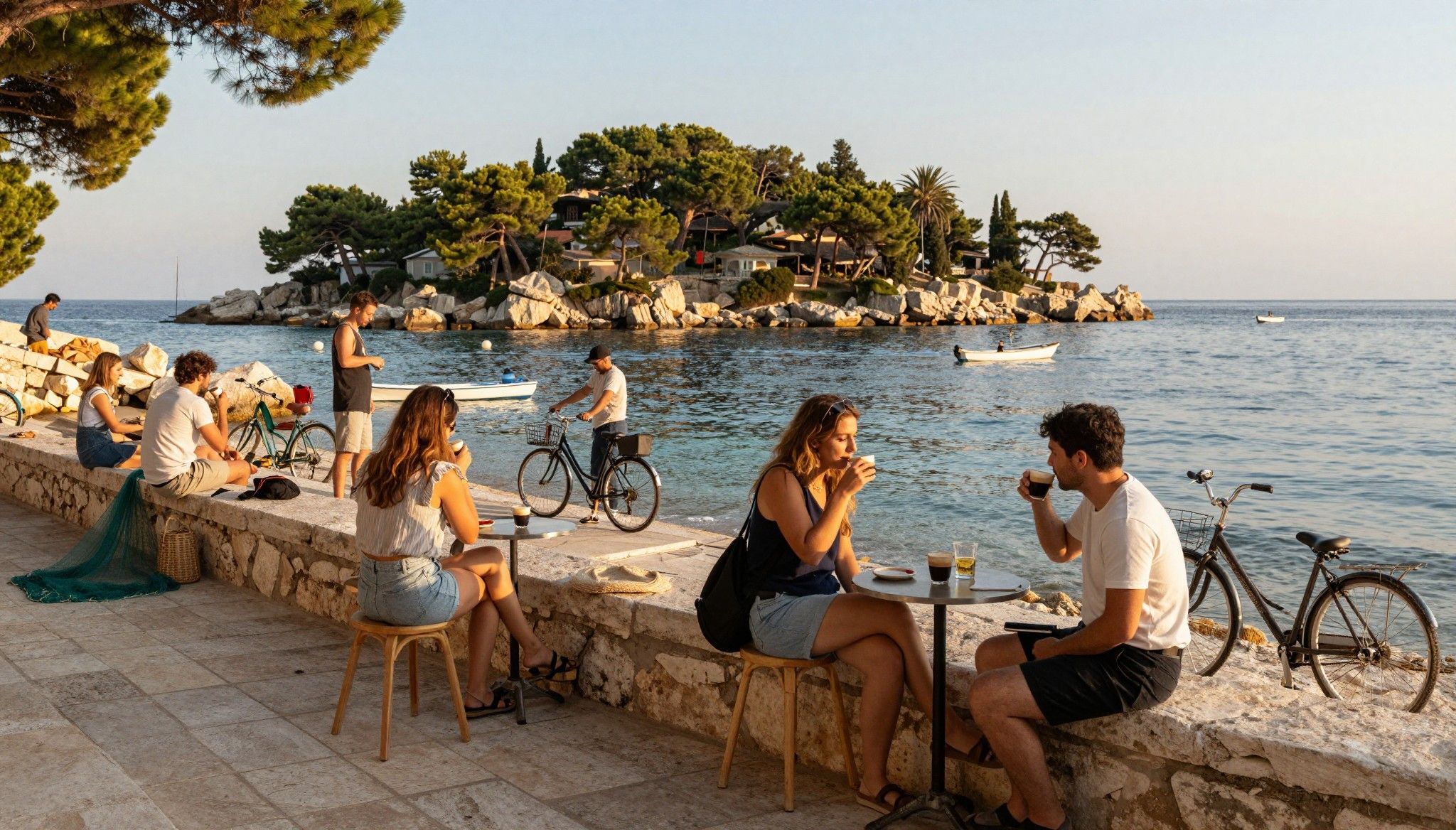
Imagine waking to the smell of roasting coffee on Ledra Street, then slipping down to a pebble cove outside Limassol as fishermen haul the morning catch. Cyprus moves at a human pace—golden light, small‑town markets, Byzantine churches tucked between pine slopes—yet its real‑estate rules are knotty in ways that surprise even seasoned buyers. This guide mixes warm, lived‑in scenes with targeted due‑diligence you can act on today.
Living the Cyprus life: sunlight, village squares and coastal coffee
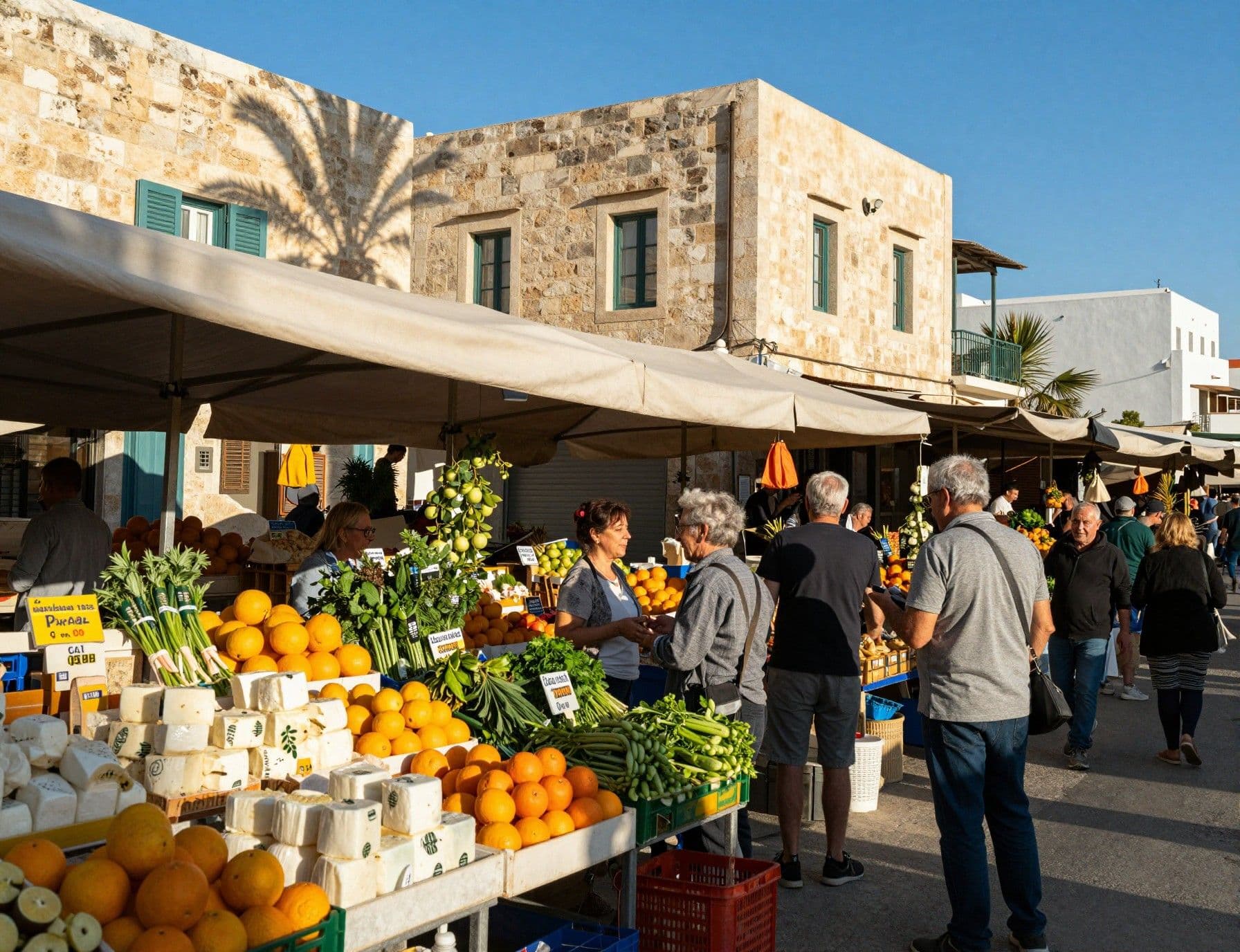
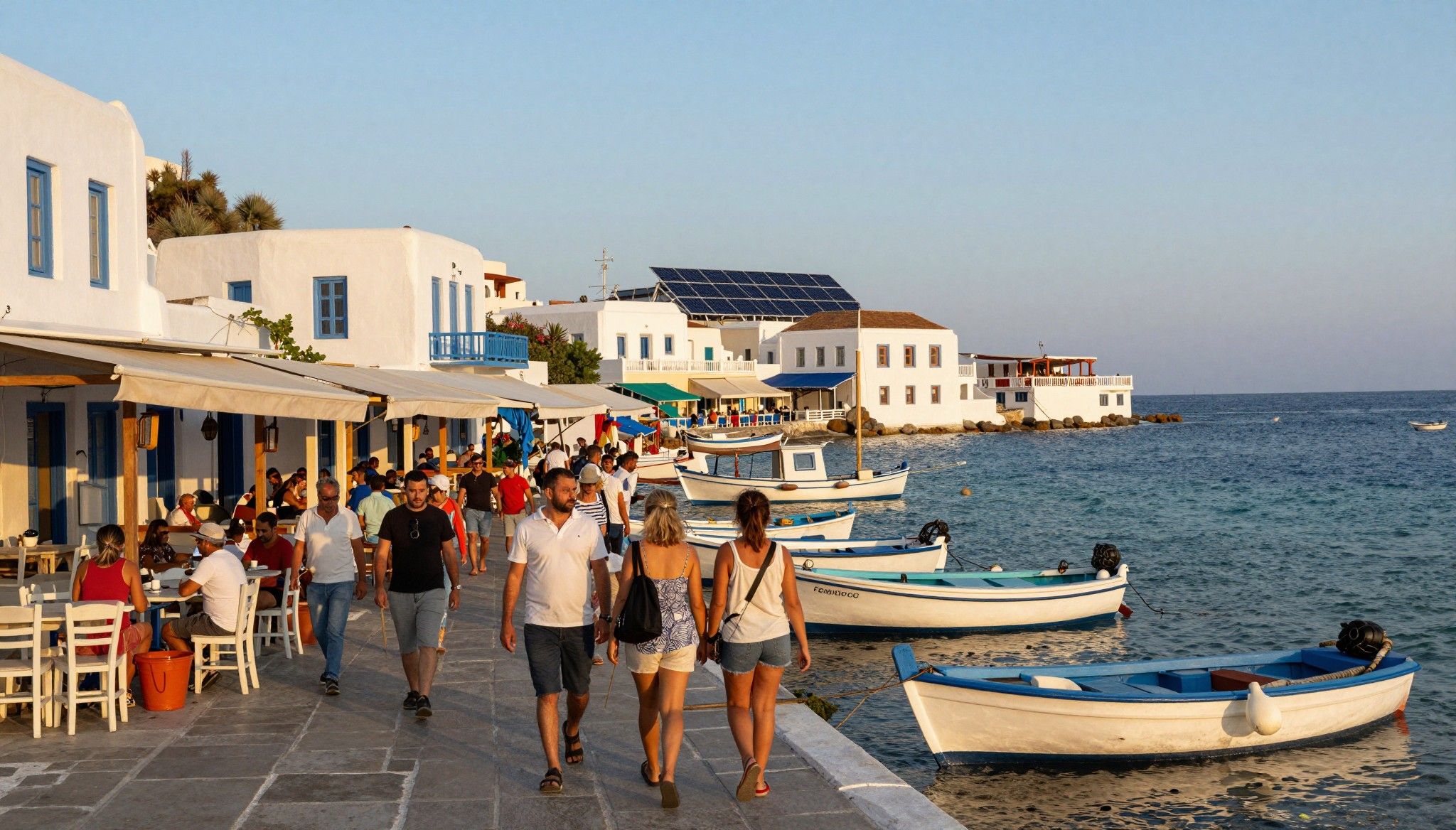
Cyprus is a study in contrasts: ancient olive groves and glassy marinas, sleepy mountain villages and buzzy coastal promenades. Picture Sunday mornings in Paphos market, the sweetness of fresh halloumi on a stall, and neighbors lingering over slow espresso. The island’s rhythm — late dinners, siestas in heat, vigorous outdoor weekends — shapes what kind of home will feel right, from a shaded courtyard in Omodos to a verandaed flat in Nicosia’s old quarter.
Neighborhood vignette: Limassol promenade vs. Larnaca’s salt lake edge
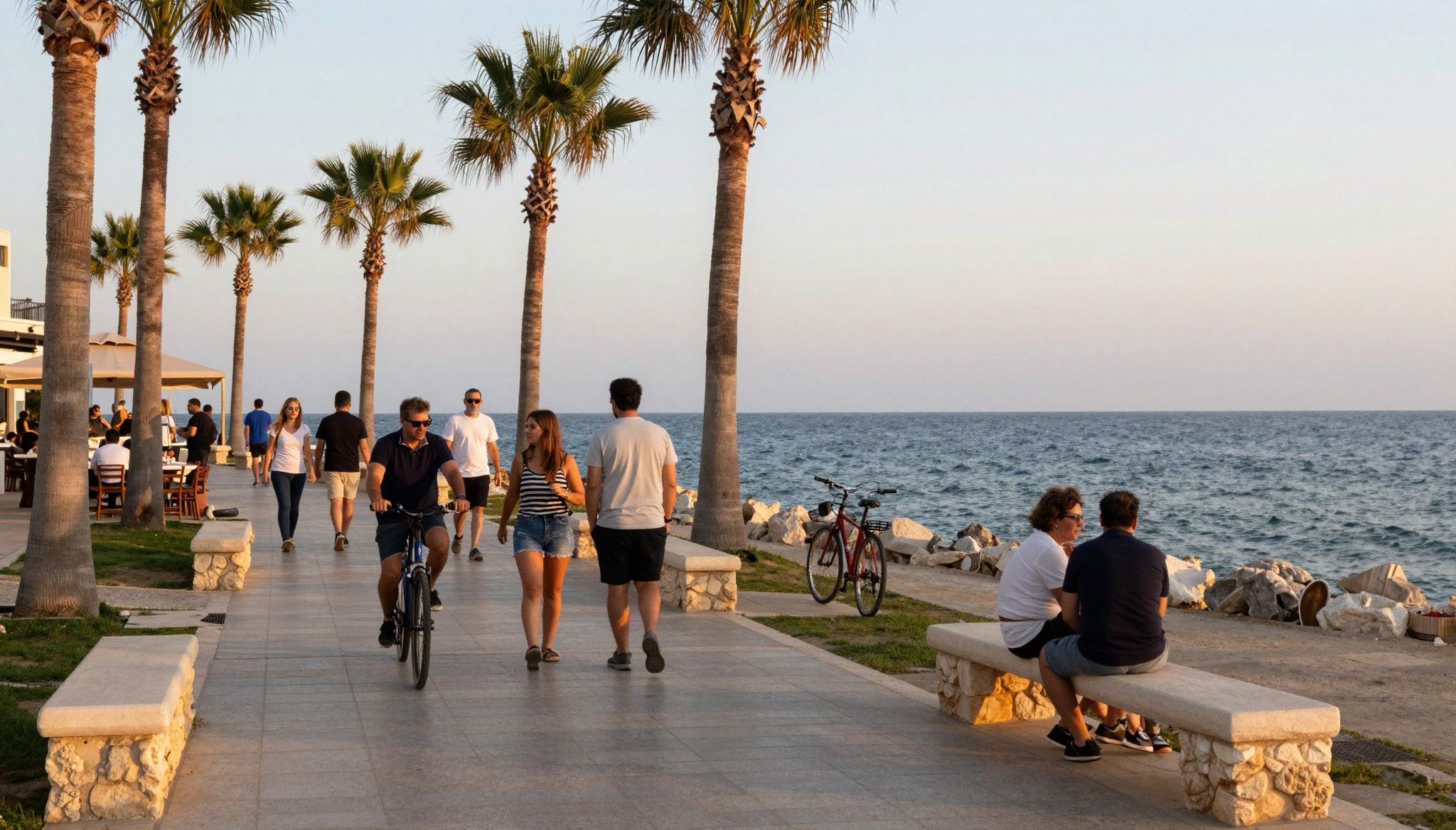
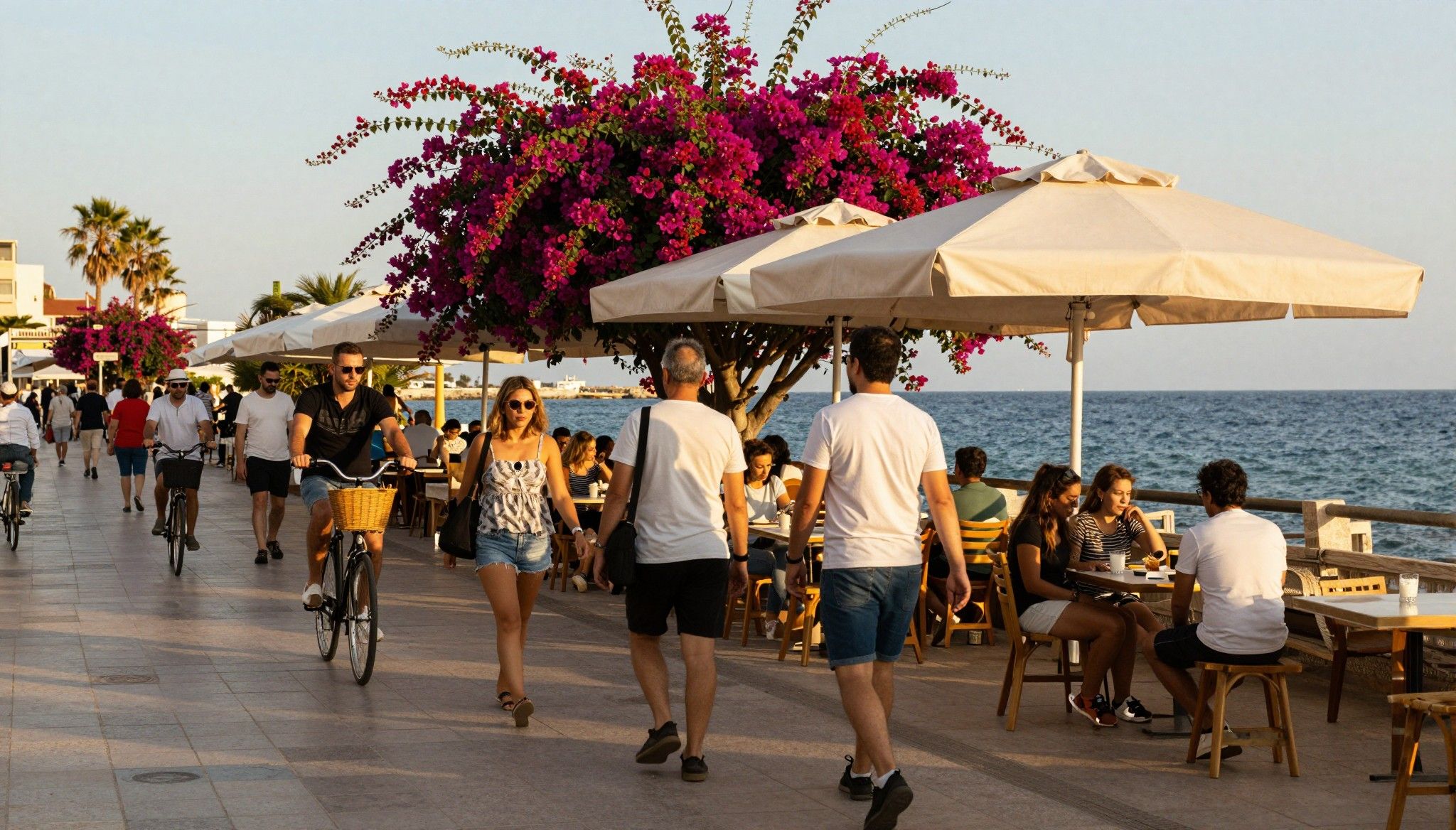
Limassol hums with cafés, yacht clubs and international schools; its coastline is where many expats land. Walk the Molos in the evening and you’ll see families, cyclists and open‑air concerts. Shift east to Larnaca and life slows: palms and a salt lake that hosts flamingos in winter, plus fishermen’s tavernas on Skala. Each town carries a different daily soundtrack and practical implications for property—connectivity, rental demand, and maintenance needs vary by shore and soil.
Food, market life and the small rituals that matter
When buyers tell us they fell in love with Cyprus, it’s often over a plate of mezze at a taverna in Peyia or a morning market visit in Polis. Seasonal living is real here: spring asparagus foraging on the Akamas, lobster season along Paphos’s coast, and almond blossom festivals in Troodos. These rhythms inform what features matter in a property—outdoor kitchens, cool shaded terraces, or a small plot for citrus trees.
Making the move: practical considerations with a sustainability lens

The dream of a stone house with bougainvillea meets a legal reality: Cyprus regulates foreign purchases through the Acquisition of Immovable Property (Aliens) Law, and permissions differ for EU and non‑EU buyers. Before you fall in love with a plot, check permits, title status and whether the land sits in contested northern areas—mistakes here can be costly and sometimes criminally fraught. Start with official guidance and a local lawyer you trust.
Property types and what they mean for life and due diligence
A coastal apartment, a village house, and a rural plot are not interchangeable. Seaside flats require checks on coastal setback rules and erosion; village houses may lack clear title if records pre‑1974 are uneven; and buying land for building demands planning consent and permits. The Acquisition of Immovable Property (Aliens) Law clarifies limits for non‑nationals—know the cap on plots and the requirement for Council permission before exchange.
Working with local experts who speak both law and lifestyle
1. Choose a Cyprus solicitor who will search title, confirm restrictions, and file the Acquisition application when needed. 2. Hire an architect or planning consultant early if you plan to renovate or build — planning zones and protected landscapes limit interventions. 3. Use a surveyor to confirm boundaries and check for soil, flood or erosion risks, especially on coastal plots. 4. Find an agency with sustainability experience to surface homes with solar, rainwater systems or low‑impact landscaping.
Insider knowledge: red flags, local quirks and what expats wish they'd known
Some red flags are obvious—missing title deeds, opaque chain of ownership—but others are island‑specific: properties advertised in the north of the island can involve disputed title issues and legal risk; developers selling before full planning or title completion have a checkered history; and advertised “plots with sea view” sometimes hide building restrictions. Recent prosecutions show the state prosecutes illegal developments, so insist on verifiable title and official records.
Cultural details that change how you live (and what you buy)
Cypriot life values neighbourliness and outdoor living. Expect homes with generous balconies and covered verandas; energy‑wise, passive cooling and cross‑ventilation matter as much as a heat pump. Language is friendly: English is widely spoken in business and real‑estate, but learning Greek opens doors. Small customs—late shop hours, lengthy coffee rituals—make communal spaces valuable; a house that encourages outdoor gatherings will be treasured.
Practical red flags and smart checks • No registered title or deeds in Land Registry • Property listed for sale in the north without settlement‑proof title • Planning consent missing for structural changes or pools • Evidence of unauthorised works or recent, unexplained sub‑divisions • Vague developer timelines on completion and handover
Market context matters: prices have been rising across Cyprus, particularly in coastal and well‑connected towns, pushing buyers to balance lifestyle desire with financial realism. Check Central Bank or local market reports for recent house‑price indices and ask for comparable sales from your agent. If sustainability is part of your brief, prioritise properties with existing solar PV, cisterns for rainwater, and mature, low‑water landscaping—these reduce running costs and preserve the island’s fragile ecosystems.
Step‑by‑step due diligence checklist (practical and people‑focused)
1. Confirm title at Land Registry and obtain certified copies. 2. Check for Acquisition permission requirements (non‑EU buyers) and submit through District Administration if needed. See Ministry of Interior guidance. 3. Commission a full building survey and planning search; check for conservation zones. 4. Validate utility connections, sewage consent and road access; seasonality can affect water supply in rural areas. 5. Negotiate conditional reservation agreements that allow finance, survey and permit checks before full exchange. 6. Use escrow and insist on staged payments tied to milestones for off‑plan purchases.
A final, practical note: Cyprus rewards those who slow down. Fall for a place over a long weekend, but verify titles, ask for planning history, and meet the neighbours. An agent who speaks to municipal planners, a lawyer who reads the Land Registry and an architect who understands local microclimate will protect the lifestyle you imagine. When in doubt, pause—Cyprus has time; transactions that respect the island’s rhythms most often become long, joyful homes.
If you’re ready to move from dreaming to doing, start with three practical steps: request certified title copies, commission a local surveyor, and shortlist agents with proven sustainability projects. Those small, early choices keep your future home aligned with the island’s light, soil and community—so your Cyprus life is as true as the first morning coffee on a sunlit terrace.
Danish relocation specialist who moved from Copenhagen to the Algarve; supports families with seamless transitions, local partnerships, and mindful purchases.