Fall in Love — Then Verify: Cyprus Due Diligence
Fall in love with Cyprus’ rhythms — then protect that life with permit checks, clear title deposit and sustainability-minded due diligence backed by local experts.
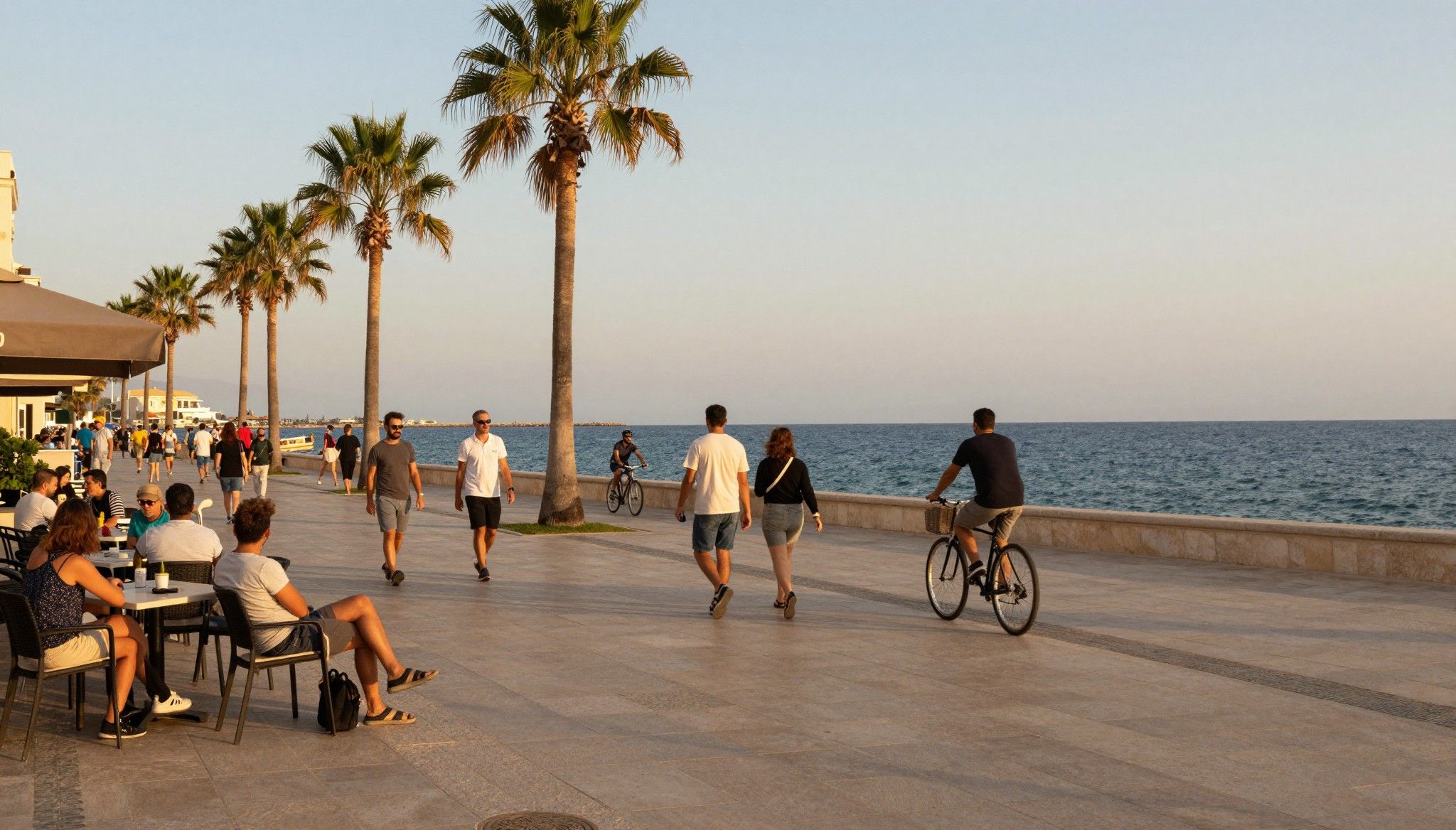
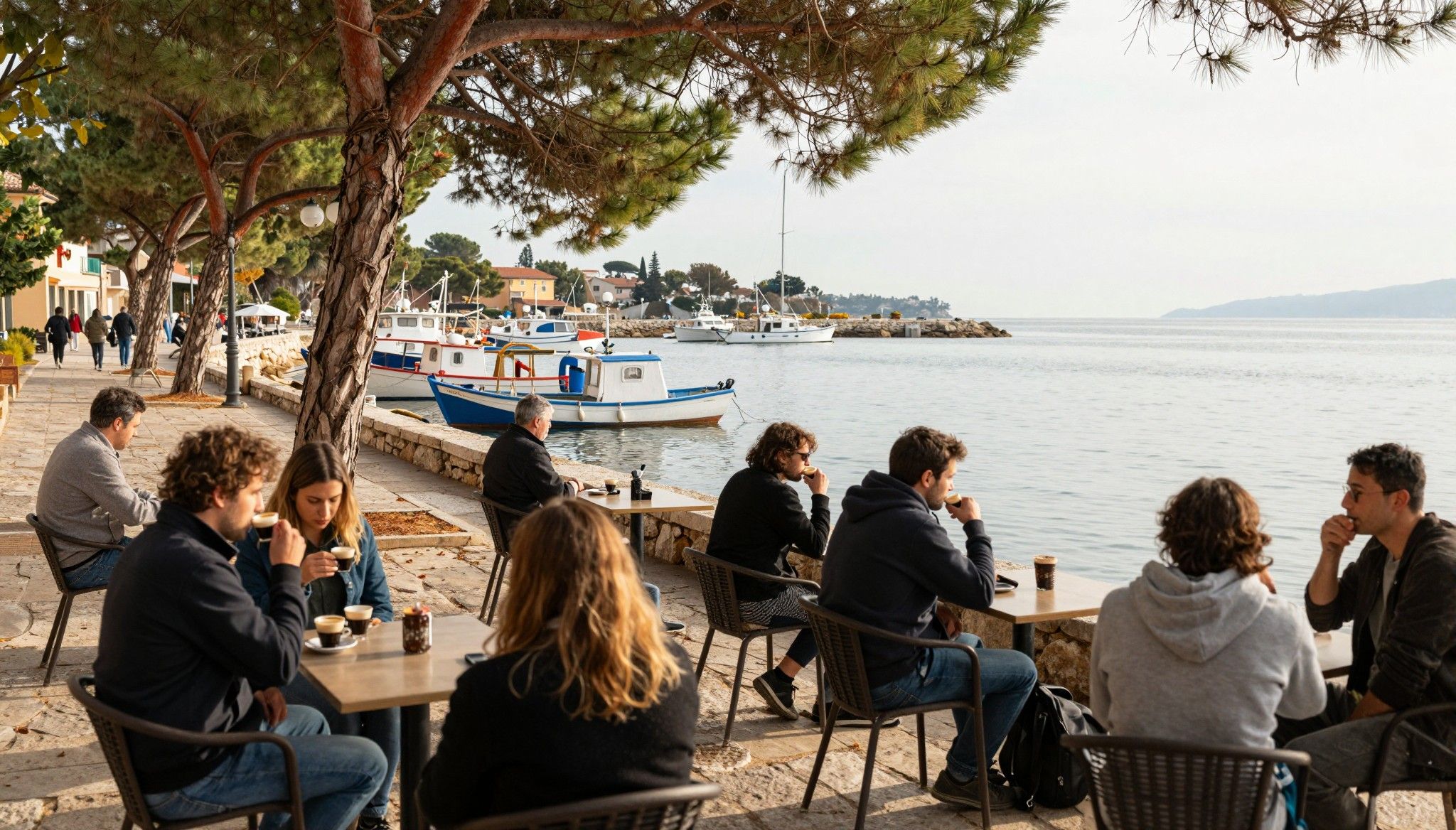
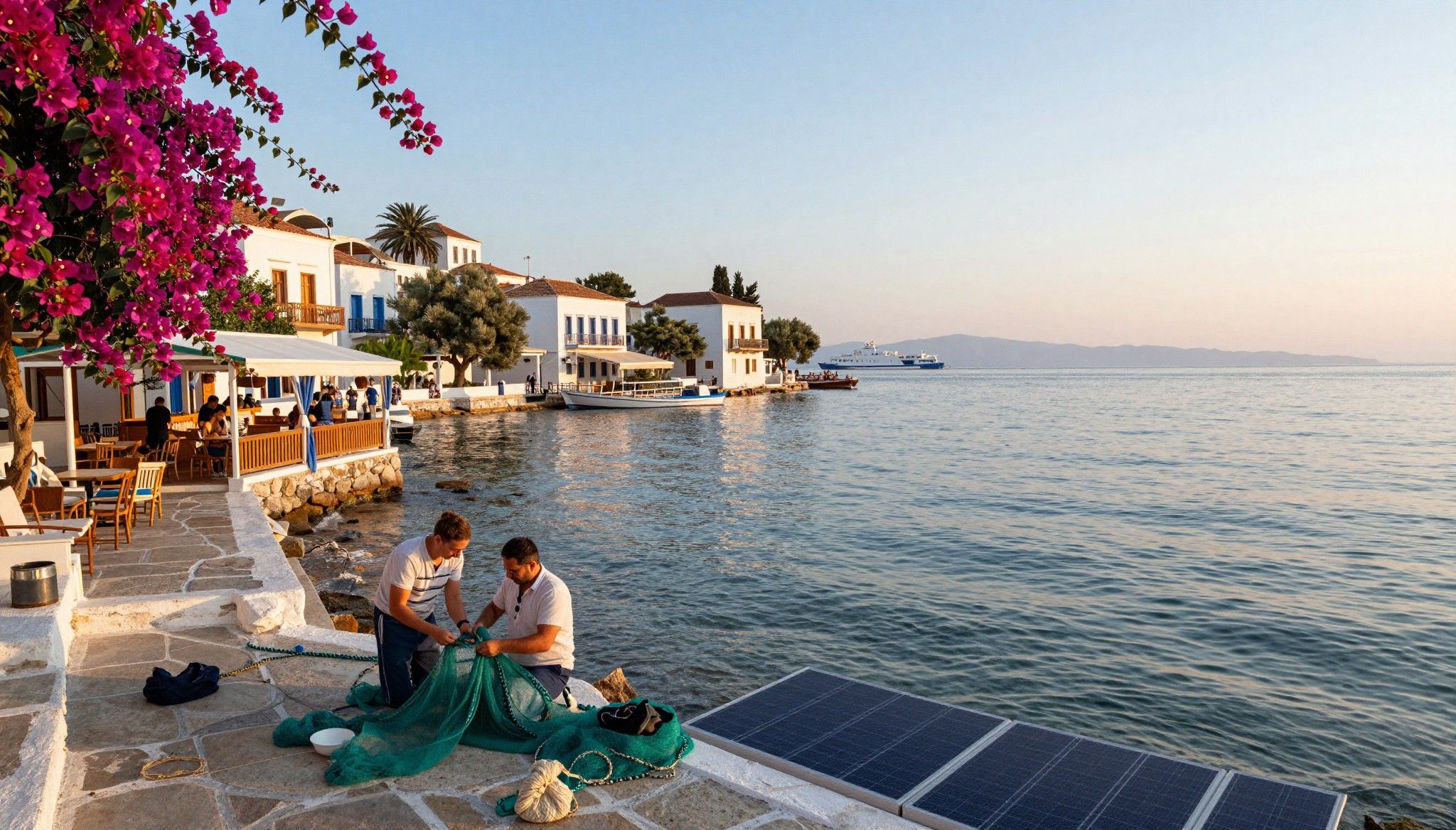
Imagine waking to the smell of citrus trees and sea salt, then walking five minutes to a sunlit café on an old stone lane in Limassol. Cyprus moves at a gentle rhythm: mornings at the market, afternoons by the sea, evenings spent with friends over mezze and local wine. For many international buyers that first, sensory week is when the island stops being a postcard and becomes a possible life. But that romance needs ballast — practical due diligence, local permits, and an eye for sustainable choices that keep your home part of Cyprus's landscape for decades.
Living the Cyprus life: more than sea and sun
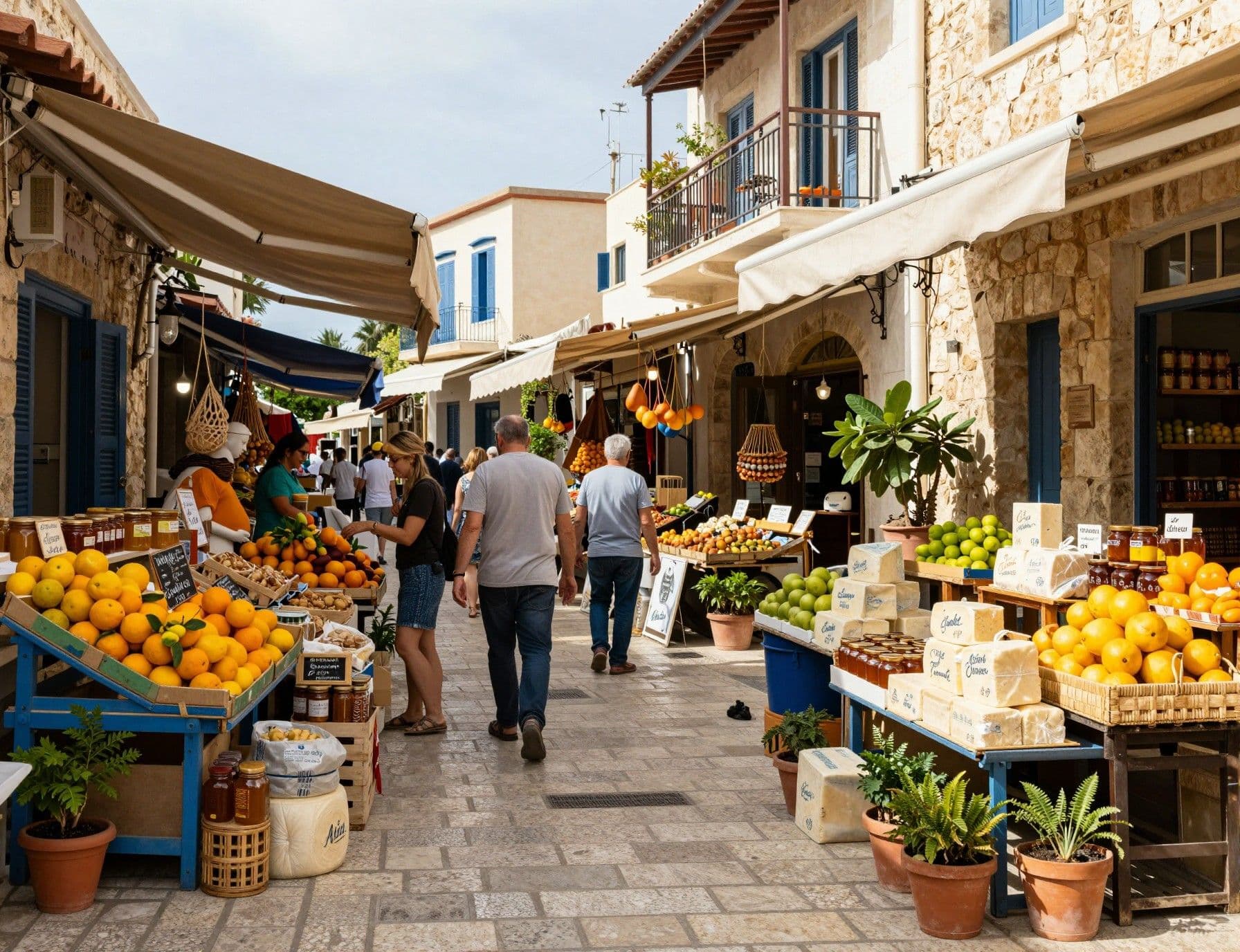
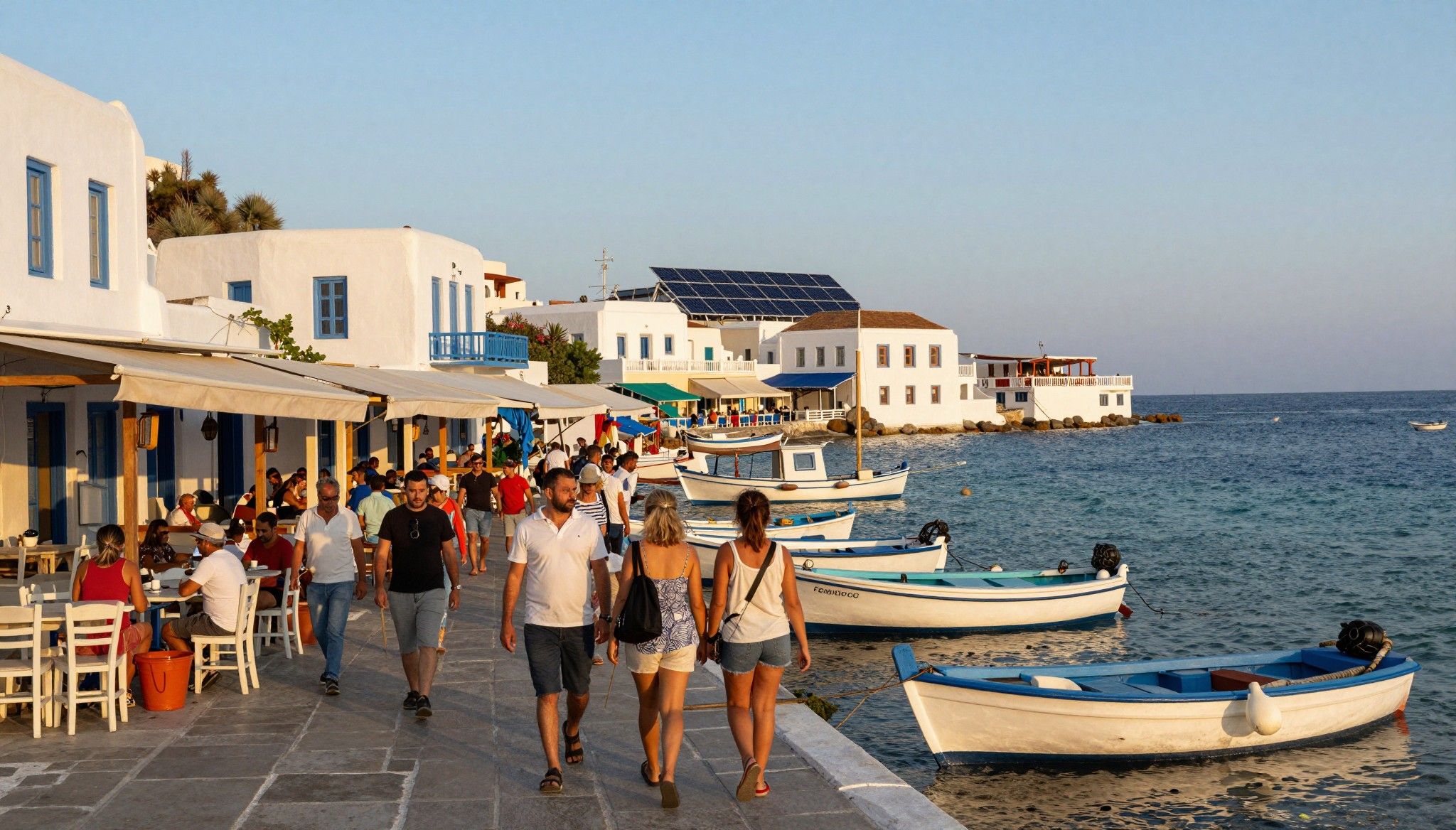
Cyprus is a place where mornings begin with espresso and halloumi sizzling on griddles, where coastal promenades meet olive groves and mountain villages. Each town has its own cadence: Paphos hums with archaeology and a slow café culture, Limassol mixes yacht marinas with leafy neighborhoods like Germasogeia, and the Troodos villages offer stone houses, streams and cool afternoons in summer. As you picture life here, think beyond views — picture the sound of the local bakery at 7am, the weekly market at Ledra or Nicosia’s secluded courtyards, and the community rhythms that shape everyday comfort.
Neighborhoods that feel like home
Germasogeia and Agios Tychonas in Limassol offer tree-lined streets, small grocers and a mix of modern apartments and renovated stone homes that suit a walking lifestyle. In Paphos, Kato Paphos’s old harbour and residential pockets near Kouklia attract those who prize coastal mornings, while Tala’s hilltop lanes give a quieter, village rhythm. Nicosia’s old town gives you courtyard life and narrow streets for the culturally curious; each area has micro-choices that will shape how you live more than square metres ever will.
Food, markets and seasonal living
Saturday mornings in Cyprus often mean a trip to a produce market where carob, citrus and wild greens are traded alongside honey from local beekeepers. Small tavernas and neighbourhood bakeries are where you learn names and tastes — try the fish meze near Larnaca’s beach or a mountain tavern’s slow-roasted lamb in Troodos. Seasonality is part of the rhythm here; plan gardens and terraces with drought-resilient plants and rainwater capture in mind, because how you landscape your plot affects both comfort and long-term costs.
- Lifestyle highlights (real places to know)
Stroll Limassol’s Molos promenade at dusk; browse the Pissouri village market on Sunday morning; sip coffee at Scholar’s Garden in Nicosia’s old town; picnic under cedar trees in Troodos; taste local wine at Vouni Panayia wineries. Each of these small rituals ties you to a neighbourhood and reveals where locals actually spend their time, helping you choose a property that supports the life you want.
Making the move: permits, paperwork and green decisions

Dreaming is the pleasant part; registering a deed, understanding acquisition permits and checking planning history are the ones that prevent heartbreak. Cyprus has a clear system — deposit the sale contract at the Department of Lands and Surveys and check title deed status early — but small details matter, such as whether a property is part of a development with pending titles. For non‑EU buyers the acquisition permit (COMM 145) can be required; always confirm with an independent local lawyer who understands both title registry quirks and the latest administrative changes.
Planning, building permits and the new online process
From mid‑2024 Cyprus moved building applications onto an online system (Hippodamos) and restructured planning responsibility to district organisations, which speeds some approvals but raises new administrative steps buyers must navigate. That means permit files, architectural plans and sustainability statements are usually digital and traceable — great for transparency, but only if your architect or agent knows the procedure. If you plan renovations, confirm whether permitted works were done with stamped plans; unpermitted alterations can lead to fines or costly retrofits.
Property types and the sustainability trade-offs
A seafront apartment will give you instant lifestyle returns, but stone houses in the hills often come with thicker walls, natural insulation and easier integration of rainwater systems. New builds can give you modern thermal glazing and solar-ready roofs, while older homes offer character and the opportunity for regenerative retrofits — both valid choices if you plan repairs with sustainability in mind. Recent Cypriot incentives for renewables and energy storage make investing in PV and batteries more appealing, but check grid curtailment risks and local installer experience before committing.
- Steps to secure a sustainable, legally clean purchase
1) Hire an independent Cypriot lawyer familiar with the District Lands Office and title deposit rules; 2) Order a DLS certificate and confirm the property has a clear title and no outstanding mortgages; 3) Check planning and building permit history through the Town Planning Department and online Hippodamos records; 4) For non‑EU purchasers, confirm whether an acquisition permit is necessary and timing for approval; 5) Factor in VAT for new builds and local transfer fees when budgeting.
Insider knowledge: what expats wish they'd known
Expats often say the biggest surprises are not legal but social — where services cluster, how seasons shift neighbourhood life and which small habits unlock community trust. Learn to read local time: shop hours, siesta rhythms in villages and festival weeks that close bakeries and municipal offices for a day. Knowing which municipal office handles planning in your district and having a trusted fixer to translate forms saves weeks and keeps renovation dreams realistic.
Language, community and the pragmatic side of integration
English is widely spoken in Cyprus, especially in coastal towns and among professionals, but learning basic Greek phrases opens doors and shows respect in smaller inland communities. Join the weekly market, volunteer at a local olive harvest or visit a village taverna often — social rituals, not bigger gestures, create belonging. For practical matters like council approvals, translators and bilingual agents reduce missteps and help you understand nuanced permit conditions.
Seasons, water and the long view for stewardship
Cyprus’ Mediterranean climate brings hot, dry summers and mild winters, so water-wise landscaping, shaded terraces and passive cooling matter more than a lawn. Recent reports show growing solar capacity and intermittent curtailment, underscoring the value of household battery storage and smart systems to use your panels effectively. Think in decades: choose durable, locally appropriate materials and include maintenance budgets for seawater corrosion, roof upkeep and drought-resilient planting.
- Red flags to watch during due diligence
Unregistered title deeds or developers delaying deposit at the DLS; missing stamped building plans; properties advertised as ‘ready’ but with outstanding municipal fines; unclear access rights to sea fronts or private roads; and promises of future permissions without written approvals. Any one of these can turn a dream purchase into a long legal fight, so treat them as non‑negotiable checks before you sign.
- A sensible timeline for a Cyprus purchase
Weeks 1–4: viewings, shortlist and instruct a lawyer; Weeks 4–8: due diligence, DLS checks and contract signing with deposit; Weeks 8–20+: permit acquisition for non‑EU buyers if required and title transfer depending on the property’s documentation. New-build purchases tied to developers can follow different timelines, so always get developer warranties in writing and confirm VAT handling for resale vs new properties.
Conclusion: fall in love, then verify
Cyprus gives you light, community and a life that moves outdoors; the practical work that protects that life is due diligence done with care and local knowledge. Start with people who know the island’s rhythms — an independent lawyer, a planner-aware architect and an agent who understands green retrofits — and you’ll keep both the dream and the stewardship. When you buy here, think like a neighbour and a custodian: it makes the island more beautiful and your investment more enduring.
Norwegian market analyst who relocated from Oslo to Provence; guides investors with rigorous portfolio strategy and regional ecological value.