Why Cyprus’ Apartment Boom Is a Green Opportunity
Why Cyprus’s apartment surge can be a green opportunity — practical due diligence, title risks and neighbourhood choices to protect lifestyle and sustainability.
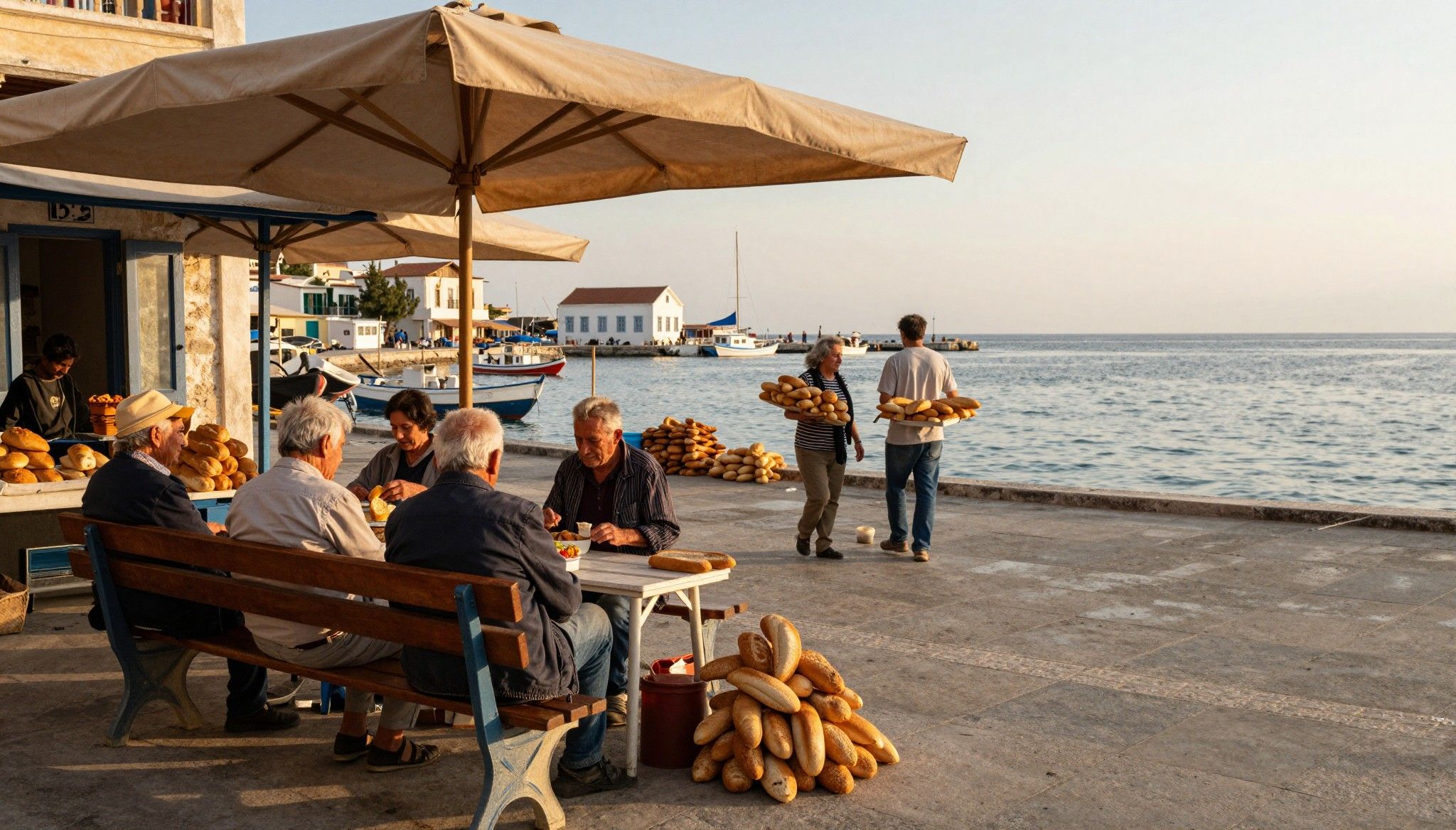
Imagine waking to the smell of baking koulouri and coffee, stepping out onto a small balcony framed by bougainvillea, watching a line of fishing boats return to Larnaca harbour. In Cyprus, everyday scenes like this are not postcards — they are the rhythm of life. But for international buyers who come here wanting a home that honours landscape, light and low-impact living, the island’s recent shift toward compact apartment living and booming resale activity changes the rules. Understanding permits, title quirks and where sustainable design fits into a market that is growing fast will save you time, money and heartbreak.
Living the Cyprus life — close to sea and story
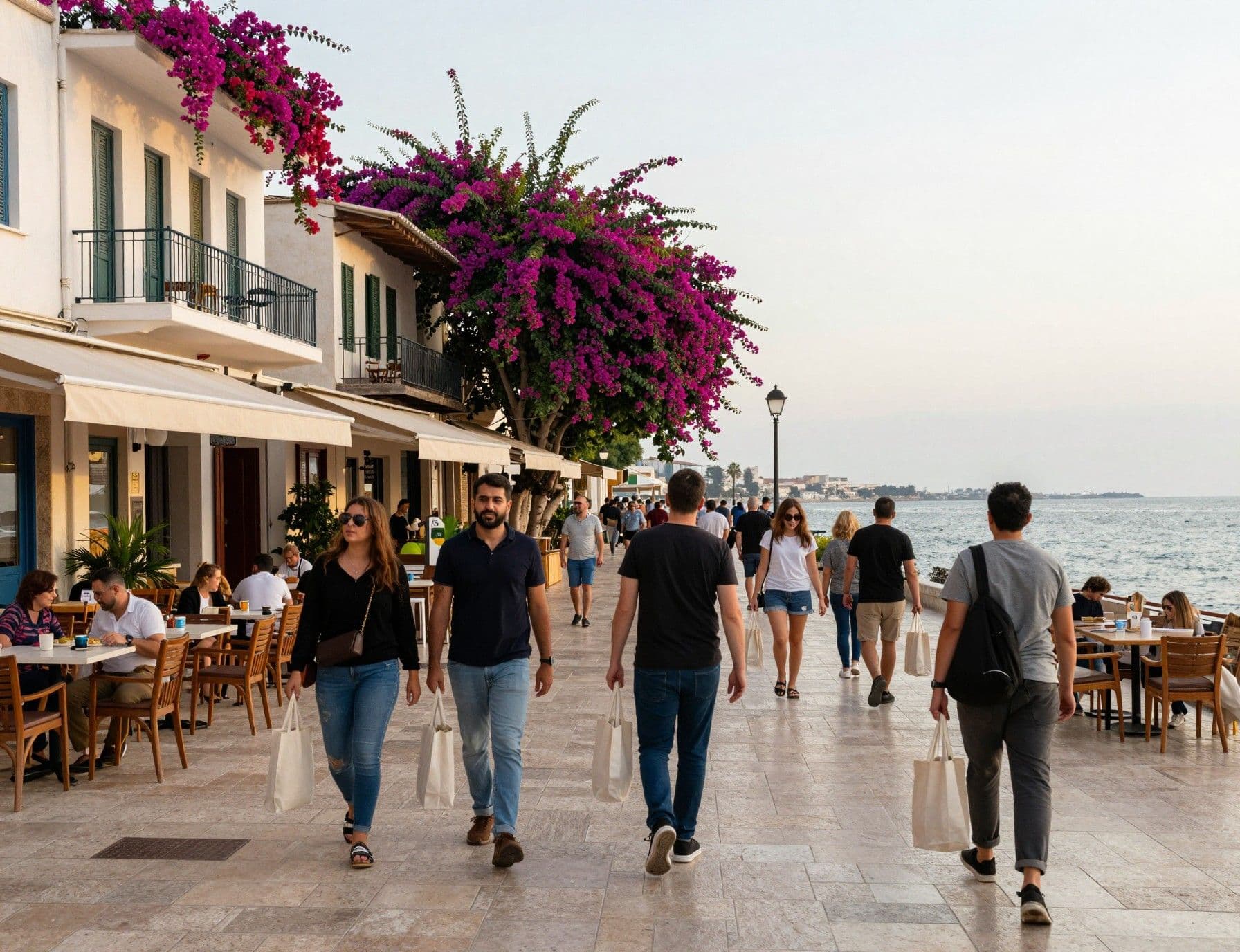
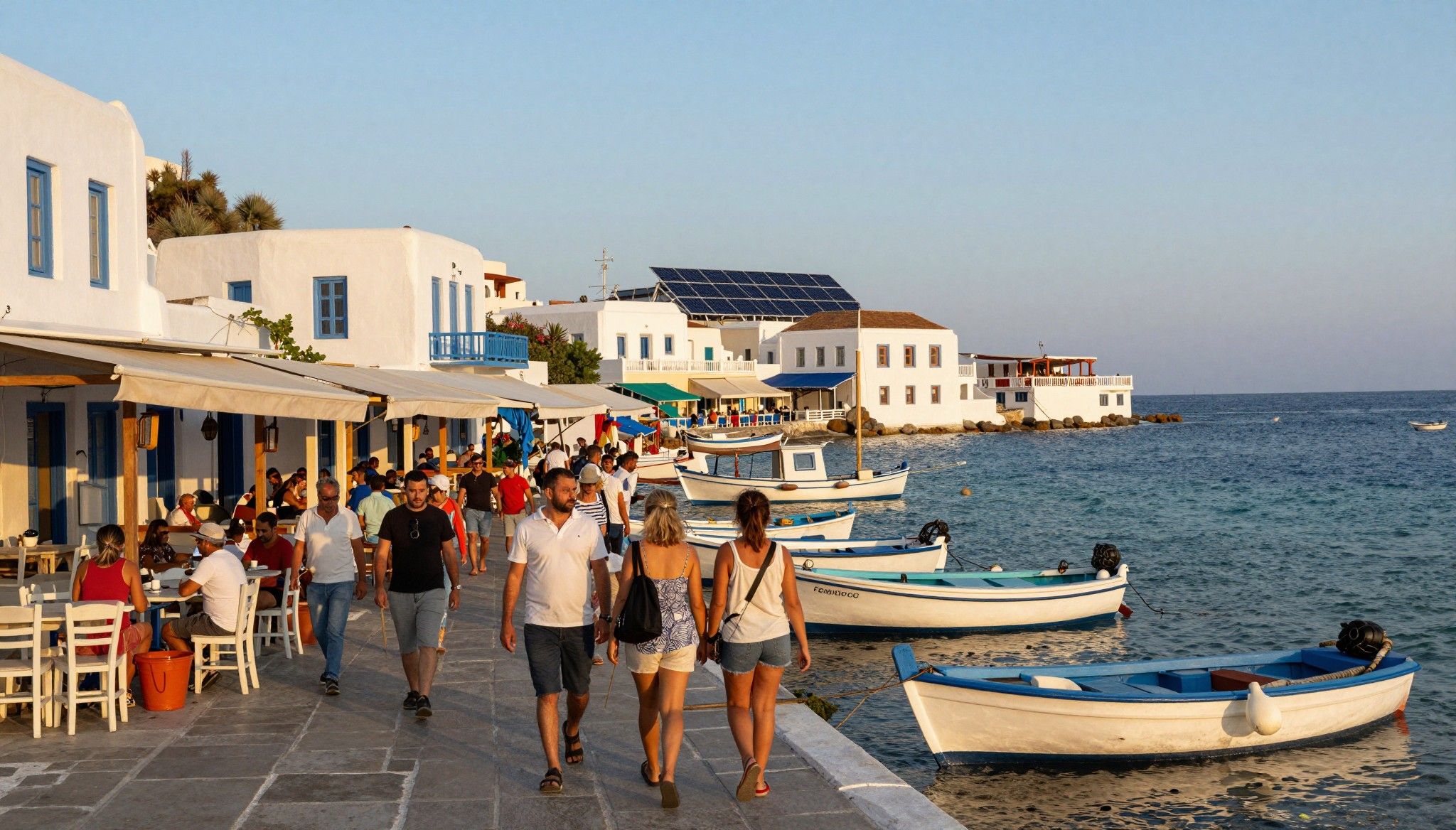
Cyprus is deceptively varied: coastal mornings and mountain afternoons, sun-baked villages and compact new developments with rooftop gardens. In Limassol you’ll find lively promenade cafés and late-night tavernas; in Paphos, a quieter Mediterranean pace with pockets of luxury; Nicosia offers an unhurried mix of history, community markets and contemporary cafés. For buyers drawn to sustainable living, neighbourhood choice matters — from sea-breezes that reduce cooling needs to traditional stone houses that age gracefully with passive comfort.
Neighbourhood spotlight: Limassol’s Molos to Old Port
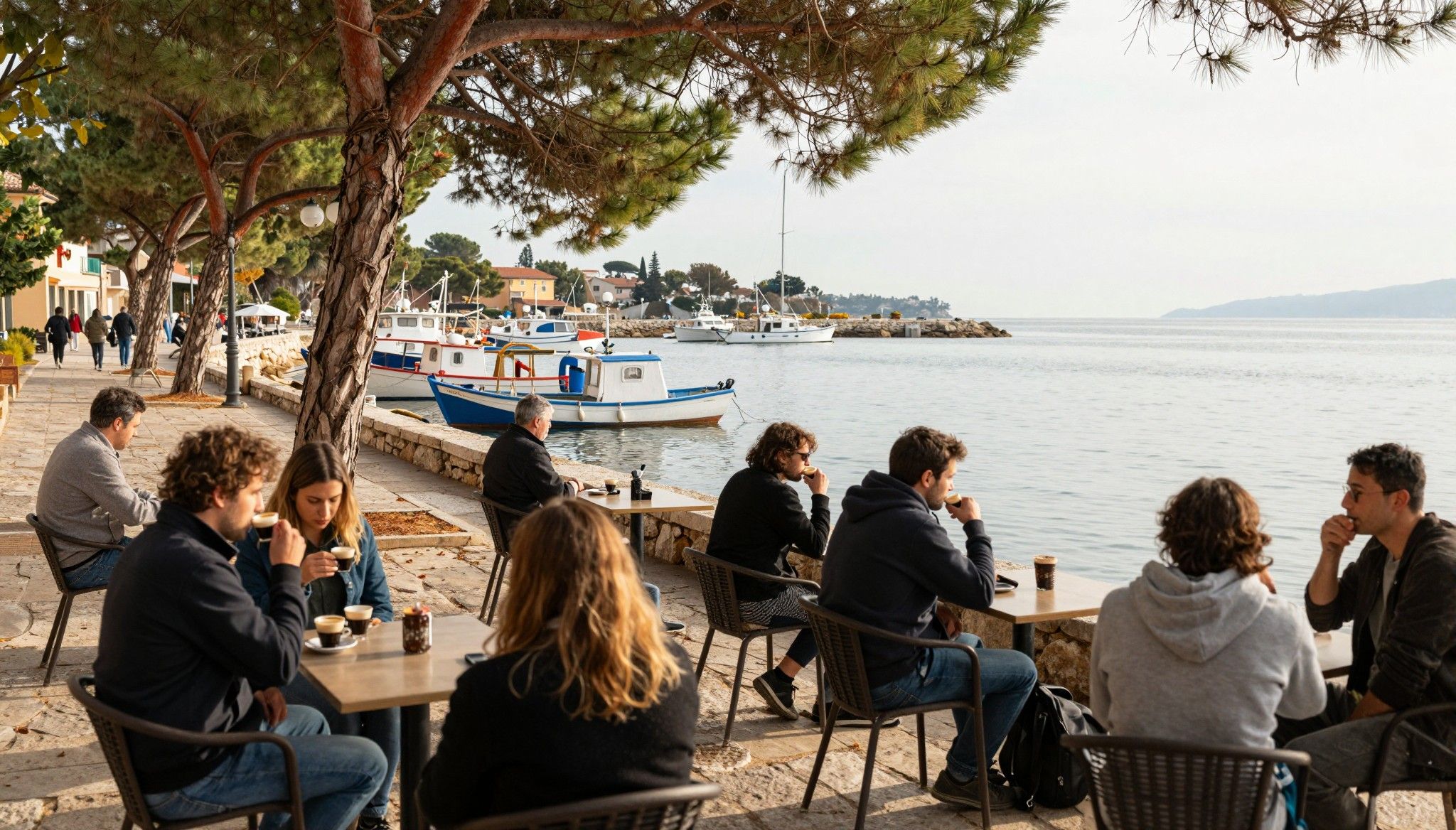
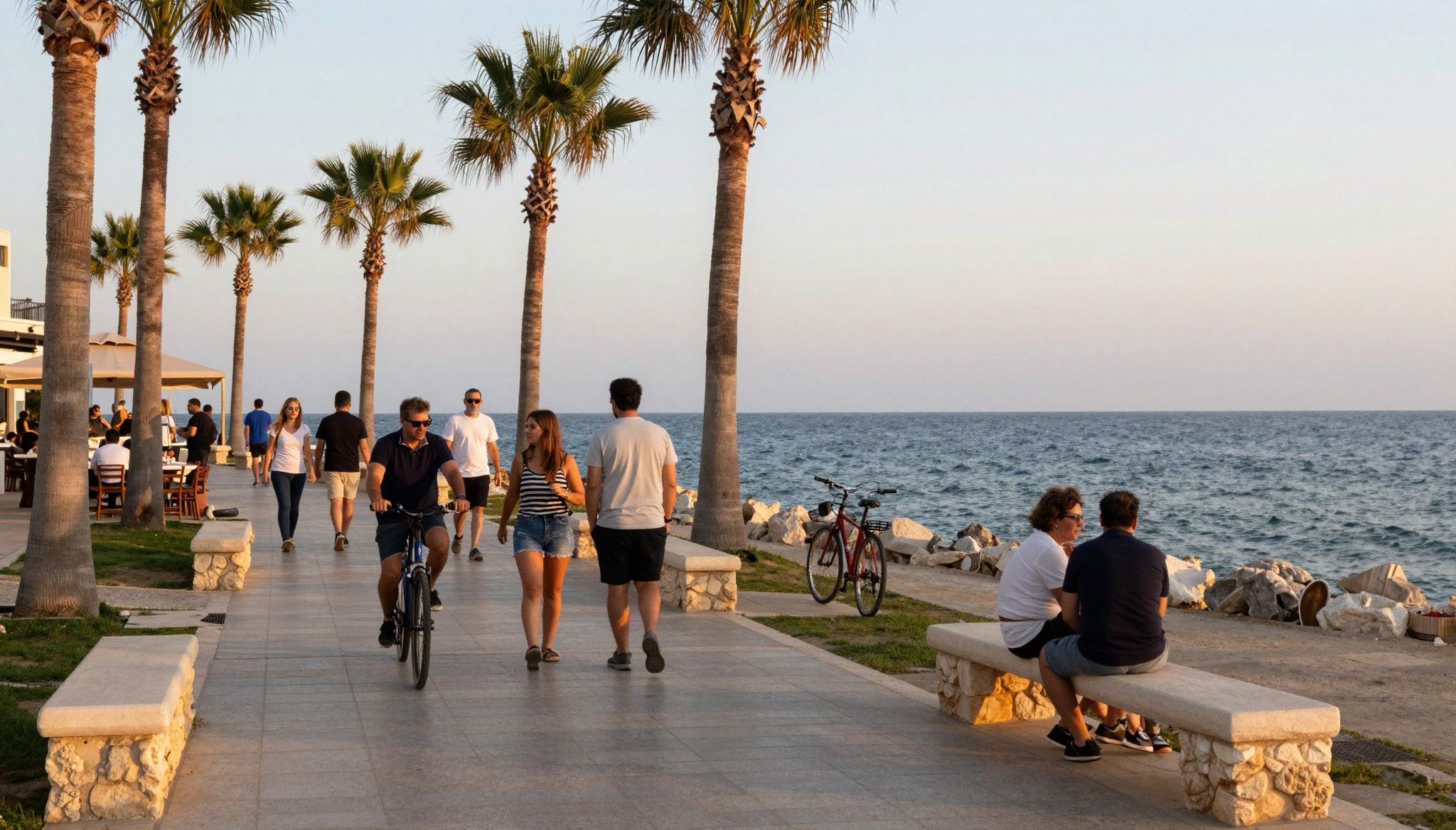
Picture espresso at a table near Molos park, evening fish grills by the Old Port and cyclists on shaded promenades. Molos and the nearby historic quarter mix compact, walkable streets with newer low-energy apartment blocks that often include solar-ready roofs. For buyers wanting a life where errands are a short walk and outdoor life is year-round, these neighbourhoods marry social energy with retrofit potential — a sweet spot for eco-minded owners.
Food, markets and weekend rhythms
Weekends are for farmers’ markets — crates of halloumi, carob syrup and citrus — and for long lunches that stretch into the afternoon. The island’s mild winters mean small gardens can produce herbs and tomatoes most of the year. These habits influence property choices: courtyard houses with room for a kitchen garden, terraces that capture evening light, and apartments with communal green roofs where neighbours grow vegetables.
- Lifestyle highlights: walkable promenades, seasonal markets (Nicosia municipal market), cliffside seafood taverna in Paphos, community rooftop gardens in Limassol, Troodos mountain trails for weekend escapes, local craft bakeries and olive oil mills.
Making the move: practical considerations that protect lifestyle
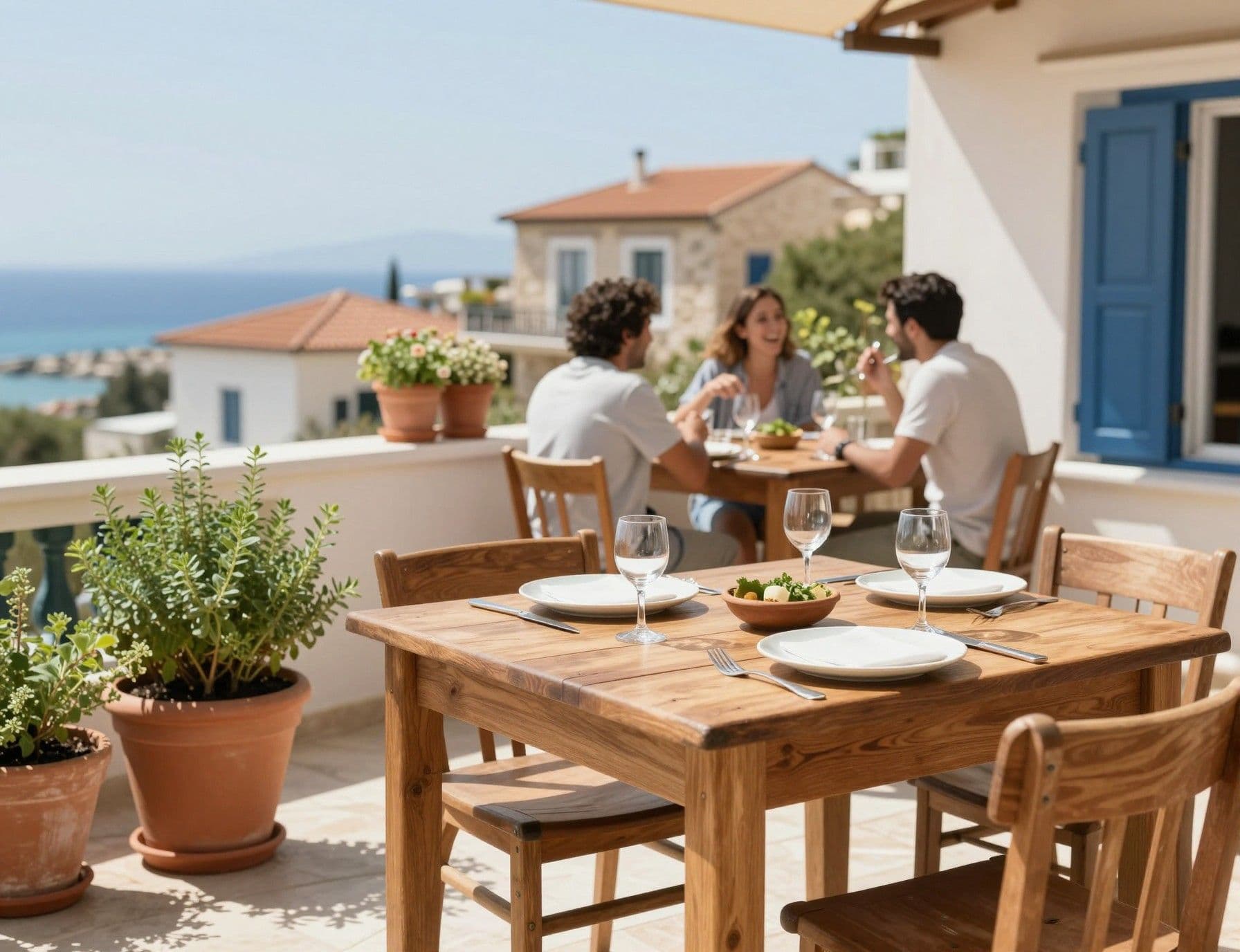
The dream of life here must meet the reality of Cyprus’s property system. Recent reporting shows heavy activity in apartment sales and legal quirks that let some foreign buyers effect transfers with limited oversight. That’s why due diligence — title clarity, planning permissions and checking the chain of assignments — is not paperwork theatre; it is the difference between a joyful move and a years-long dispute.
Property styles and what they mean for sustainability
The recent surge in apartments can be a green win: smaller footprints, shared systems (solar arrays, greywater recycling), and easier retrofit paths than detached villas. But older apartment blocks may lack insulation or legal title clarity. Look for buildings where developers or management committees have clear title deeds, existing or planned renewable energy systems, and space for passive cooling measures. A compact home close to services often delivers a lower lifetime carbon footprint than a distant house that demands car trips.
Working with local experts who know both law and lifestyle
Choose advisers who are fluent in local culture, language and the particularities of Cypriot property practice. A good team pairs a lawyer experienced with title and assignment issues, a chartered surveyor who can spot construction irregularities, and an agent who understands which neighbourhoods genuinely offer the low-impact lifestyle you seek. They’ll help you ask the right questions at viewings: who owns the deed, is there a community energy plan, and how is water managed in summer months?
- Step-by-step due diligence (practical + lifestyle checks): 1) Verify title deeds at the District Land Registry and insist on the original deed chain; 2) Commission a structural and services survey that includes roof, insulation and plumbing; 3) Confirm planning permissions and any assignments lodged with the District Land Registry; 4) Review the management committee minutes for apartments (energy plans, sinking fund details); 5) Check utility reliability and local waste-water solutions for sustainable living.
Insider knowledge: red flags, seasonal timing and contrarian moves
Here’s what expats commonly wish they’d known: title issues are not rare; buying in peak tourist season can hide year-round inconveniences; and the shiny ‘seafront’ listing is sometimes a developer plot rather than a finished home. Counter-intuitively, buying an apartment in an established block in Limassol or Larnaca often gives faster access to low-impact community upgrades than purchasing a remote villa that will require extensive retrofit.
Cultural integration and daily life
Cypriots are warm and social; building relationships with neighbours is part of settling in. English is widely spoken, but learning Greek phrases opens doors and goodwill. Expect siesta rhythms in some villages and lively all-night festivals in summer. These cultural beats shape how you use your home — large kitchens for extended meals, shaded courtyards for afternoon rest, and community balconies for evening gatherings.
Long-term lifestyle planning
Property values in Cyprus have been rising, particularly in apartments, which means buyers who prioritise location and green upgrades often capture the best combination of lifestyle and long-term value. Think beyond initial charm: consider access to healthcare, grocery variety, and seasonal exposure to winds and sun when planning insulation or shade strategies.
- Practical red flags to watch for: missing or partial title deeds; assignment-only sales without clear chain; no recorded building completion certificate; absent sinking fund or management committee for apartments; properties with unresolved planning notices.
- Green-friendly negotiation levers: ask for documented energy performance measures, request meter separation for multi-unit buildings, negotiate a clause for a communal solar feasibility study, and factor in a contingency for retrofits (insulation, solar hot water, rainwater harvesting).
Conclusion: Cyprus is a place you can fall in love with — the sounds, tastes and slow light of the island stay with you. But love without care can lead to costly surprises. Start with lifestyle first (which street, which market, which sunset), then use disciplined due diligence to protect that life. Work with advisers who understand local legal traps and sustainability opportunities, prioritise properties with clear deeds and communal green plans, and remember: a smaller, well-sited home with solar and shade often gives a richer, lower-impact Cypriot life than an isolated house with no services.
Swedish advisor who left Stockholm for the Costa Brava in 2019. Specializes in sustainable, sea‑view homes for Scandinavian buyers and green finance insights.