Stewardship First: Due Diligence for Buying in Croatia
Fall in love with Croatia’s rhythms—then verify titles, permits and coastal rules. Practical due‑diligence and sustainability steps to protect lifestyle and value.
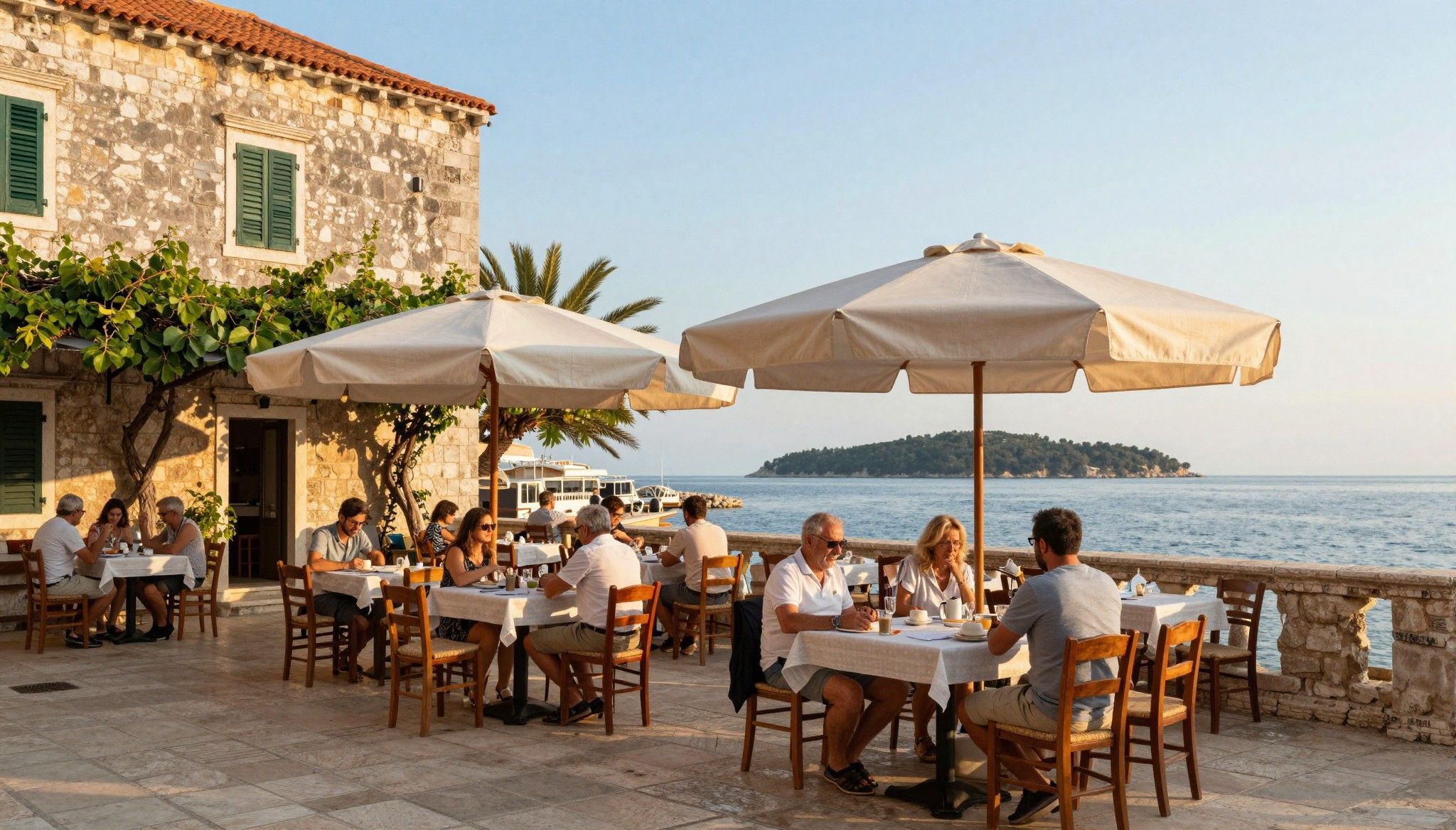
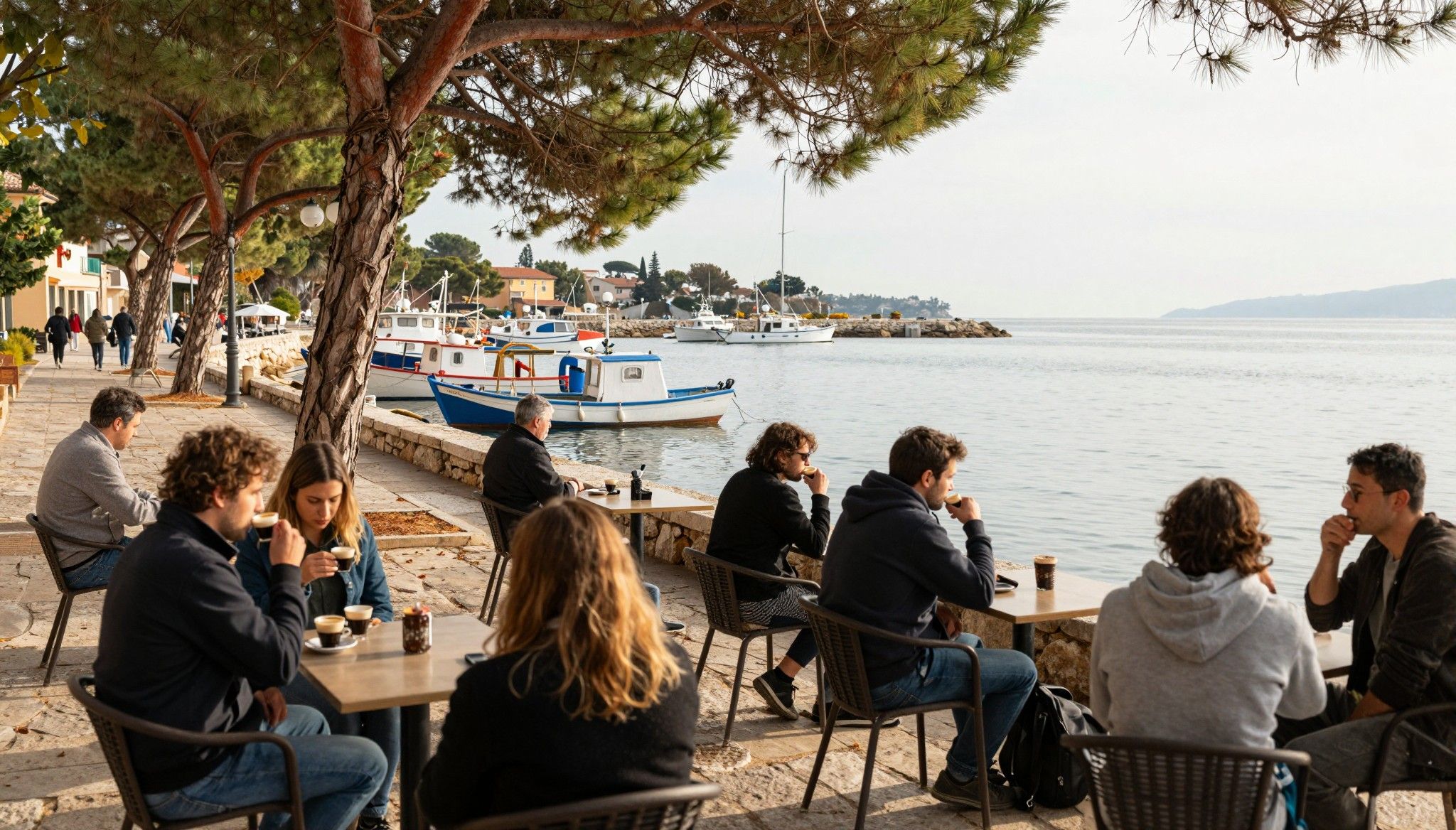
Imagine sipping an espresso at a sun-warmed table on Poljička cesta in Split, hearing a street vendor call out the morning catch while bougainvillea drapes an old stone balcony above you. In Croatia, that sensory clarity—the salt air, the stone, the relaxed rhythms—colors how people choose homes. But the dreamy seaside postcard and the paperwork that follows it are not the same thing. This guide pairs the lived, local life with the specific due‑diligence moves international buyers must make to protect lifestyle and stewardship goals.
Living the Croatia lifestyle
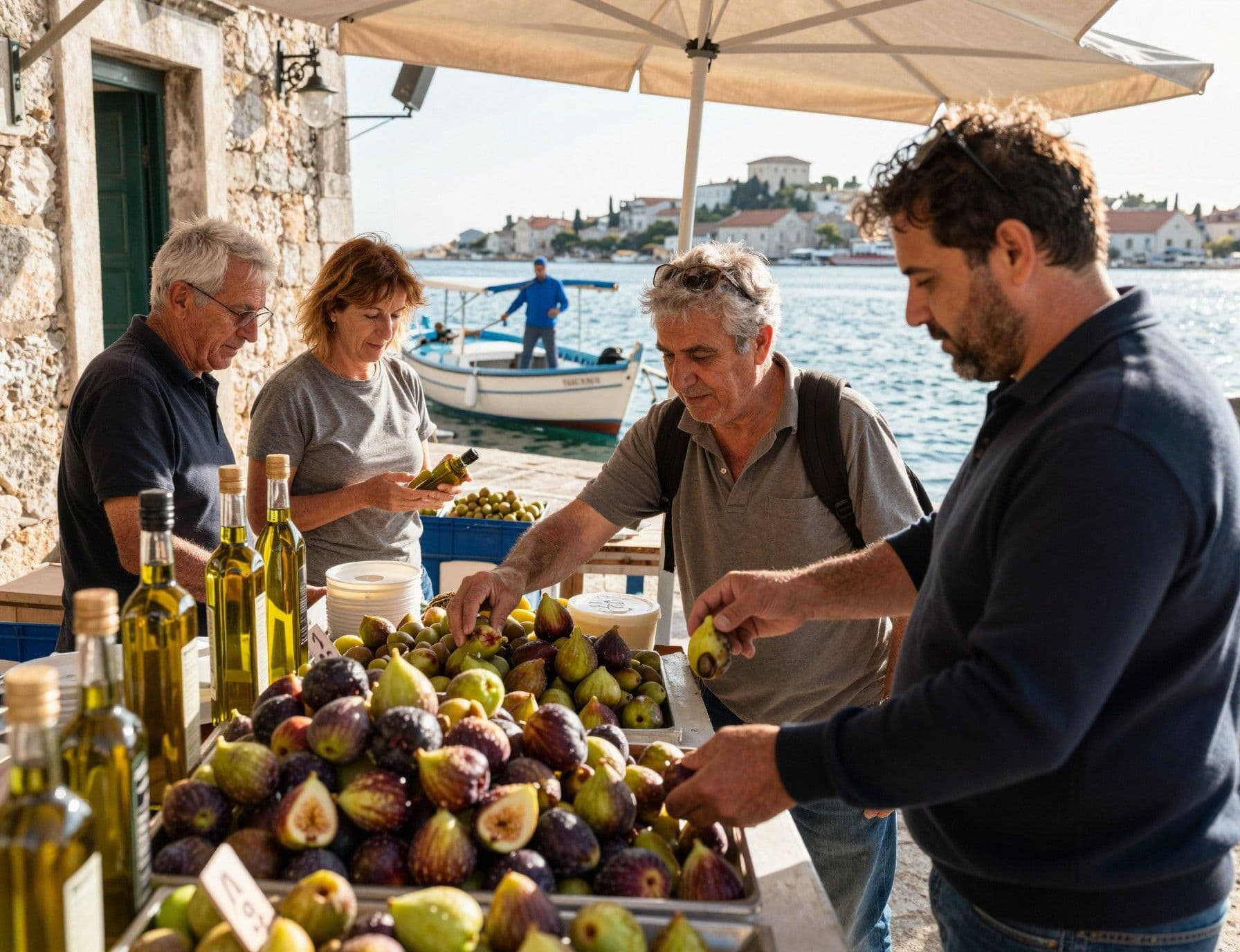
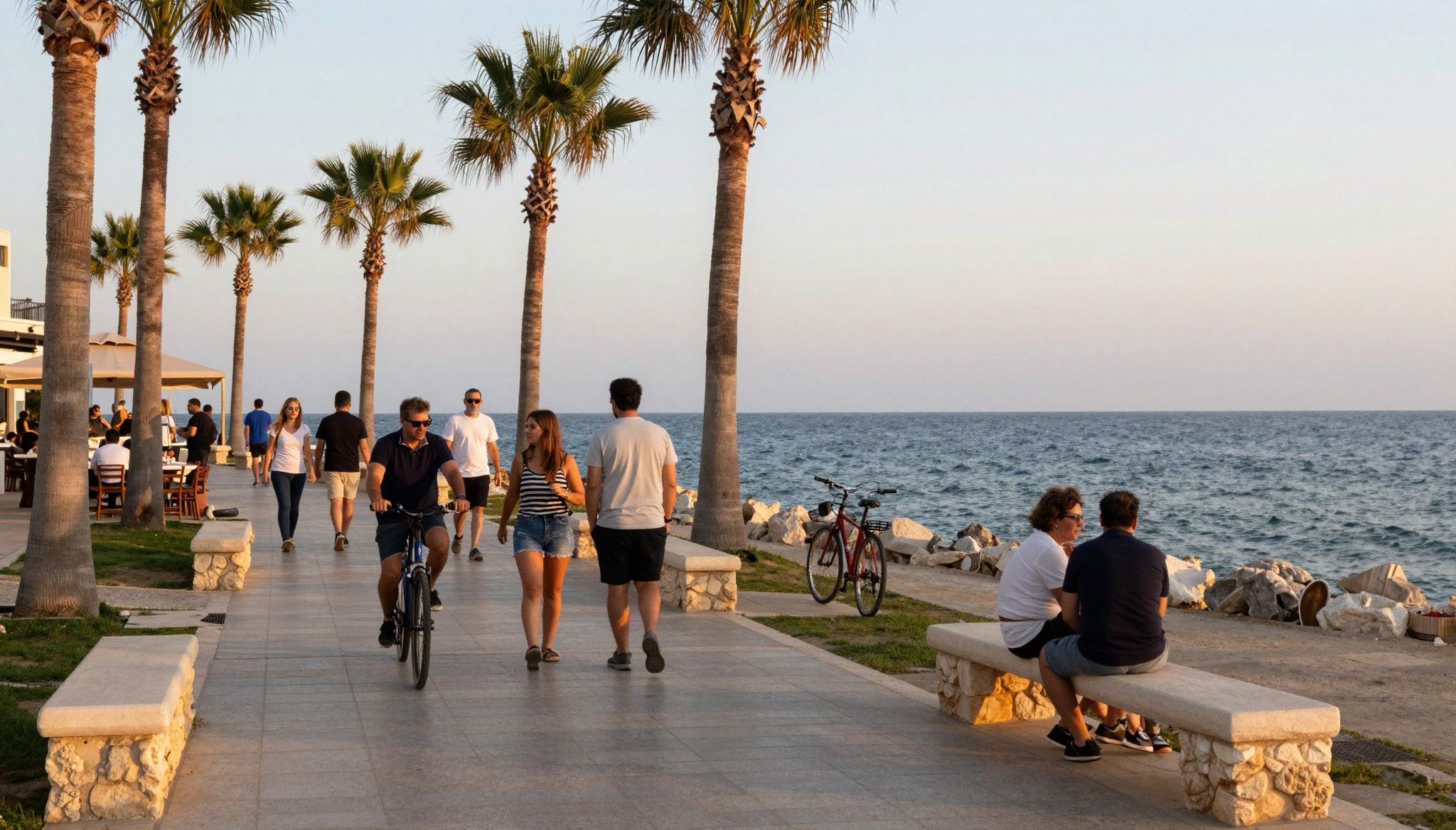
Croatia is not a single mood; it’s a chorus of rituals. Mornings in Zagreb’s Šalata mean long black coffees and tram bells; afternoons in Hvar are late‑day swims and fish‑fresh lunches; evenings in Istria can be about truffle hunting followed by convivial wine over reclaimed oak tables. When you picture life here, think tactile materials—stone, timber, linen—and a home that opens to a season.
Neighborhood snapshots: where character meets lifestyle
If you love stone courtyards and narrow, walkable lanes, look at Split’s Veli Varoš or Dubrovnik’s Lapad. For a quieter green life with vineyards and truffle roads, inland Istrian villages like Motovun or Buje offer land, forests and a slower pace. Zagreb neighbourhoods—Maksimir for parks, Kvatrić for lively markets—serve city dwellers who prize easy access to nature and cultural life.
Food, markets and seaside rhythms
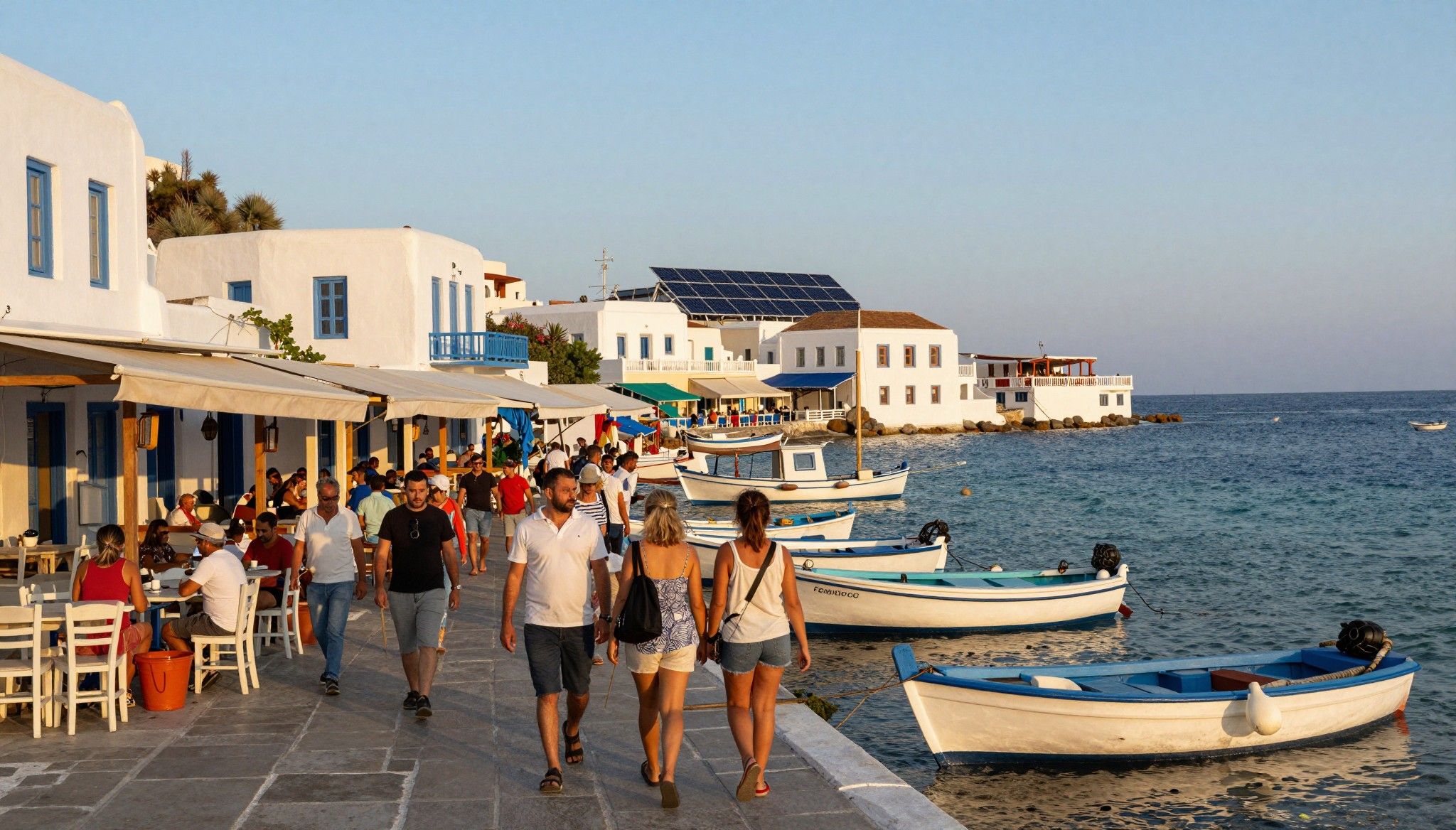
Weekends revolve around markets and sea. In Split, Green Market (Pazar) is a ritual—fresh figs, olive oil, and the minute gossip that helps you find a local craftsman. In coastal towns, property life often centers on an outside table for lunch and a balcony for evening breezes; pick properties with usable terraces, shutters, and shade trees to match that pattern.
- Lifestyle highlights to scout in person
- Morning market rhythm (Split Pazar, Zagreb Dolac)
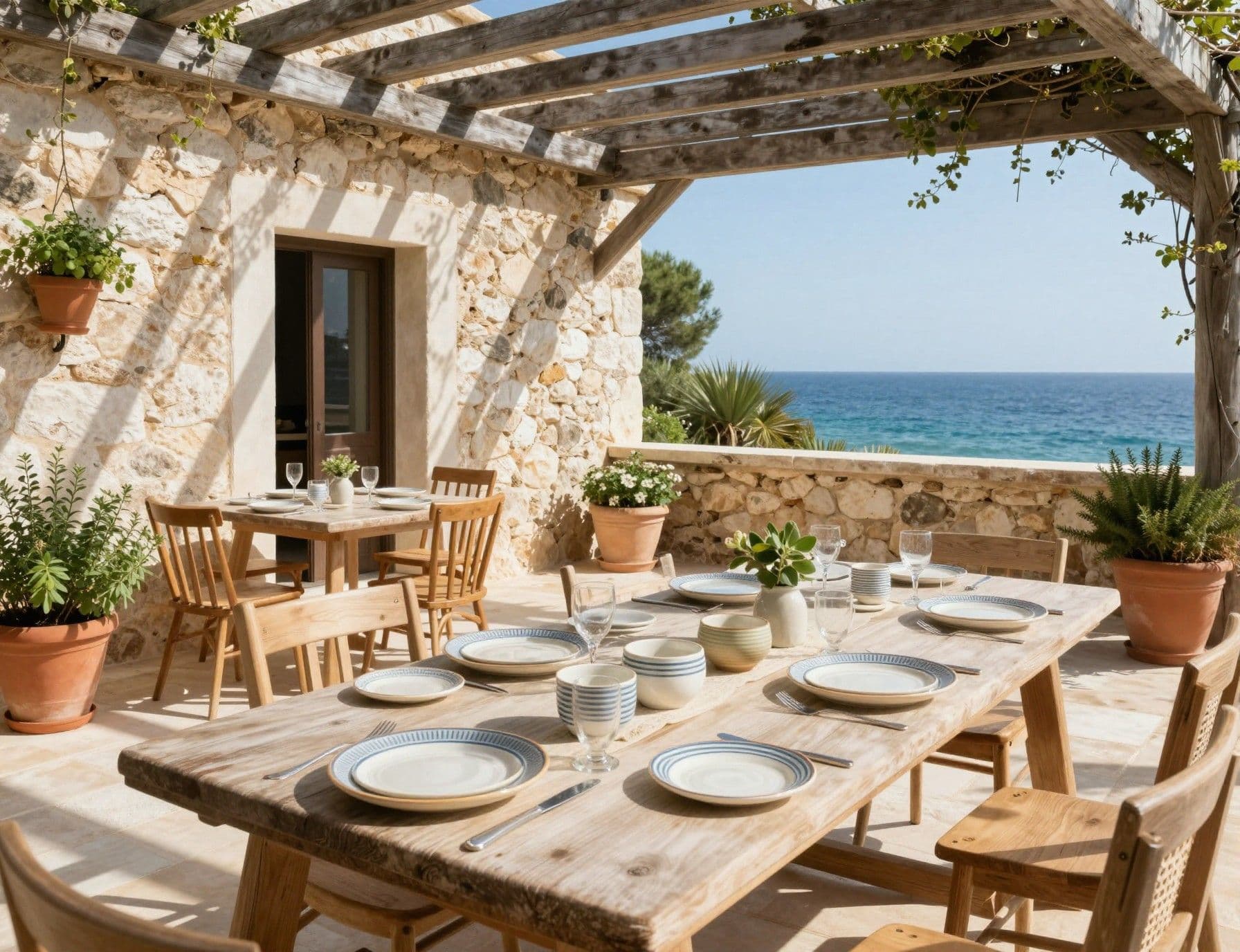
- A shady terrace or pergola for long summer lunches
- Nearby olive groves or truffle forests if you want regenerative land use
Making the move: practical considerations
Loving a town and owning there are different acts. Recent market data show coastal asking prices and transaction volumes moving in opposite directions—prices have risen while sales slow—so timing, paperwork and local insight matter more than ever. Expect a 3% real‑estate transfer tax on purchases not subject to VAT, and regional price variation that can swing decisions about conservation, retrofit and future value. Use local data to time offers and always verify the property’s legal status before falling in love.
Property types & what they mean for living lightly
Stone houses with thick walls are naturally cool in summer but often need careful retrofit for insulation and modern systems. New builds may offer EV charging, heat pumps and solar-ready roofs—features that ease long‑term stewardship. When assessing a property, add the cost and feasibility of eco‑upgrades (insulation, microgeneration, rainwater capture) into your offer, not after.
Work with specialists who speak culture and code
1. Hire a notary and an attorney familiar with foreign purchases and local spatial plans. 2. Ask your agent for prior land‑registry extracts and building permits before an offer. 3. Commission a surveyor and an environmental check if the property adjoins protected land or coastal zone. 4. Build a sustainability checklist (roof orientation, water access, connection to sewers) into contingencies.
Insider knowledge: what expats wish they'd known
Many expats arrive enchanted and overlook procedural traps: missing permits, unclear access rights, or prohibited uses in protected coastal belts. Others underestimate seasonality—what feels empty and cheap in winter may be lively and constrained in summer. Smart buyers blend lifestyle scouting with document-forward diligence: inspect permits, check utility rights, and confirm whether short‑term rentals are restricted locally.
Cultural integration and day-to-day life
Croatians value local networks and reciprocity. Learning a few phrases, patronising the local bakery, and attending a village fair can open doors to craftsmen and trusted services. For sustainable stewardship, connect with local cooperatives—olive presses, communal water managers, or conservation groups—that can help you adopt low‑impact practices and find reliable maintenance partners.
Long-term living: stewardship, seasons and resale
Think five years ahead. Coastal demand can be cyclical; inland slower but steadier. Prioritise energy independence (solar readiness, good orientation), water resilience (cisterns, greywater), and durable local materials. These choices sustain lifestyle and make properties more attractive to environmentally conscious buyers later on.
- Red flags to spot during due diligence
- No clear title or multiple land‑registry entries
- Missing building permits or irregular extensions
- Protected/coastal zone restrictions preventing renovations or rental use
- Unclear access (shared driveways or municipal easements)
1. Request a certified extract from the land registry (Zemljišna knjiga). 2. Verify building permits with the local municipality (općina or grad) prior to reservation. 3. Ask for an energy performance certificate or plan to commission an energy audit after purchase. 4. Confirm tax liabilities and expected transfer tax or VAT treatment with a Croatian tax advisor.
A closing note: Croatia offers a rare combination of brittle coastlines, slow inland rhythms, and a culture that values the land. Treat the buying process as part of your ecological commitment: choose a property that honours place, verify its legal bones, and plan upgrades that reduce long‑term impact. When you buy with stewardship in mind, you don’t just purchase a home—you enter a local story.
Norwegian market analyst who relocated from Oslo to Provence; guides investors with rigorous portfolio strategy and regional ecological value.