Croatia: Due Diligence That Protects the Life You Want
Fall in love with Croatia’s rhythms while protecting your purchase: practical due diligence, permit realities and sustainable stewardship for international buyers.
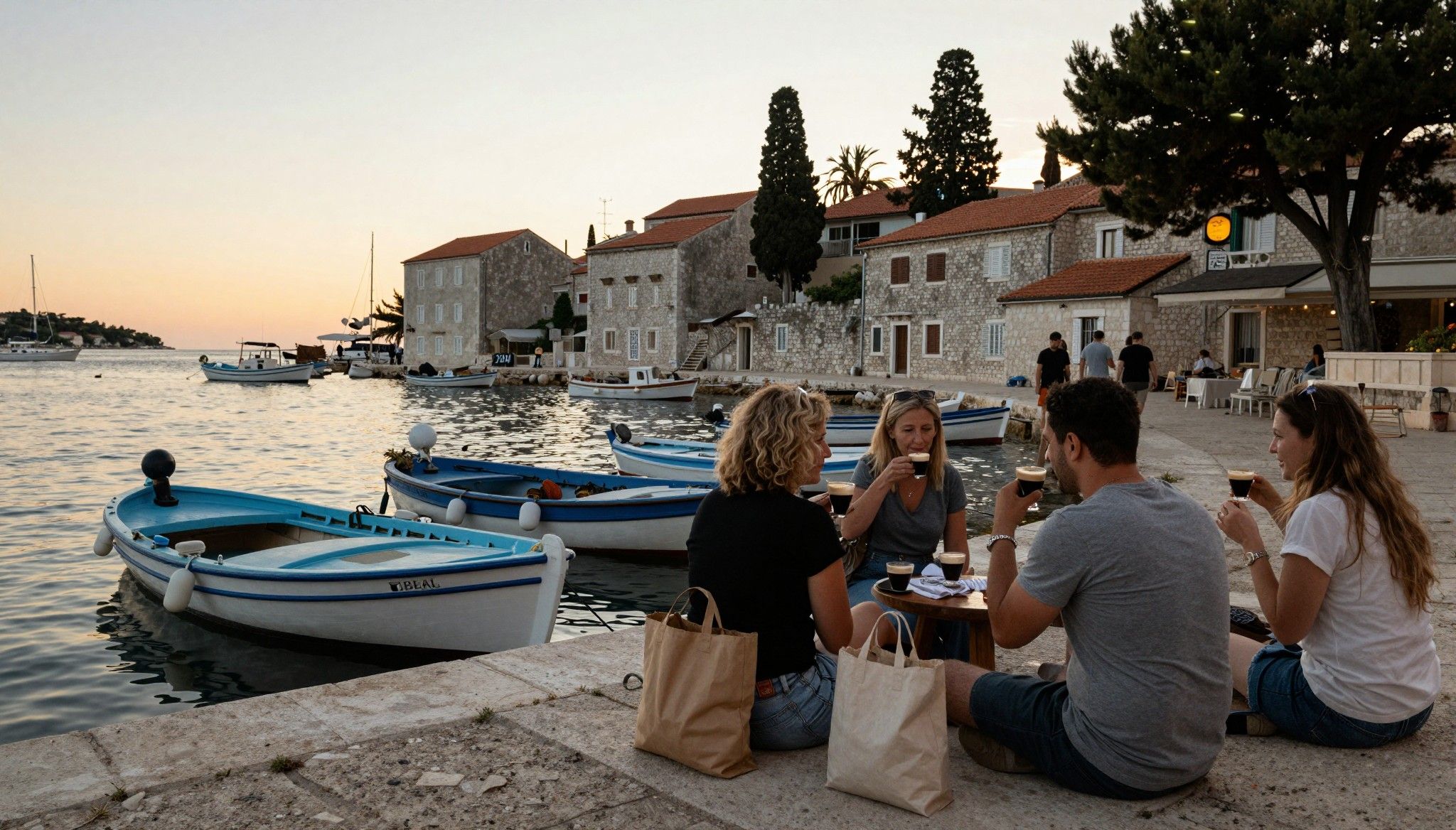
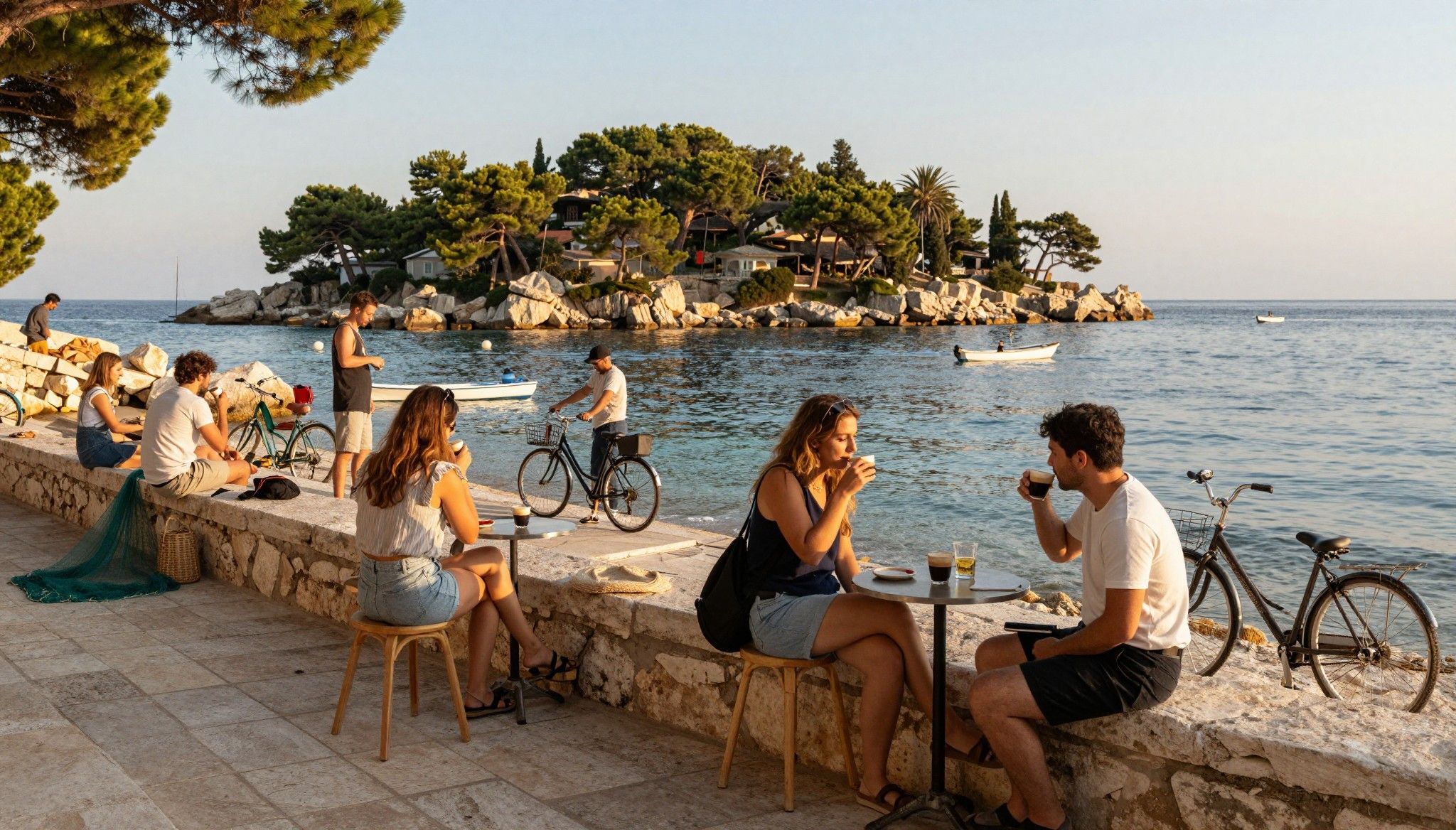
Imagine waking to espresso steaming on a stone terrace in Rovinj, the Adriatic glittering beyond cypress silhouettes. In Croatia the rhythm is slow, tactile and seasonally bright — morning markets in Split, evening promenades in Zadar, olive groves humming with cicadas — and those rhythms shape what, where and when you should buy.
Living the Croatian lifestyle
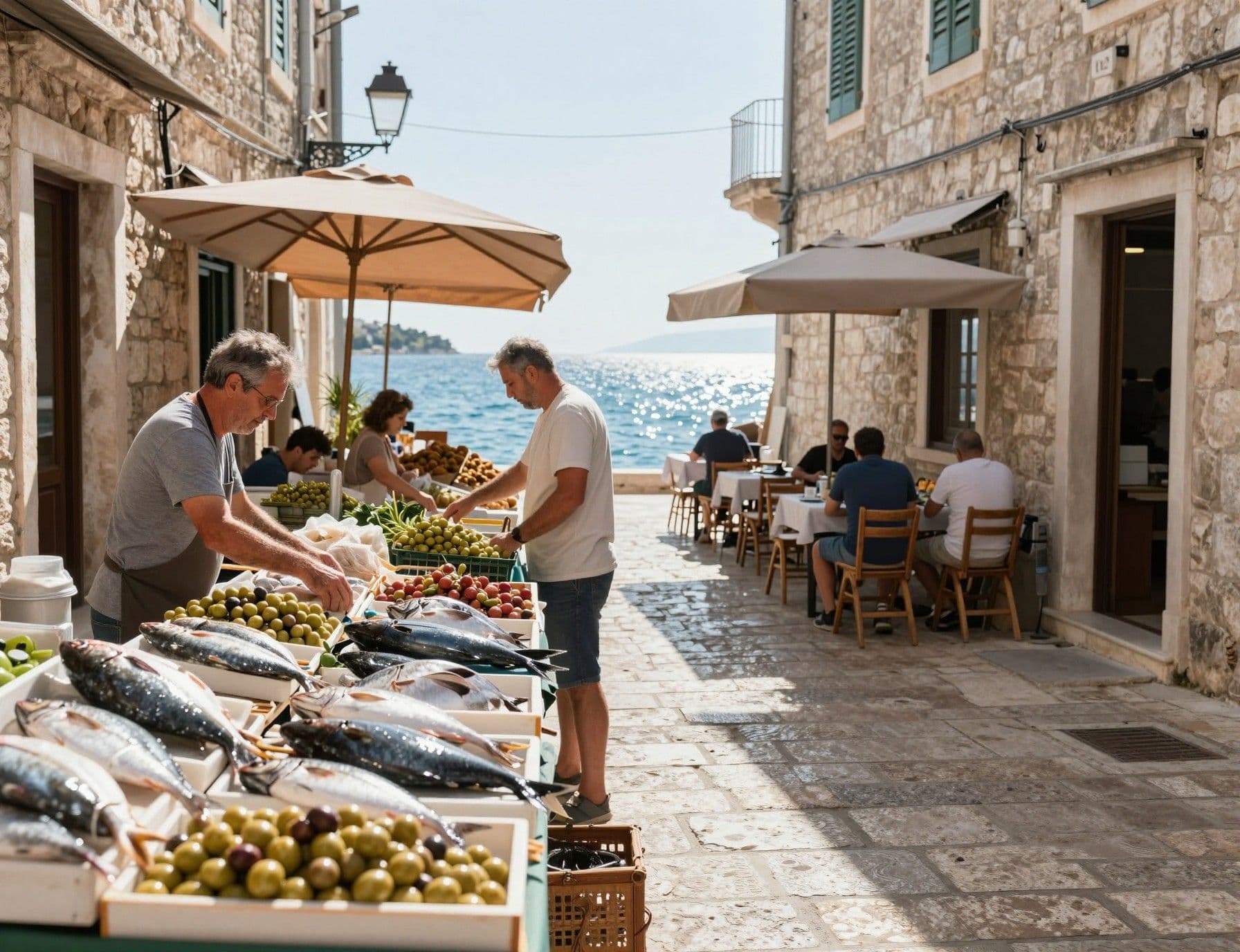
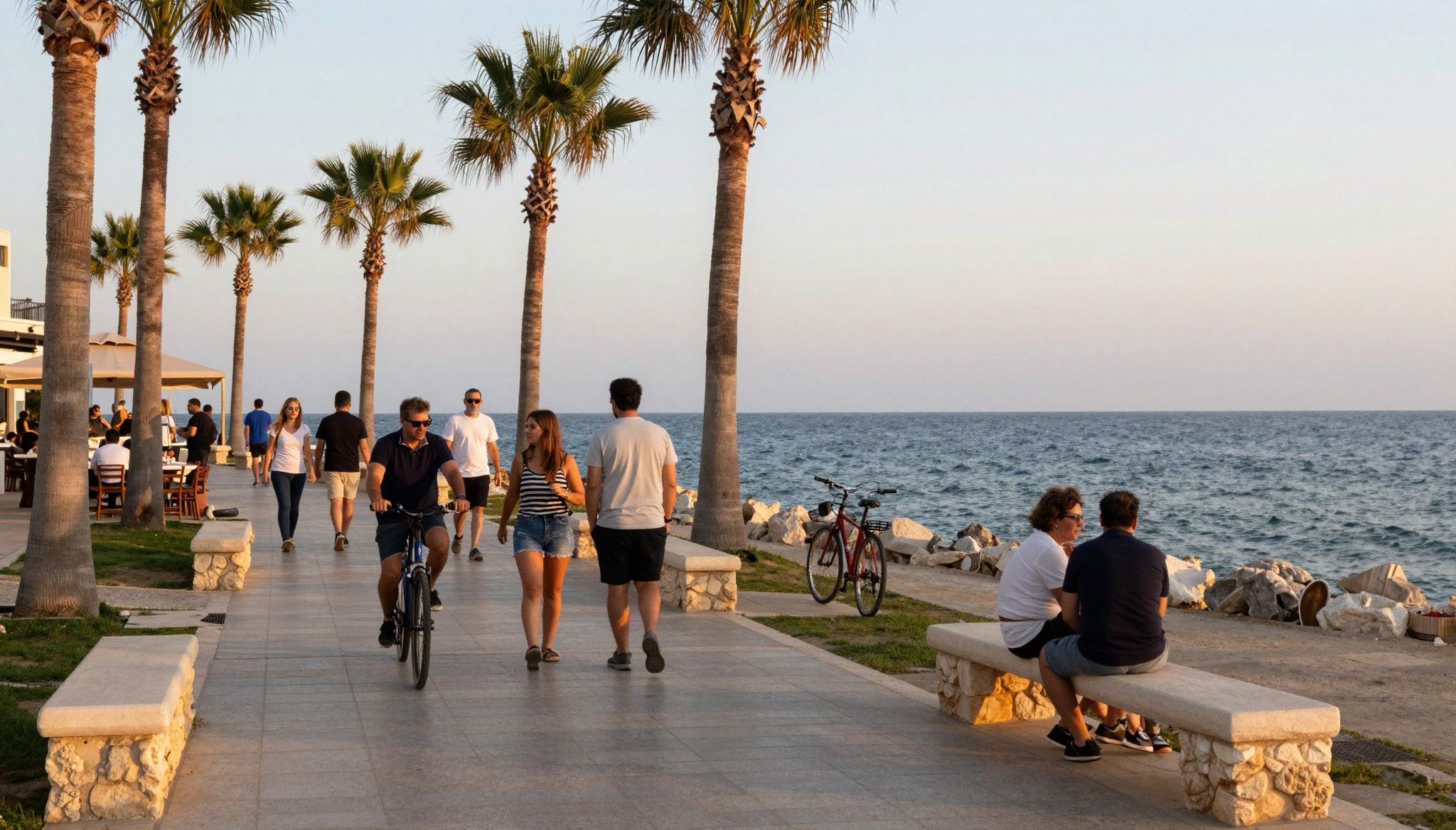
Croatia is a mosaic: UNESCO‑studded old towns, pine‑fringed islands, agricultural hinterlands and a quietly cosmopolitan Zagreb. Days are organized around food, sea and seasons — coffee at sunrise, markets in the midmorning, siesta‑paced afternoons in summer and lively cultural evenings through autumn. This pace affects everything from property layout to how neighborhoods feel after high season.
Coastal charms: Split, Dubrovnik & Istria villages
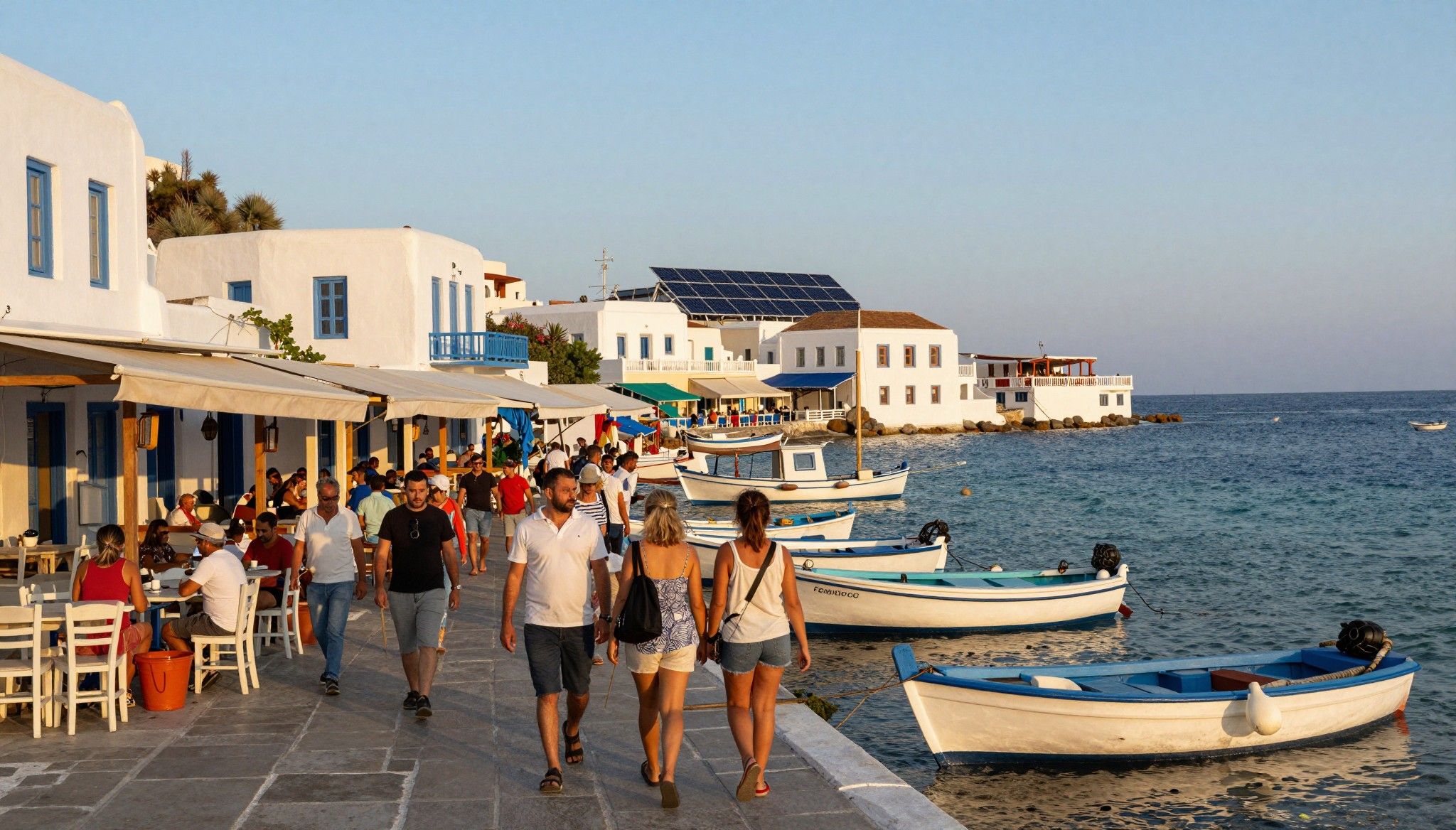
On the Adriatic coast look for stone houses with shutters, terraces that catch the sunset and narrow lanes that end at the sea. In Split, the Lučac and Veli Varoš pockets still whisper of fishermen and morning markets; Rovinj’s old town offers café‑lined piazzas and restored konobas; near Dubrovnik, Cavtat and Mlini provide quieter alternatives to the city’s tourist heart. These places reward buyers who want proximity to sea life and community rituals.
Inland rhythms: Zagorje, Istrian hills & islands’ slow life
Step inland and the tempo softens: truffle hunts in Motovun, vineyards around Hvar’s interior, family markets in Varaždin. These regions reward sustainable retrofits — stone farmhouses with passive cooling, olive‑press gardens and gardens designed for water efficiency. For buyers seeking self‑sufficiency, the inland offers lower prices and more space to build carbon‑light homes.
- Lifestyle highlights: morning fish market in Split’s Riva; espresso and people‑watching at Café Uliks in Rovinj; summer concerts on Trogir’s waterfront; truffle weekends in Motovun; kayaking around Vis; Sunday farmer markets in Zagreb’s Dolac.
Making the move: practical considerations that protect the lifestyle
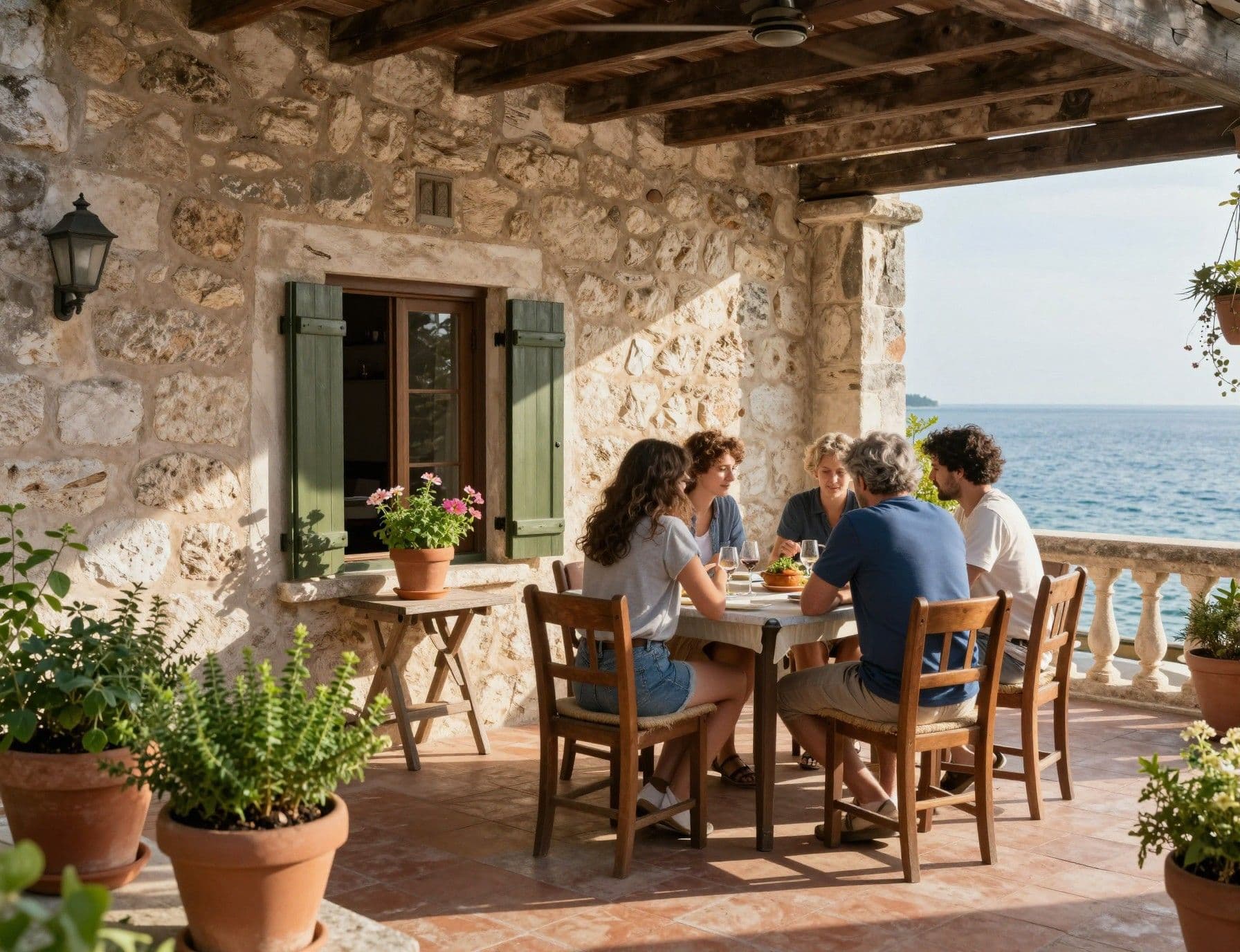
Your daydream must meet local rules. EU/EEA/Swiss citizens generally buy on the same terms as Croatians; other nationals face reciprocity checks and sometimes ministerial consent. Confirming eligibility early saves months of uncertainty and keeps the lifestyle timeline intact.
Property types and what they mean for living sustainably
Historic stone houses bring charm but often need structural and thermal upgrades; modern apartments can offer plug‑and‑play comfort but less outdoor land for gardens or solar. If you crave a Mediterranean garden, prioritize parcels with southern exposure and check for building restrictions tied to conservation zones.
Work with local experts who understand both permits and place
- Steps to marry lifestyle goals and legal safety: 1. Confirm nationality eligibility and, if needed, obtain ministerial consent. 2. Commission a cadastral and title search to unearth servitudes, building rights and disputed boundaries. 3. Order a technical survey focused on moisture, structural integrity and energy retrofit potential. 4. Review local spatial plans (prostorni plan) for future development that could affect tranquility or views. 5. Use a notary to register transfers and ensure the purchase agreement includes contingencies for permits and listed heritage status.
Insider knowledge: what expats wish they’d known
Expats often underestimate seasonal shifts: towns hum in July but feel intimate and community‑led from October to May. They also miss the paperwork subtleties — agricultural land, heritage façades and coastal plots each carry distinct permit pathways. Knowing which season you want to live through should change the parcel you choose.
Cultural integration and day‑to‑day community life
Croatians prize neighbourly ties and local rituals. Learn a few phrases, show up at the market and plant‑swap or olive‑press gatherings, and you’ll be invited in. This social capital often keeps renovations friendly and planning conversations constructive — a local ally can be as valuable as a legal opinion.
Long‑term stewardship: making a home that fits the land
Think beyond purchase: energy retrofits, water management and native planting will protect both lifestyle and value. Recent national statistics show strong price growth, especially along the coast, so balancing a romantic location with resilient, low‑impact upgrades is a practical path to long‑term happiness and stewardship.
- Red flags and local realities to watch for: • Lack of clear cadastral documents or unfinished ownership chains. • Properties inside protected heritage zones with restrictive alteration rules. • Unpermitted additions or “as‑built” differences versus plans. • Agricultural land marketed as building plots without zoning confirmation. • Sellers who prefer cash deals without notary oversight.
- A practical 5‑point checklist before you sign: 1. Ask your agent for a recent extract from the land registry ( zemljišnoknjižni izvadak). 2. Commission a building‑condition and hazardous‑materials survey. 3. Confirm any coastal setback, heritage or forest protection that restricts works. 4. Reserve funds and timelines for permit applications — some conservation approvals take months. 5. Include a contract clause tying completion to receipt of required permits and a clear handover date.
How a local agency protects both your dream and your deposit
A trusted local agency will translate place into paperwork: they source neighbourhood knowledge, confirm realistic timelines with planning offices, and connect you to architects who understand stone houses and passive cooling. They also help negotiate clauses that protect your offer when tourism seasons distort expectations.
- Quick tips to preserve both ecology and calm after purchase: • Prioritize native plantings and rainwater capture in garden plans. • Choose low‑impact heating (heat pumps) and solar with battery storage where permissible. • Favor restoration over demolition to preserve embodied carbon. • Work with local craftsmen — they know traditional breathable mortars and stone repairs.
Imagine the first winter: a repaired stone roof, a small wood‑burning stove, neighbours inviting you to a local feast. That sense of rootedness is what many buyers chase. With the right due diligence — clear title, local planning checks, and a team that values low‑impact living — your Croatian life can be both poetic and protected.
Next steps: plan a scouting trip in shoulder season (April–May or October), bring a shortlist of neighbourhoods, and budget for surveys and permit contingencies. Ask your agent for recent comparable sales, cadastral extracts and a written summary of permit pathways — then let the Adriatic mornings convince you.
Swedish advisor who left Stockholm for the Costa Brava in 2019. Specializes in sustainable, sea‑view homes for Scandinavian buyers and green finance insights.