Negotiating for Nature: Closing & Stewardship in Cyprus
Fall in love with Cyprus’s light and craft a closing that secures both your home and the landscape—practical steps, local insights and market sources to close with stewardship.
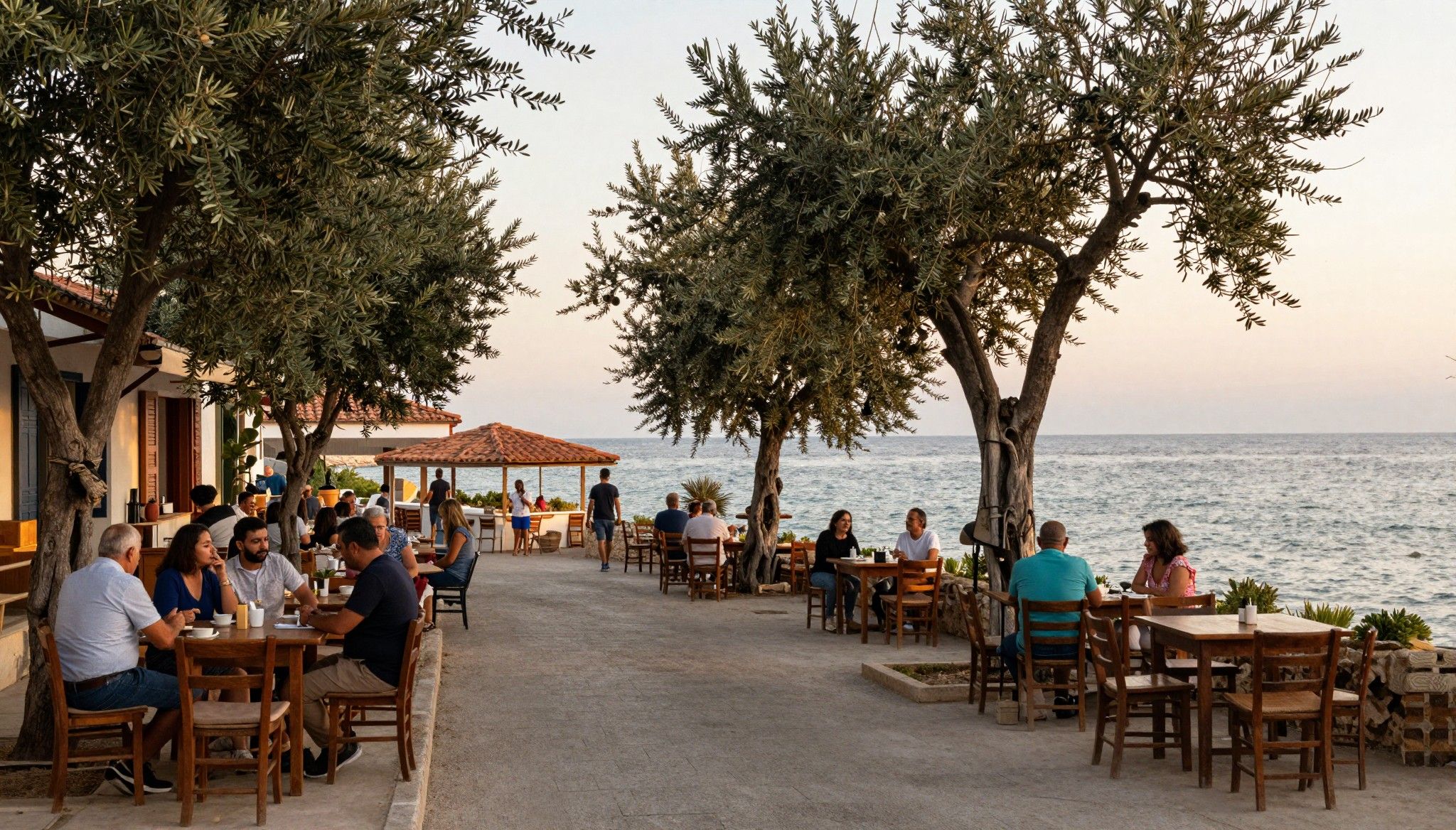
Imagine stepping out for morning coffee on a stone-paved lane in Paphos or watching the late light pool across a low-wood verandah in Lefkara. Cyprus is the kind of place where the built and natural worlds converse—olive trees leaning over tiled roofs, neighbourhood cats sunning on low walls, and solar water heaters crowning older terraces. For international buyers who care about low‑impact living, closing on a home here is not just a financial act: it’s the moment you become a steward of a landscape that rewards gentle, thoughtful care.
Living the Cyprus life
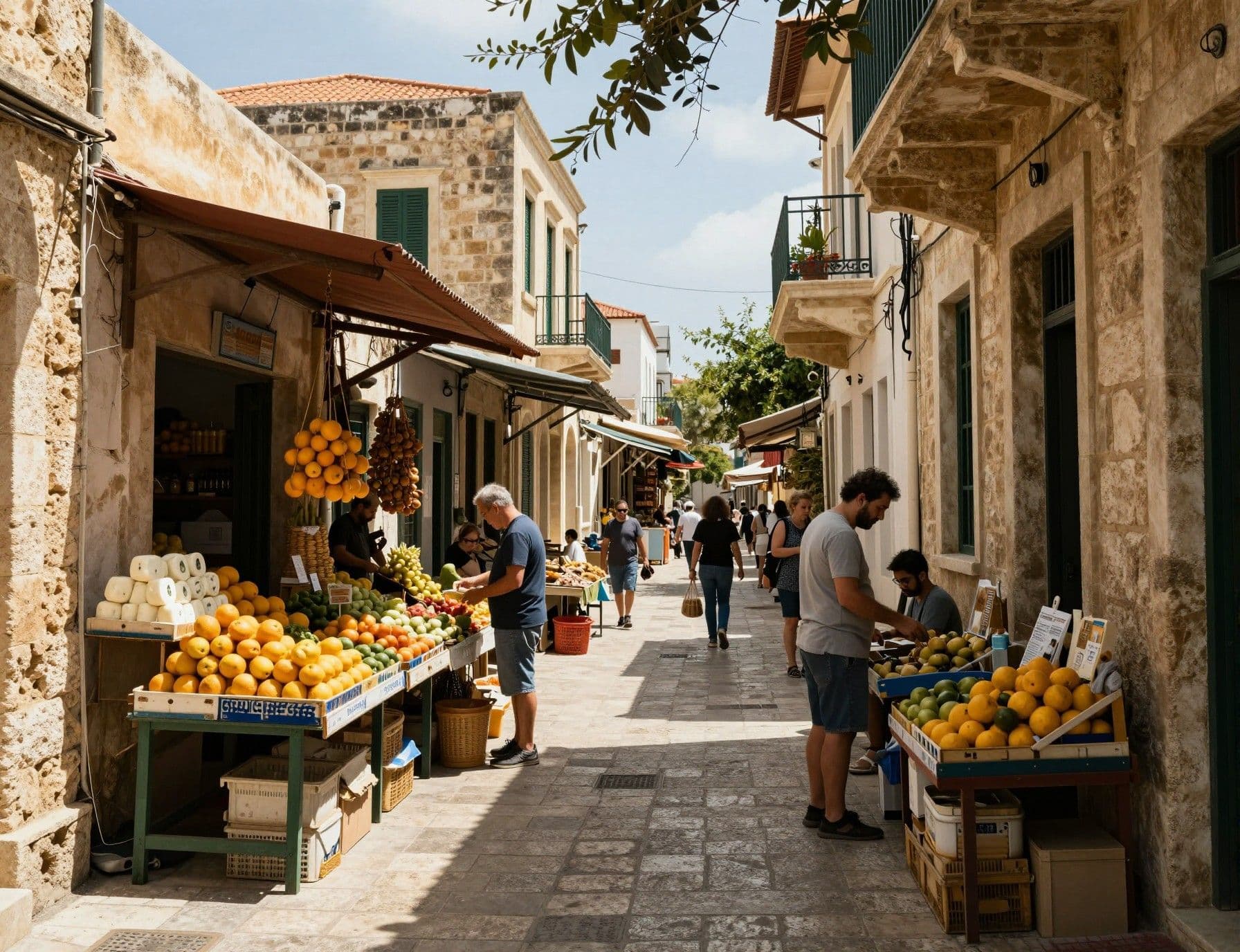
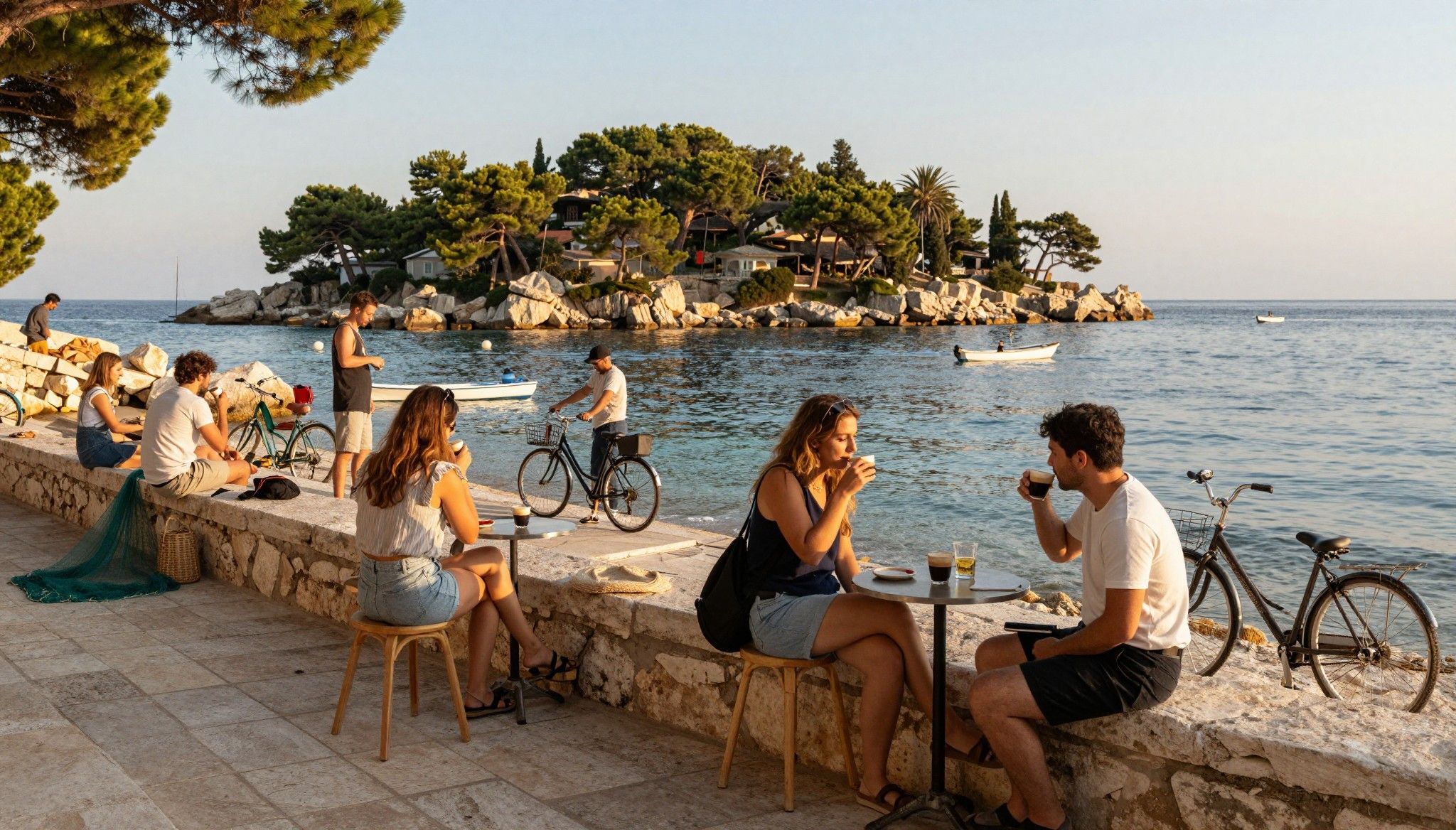
Cypriot days are shaped by light and ritual. Mornings mean strong coffee and small plates at corner kafeneions in Nicosia’s old town; afternoons drift toward beaches in Larnaca and family tavernas in the Troodos foothills. The rhythm is measured—work punctuated by convivial pauses—and houses are designed for indoor‑outdoor living. That feeling of ease matters when you buy: choose a property that supports that rhythm, from shaded patios for siestas to rain‑wise gardens for the dry months.
Neighborhood notes: Limassol, Paphos, Lefkara
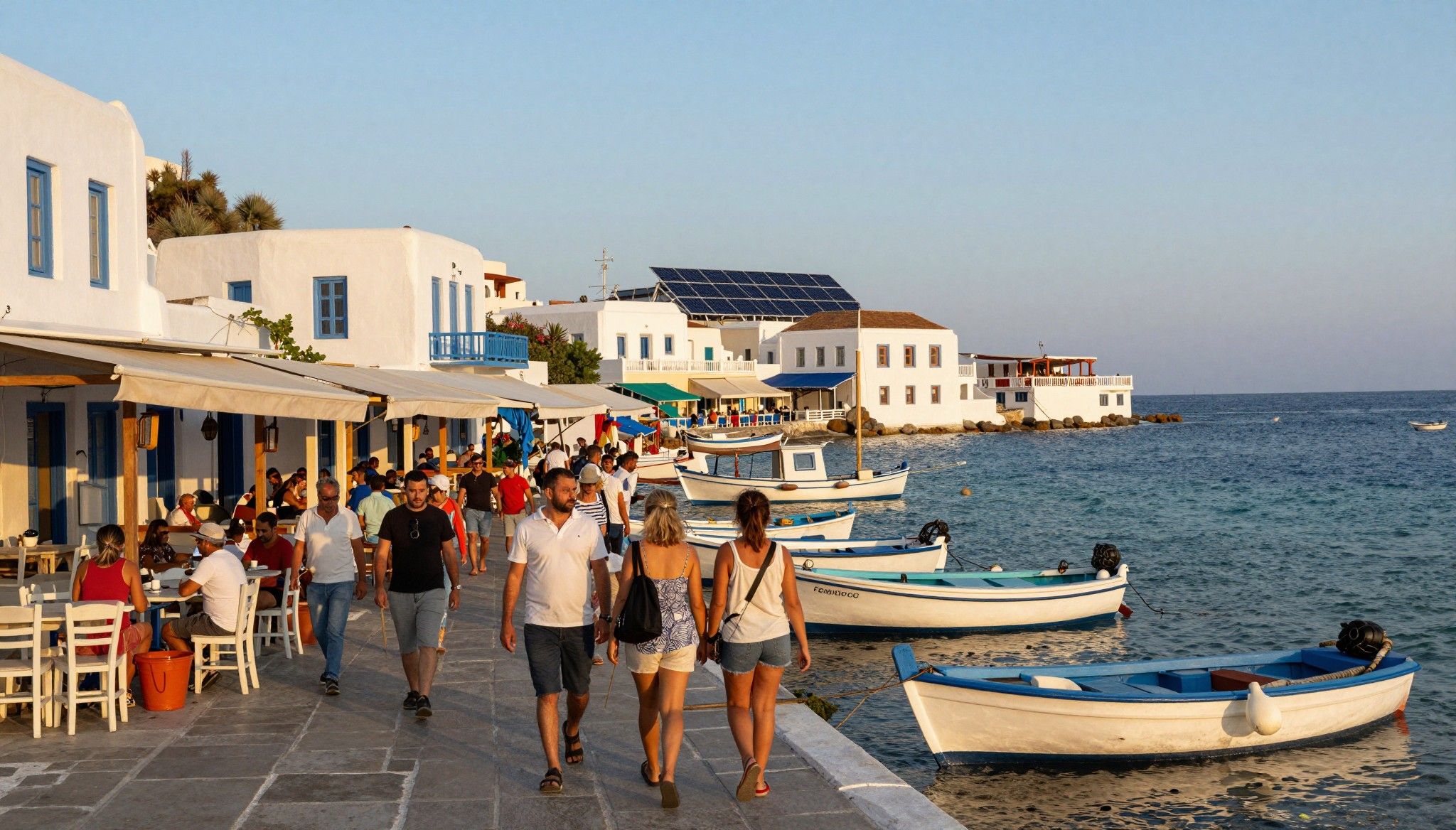
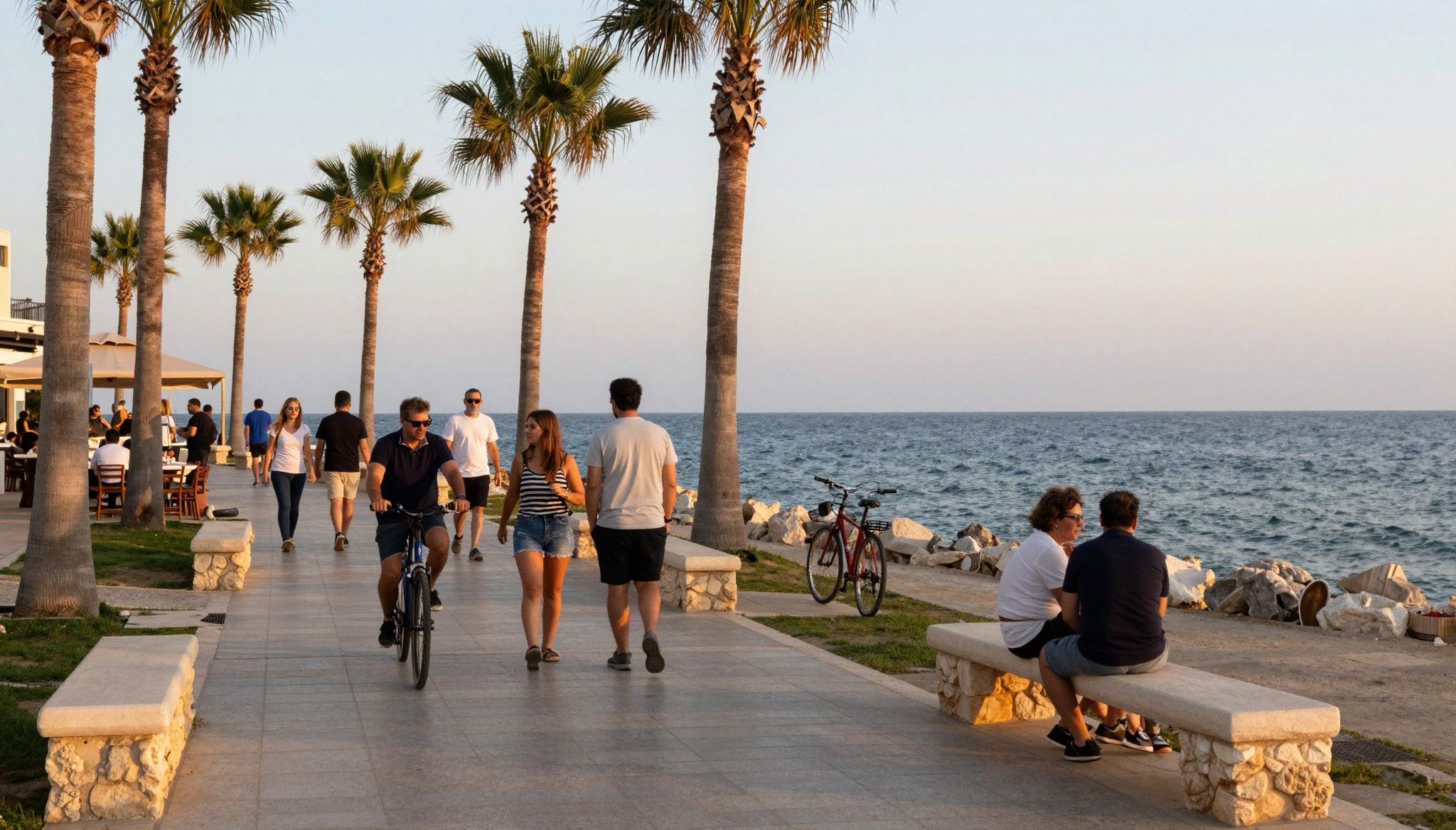
Limassol hums with cosmopolitan energy and seafront promenades; Paphos keeps a quietly historic heart with harbour cafés and archaeological surprises; mountain villages like Lefkara offer stone craftsmanship, cooler summers and gardens where citrus and figs thrive. Each area delivers a different relationship to land—and that relationship should steer negotiations and stewardship plans after closing.
Food, markets and small rituals
Weekends often revolve around market runs: sun‑warm tomatoes in Larnaca’s municipal market, honey and halloumi from small producers, or a picnic of fresh bread in the shadow of Troodos pines. This market culture matters for buyers wanting a low‑waste, seasonal life: proximity to local producers reduces food miles and supports a regenerative household lifestyle.
Making the move: practical, place-centred considerations
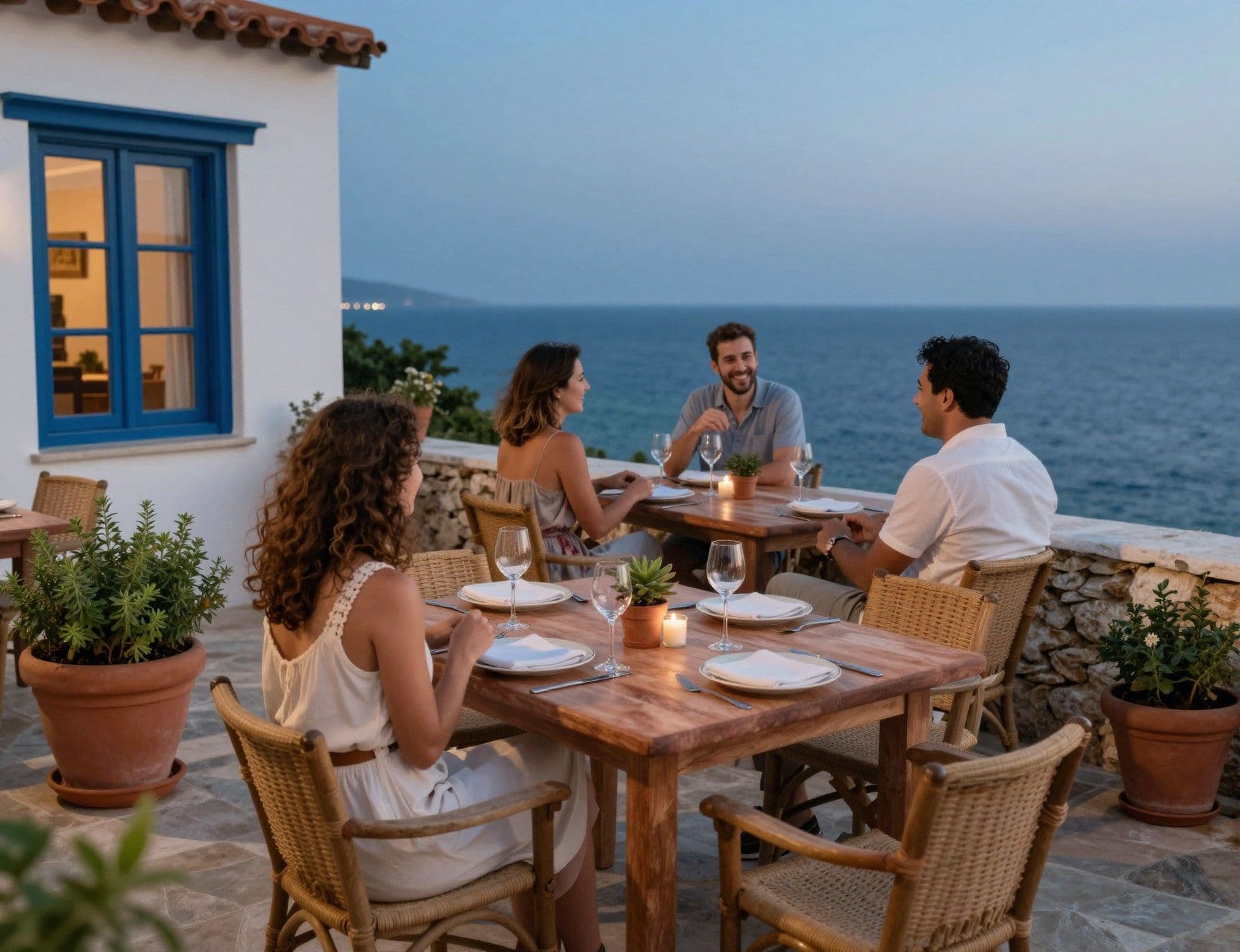
Dreams meet detail at the closing table. Cyprus’s market has shown mixed but stabilising patterns recently, with apartment sales strong in cities and renewed interest in village homes—data that changes how and where you negotiate. Use current market reports to know whether you’re bidding in a buyer’s window or competing in a fast-moving niche. That knowledge lets you ask for outcomes beyond price: energy upgrades, garden remediation, or a maintenance buffer to begin stewardship work without surprise cost shocks.
Property types and how they shape life
Traditional stone cottages invite slower, retrofit‑led stewardship—thick walls, small windows, and rooflines that welcome insulation and solar hot water. New coastal apartments offer low‑maintenance living but often less private outdoor space. Choose the property that lets your day‑to‑day values show: a courtyard for food growing, terraces oriented for evening shade, or an attic big enough for PV storage and a heat pump.
Steps to close with stewardship in mind
1. Commission a site visit with a local sustainability‑minded surveyor to identify retrofit opportunities and water‑wise landscaping needs.
2. Build retrofit work into the contract: set clear timelines, receive certified quotes, and hold a portion of funds in escrow for agreed upgrades.
3. Negotiate for transferable warranties, documentation of energy systems (solar thermal, PV), and permissions for future renewable additions.
Insider knowledge: what expats wish they’d known
Buyers often underestimate the handful of cultural and seasonal details that shape daily life: the slower pace of bureaucracy in summer, the community value placed on garden ownership, and how municipal water restrictions can change how you use an outdoor pool. Expat buyers who join local associations, learn a few Greek phrases, and work with neighbourhood contractors build goodwill that pays off in smoother stewardship and happier long‑term living.
Language, community and small courtesies
A little Cypriot Greek goes a long way—greeting your immediate neighbours, asking about olive harvest timing, or arranging a local tradesman. This is practical: a neighbour who knows you is likelier to keep an eye on your property and recommend honest local help when you need repairs or garden work.
Seasonality and cost realities
Cyprus’s abundant sun makes solar water heating and PV sensible first steps; national uptake has been significant and incentives exist for rooftop systems. Factor this into negotiations: where sellers offer dated systems, ask for upgrades or a price allowance. In hot summers, consider passive cooling and shading—small investments now save on long‑term energy and improve comfort.
Practical red flags to spot at closing
Unclear ownership of outdoor terraces or shared courtyards—confirm boundaries and maintenance responsibilities.
Missing building permits for extensions or pools—these can be costly to regularise and affect insurance.
Dated electrical systems or lack of documentation for solar/thermal installations—negotiate repair or certification before final payment.
After closing: stewardship steps that protect value and nature
Treat the first year after purchase as a stewardship audit: stabilise water use, set up a native planting plan to reduce irrigation, and prioritise energy measures that offer immediate comfort gains—insulation, shading, solar hot water and modest PV additions. These steps preserve capital and deepen your connection with place.
A simple stewardship checklist
Register with the local community council and meet immediate neighbours to exchange local advice.
Run a home energy and water audit with local experts—document results and prioritise actions.
Create a simple maintenance fund in the first year to cover agreed retrofit items highlighted during closing.
Conclusion: fall for the lifestyle, close with care. Cyprus rewards those who come with humility, curiosity and a plan. Use market insight reports and local expertise to negotiate outcomes that protect the island’s light, soil and water—and your peace of mind. When you close, think in seasons: make choices that let the house breathe, the garden flourish, and your life here deepen slowly and well.
Danish relocation specialist who moved from Copenhagen to the Algarve; supports families with seamless transitions, local partnerships, and mindful purchases.