Stewardship‑Minded Closings: Buying Life in Croatia
Fall for Croatia’s sensory life while negotiating with stewardship in mind; use market data to time offers and protect value with maintenance credits and ecological inspections.
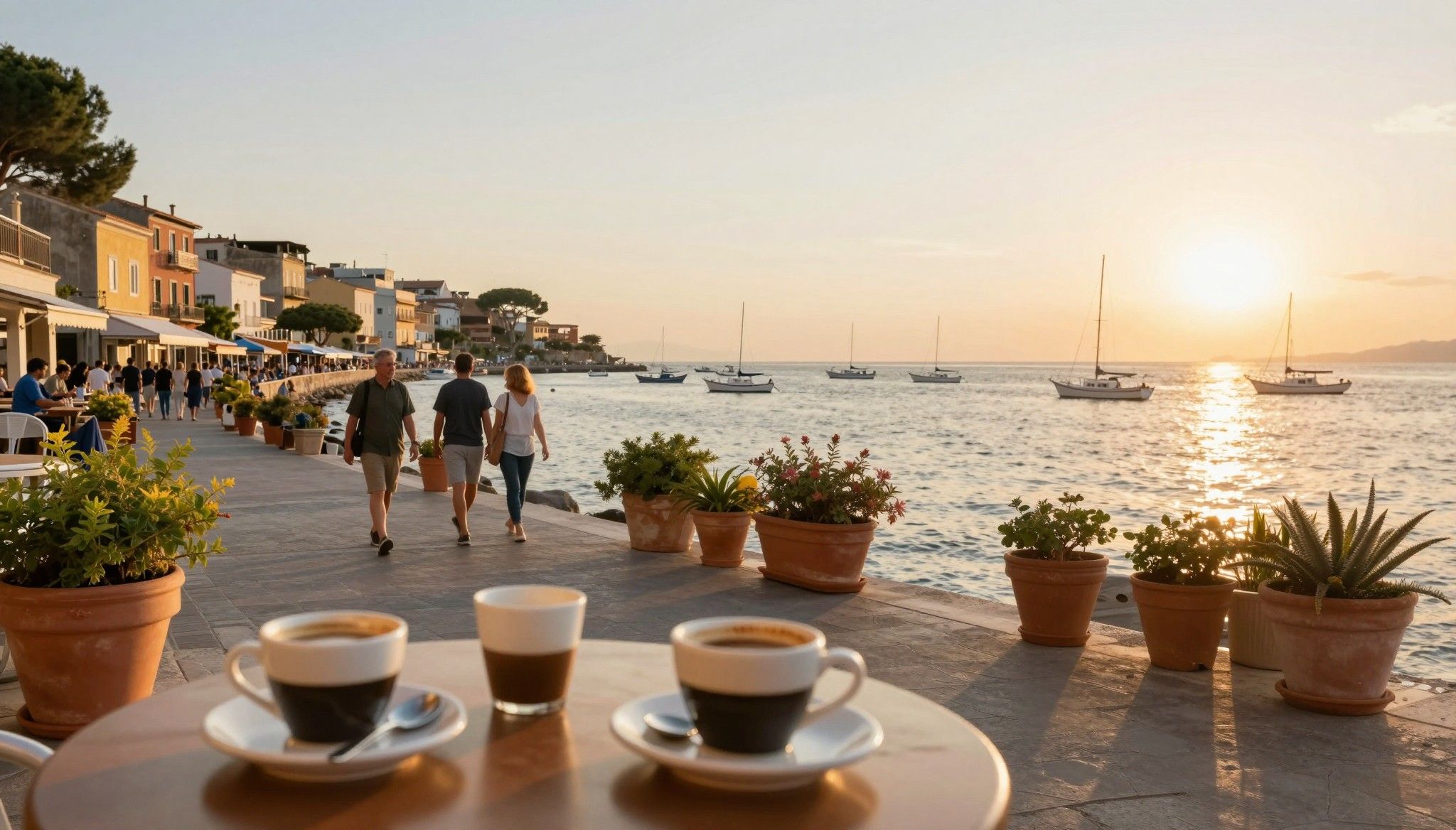
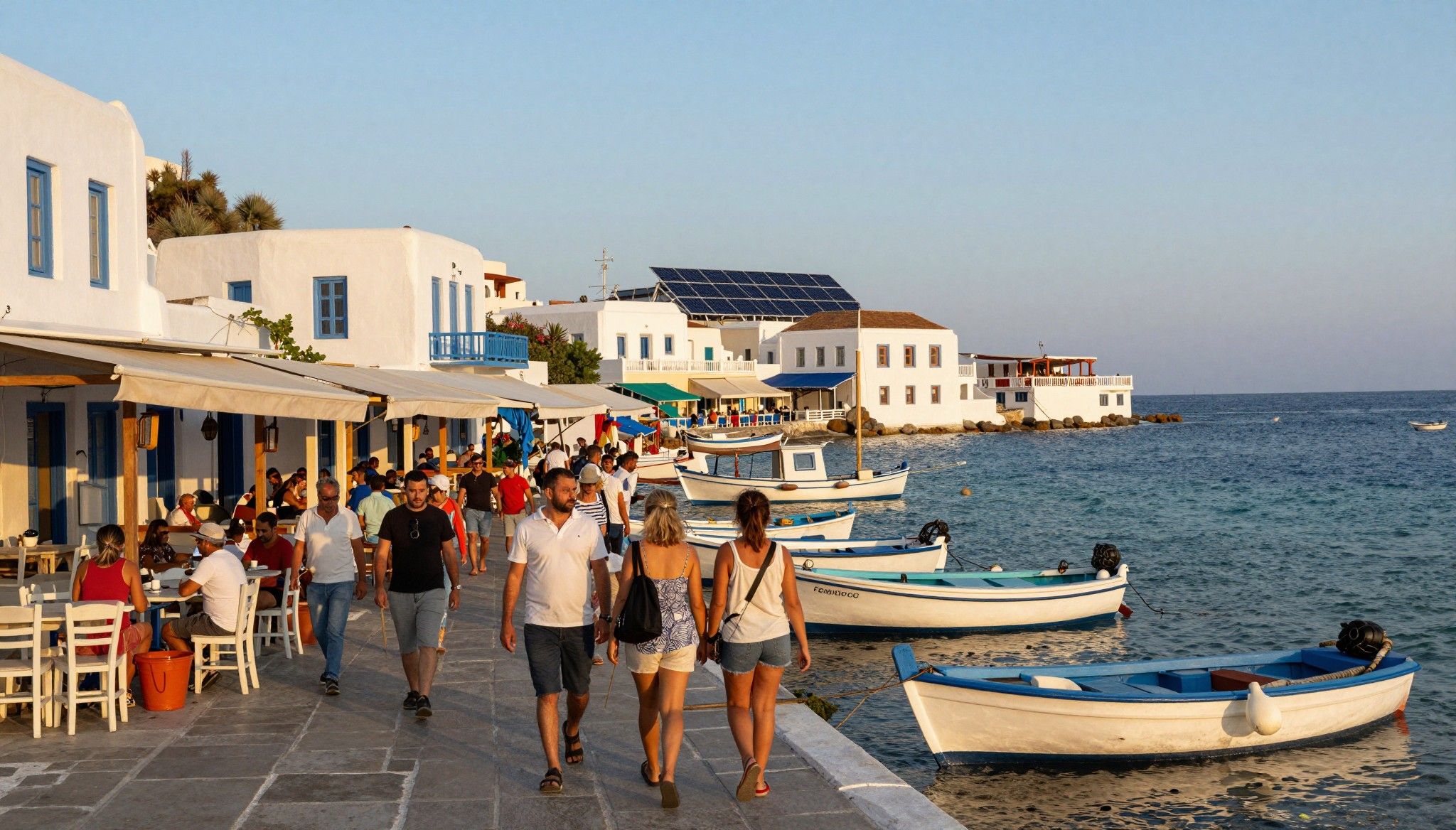
Imagine rising from a terrace in Split at dawn: the Adriatic silver beneath a line of fishing boats, the smell of fresh bakery bread from a nearby pekara, and a neighbour sweeping terraces as jasmine climbs a stone wall. In Croatia, life is lived slowly and outdoors — a rhythm that changes what you value in a home. Here we weave those textures with the realities of negotiation, closing and long‑term stewardship so you can buy in a way that honours place and protects value.
Living the Croatia lifestyle: senses, seasons and streets
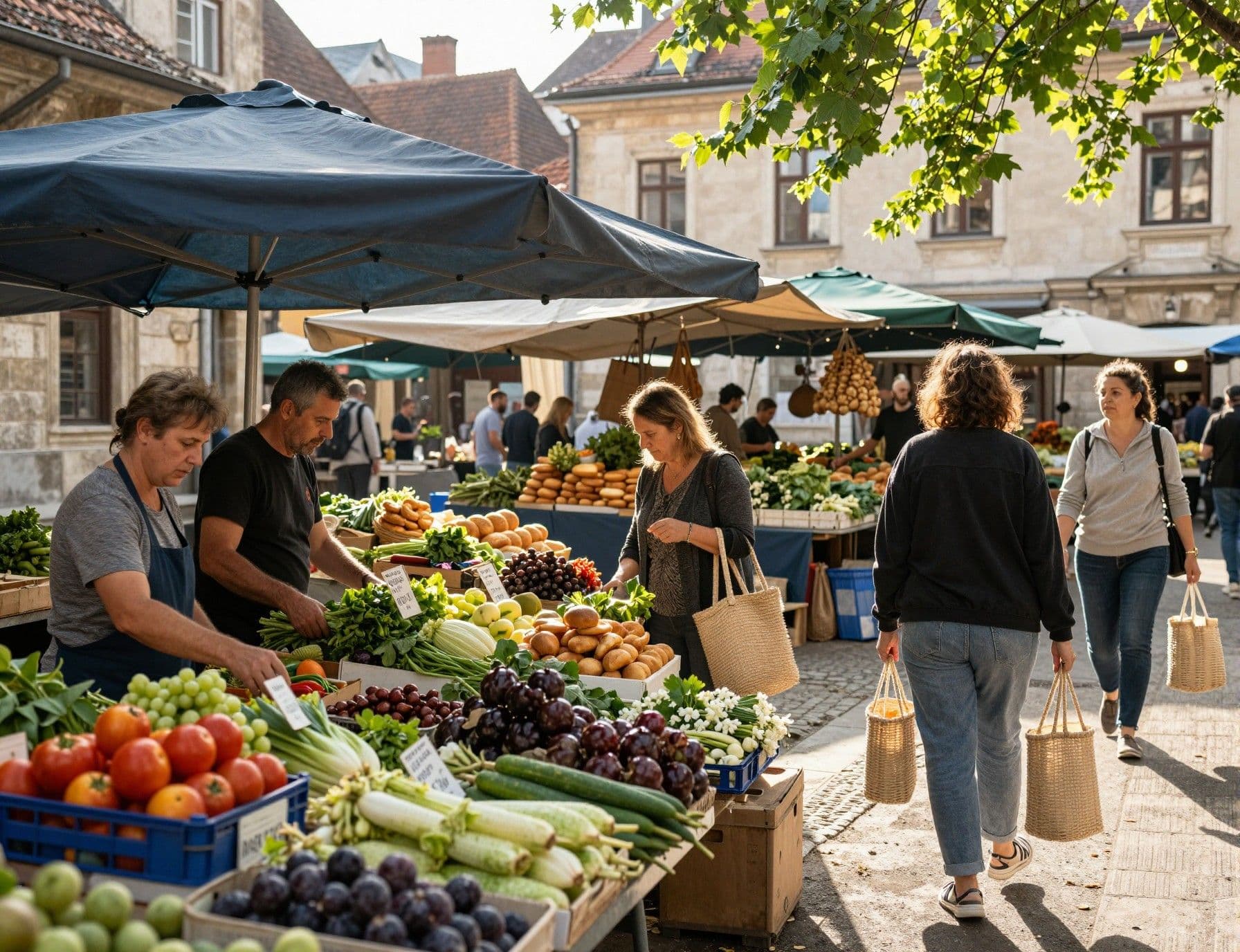
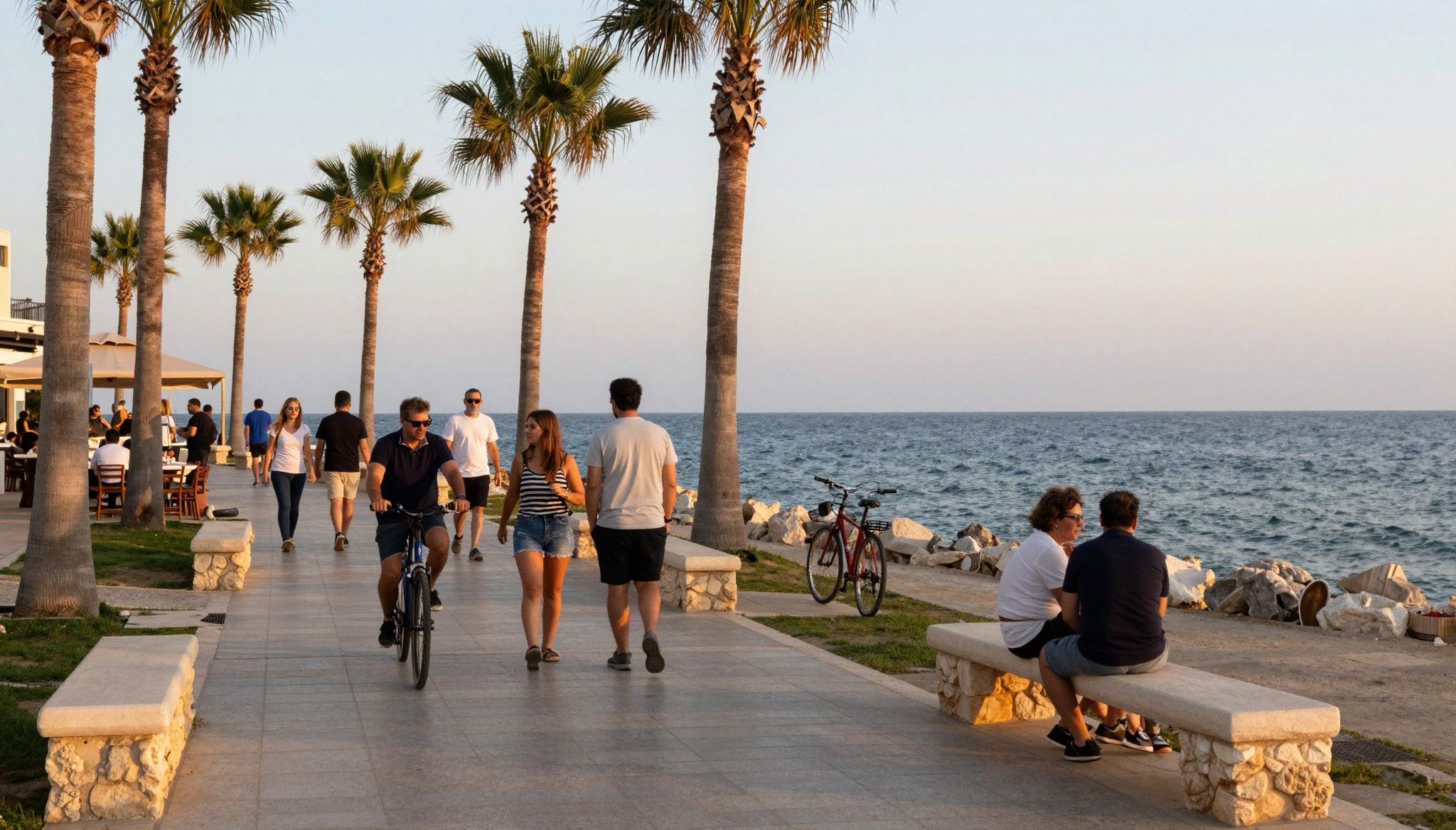
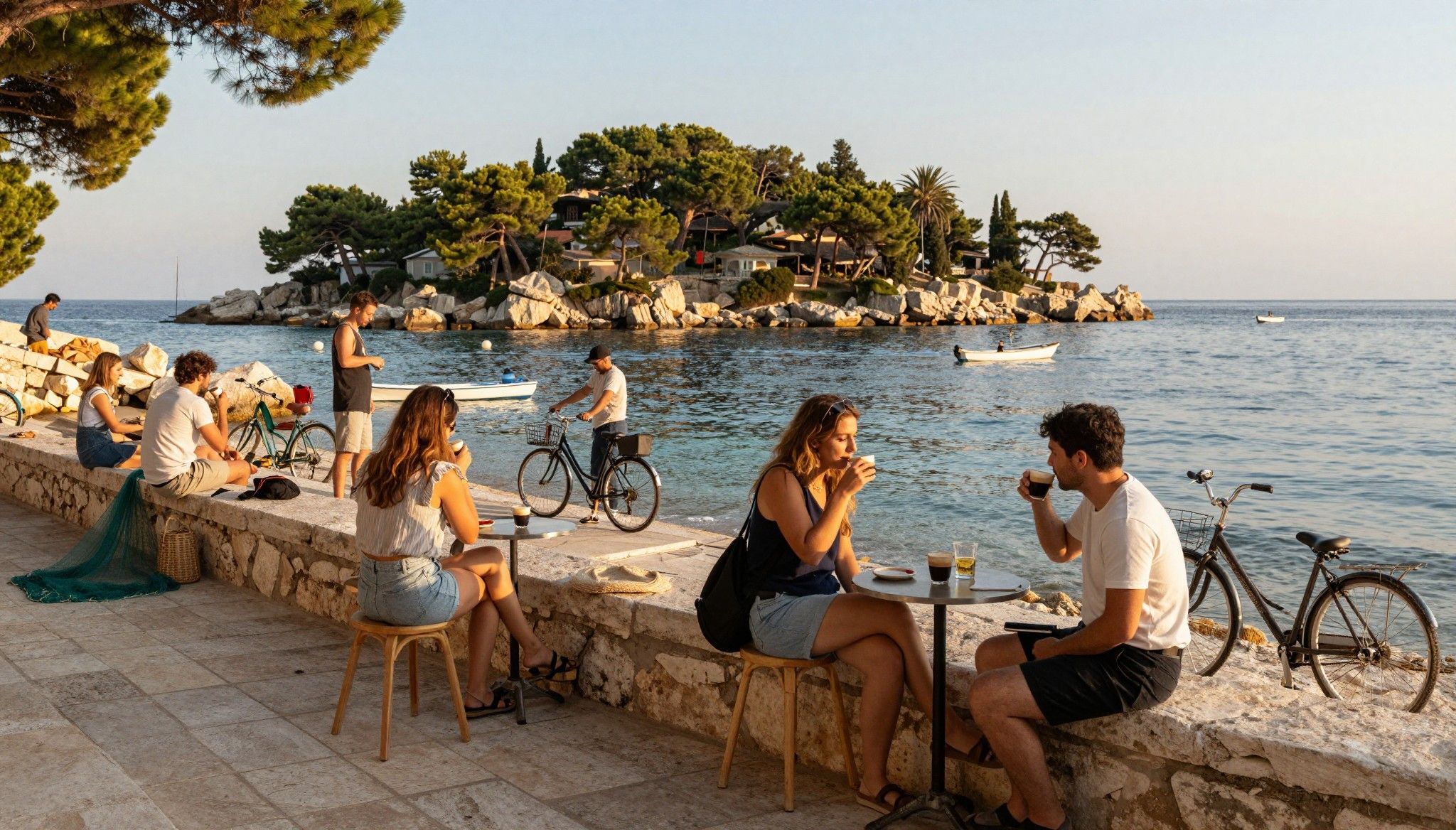
Croatia is a collage: medieval harbours (Dubrovnik’s Old Town), breezy promenades (Split’s Riva), truffle forests and hilltop olive groves in Istria, and quieter island life on Hvar or Brač. Days begin with strong espresso, markets like Zagreb’s Dolac fill with produce, and evenings often end with small plates of grilled fish and conversations that last late into the blue hour. That sensory life shapes what buyers truly want — outdoor kitchens, shaded loggias, and rooms that open to sea breezes rather than airtight, heater‑dominated shells.
Spotlight: Split, Dubrovnik, and Istria — different coastlines, different promises
Split feels lived‑in and practical: stone alleys, morning markets, and a strong café culture where neighbours meet. Dubrovnik sells the postcard — intense tourism yet incomparable light and heritage architecture. Istria trades sea views for hilltop truffle restaurants, vineyards and an interior rhythm that attracts slow‑life buyers. Each area asks for different stewardship: maintenance of limestone façades in Dubrovnik, olive‑grove care in Istria, and coastal humidity mitigation for Split properties.
Food, markets and small rituals that shape daily life
Picture a Saturday at Dolac market in Zagreb, a glass of malvazija in Rovinj at sunset, or morning fisherman auctions in Zadar: these rituals give rhythm to neighbourhoods and affect where you’ll want to live. If you dream of farm‑to‑table living, look for properties with garden space or nearby markets; if café life is essential, historic centre flats with small balconies trump sprawling (but isolated) villas.
- Lifestyle highlights to match to property types: - Morning market runs (Dolac, Split Fish Market). - Sea‑front promenades for evening life (Split’s Riva, Zadar waterfront). - Hilltop vineyards and truffle foraging in Motovun and central Istria. - Island slow‑living on Hvar, Brač or Vis. - Urban culture, galleries and theatres in Zagreb.
Making the move: practical considerations tied to lifestyle
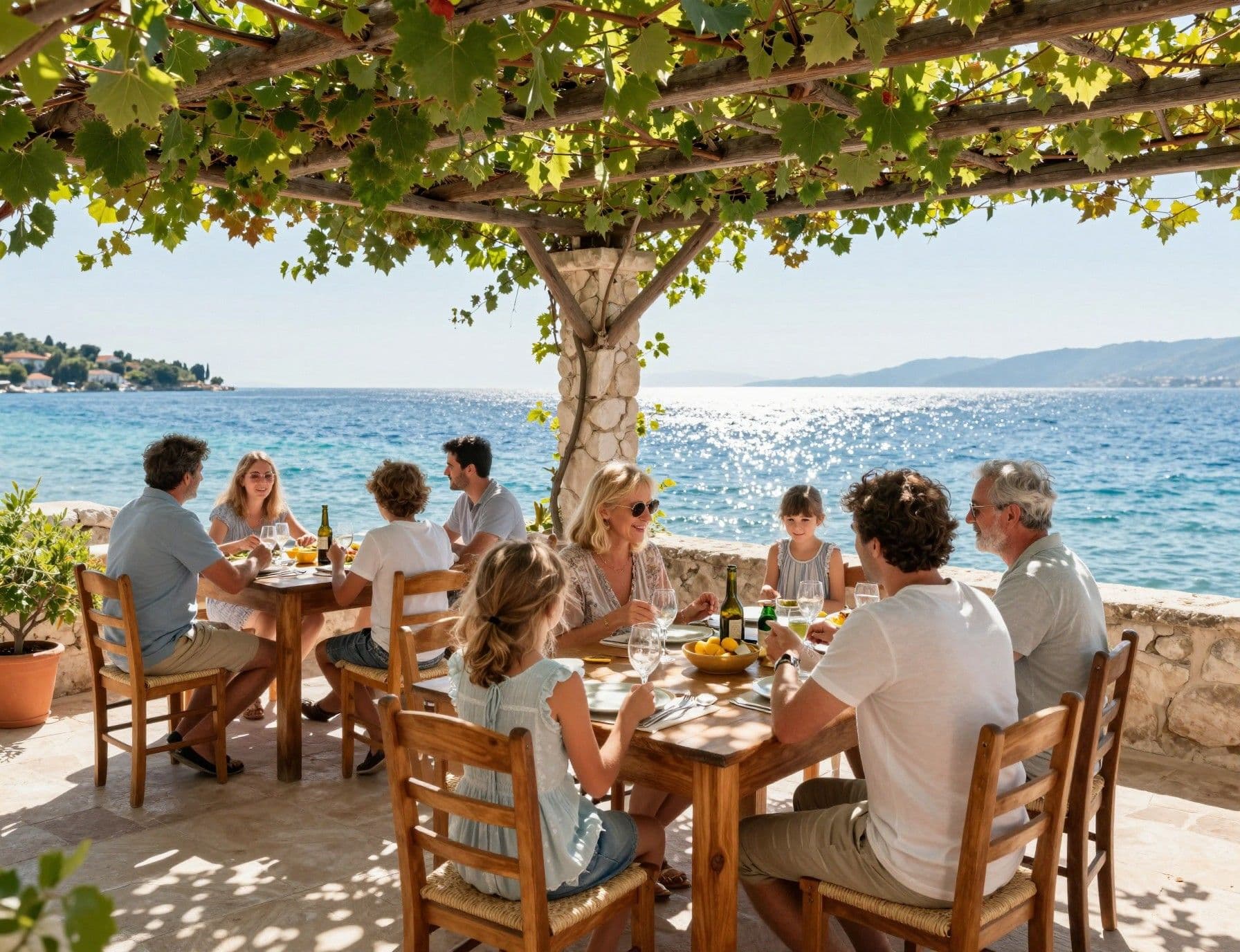
The dreamy scenes sit beside measurable market shifts: recent reporting and market summaries show a cooling in foreign buyer activity and longer days‑on‑market in 2025. Knowing this helps you negotiate from a position of clarity — not haste. Use up‑to‑date transaction data and local agent knowledge to time offers and insist on stewardship clauses that protect both property and place.
Property styles and what they mean for daily life
Stone townhouses invite intimacy with the street but often demand ongoing restoration; new coastal builds may offer PV panels and better insulation but sometimes lack the shading and thick walls that make old houses so pleasant in summer. Match style to routine: if you value morning sun and an edible garden, prioritize ground‑level access and micro‑climate; if you want low‑maintenance lock‑and‑leave, modern apartments with energy‑efficient systems are preferable.
Working with experts: choose stewardship‑minded partners
- Steps to ensure a closing that preserves lifestyle value: 1. Hire a local agent who understands seasonal occupancy and maintenance costs. 2. Commission an ecological property inspection (moisture, salt exposure, PV/battery systems). 3. Include a negotiated maintenance credit or transitional stewardship plan in the sale contract. 4. Register clear post‑closing responsibilities for shared infrastructure (roads, septic, terraces). 5. Budget for landscape stewardship: olive‑tree pruning, terraced‑stone repair, and wildfire defensible space where relevant.
Insider knowledge: what expats wish they'd known
Many expats say the biggest surprise wasn’t paperwork but the seasonal pulse: towns can be vibrantly full in summer and hushed for months. That affects rental income, maintenance rhythms, and neighbourhood life. Another common lesson: small, local investments in finishings (shaded pergolas, cisterns, native gardens) yield outsized returns in enjoyment and resale appeal.
Cultural integration, language and community rituals
Learning a few Croatian phrases opens doors; shopping at the local pekara or serving wine at a neighbourhood grill builds trust. Participate in seasonable events — town feast days, harvest festivals, or olive‑press gatherings — and you’ll quickly learn the unspoken rules about noise, renovations and neighbourly courtesy. These customs determine where you’ll be welcomed long term.
Long‑term stewardship: maintaining value and place
Treat stewardship as part of negotiation: request documented maintenance histories, include clauses for olive/stone maintenance credits at closing, and build a multi‑year upkeep plan into your budget. Prioritise on‑site water management, native plantings, and passive cooling — small ecological investments protect both comfort and capital in Croatia’s Mediterranean climate.
- Red flags to watch during closing: - Missing documentation for coastal extensions or terraces. - No records of moisture/salt remediation works. - Unclear ownership of shared infrastructure (access roads, wells). - Overstated rental yield projections based solely on peak‑season data. - Absence of routine‑maintenance receipts for historic stonework.
Conclusion: buy the life, steward the place. Croatia rewards buyers who arrive with curiosity and patience — who want morning markets, late sunsets, and neighbours who look after one another. Make negotiation and closing about more than price: secure stewardship commitments, align the property to seasonal living, and choose local partners who treat the home as part of an ecosystem. When you do, your purchase becomes a way to belong, not just to own.
Dutch property strategist who helped 200+ families find sustainable homes in southern Europe; expert in legal pathways and long-term stewardship.