Close with Care: Sustainable Stewardship in France
Fall in love with French life then close with care: marry market data and local stewardship to secure a seasonal, sustainable home in France.
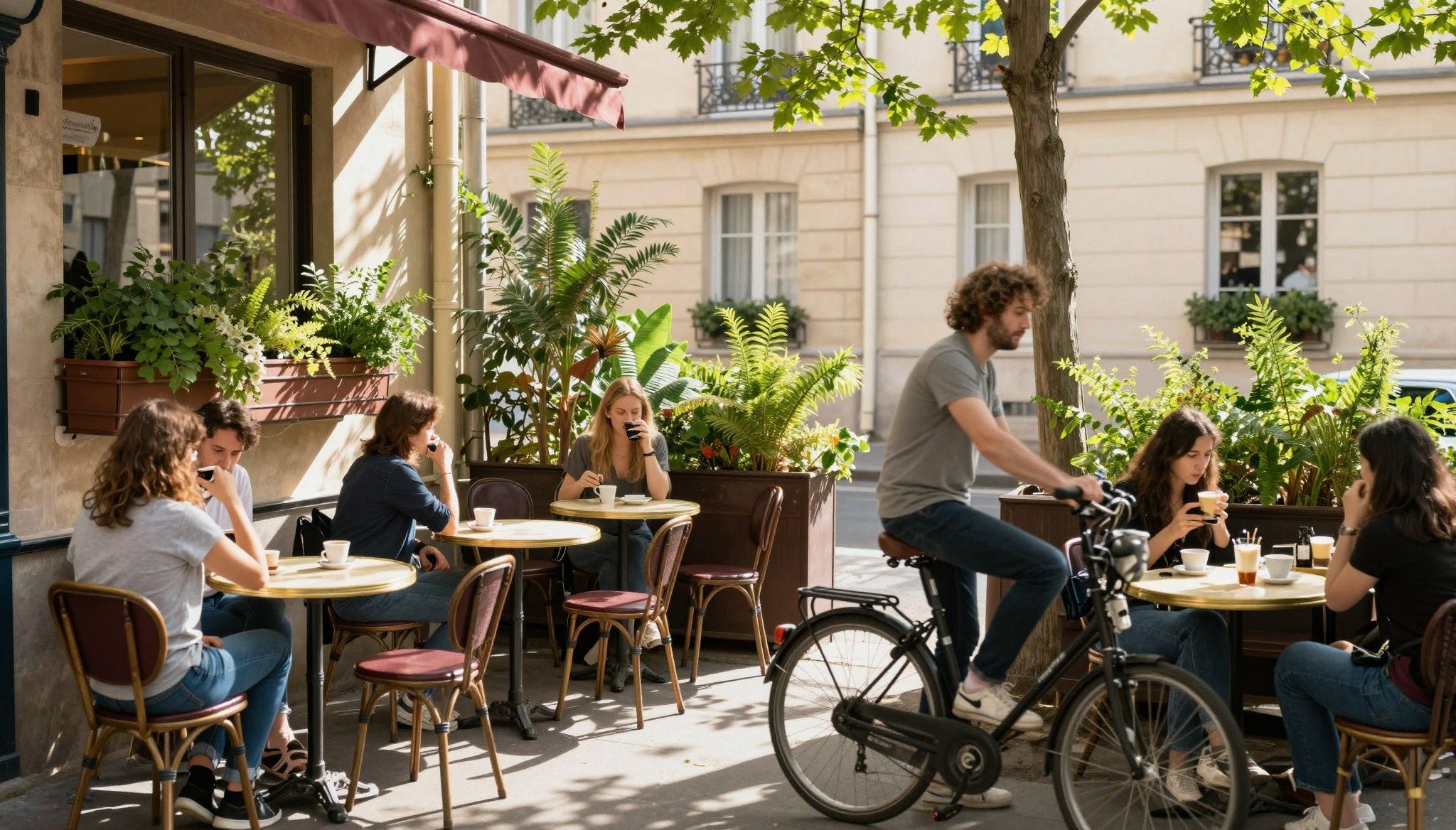
Imagine waking to the scent of a boulangerie on Rue Mouffetard, cycling through plane‑lined avenues in Bordeaux before lunch, or dropping into a weekday marché in Aix‑en‑Provence for sun‑ripened tomatoes. France is not a single life but a dozen — city apartments with courtyard gardens, limestone farmhouses tucked into oak woods, seaside houses that open onto the tide. For international buyers drawn to France’s rhythms, the final steps — negotiation, closing and long‑term stewardship — determine whether a property becomes a seasonal fling or a lifelong home.
Living the French life: textures, markets and seasons
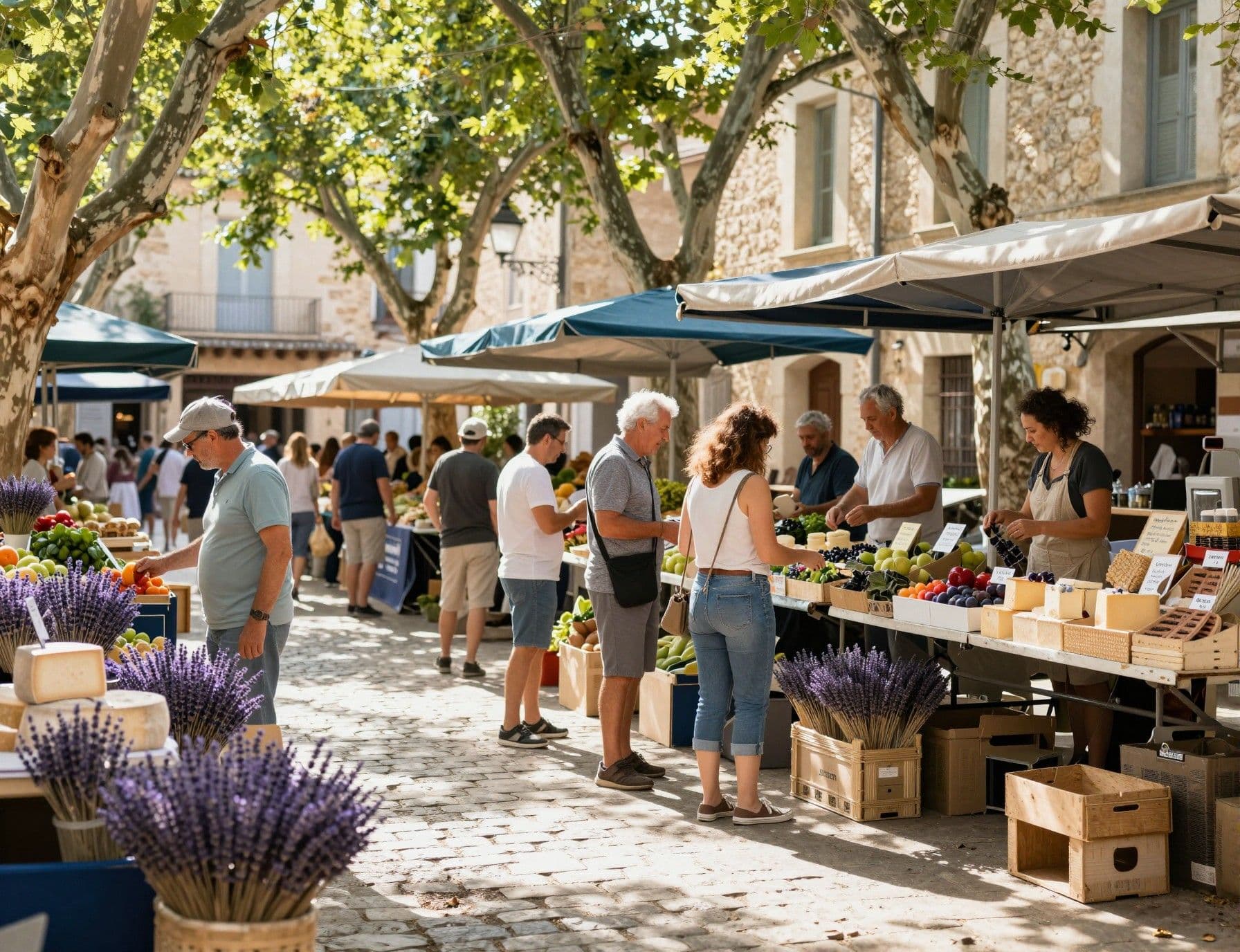
The feeling of life in France is tactile and seasonal. Mornings begin slowly with espresso or a tasse de thé in a local café; afternoons are for marché runs and lingering conversations; evenings are long and salted by local wine. Light and weather shape how houses are used: high summer in the south invites open shutters and terraces, while northern autumns ask for thick curtains, wood fires and well‑insulated walls. Choosing a home here means choosing a tempo — and learning how to steward a property through years of seasonal life.
Neighbourhood flavours: Paris lanes, Provence lanes and coastal calm
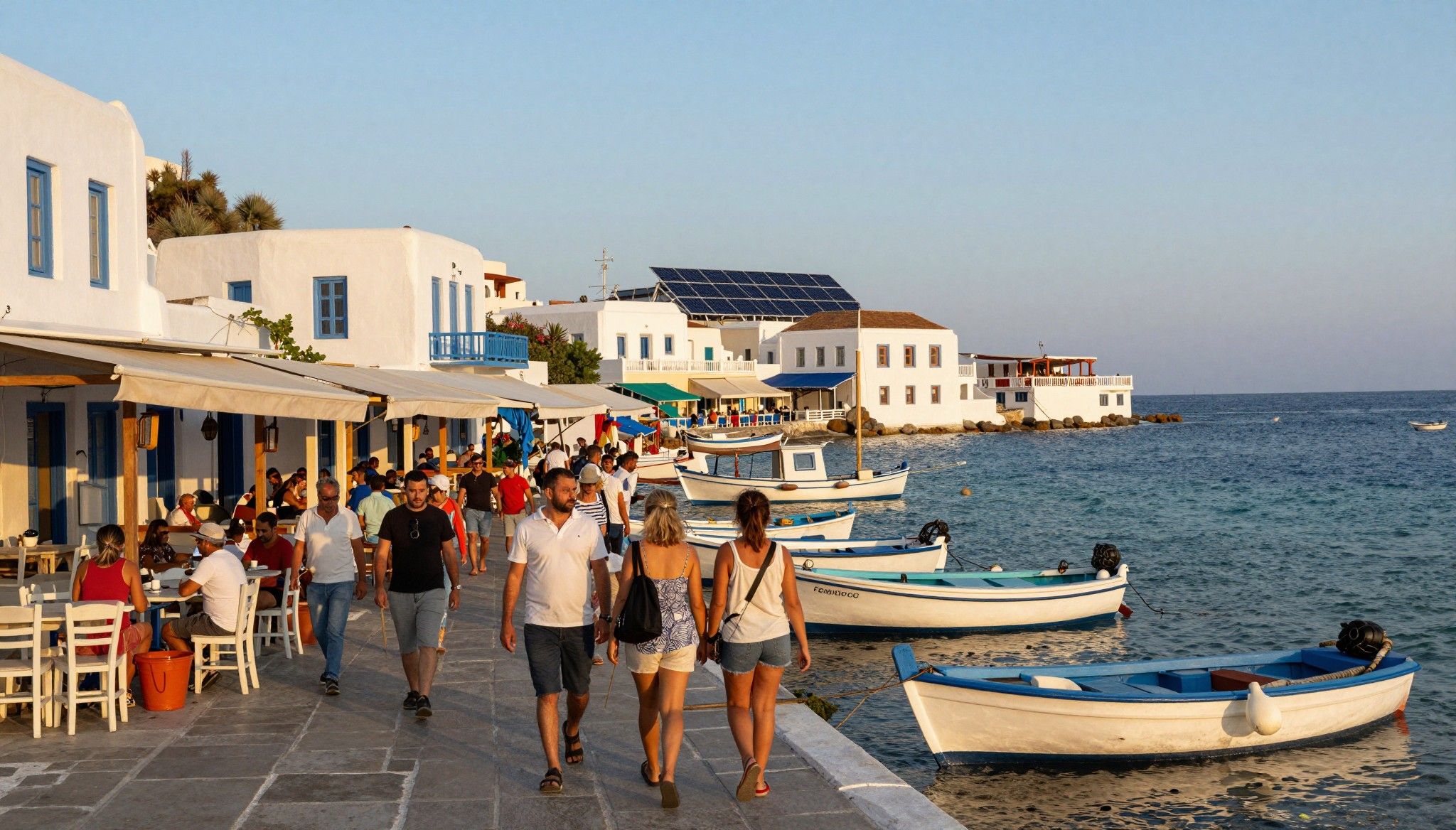
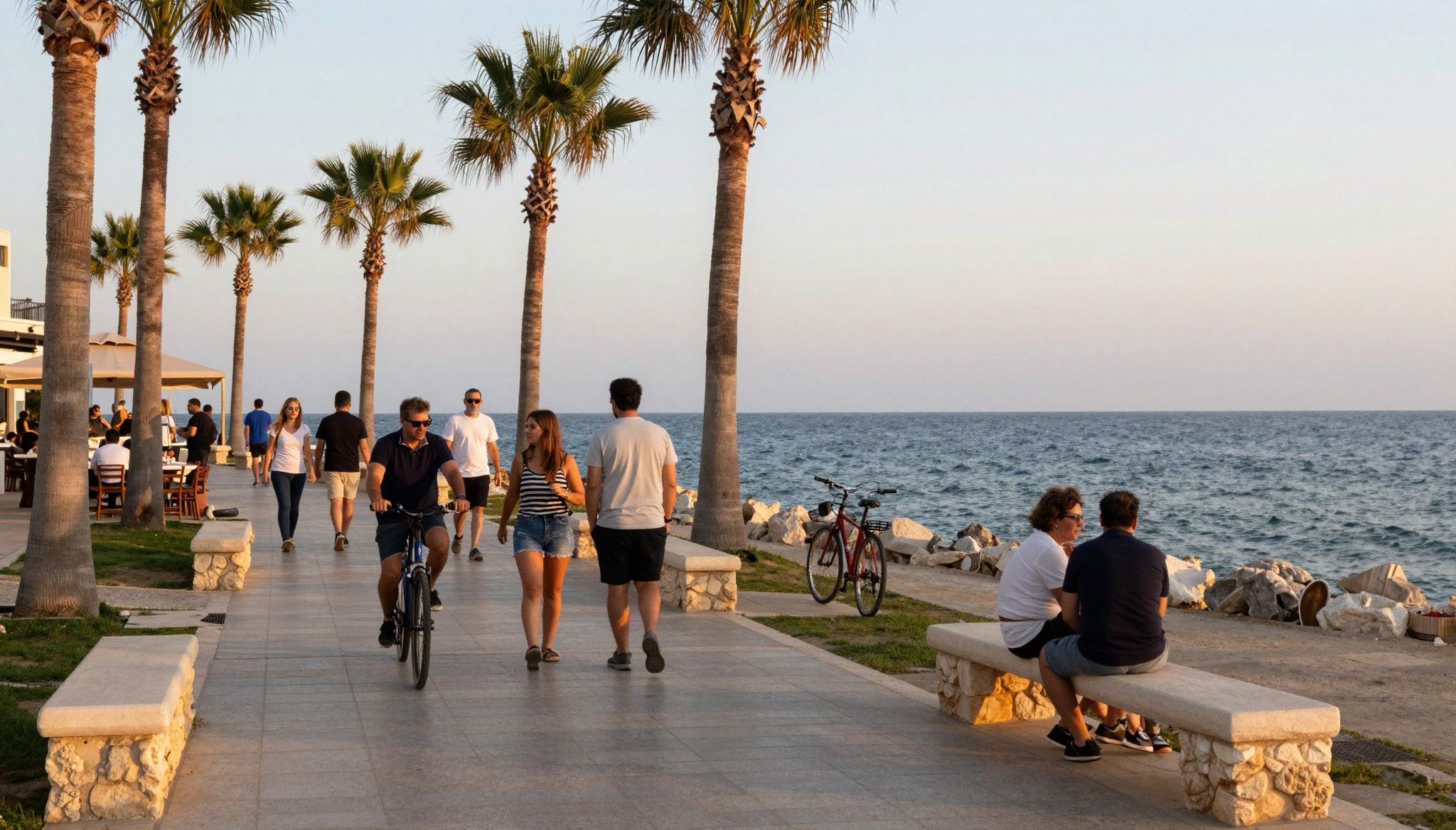
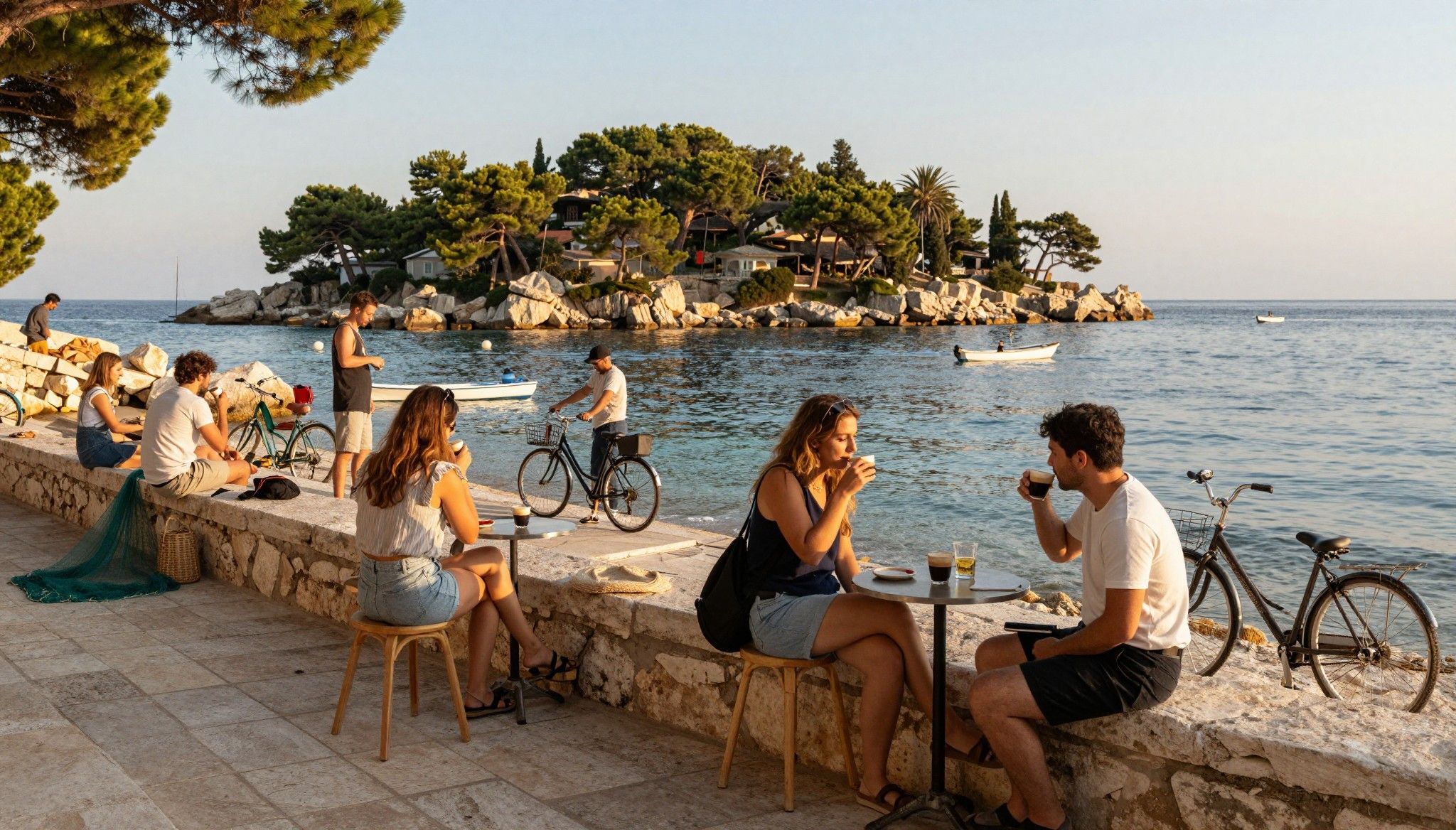
Each region speaks its own language of daily ritual. In Paris, streets like Rue des Martyrs pulse with cafés, independent bookshops and small neighborhood boulangeries; in Marseille the Endoume district holds fishermen’s terraces and late‑night pastis culture. In Provence, villages such as Saint‑Rémy and L'Isle‑sur‑la‑Sorgue revolve around Sunday markets and Provençal sun. Along the Atlantic coast, towns like La Rochelle combine salt air, oyster shacks and cycling paths that shape how gardens and terraces are used for much of the year.
Food, markets and community: how local life shapes property choice
Food is a daily social contract in France: weekly marchés, neighbourhood bouchers and afternoon visits to the fromagerie define routines and social networks. Buyers who picture garden dinners and vegetable beds should prioritise south‑facing courtyards, protected terraces and nearby markets. For those seeking year‑round community, look for streets with cafés that stay open through low season; for solitude and retreat, consider inland hamlets where local rhythms slow and night skies return.
Making the move: negotiation, closing and green stewardship
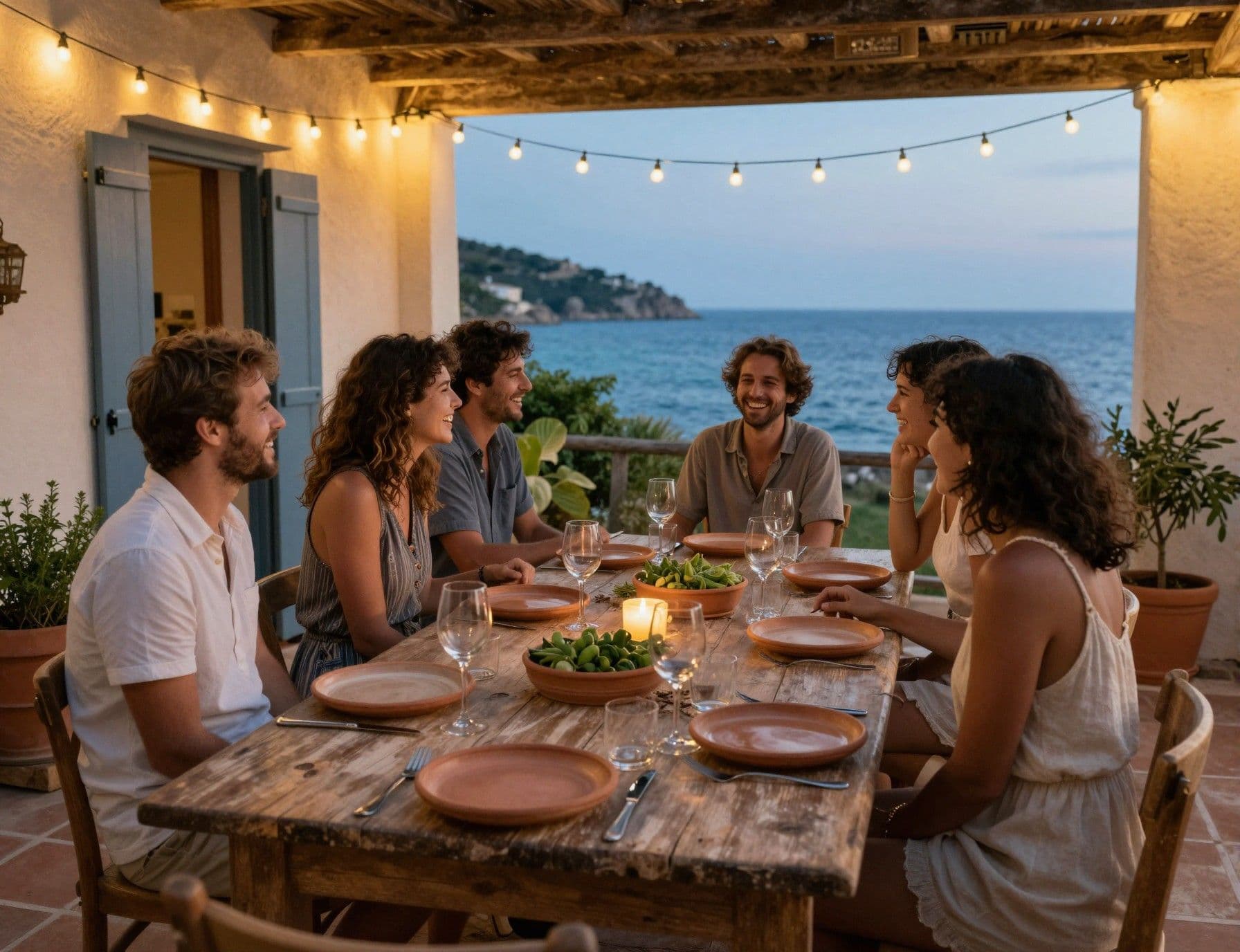
Dreams meet paperwork at the negotiation table. In France, closing is a rhythm of legal checks, mandatory diagnostics and a notaire’s oversight — but increasingly it also includes energy performance, renovation potential and stewardship plans. Recent changes to the energy performance diagnostic (DPE) mean many ratings are being updated, which affects resale value and renovation obligations. Buying with an eye for low‑impact upgrades — insulation, heat pumps, rainwater capture — pays in comfort and long‑term costs.
Property types and how they shape stewardship
Stone mas in Provence, Haussmannian flats in Paris, Breton granite cottages — each requires different care. Old stone homes breathe and suit lime‑based renders and natural insulation; apartment living asks you to understand copropriété (condominium) rules and shared‑energy responsibilities. Think ahead: roof condition, garden microclimate, and whether a property can accommodate modest renewables like solar panels without breaking a listed‑building code. Stewardship is not only maintenance; it’s curating the property so it fits seasonal life and local ecology.
- Steps to close with confidence (practical sequence)
1. Secure a local agent or advisor who understands regional seasons and building types. 2. Commission full diagnostics early (DPE, termite, lead, electrical report) and budget for upgrades. 3. Use conditional clauses in offers for title clearance, co‑ownership minutes, and planning permissions. 4. Agree with the notaire on disbursements, taxes and the estimated completion date before signing the compromis. 5. Create a simple stewardship plan: immediate weatherproofing, seasonal planting, and a renewable‑upgrade roadmap.
Insider knowledge: real talk from expats and market data
International buyers often arrive romantic and under‑briefed. Market data shows modest national price shifts in recent quarters, with regional variations between seaside hotspots and inland towns. INSEE and Notaires data indicate small upticks and slower falls at different times, so timing is less about a single perfect month and more about matching the season of life you want to lead with market realities. Expat owners repeatedly say: invest in a local notaire and a builder you trust — these two relationships save months of worry.
Cultural rhythms that affect negotiation and life
French negotiation is quiet and principled: expect measured offers, patience, and an emphasis on documented facts rather than hard bargaining theatre. Seasonal rhythms matter — sellers in quiet winter months may accept conditional offers that include a renovation timeline. Also note that national support for energy renovation (MaPrimeRénov') has shaped renovation demand, though application windows and availability change; factor public incentive timelines into your closing strategy if you plan upgrades. Practical humility — learning a few local phrases, attending a market day — opens doors faster than a higher bid alone.
- Expats’ top stewardship tips
• Schedule a seasonal checklist: winterise water systems in October, prune and mulch in March, check shutters after storms. • Prioritise attic and roof insulation before cosmetic upgrades — comfort and energy bills improve first. • Join the local mairie and neighbours’ WhatsApp to hear about planning notices and community initiatives. • Keep a trusted artisan for lime renders, stone repair and traditional carpentry rather than mass contractors. • Treat gardens as habitat: native plantings, pollinator pockets and modest rain harvesters increase biodiversity and reduce upkeep.
Conclusion: fall for France, close with care
France rewards patience: neighbourhoods reveal themselves slowly and homes repay careful stewardship. As you move from infatuation to ownership, prioritise diagnostics, a realistic renovation roadmap, and local partnerships — a notaire, a conscientious agent and one master artisan. With modest green upgrades and seasonal respect for place, a French property becomes more than a purchase: it becomes an ongoing conversation with landscape, community and time. Ready your senses, draft a stewardship plan, and let local experts help you close the door on transaction stress and open the door to life here.
Swedish advisor who left Stockholm for the Costa Brava in 2019. Specializes in sustainable, sea‑view homes for Scandinavian buyers and green finance insights.