Close with Care in Cyprus: Negotiate for Stewardship
Fall for Cyprus’s light and stone—then close with stewardship: negotiate solar, water and communal care into contracts to protect lifestyle and value.
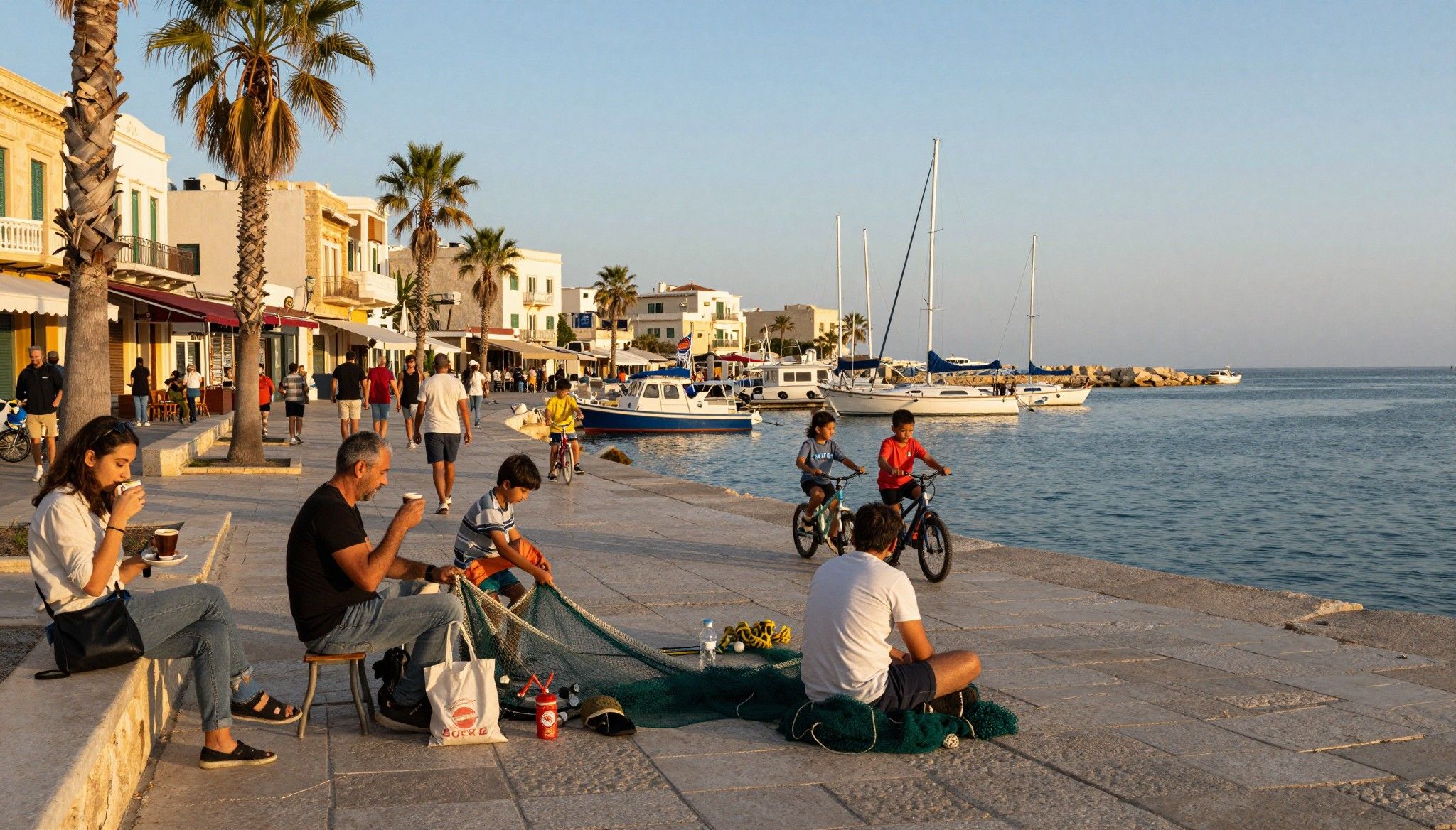
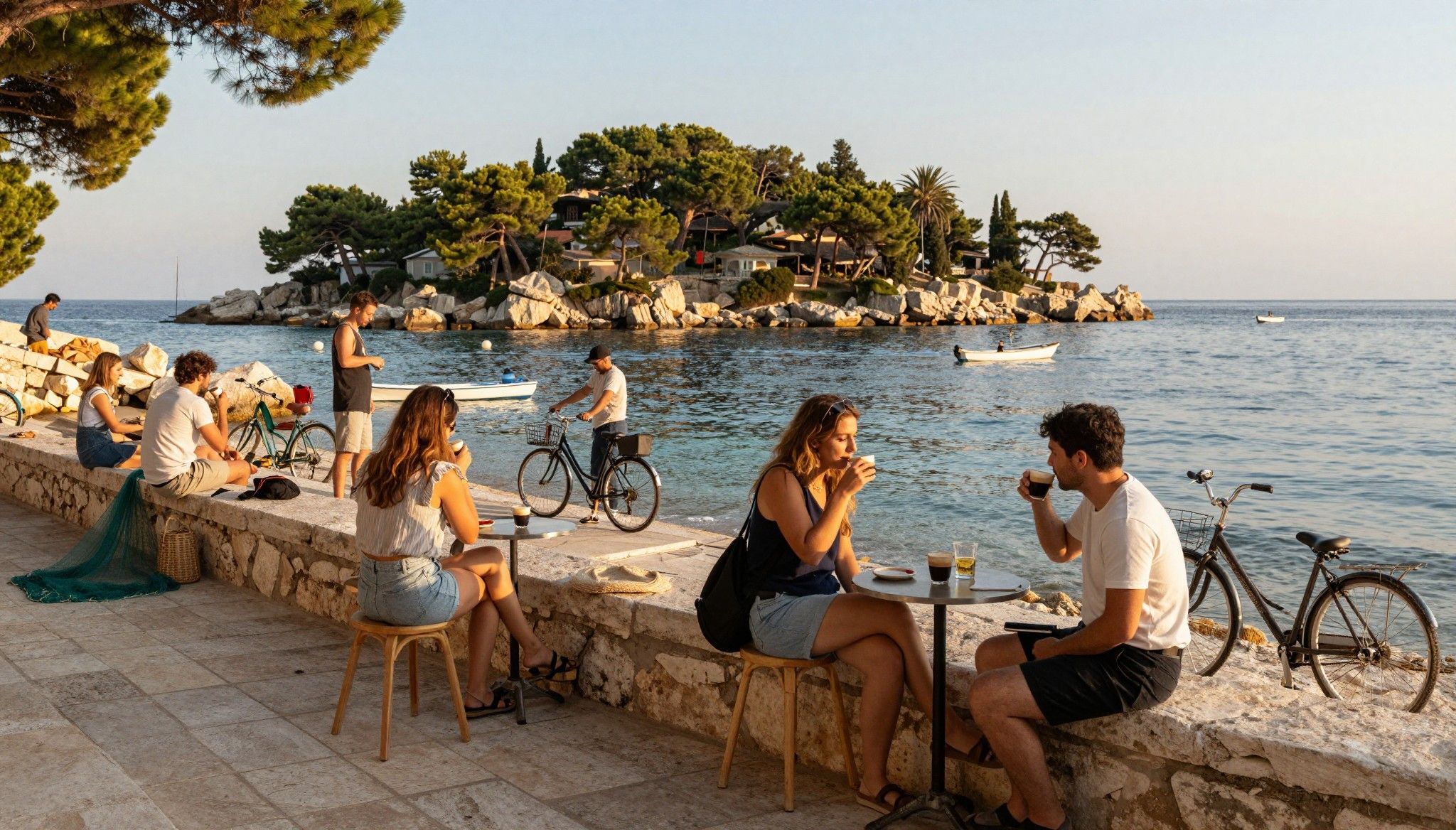
Imagine waking to the smell of strong coffee and sea salt, then walking from a honey‑stone townhouse on Limassol’s old seafront to a small café where fishermen argue softly about the morning’s catch. That easy, sunlit rhythm is why buyers fall for Cyprus. But closing is where the dream meets detail: negotiation shapes not only price but the home’s future—its energy use, its garden, and its place in a fragile island ecosystem.
Living Cyprus: light, stone and seasonal life
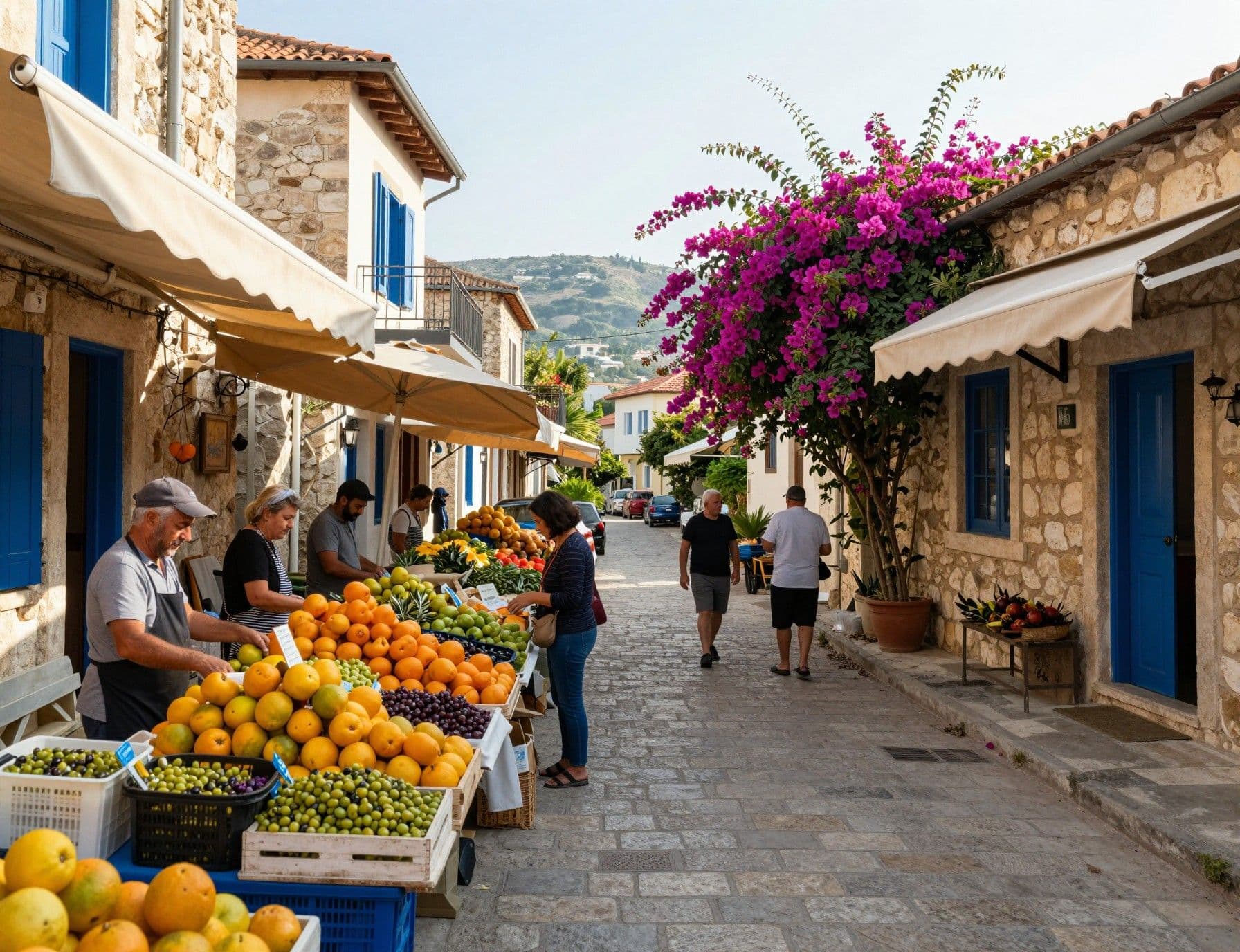
Cyprus isn’t a single lifestyle; it’s a palette. Coastal towns pulse with café culture and marina evenings, while the Troodos foothills offer village markets, stone ovens and a slower cadence. House Price Index data show steady price movement across regions, reminding buyers that each micro‑market has its own season—and its own stewardship needs.
Limassol & Agios Tychon: cosmopolitan coasts
Limassol hums from dawn to late night. Marinas, boutique bakeries on Anexartisias and a weekday produce market near the old port make this a place for those who want both social life and seaside walks. When you buy here, expect modern builds and new developments—great for retrofit solar and smart water systems, less for ancient stone character.
Paphos & Polis: historic silence and slow summers
In Paphos and the Akamas‑fringed Polis, mornings are for wandering Roman mosaics and afternoons for shoreline tavernas. Properties here range from restored farmhouse courtyards to coastal villas; buyers prize land, olive trees and the quiet, which means stewardship plans should include waterwise gardens and passive cooling rather than high‑maintenance pools.
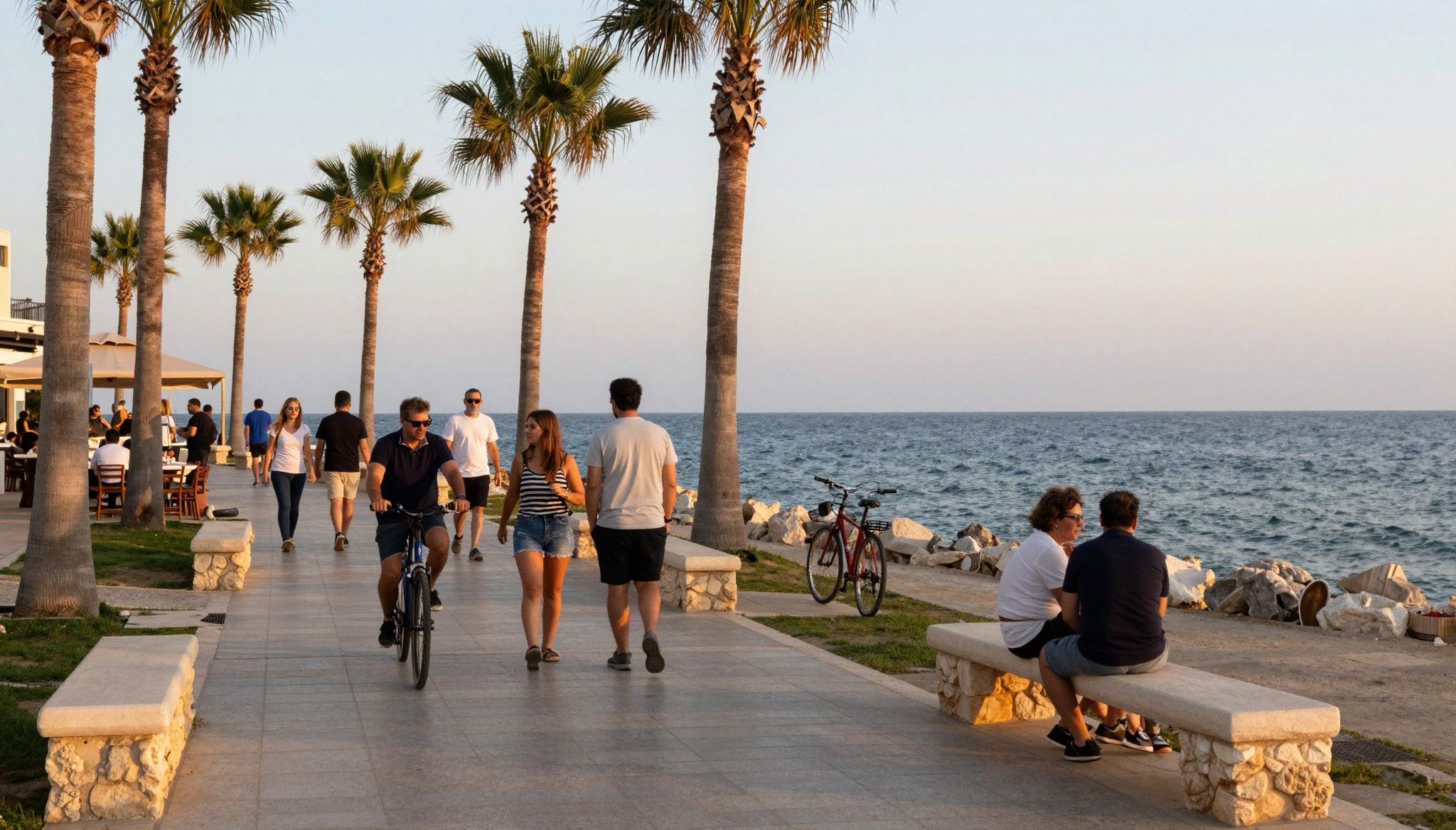
- Lifestyle highlights: farmers’ market breakfasts (Nicosia’s Laiki market or Paphos weekly markets), evening promenade strolls in Limassol, Troodos berry harvests in summer, sea swims at Lara Bay, weekday espresso at Anexartisias cafés.
Making the move: close with climate and community in mind
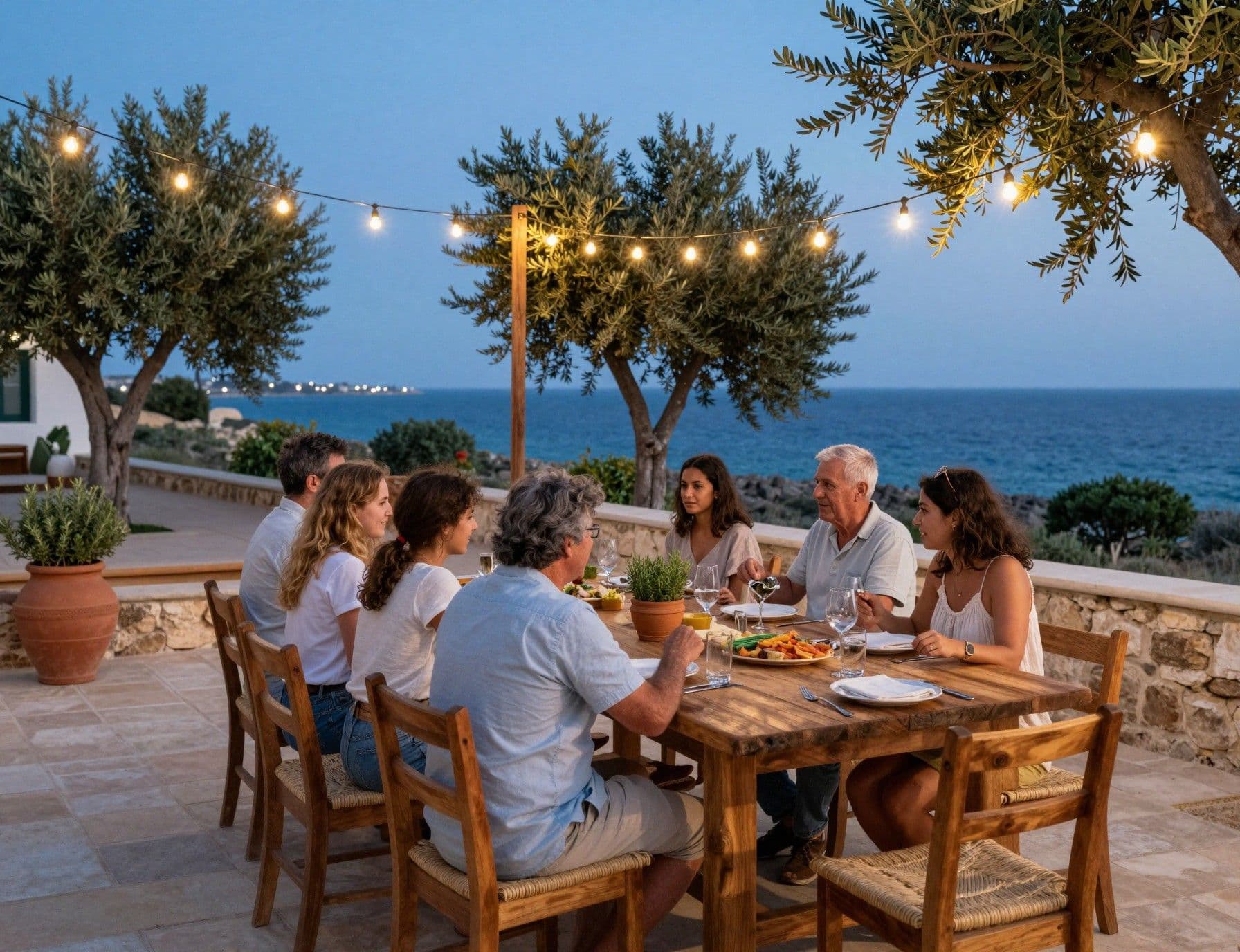
The practical steps of buying are familiar—offer, contract, deposit, permits—but in Cyprus the right negotiation secures long‑term stewardship. For non‑EU buyers the permit process is formalized; understanding timelines, district officer requirements and how conditions (like retaining olive trees or limits on land use) can be written into the deed makes the difference between a beautiful house and a burdensome obligation.
Property types and how they shape daily life
A terraced apartment near Limassol’s old harbour offers walkability and small‑garden stewardship (balcony herb boxes and shared greywater systems). A restored stone village house in Kakopetria invites low‑energy heating, thick walls and a courtyard orchard. Each type asks different negotiation priorities—permission for PV, water tank placement, or conservation clauses for mature trees.
Work with experts who protect place value
- Steps to close with stewardship clauses: 1) Ask your lawyer to add specific maintenance and native planting covenants to the title. 2) Negotiate seller contributions to a solar or insulation upgrade fund at closing. 3) Insist on clear documentation of water rights, olive tree ownership and irrigation lines. 4) Require an inventory of fixtures, local waste‑management arrangements and contact details for existing neighbours or caretakers.
Insider knowledge: what expats wish they’d known
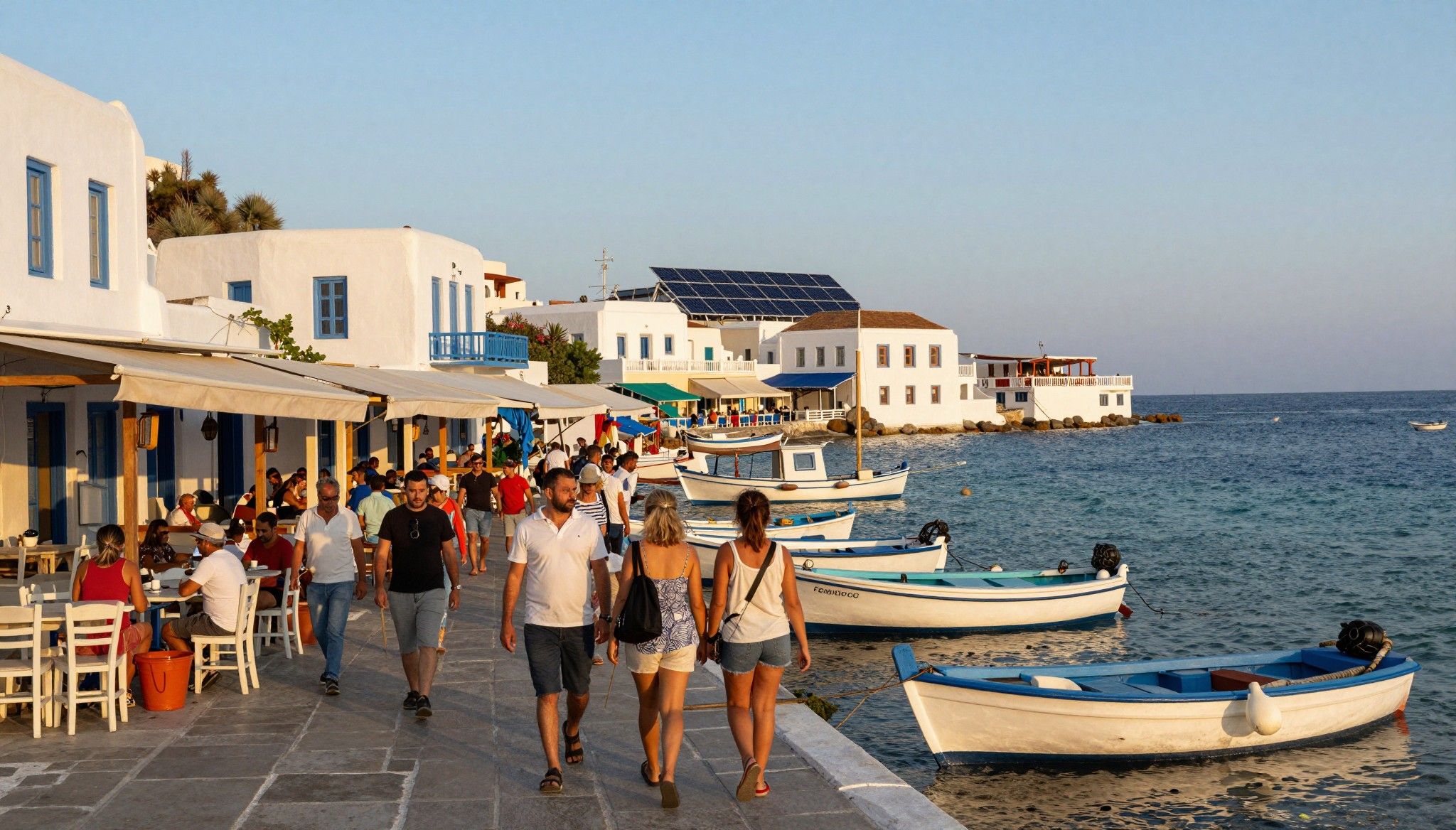
Buyers often underestimate how quickly Cyprus embraces practical sustainability: from ubiquitous solar hot water to a rising share of rooftop PV. Around one in six homes now generates solar power—an island culture that rewards low‑impact homes with lower running costs and stronger resale appeal. Negotiating for existing or planned renewable upgrades pays off in comfort and value.
Cultural cues that change where you buy
Cypriot life is social and seasonal: expect late dinners, festival weekends (local church festas) and a neighbourly exchange of produce. That social fabric affects stewardship—shared courtyards need agreed maintenance, and communal systems (septic, water or photovoltaic arrays) require clear contracts at purchase.
Long‑term thinking: how the house becomes part of the island
- Practical priorities for stewardship and resale: 1) Insulation & shading: lower summer cooling needs and preserve stonework. 2) Solar & hot water: confirm meter details and export terms; ask for recent bills. 3) Water management: negotiate installation or upkeep of rain tanks and greywater systems. 4) Native landscaping: prioritise local species to reduce irrigation and support biodiversity. 5) Community agreements: secure written responsibilities for shared walls, pathways and common gardens.
If you want Cyprus as a place to live, not just an asset, close with the future in mind. A carefully written contract can fund a rooftop PV retrofit, guarantee tree protection, or set up a local caretaker for your first two winters. These are negotiation moves that deliver both lifestyle and long‑term stewardship.
Conclusion — fall in love, then close with care: visit markets and beaches, taste the slow‑cooked halloumi and meet neighbours. Then bring that sensibility to the table when you negotiate: include restoration budgets, renewable clauses and community maintenance in the sale. Work with lawyers, local agents and sustainability‑minded contractors to make sure your Cyprus home is beautiful, resilient and part of the island’s living landscape.
Dutch property strategist who helped 200+ families find sustainable homes in southern Europe; expert in legal pathways and long-term stewardship.