Buy in France During Harvest: A Greener Closing Strategy
Buy in France when the markets quiet: use harvest‑season visits, stewardship clauses and local experts to close sustainably and save on long‑term costs.
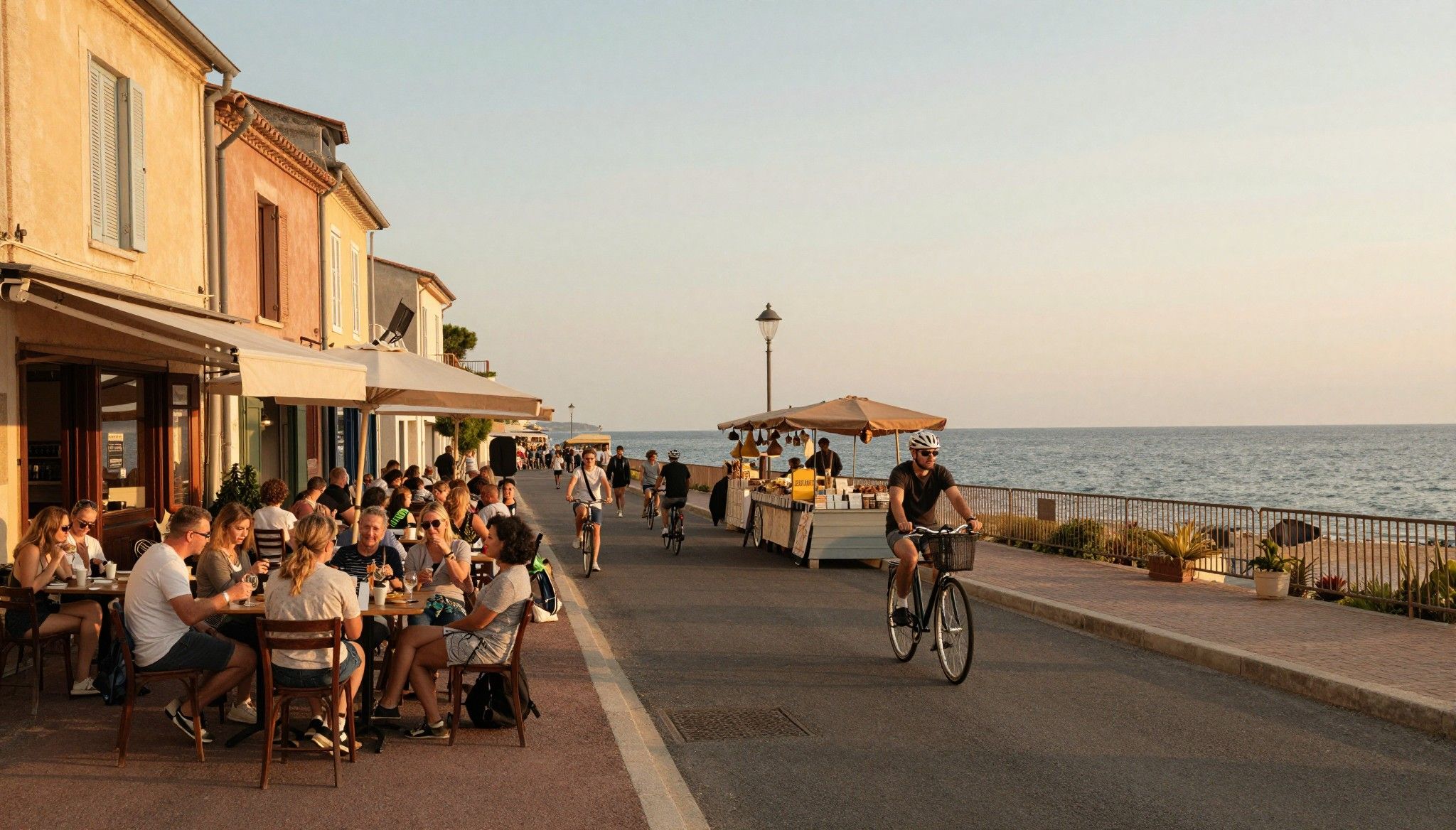
Imagine arriving in a small French marché at dawn: steam rising from a vendor’s cassoulet, a basket of wild mushrooms, and the low hum of neighbours greeting one another. That quiet season—harvest and market months—reveals a way of life where property and landscape are inseparable. For international buyers who care about ecology, community and long‑term stewardship, closing in these quieter months can be a strategic, sensory, and sustainable choice. Recent Notaires‑INSEE data show the market’s subtle seasonal shifts; pairing that knowledge with stewardship-minded negotiation can lower cost and increase long‑term value.
Living the France life: rhythm, markets and micro‑neighbourhoods
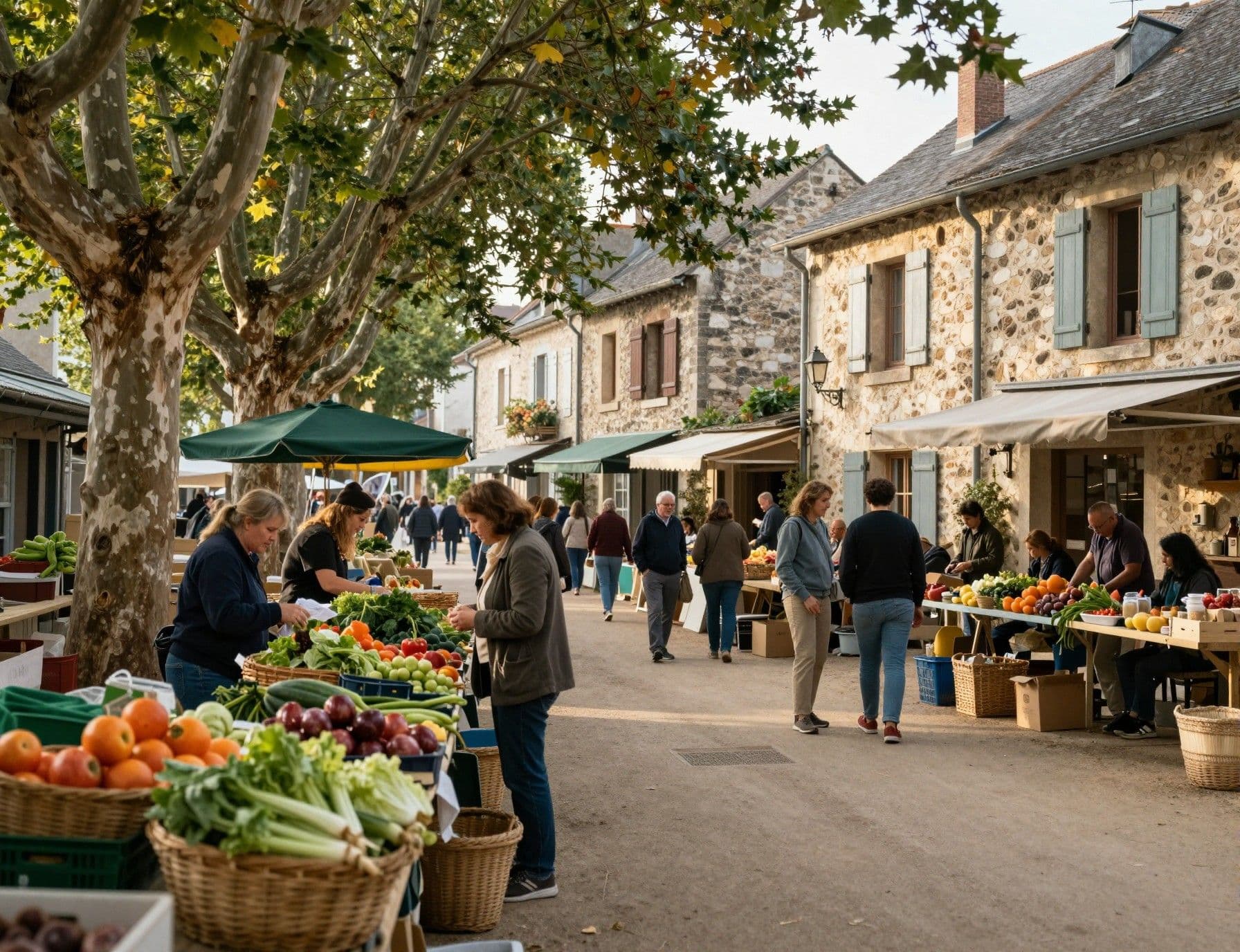
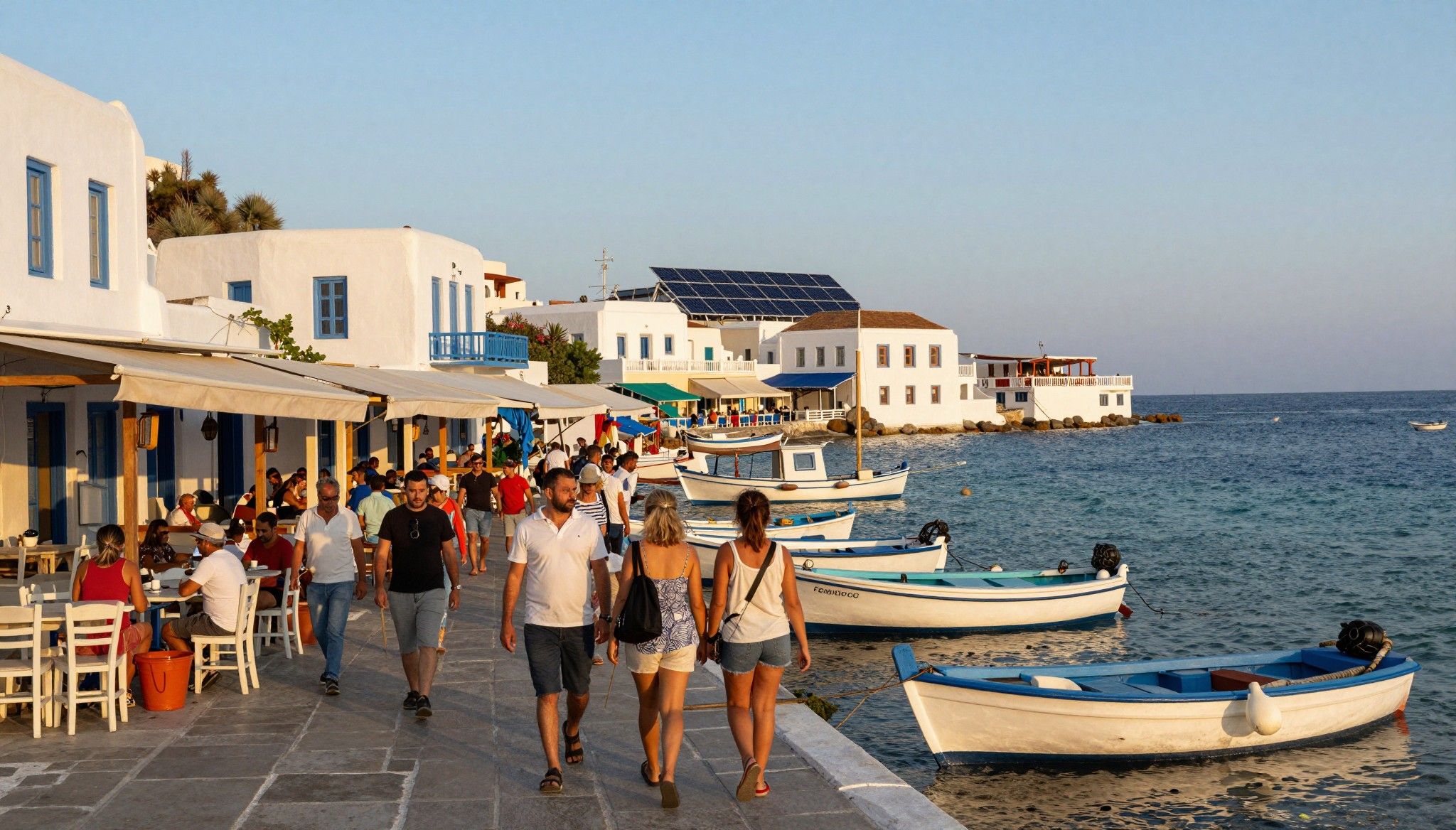
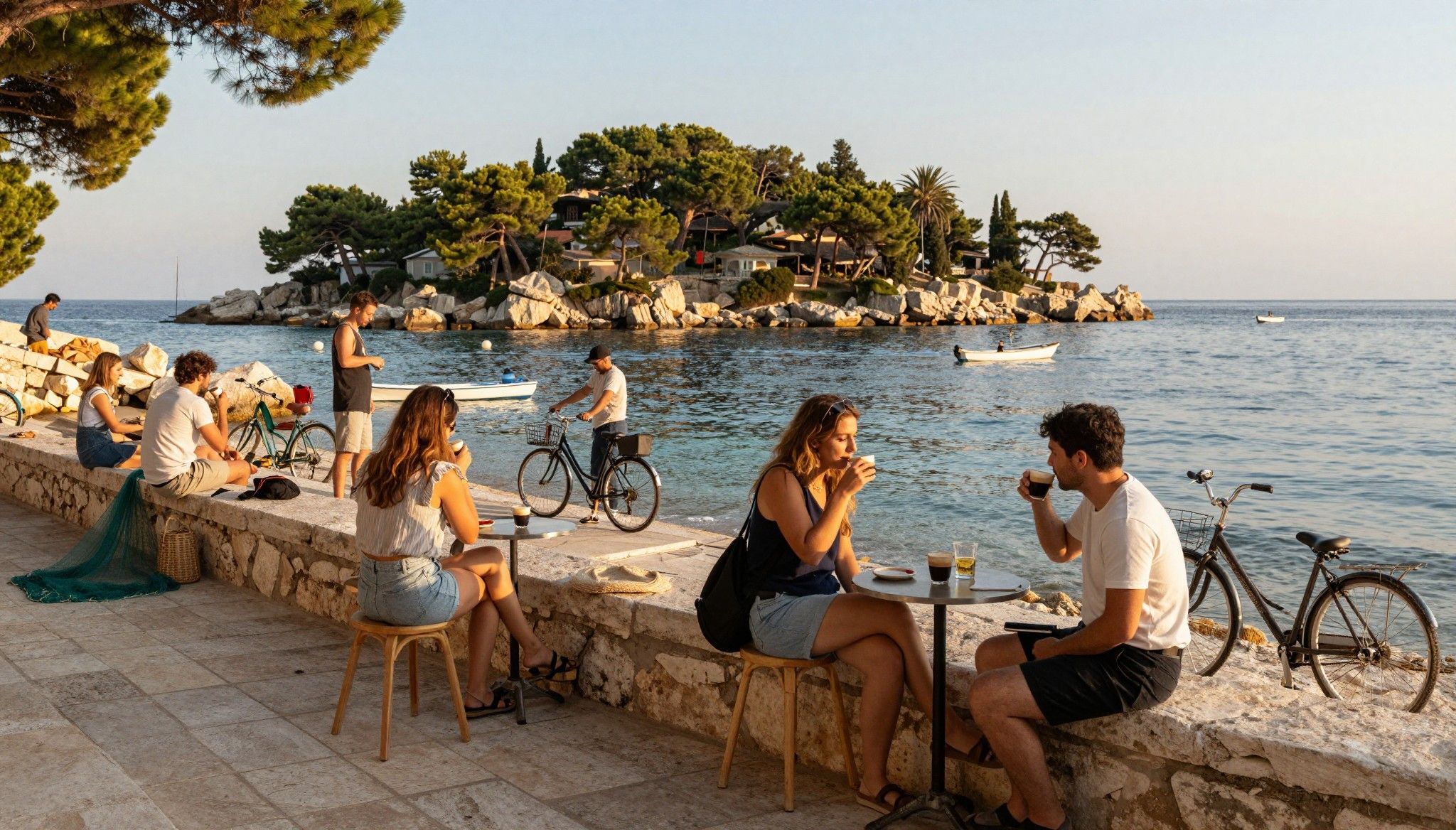
France is not one palette but many: morning espresso on Rue Montorgueil, oyster stalls along Cap Ferret’s oyster beds, lavender-scented lanes of the Drôme. Life here moves with markets, municipal fêtes, school calendars and harvests. Each neighbourhood—La Croix‑Rousse in Lyon, Saint‑Germain in Paris, the fishing port of La Ciotat—has its own tempo, and those small differences shape which property type will feel like home. Understanding local rhythm helps you choose a house that will be used and loved, not left as a postcard.
Neighbourhood spotlights: lived-in corners worth visiting
Walk the cobbled Rue des Rosiers in Paris’ Marais before shop windows glow and you’ll feel how day‑to‑day life tucks into narrow streets; visit L’Isle‑sur‑la‑Sorgue’s antique markets on a Sunday to watch local gardeners barter herbs and bulbs. In Provence’s Luberon, stone mas with terraces collect morning light and neighbourly markets dictate the week. These micro‑moments—where you buy bread, who you chat with at market stalls—are the truest predictors of whether a property will suit your daily life.
Food, festivals and seasons that shape property life
Markets and festivals aren’t just pretty backdrops—they change how homes are used. Truffle season brings short‑term rental demand to rural Dordogne, while summer festivals swell coastal towns. Notaires‑INSEE data reveal gentle seasonal price swings and transaction volumes; savvy buyers use off‑peak months to tour with quieter streets and make offers when sellers are more open to stewardship‑minded terms.
- Dramatic lifestyle highlights to scout on visits:
- A morning coffee at Café de Flore (Paris) and people‑watching rhythm.
- Sunday marchés: produce, neighbours and who maintains the communal green spaces.
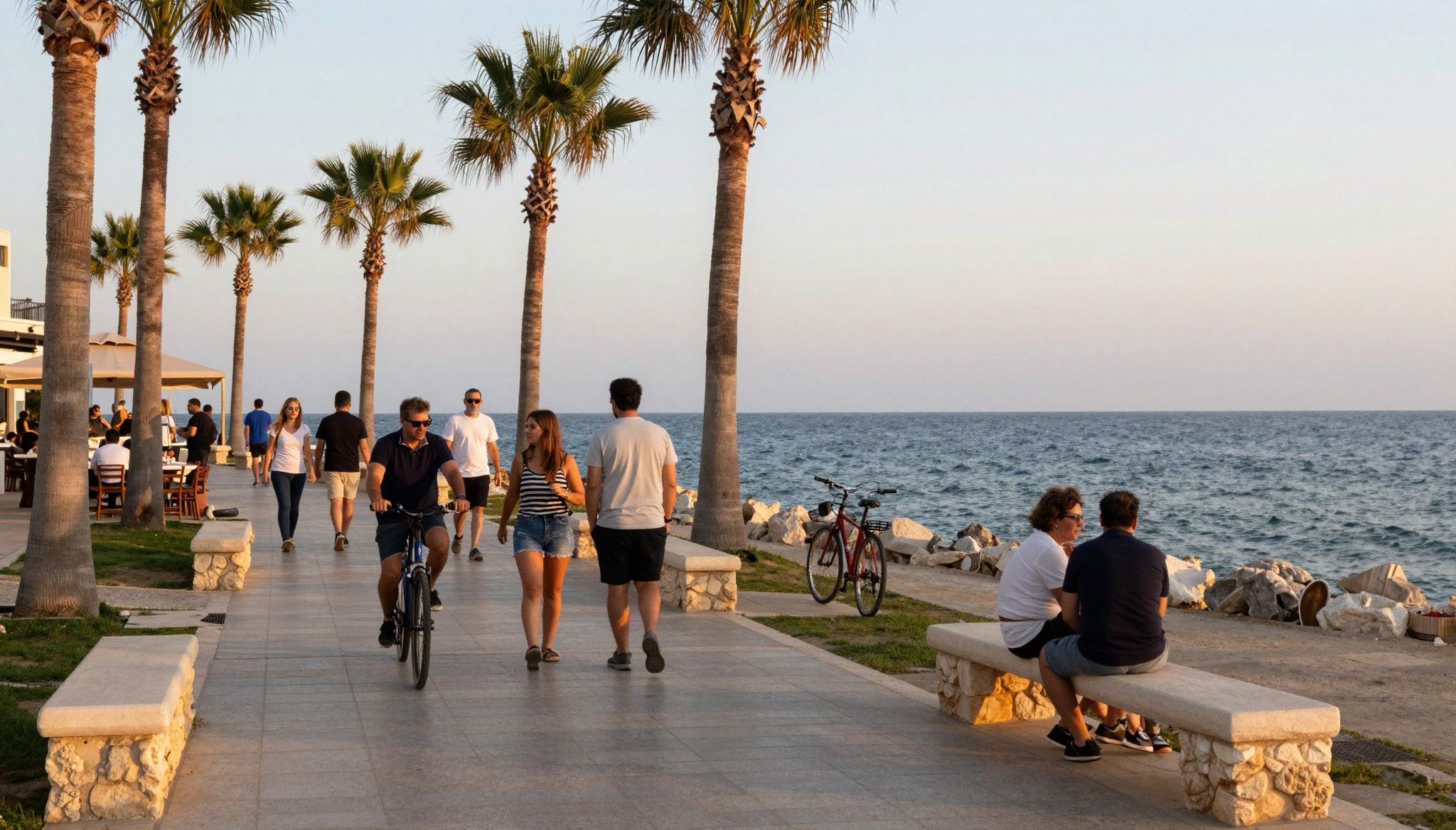
- Low‑season coastal walks (Brittany/Charente) to judge erosion, access and quiet‑season community life.
- Evening aperitifs on terrace gardens—test evening sound, light and neighbourly privacy.
Making the move: practical considerations that honour place
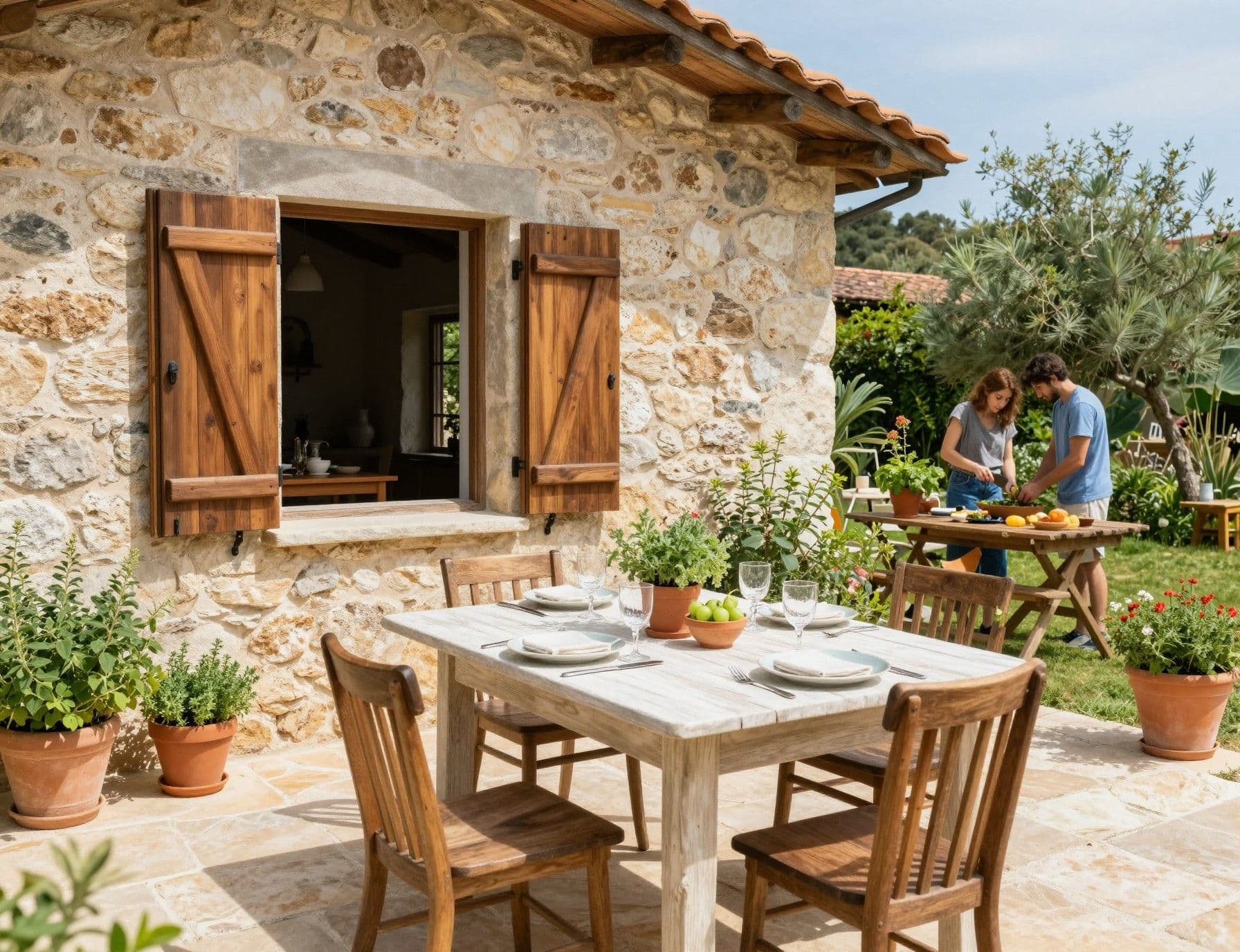
Dreaming is where we start; contracts and closing are where intention becomes reality. France’s purchase costs and seasonal supply affect timing: in 2025 departments gained leeway to adjust registration duties slightly, which can change your closing math. Pair market awareness with a stewardship lens—negotiate for ecological upgrades, plan for energy‑performance renovations and schedule closings that align with planting or construction seasons to reduce impact and cost.
Property styles and how they support a sustainable life
A stone maison with thick walls offers passive cooling and a slow, restorative pace; a mid‑century apartment in Bordeaux may be ready for solar-ready roofing and double glazing. Choose the shell that matches your appetite for retrofit: older homes reward careful restoration and local craftsmen, while newer builds can provide immediate energy efficiency. Factor seasonal weather into renovation windows—dry summers and mild autumns are ideal for external work.
Working with local experts who care about stewardship
Not all agencies speak the language of place. Seek notaries, architects and agents who understand local ecology—someone who recommends native hedging, rainwater capture and denser insulation rather than simply promising sea views. A local notaire clarifies conveyancing; an architect or maître d’oeuvre assesses retrofit potential. When you request eco‑minded specifications in offers, you screen for partners aligned with stewardship.
- Steps to close with stewardship in mind:
- 1) Visit off‑peak (autumn/late winter) to sense year‑round life and infrastructure needs.
- 2) Add measured contingencies for energy upgrades and seasonal repairs to the compromis de vente.
- 3) Negotiate completion dates that align with local planting/contractor calendars to minimize disturbance.
- 4) Ask for an inventory of local craftsmen and suppliers—this keeps work local and reduces embodied carbon from long supply chains.
Insider knowledge: expat truths and stewardship red flags
Expat buyers tell us the same three regrets: buying for postcard moments instead of year‑round life, underestimating seasonal maintenance, and trusting aesthetic promises over ecological reality. Watch for red flags—poor drainage (mould and biodiversity loss follow), missing DPE energy diagnostics, or lawns that require high water use. The best purchases marry daily delight with environmental sense.
Cultural notes that change how you live and steward a French home
French neighbours value rhythm and rules: local syndic meetings govern co‑ops, maire’s calendars guide permitted works, and markets set social life. Learn the unspoken practices—when to ask permission for a hedge, how composting shifts in village routines, and why shared wells or private gardens require clear stewardship agreements. These small cultural norms shape how easily your ecological projects will be welcomed and maintained.
Long‑term care: five practical stewardship commitments
- 1. Plan for DPE upgrades—better ratings keep the home rentable and lower running emissions.
- 2. Cultivate native gardens to support pollinators and reduce irrigation.
- 3. Keep a local contractor list and budget a stewardship reserve for landscape and envelope work.
- 4. Choose materials and repairs that respect local craft traditions and reduce embodied carbon.
- 5. Engage with the community calendar—festivals and market days are key social capital for stewardship projects.
Conclusion: close with curiosity and care. France rewards buyers who move slowly, listen to seasons and build with the land. By timing visits in quieter months, negotiating for ecological improvements within the compromis, and choosing local partners who value craftsmanship and biodiversity, your purchase becomes a long‑term act of place‑making. If you want, we can introduce agencies and notaires experienced in stewardship‑first closings—people who will help you turn market data into a home that lives lightly and richly in France.
Danish relocation specialist who moved from Copenhagen to the Algarve; supports families with seamless transitions, local partnerships, and mindful purchases.